LxDiscover
ExploreMapRoutesRegionsAbout
Get the app

Map · 7 / 203

Explore the map

Regions:
Zoomarine4.6

Zoomarine

Theme Park • Guia, Faro

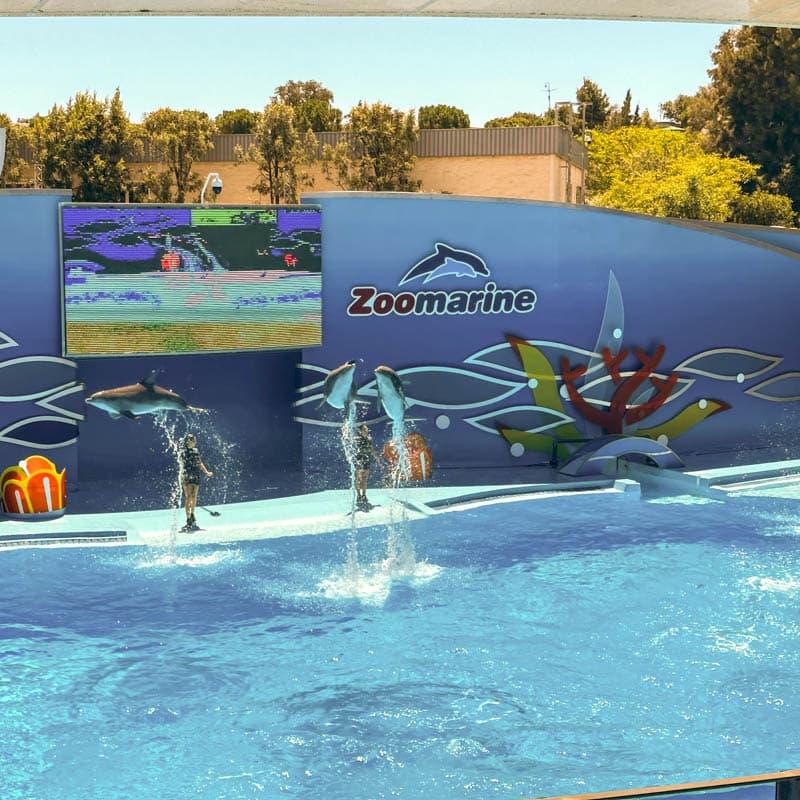
In Guia, near Albufeira, Zoomarine opened in 1991 as a theme park devoted to the marine world, but over time it has taken on a broader meaning. Through zoological presentations, aquariums, habitats and water attractions, the site brings together entertainment and environmental awareness, seeking to draw visitors closer to ocean life. That mission becomes especially tangible at Porto d’Abrigo, created in 2002: it was the first Marine Species Rehabilitation Centre in Portugal and it continues to rescue, treat and return animals to the wild in partnership with ICNF. During a visit, the contrast between the park’s lively atmosphere and this quieter conservation work gives the place a distinctive identity. More than a leisure venue, Zoomarine shows how curiosity, when guided well, can turn into knowledge and care for the sea.
Castelo de Silves4.4

Castelo de Silves

Castle • Silves, Faro

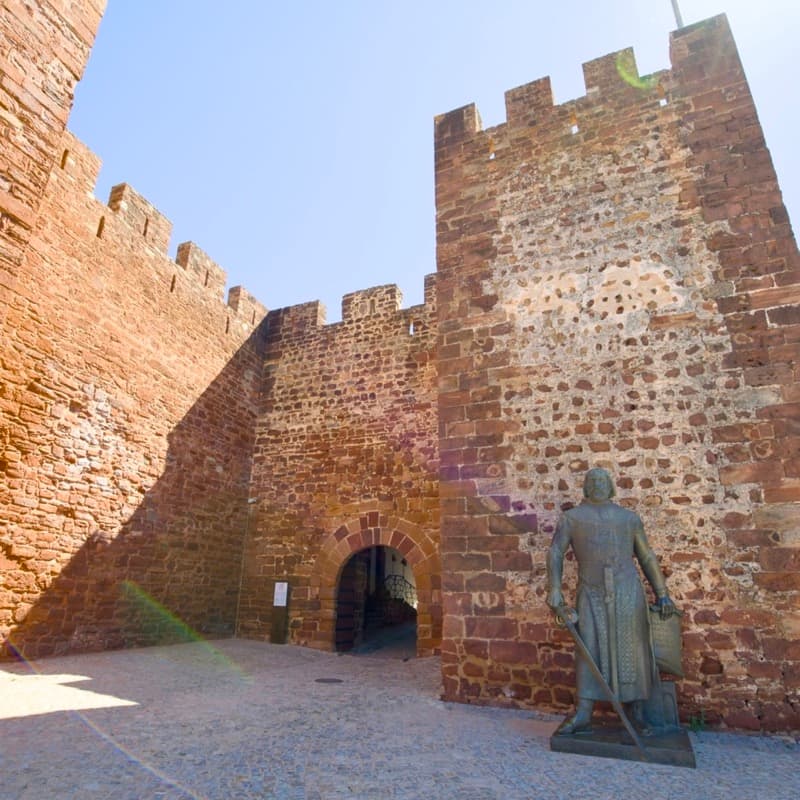
At the top of Silves, the Castle preserves the most visible presence of the former Islamic city. Classified as a National Monument since 1910, it is presented by Património Cultural as one of the principal Muslim fortifications in Portuguese territory. Its construction dates back to the beginnings of Islamic rule in the Peninsula, with archaeological finds dated to the 8th and 9th centuries; in the 11th century, when Silves gained great importance and was the capital of a taifa under Al-Mutamid, the general layout of the enclosure was established. The alcazaba, built in military rammed earth faced with Silves sandstone, has an irregular plan and eleven quadrangular towers, two of them albarrã towers. Inside, the Cisterna da Moura, dated to the 11th century, stands out for its scale: it covers around 820 square metres and rises to a height of ten metres. The reddish walls, wall-walks and archaeological remains allow medieval Silves to be read in stone.

Sand City4.3

Sand City

Theme Park • Lagoa, Faro

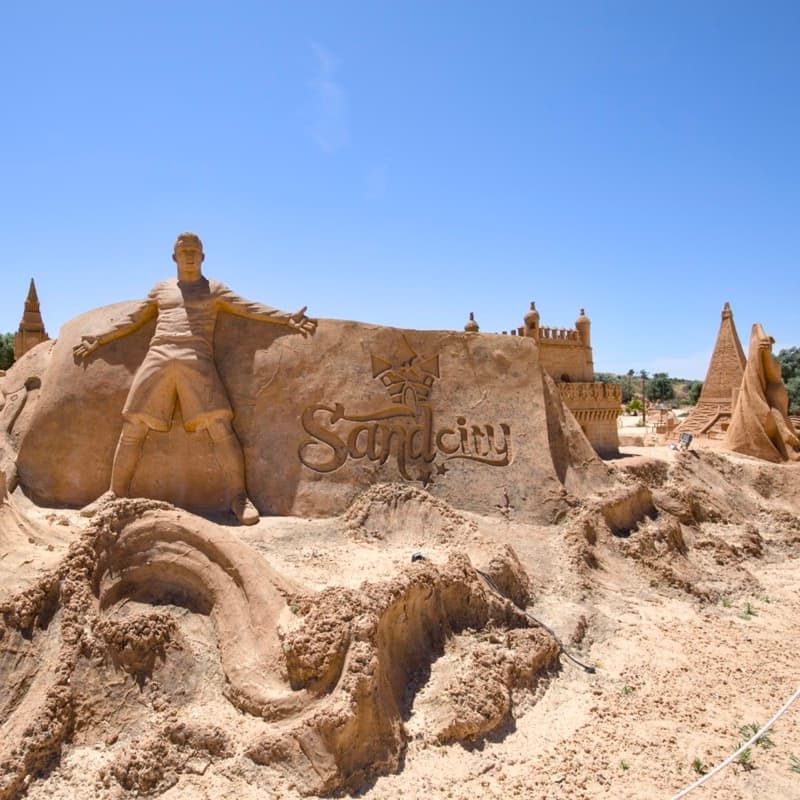
Sand City, in Lagoa, in the Algarve, turns sand into an open-air artistic space. Its origin is linked to FIESA — the International Sand Sculpture Festival — created in 2003; after more than two decades of themed exhibitions, the project moved from the Pêra area to its current site, next to the EN125. The grounds cover around 50,000 square metres and bring together more than 120 works sculpted by over 60 national and international artists. The current exhibition, “Around the World in Sand”, recreates scenes from everyday life around the world, well-known figures, pop culture, fantastic imagery and recognisable buildings. The sculptures are made by compacting sand with water; some reach five or six metres in height and weigh several tens of tonnes. In the open air, among paths of sand and gravel, the whole setting makes visible the scale, detail and firmness that the sun gives, over time, to a simple material.

Centro Ciência Viva de Lagos4.6

Centro Ciência Viva de Lagos

Science Centre • Lagos, Faro

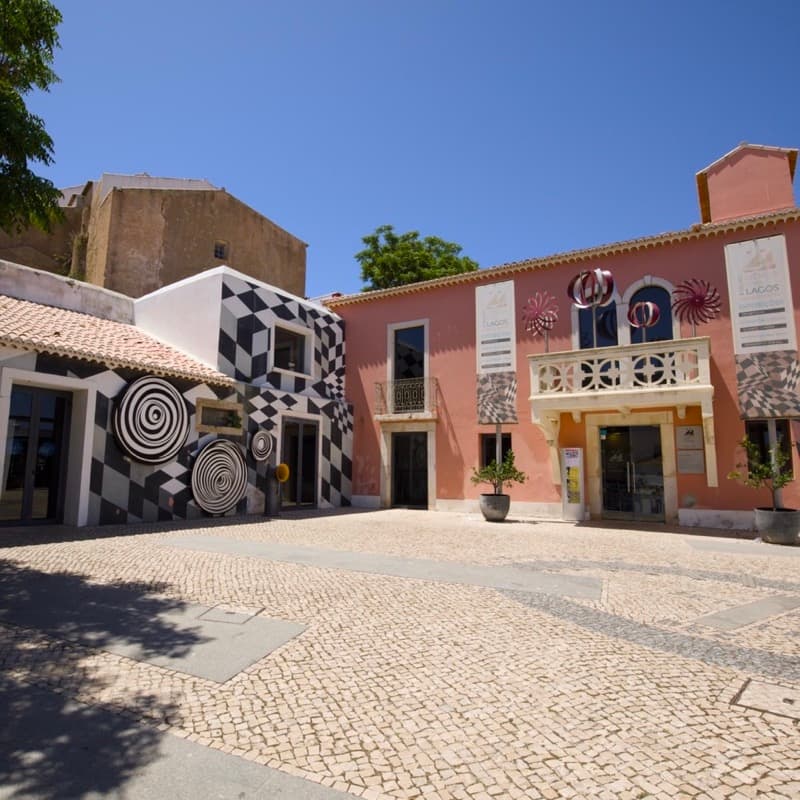
In the centre of Lagos, overlooking Avenida dos Descobrimentos, the Centro Ciência Viva de Lagos brings science close to the city’s maritime history. Housed in Casa Fogaça, an 18th-century manor house, it combines the memory of the building with a contemporary visual language, marked on the façades by cubes and illusion discs. The permanent exhibition, “From the Astrolabe to GPS”, links the great ocean voyages to the science of navigation, exploring themes such as cartography, shipbuilding and astronomy in the 15th and 16th centuries. In addition to its indoor galleries, the centre has almost 2,000 square metres of outdoor spaces dedicated to science, including the Lighthouse Garden and the Discoveries Garden, both facing the bay of Lagos. Among instruments, experiments and interactive modules, this is a place where the past of voyages becomes questioning, observation and discovery.

Museu Municipal de Arqueologia de Silves4.4

Museu Municipal de Arqueologia de Silves

Museum • Silves, Faro

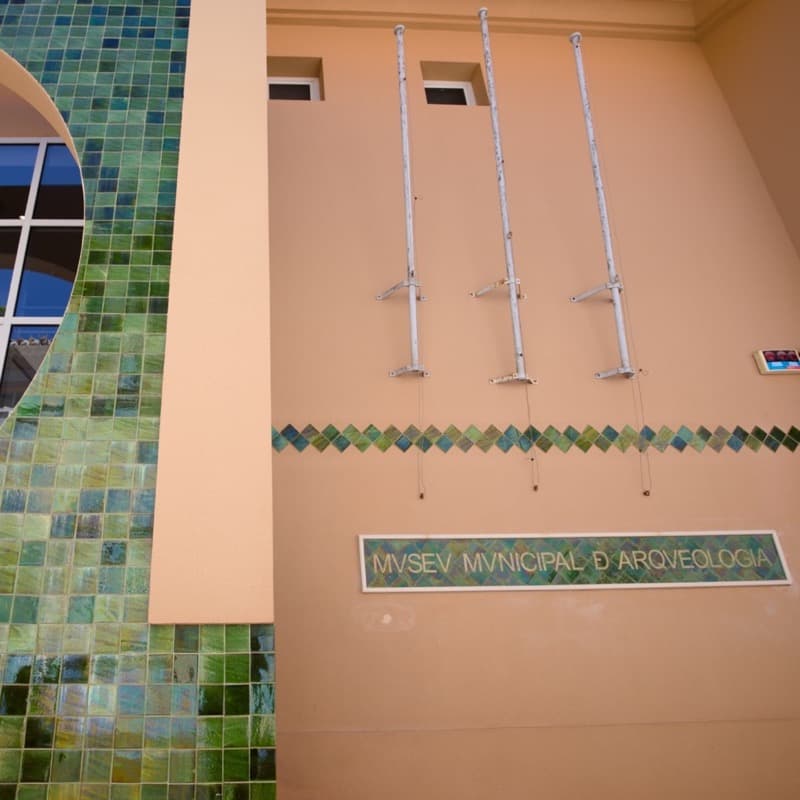
In the historic centre of Silves, the Municipal Archaeology Museum organises the city’s memory around an exceptional feature: the Arab Well-Cistern, classified as a National Monument. Identified in late 1979, this Almohad well-cistern, built between the end of the 12th century and the beginning of the 13th, was integrated into the museum route, inaugurated in 1990. Its circular structure descends more than eighteen metres and is accompanied by a spiral staircase, with windows opened at different heights to provide access to the water. The building also incorporates, on its southern elevation, a section of the Almedina wall, from the 12th century. The exhibition traces the history of the Silves territory from prehistory to the 18th century, with particular emphasis on Islamic materials collected during decades of excavations in the city. Here, archaeology and architecture make Silves’ long continuity visible.

Museu Municipal de Faro4.3

Museu Municipal de Faro

Museum • Faro, Faro

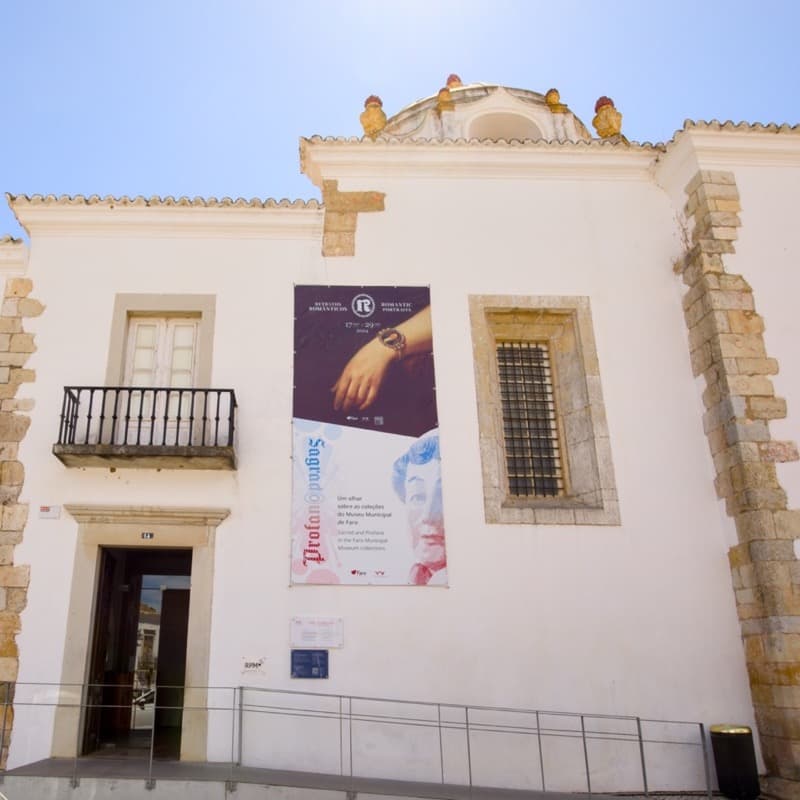
In Faro’s Vila-Adentro, the Museu Municipal de Faro occupies the former Convent of Nossa Senhora da Assunção, classified as a National Monument. The convent was founded by D. Leonor, wife of King João II, and construction began in 1519, continuing until the cloister was completed in 1550. After the extinction of the religious orders, the building had several uses and even housed a cork factory. In 1960, the Municipal Council acquired it to install the Museu Arqueológico e Lapidar Infante D. Henrique, which had operated in the Town Hall since 1894. Today, the quadrangular cloister, with its boxwood garden, organises a route between convent architecture and urban memory. The collection highlights archaeological materials from prehistory to the Roman and medieval periods, including the Ocean Mosaic, from the 2nd/3rd centuries, busts of Hadrian and Agrippina, inscriptions from Ossonoba, Islamic art and painting from the 16th to the 19th centuries.

Centro Ciência Viva do Algarve4.4

Centro Ciência Viva do Algarve

Science Centre • Faro, Faro

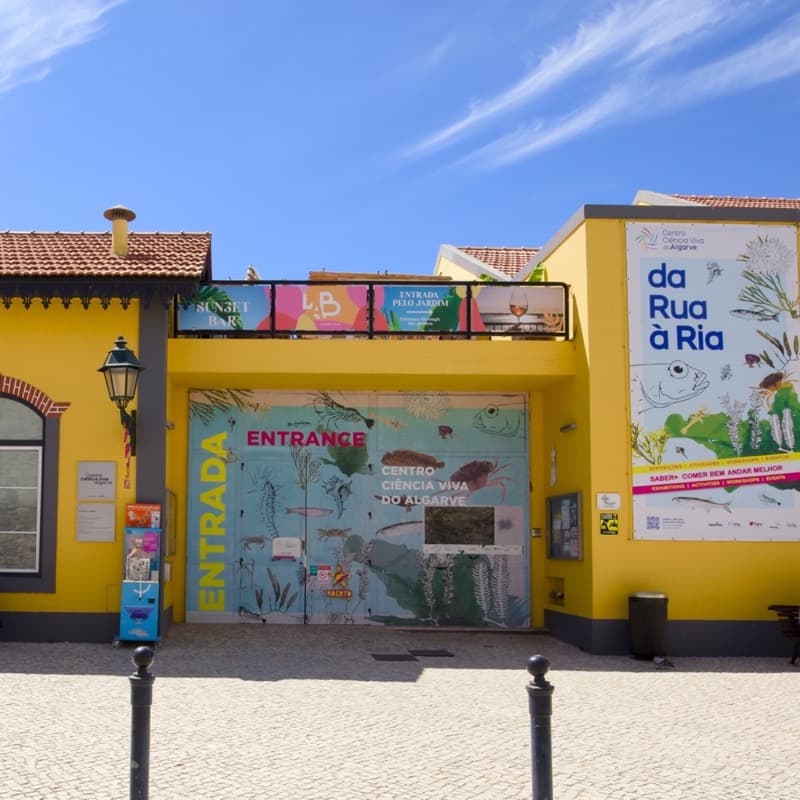
Next to Faro Marina, the Centro Ciência Viva do Algarve turns the closeness of the Ria Formosa into a starting point for scientific discovery. Housed in a century-old building originally built to accommodate the Algarve’s first power station, it opened on 3 August 1997 as the first interactive centre in the National Network of Ciência Viva Centres. Its main exhibition is dedicated to the sea, with aquariums and modules that bring natural, environmental and physical-chemical phenomena close to the regional reality. The Apalpário, a tank dedicated to species typical of the Algarve coast and the Ria Formosa, allows close observation of organisms from the intertidal zone, with support from monitors. The centre also includes spaces on light, the brain and the senses, a garden with energy modules, a technological greenhouse and a rooftop terrace facing the Ria Formosa, used for observing wading birds.