Guia · Faro
Zoomarine
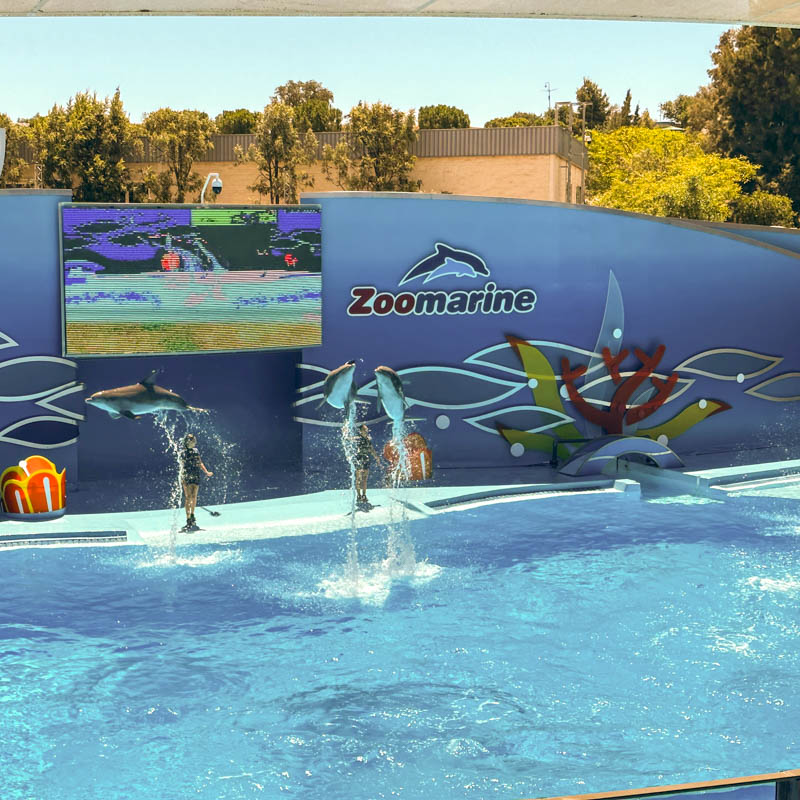
In Guia, near Albufeira, Zoomarine opened in 1991 as a theme park devoted to the marine world, but over time it has taken on a broader meaning. Through zoological presentations, aquariums, habitats and water attractions, the site brings together entertainment and environmental awareness, seeking to draw visitors closer to ocean life. That mission becomes especially tangible at Porto d’Abrigo, created in 2002: it was the first Marine Species Rehabilitation Centre in Portugal and it continues to rescue, treat and return animals to the wild in partnership with ICNF. During a visit, the contrast between the park’s lively atmosphere and this quieter conservation work gives the place a distinctive identity. More than a leisure venue, Zoomarine shows how curiosity, when guided well, can turn into knowledge and care for the sea.
Why it matters
n Guia, in the municipality of Albufeira, Zoomarine opened to the public on 3 August 1991, in the tourist heart of the Algarve. The park began with around 7 hectares and has grown to more than 28 hectares, currently welcoming around 620,000 visitors a year. Its importance does not come from monumental age, but from the way it has brought together entertainment, environmental education and contact with marine species in a territory where the link with the sea is central. The park’s declared mission is based on educating, entertaining, preserving, learning and developing. This approach explains the presence of presentations, zoological habitats, educational projects, research and conservation. Since 2002, Zoomarine has also included Porto d’Abrigo, a centre dedicated to the recovery of marine and aquatic animals, in collaboration with the Institute for Nature Conservation and Forests.
Architecture and history
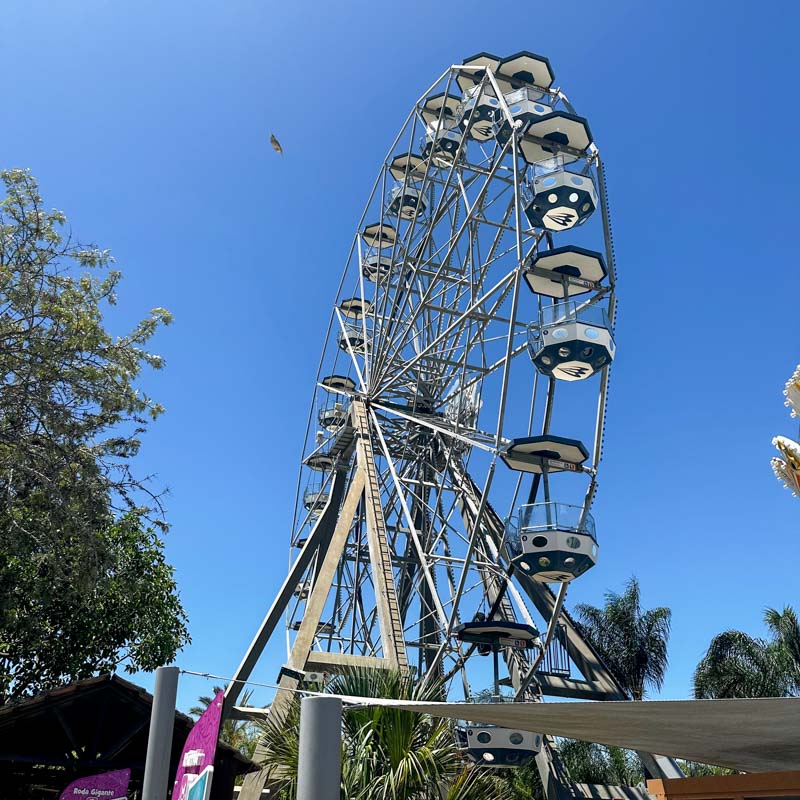
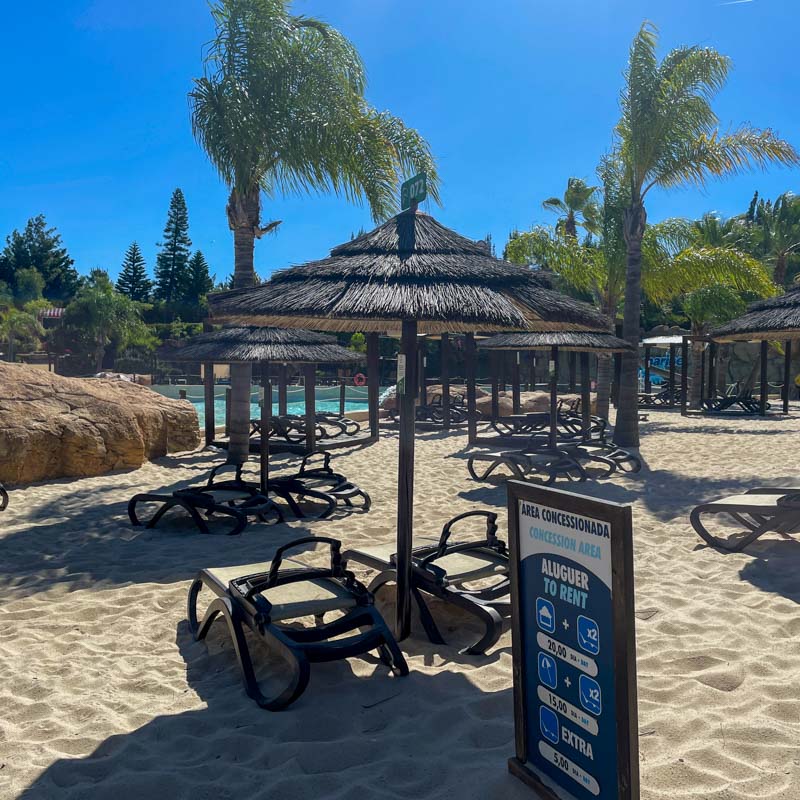
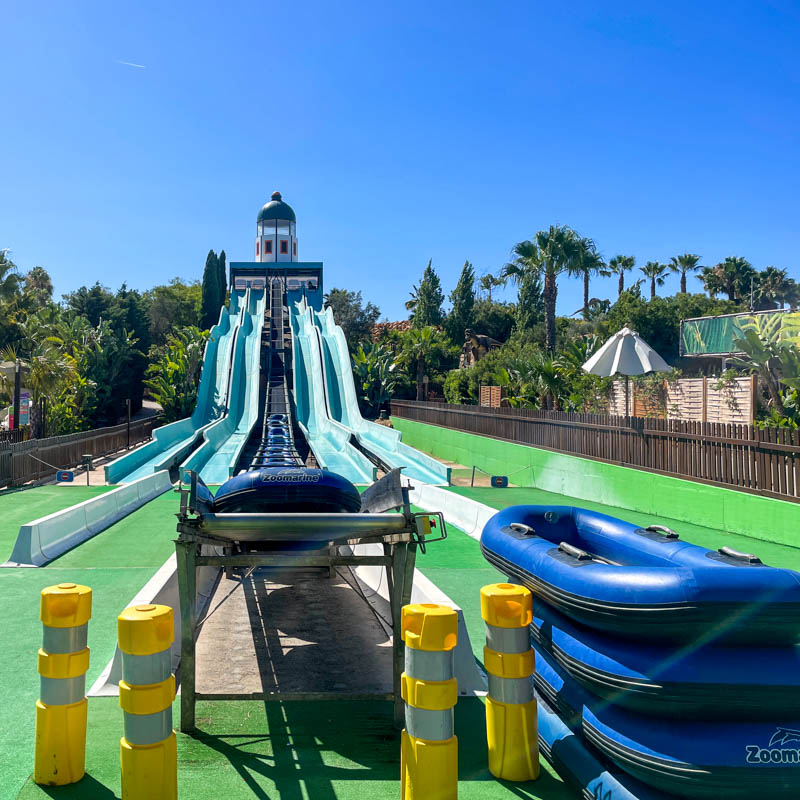
Zoomarine’s design works as a park of routes, not as a single building. The experience is organised around presentation areas, zoological habitats, amusements, water attractions, lakes and gardens. This structure helps alternate moments of observation, learning and rest, creating a gradual reading of the marine world and other ecosystems. The official map distinguishes areas such as presentations, zoological habitats, amusements and water attractions, which shows an organisation designed to guide different visiting rhythms. The park includes spaces dedicated to marine mammals, birds, reptiles, fish, invertebrates and plants. The presence of water is more than decorative: pools, lakes, aquarium and water areas reinforce the central theme of the park and recall the Algarve’s relationship with the Atlantic.
More context
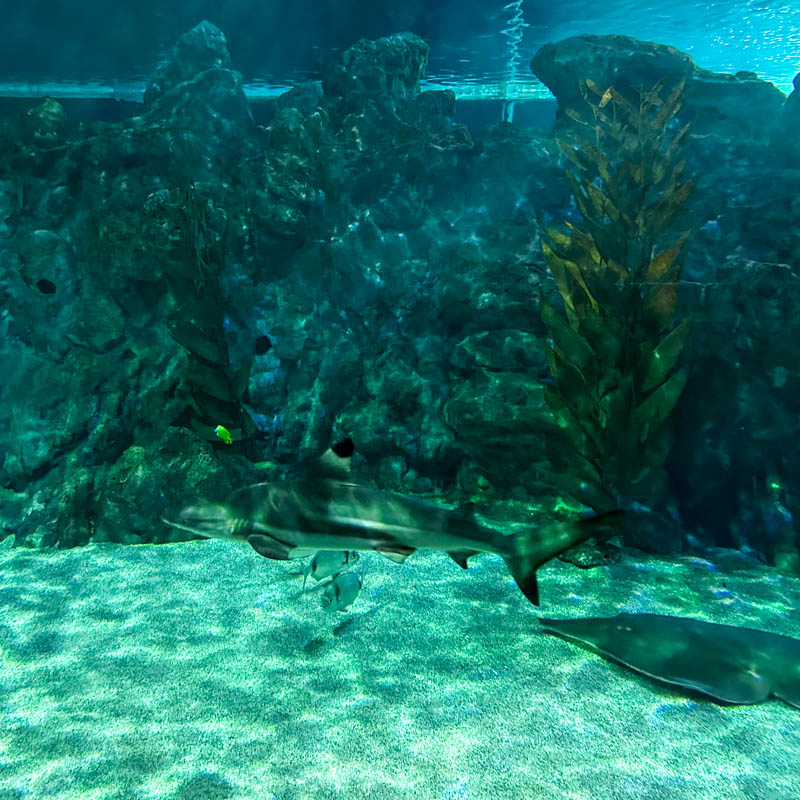
Porto d’Abrigo gives Zoomarine a dimension that goes beyond leisure, as it shows how rescue, clinical assessment, rehabilitation and the return of animals to the wild form part of the park’s work. The aquarium helps bring visitors closer to conservation issues linked to sharks, marine mammals and sea turtles, species mentioned in the projects supported by Zoomarine. In the educational activities, notice how content on biology, ecology and conservation is presented in an informal context, with programmes for visitors and for the school community. The zoological habitats should be seen as observation spaces, but also as points for reading behaviour, feeding and threats to species. Across the park, the combination of gardens, water and routes creates a simple narrative: knowing animals better is one way to think more carefully about protecting their habitats.
Gallery