Estufa Fria

Lisboa · Lisboa

Estufa Fria

Botanical GardenXIXLandscape Architecture
Parque Eduardo VII, 1070-051 Lisboa4.7 Rating · 12,34470 min

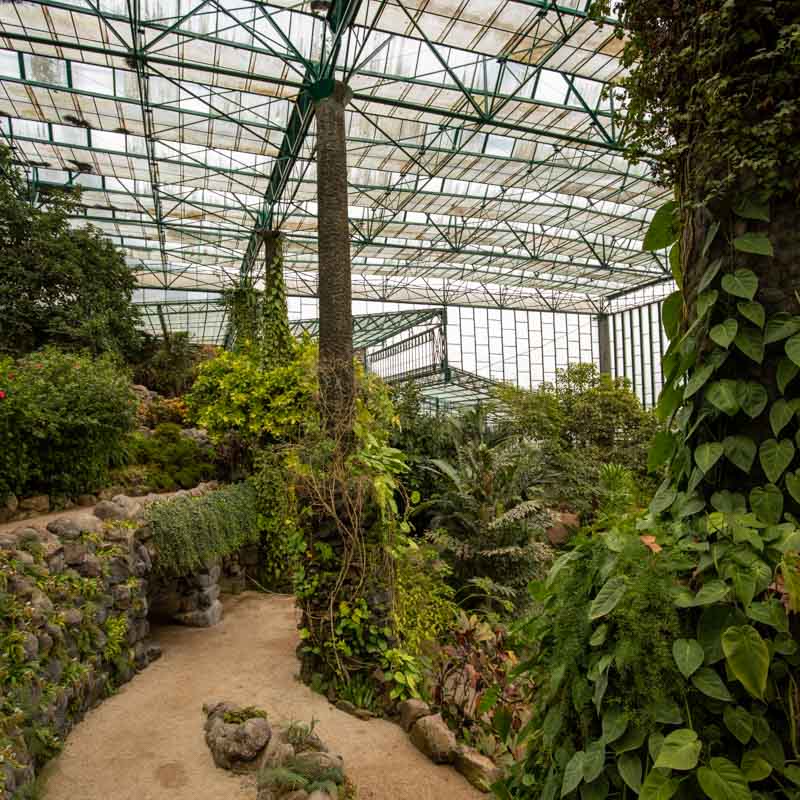
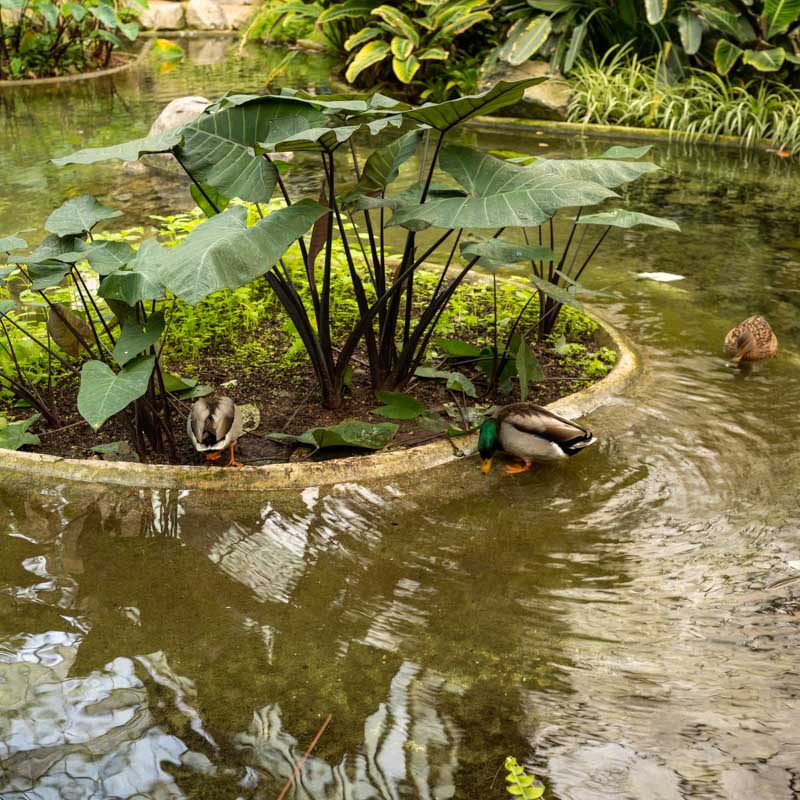
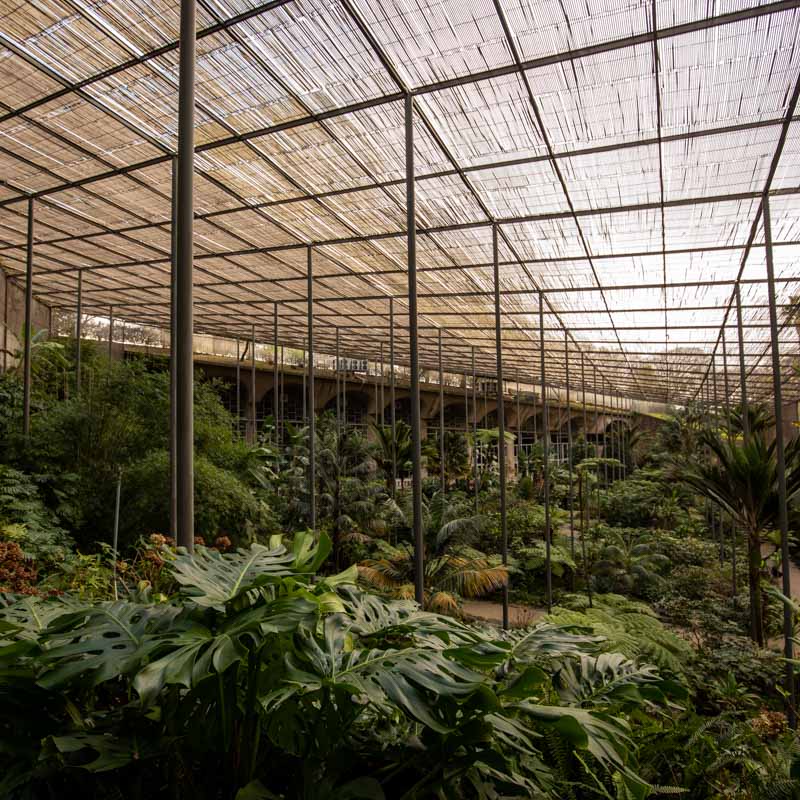
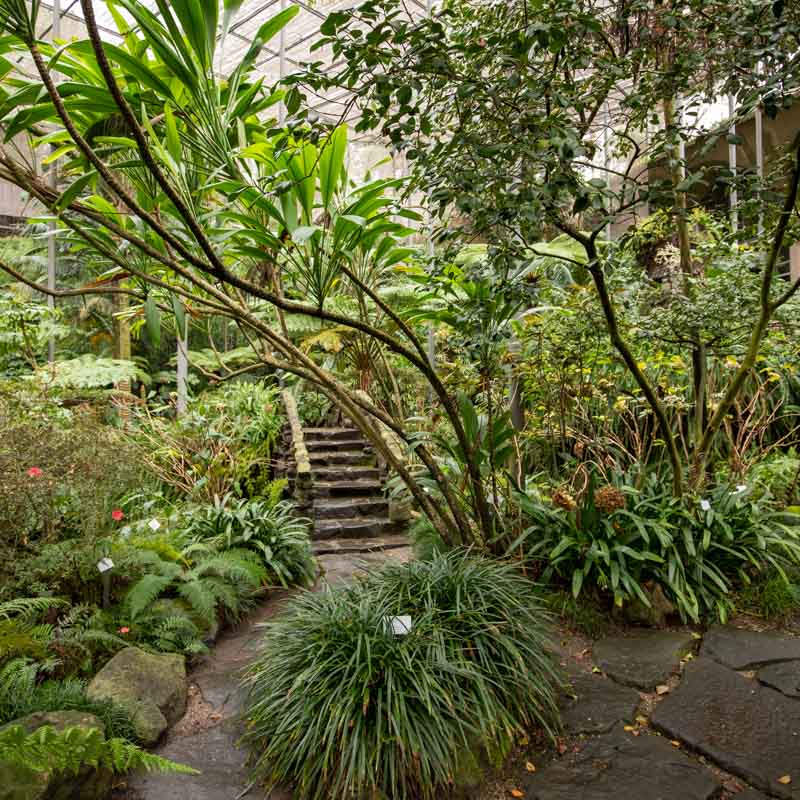
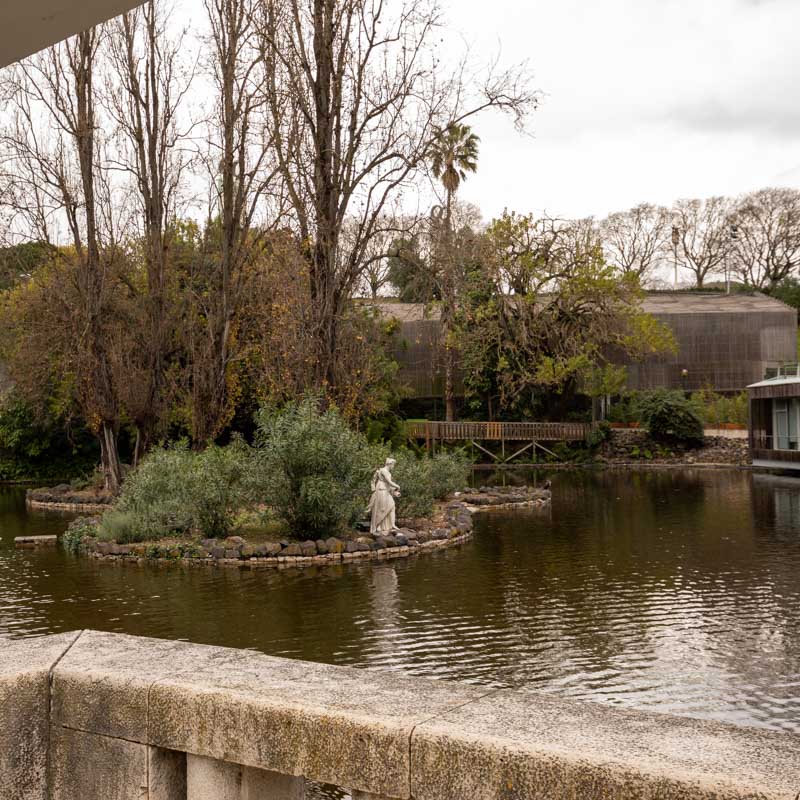
Hidden on the slope of Eduardo VII Park, the Estufa Fria is one of Lisbon’s most unexpected refuges. It was created from an old basalt quarry, transformed into a sheltered garden and opened to the public in 1933, a fine example of how the city reinvented a scar in the landscape. Today it is divided into the cold, hot and sweet greenhouses, bringing together more than 300 species from several continents, including tree ferns, camellias, begonias and rare or threatened plants. Yet what makes the visit especially memorable is its atmosphere: damp paths, ponds, shade and a silence that feels almost improbable in the middle of the city. There is even a detail that captures the spirit of the place: in the cold greenhouse, the wooden slatted cover lets the rain fall through. It is worth walking slowly and noticing how water, stone and vegetation seem to have found a natural balance here.

Why it matters

Born from a former basalt quarry on the slope of Eduardo VII Park, the Estufa Fria began to take shape in the late nineteenth century, when the municipal gardener known as Senhor Manuel used the site to acclimatise plants intended for the new Avenida da Liberdade. In 1912, the space had an առաջին opening as a shelter area for species sensitive to Lisbon’s conditions, supported by an abundant spring. In the 1920s, councillor Quirino da Fonseca gave fresh momentum to the creation of a structured garden based on a project by Raul Carapinha, and it opened to the public in 1933. The remodelling of Eduardo VII Park in the 1940s brought the present entrance portico and the outer lake, designed by Keil do Amaral. In the following decade came the Nave by Edgar Cardoso, built to bridge the excavated void of the quarry. In 1975, the Hot Greenhouse and the Sweet Greenhouse were added, and in 2016 the Interpretation Centre was inaugurated.

Architecture and history

The ensemble stands out for combining garden design, architecture and engineering in a space of 11,500 square metres divided into three distinct environments. The Estufa Fria itself, the largest of the three, works without heating and is covered by a wooden lattice that filters light, protects plants from winter cold and summer heat, and creates a very distinctive shaded atmosphere. Within this setting, shaped by the old quarry, winding paths cross water lines, cascades, grottoes, small lakes and dense masses of vegetation. The Hot Greenhouse and the Sweet Greenhouse, added in 1975, use glass roofs and recreate different conditions. The first favours tropical species from equatorial climates, including mango and coffee plants. The second, smaller and drier, is dedicated to cacti, euphorbias and other succulents adapted to arid conditions. The overall collection exceeds 300 species and includes rare or threatened specimens, as well as statuary and structures with heritage value.

More context

The wooden lattice over the main greenhouse is one of the first elements worth noticing, because it explains both the site’s name and the way vegetation grows under a soft, almost diffused light. Along the routes through the Estufa Fria, special attention goes to the tree ferns of the genera Cyathea and Dicksonia, to camellias and azaleas, and to the design of the paths, rocks and watercourses that make the garden feel discovered rather than displayed. The sculptures placed through the enclosure add another layer of meaning, especially Menina calçando meia by Leopoldo de Almeida and Nú de Mulher by Anjos Teixeira. In the Hot Greenhouse, the interest lies in the immediate shift of atmosphere, warmer and more humid, which supports the vigorous growth of tropical plants. The Sweet Greenhouse, by contrast, invites attention to the adaptive forms of succulents, where many leaves become spines and photosynthesis moves to the stems. The Interpretation Centre helps complete the visit with botanical and urban context.

Gallery

Estufa Fria 1
Estufa Fria 2
Estufa Fria 3
Estufa Fria 4
Estufa Fria 5

Nearby places

View all