
Castelo de Elvas

Elvas · Portalegre

Castelo de Elvas

CastleVIIIMilitary Architecture
Rua da Parada do Castelo 4, 7350-082 Elvas4.3 Rating · 5,06875 min

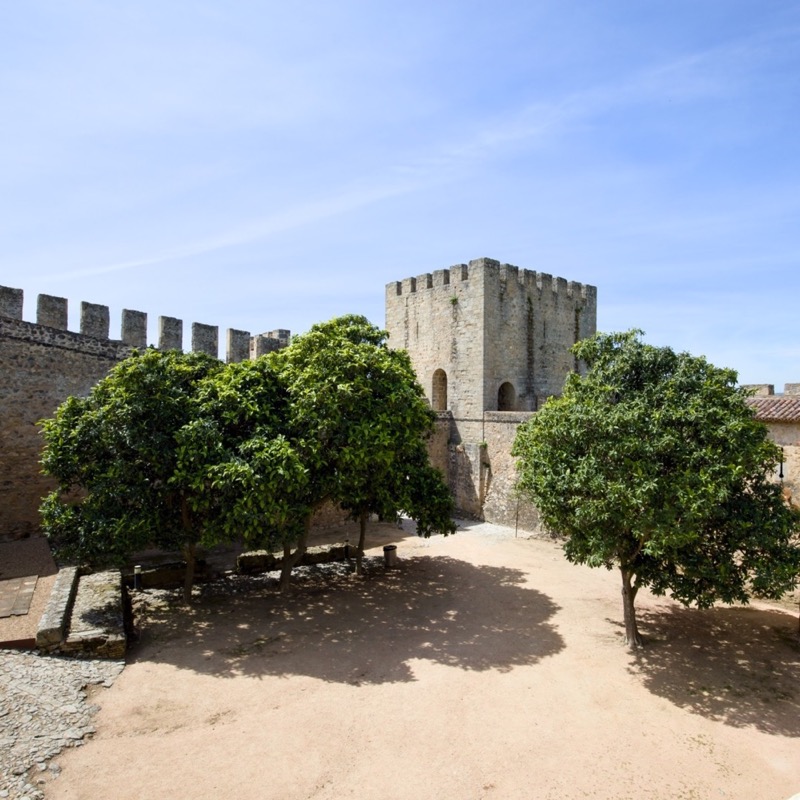
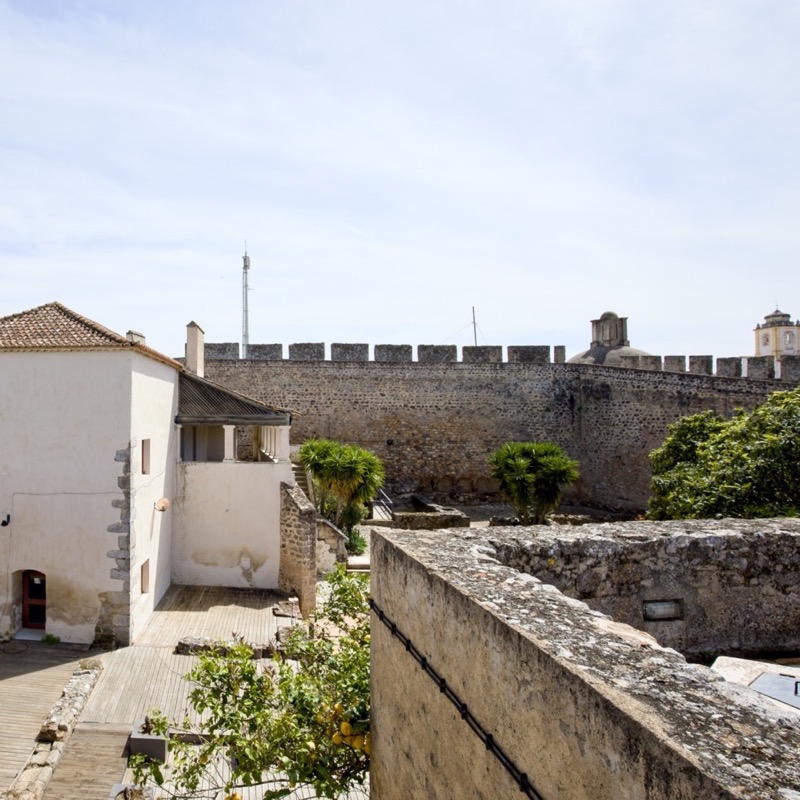
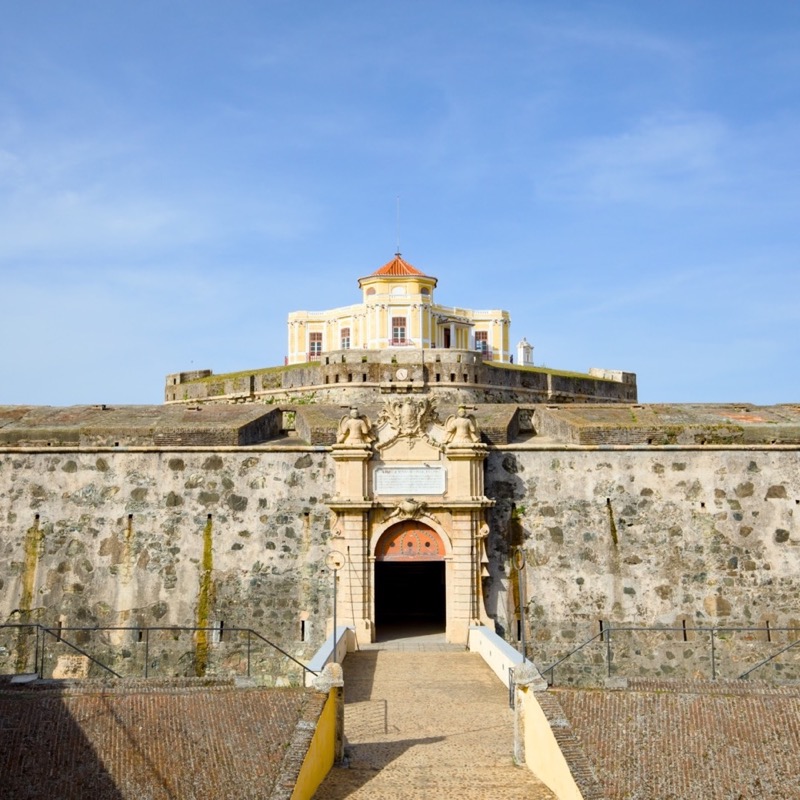
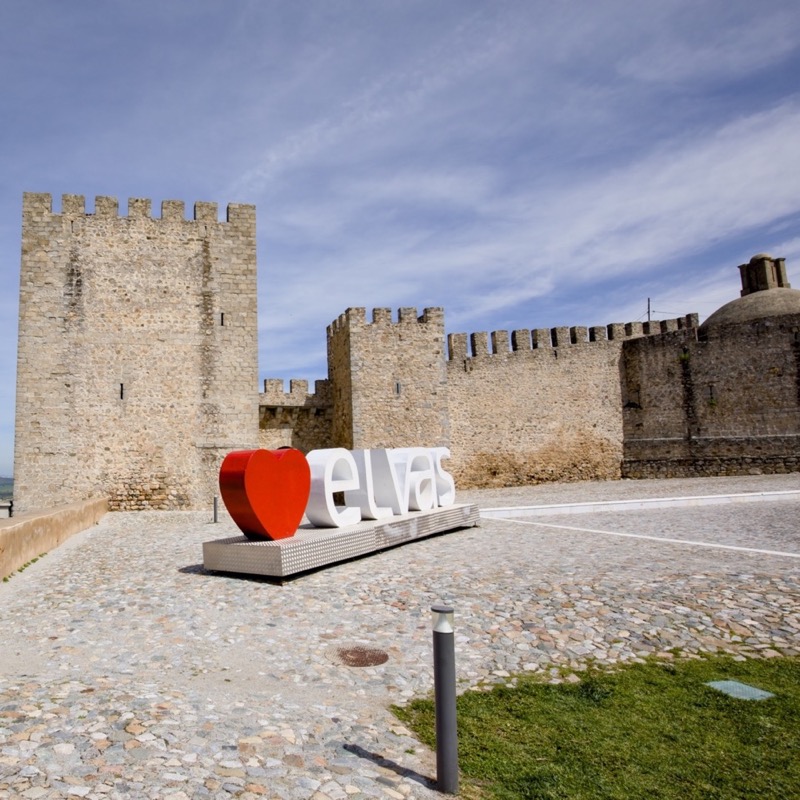
At the highest point of Elvas, the Castle dominates the border city and sums up centuries of defence of Portuguese territory. The fortification stands on a Muslim structure, was rebuilt after the definitive conquest of Elvas in 1226 and completed in 1228, during the reign of King Sancho II. In the following centuries it received extensions and adaptations, including interventions associated with King Dinis, King João II and King Manuel I, until it acquired, in the 16th century, much of the appearance recognised today. It was the residence of the town governor and the setting for events linked to diplomacy and royal life, such as peace treaties, exchanges of princesses and royal wedding banquets. Without a military function from the second half of the 19th century, it reached the 20th century in ruins before being valued as heritage. Classified in 1906, it is described by the municipality as the first Portuguese National Monument. It forms part of the Garrison Border Town of Elvas and its Fortifications, inscribed by UNESCO in 2012.

Why it matters

Elvas Castle, located in the city of Elvas in the Alentejo region, is one of Portugal's most significant military fortifications. Its construction dates back to the period of the Christian Reconquista in the 12th century when King Sancho II ordered the building of the initial defensive structure to protect the city from Muslim attacks. However, the current fortress is the result of numerous expansions and modifications over the centuries, particularly during the reigns of King Dinis and King John IV. The latter was responsible for strengthening the city's defences during the Restoration War in the 17th century, transforming Elvas into one of the largest and most advanced defensive systems in Europe.

Architecture and history

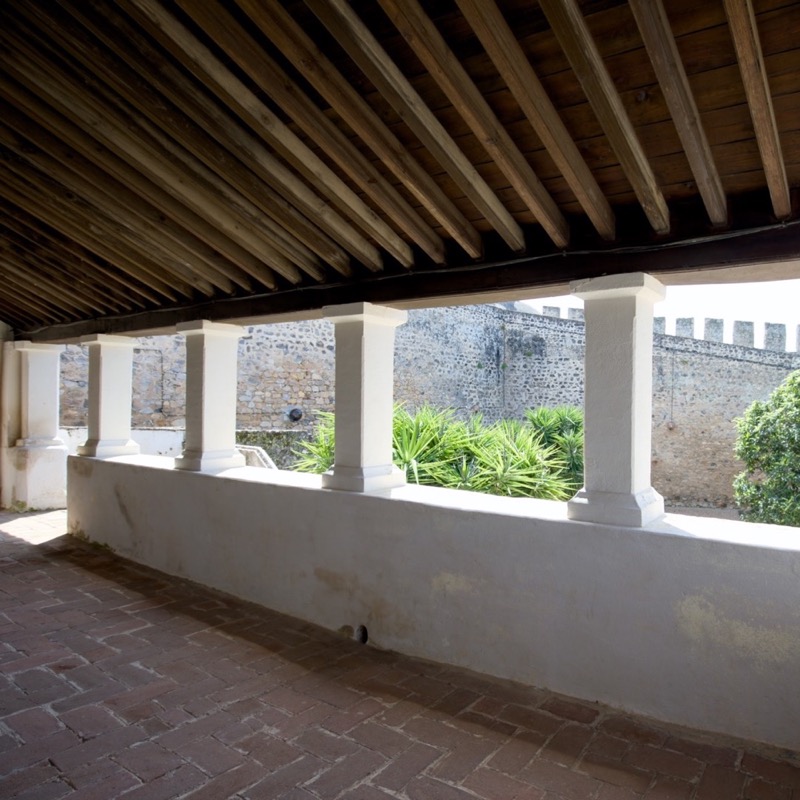
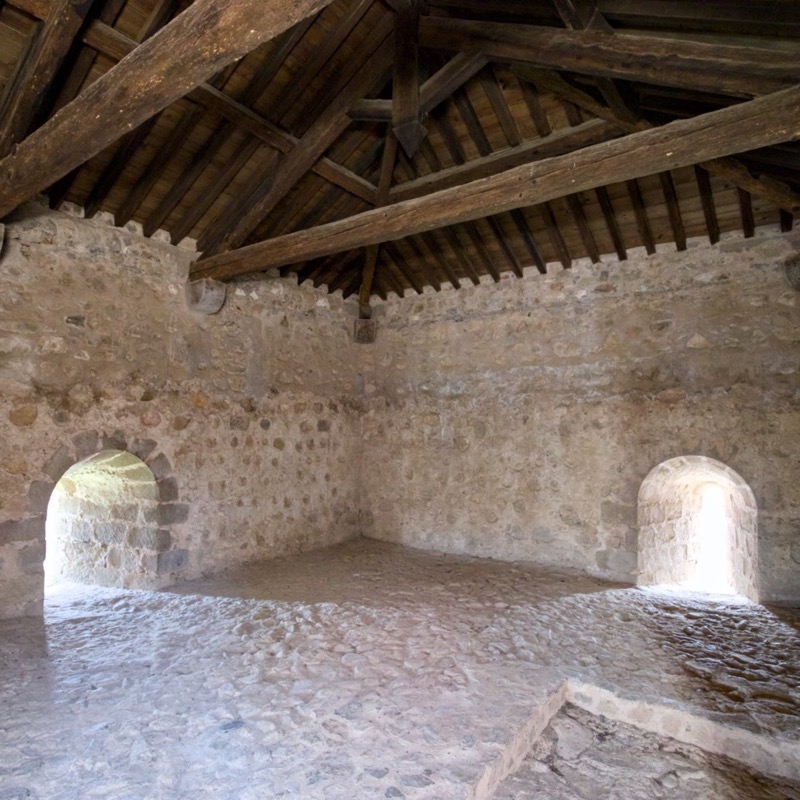
Elvas Castle is a remarkable example of military architecture, combining medieval and modern elements. Its irregular plan adapts to the terrain and includes several towers and robust walls. The Keep Tower stands out as the tallest and central structure, offering a panoramic view of the city and its surroundings. The outer walls are reinforced with bastions, ravelins, and deep moats, showcasing the evolution of fortification techniques over the centuries. Additionally, the castle is integrated into Elvas's extensive network of fortifications, which includes the Fort of Santa Luzia and the Fort of Graça, both exemplars of 17th-century military architecture.

More context

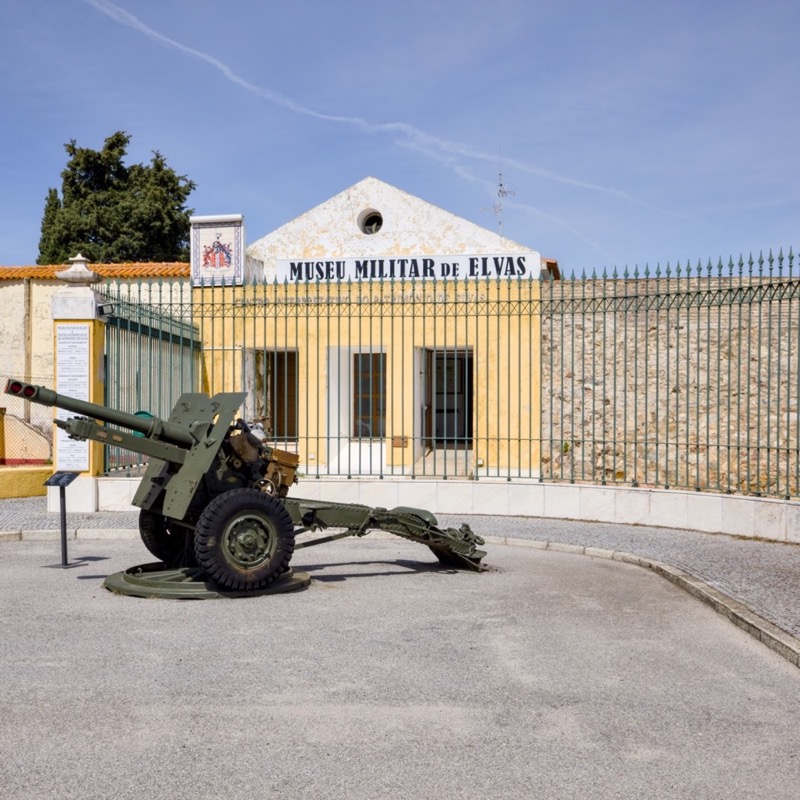
Visitors to Elvas Castle can explore its towers and walls, walking through narrow corridors and enjoying stunning views. Inside, there are exhibitions on the city's military history, with weapons, uniforms, and historical artefacts. It is also possible to visit the Military Museum of Elvas, which provides a detailed view of the city's strategic importance over the centuries. From the walls, one can see the impressive structure of the Amoreira Aqueduct, another historical landmark of the city. Elvas, classified as a UNESCO World Heritage Site, offers a rich cultural and historical experience, with many other points of interest such as the Elvas Cathedral and its charming medieval streets.

Gallery

Castelo de Elvas 1
Castelo de Elvas 2
Castelo de Elvas 3
Castelo de Elvas 4
Castelo de Elvas 5

Nearby places

View all