
Explore Portugal by region

Regions

Portalegre

3 places across Elvas.

Map
CastleFortMuseum
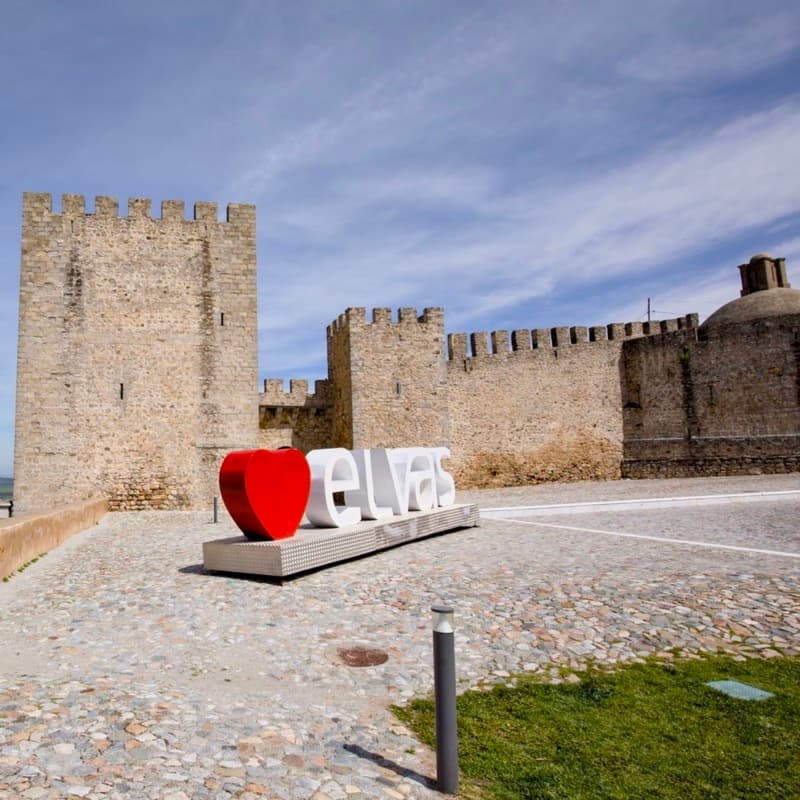
Castelo de Elvas4.3

Castelo de Elvas

Castle • Elvas, Portalegre

At the highest point in Elvas, the castle combines a history of defence and residence. Its governor lived here, and the complex hosted diplomatic occasions and royal banquets. Built over an Islamic structure, it was repeatedly rebuilt and adapted. The keep and King João the Second's arms above the entrances help identify some of those campaigns. The medieval castle is distinct from the town's later bastioned fortifications. After losing its military purpose in the nineteenth century, it deteriorated. Residents' efforts to recover it marked a new chapter: preserving a building that no longer defended the town but still told its history.
Museu Militar de Elvas4.6

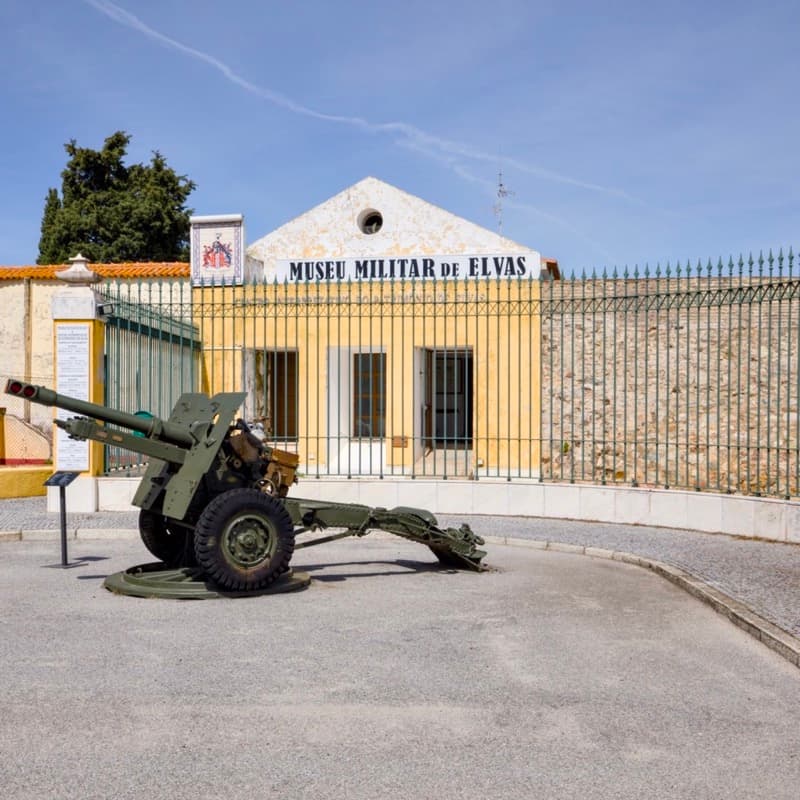
Museu Militar de Elvas

Museum • Elvas, Portalegre

The Museu Militar de Elvas occupies the former Quartéis do Casarão, where buildings tell a story as important as the collections. The complex incorporates spaces from the Convento de São Domingos and walls from different periods. After religious life and use as barracks, the museum opened in 2009. Its collections show vehicles, harnesses, signals, artillery and medical equipment. They explain the work needed to transport, communicate and care, beyond combat. The Elvas interpretation centre connects these objects with the fortified town. Here, army history meets the transformation of a complex that moved from convent to barracks to museum.

Forte de Nossa Senhora da Graça4.6

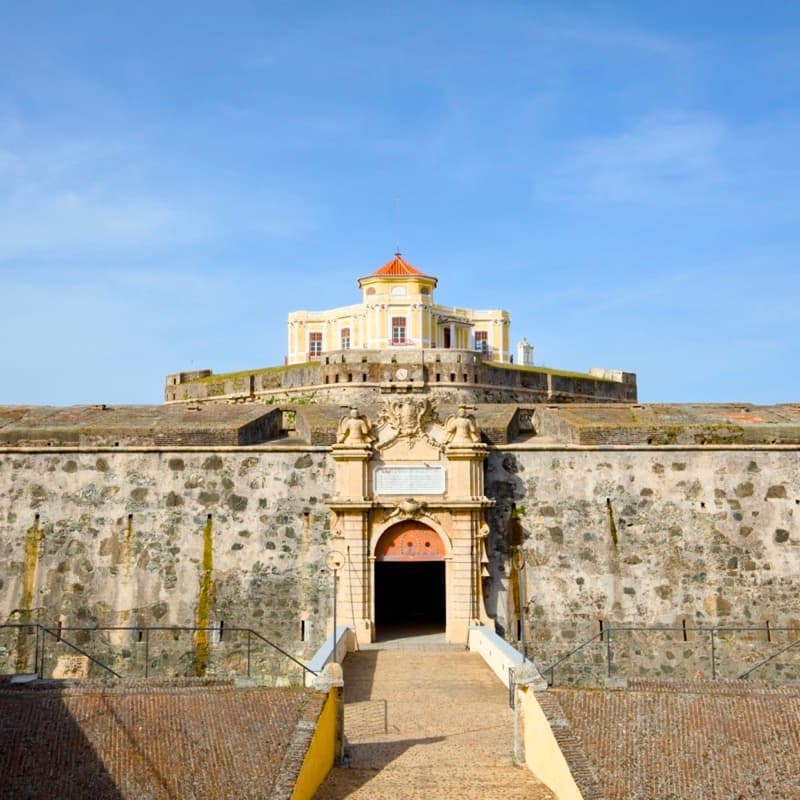
Forte de Nossa Senhora da Graça

Fort • Elvas, Portalegre

The Forte de Nossa Senhora da Graça occupies a hill once used to attack Elvas. Spanish forces established a redoubt there in 1658. Construction of the present fort began in 1763, turning that position into a defence for the town. Outer works, four bastions and a central redoubt organise the complex, with the governor's house at its highest point. The cistern, chapel and quarters recall life inside the fortification. Later, the site acquired disciplinary functions and held political prisoners. Restored and reopened in 2015, it preserves both the history of defence and traces of the uses that followed.