Castelo de Montemor-O-Novo

Montemor-o-Novo · Évora

Castelo de Montemor-O-Novo

CastleXIIMilitary Architecture
Castelo de Montemor-o-Novo, 7050-192 Montemor-o-Novo4.3 Rating · 3,02390 min

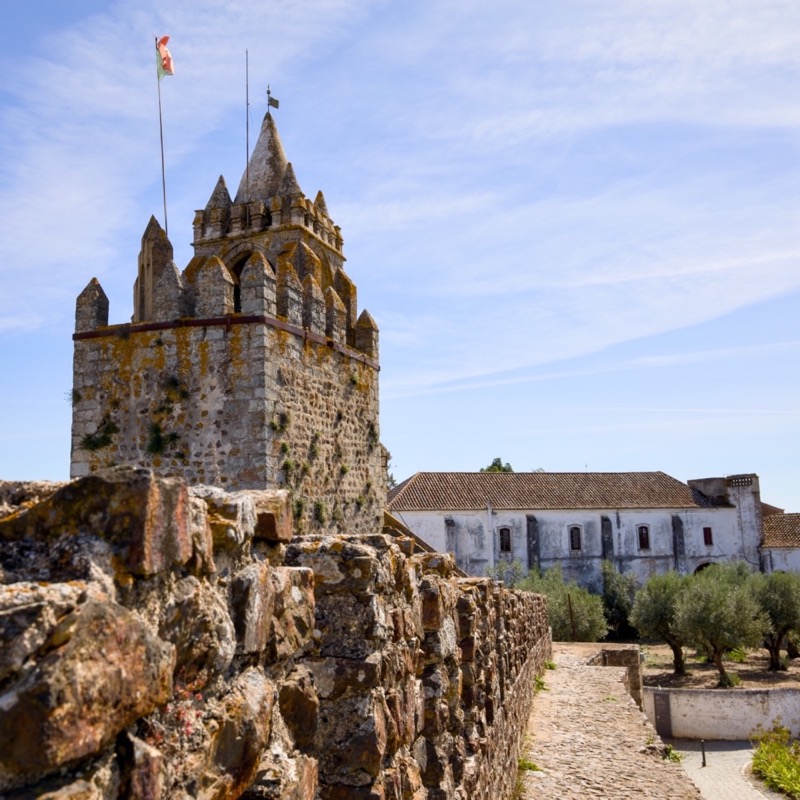
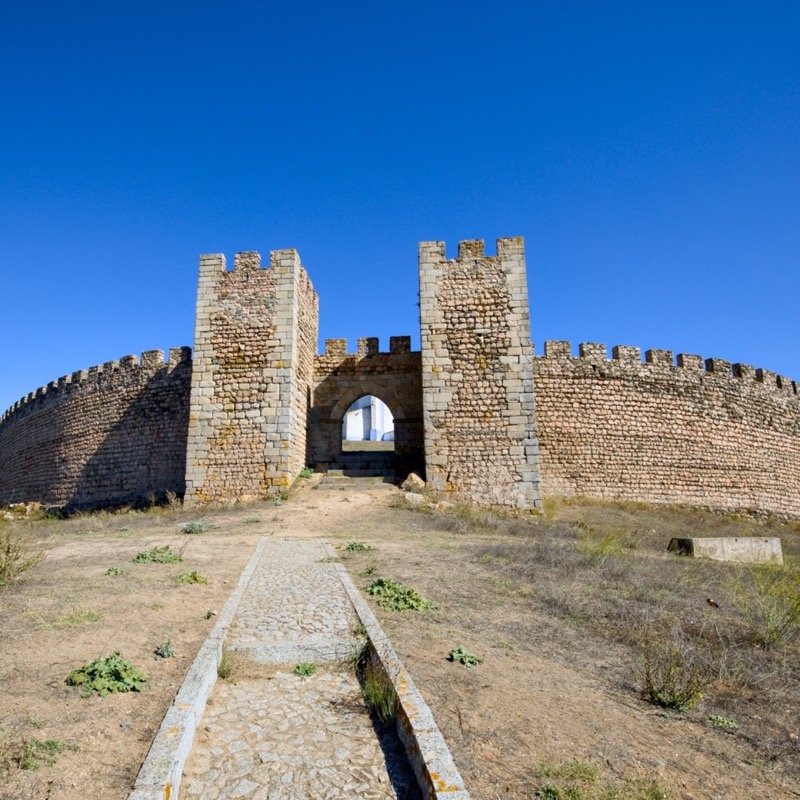
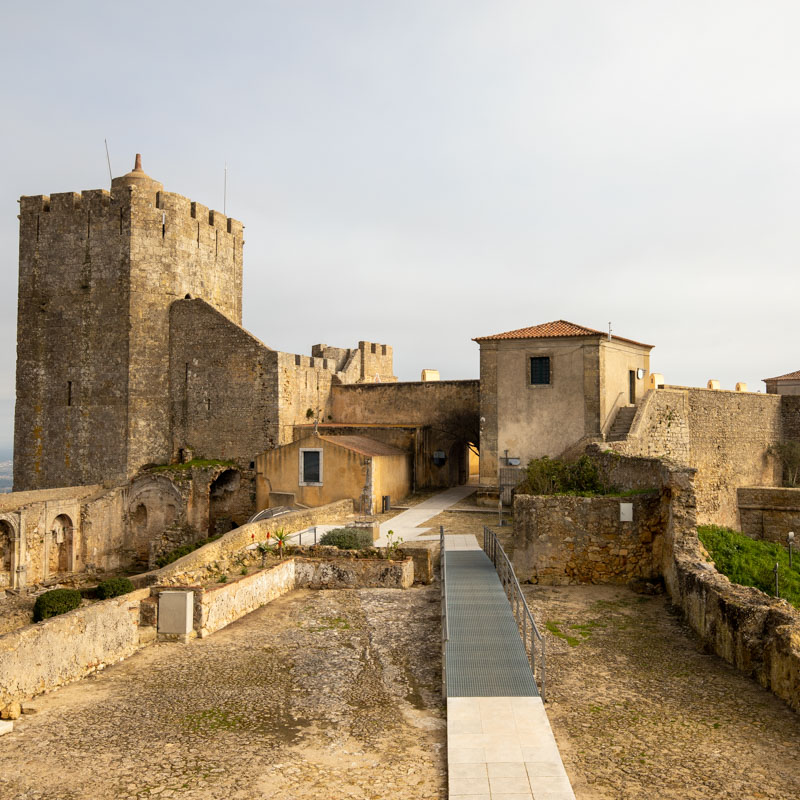
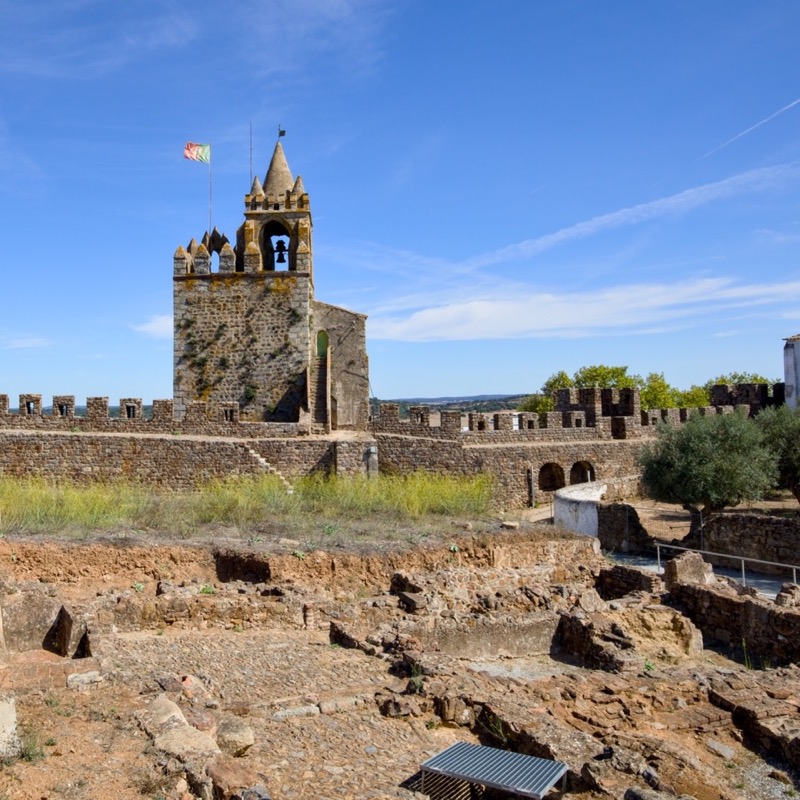
Montemor-o-Novo Castle preserves the original enclosure of the old town, high above this Alentejo city. The medieval fortification gained new momentum after the charter granted by King Sancho I in 1203, and major works were carried out under King Dinis, including the town wall. Later, in the time of King João I, Montemor-o-Novo became part of the lordship granted to Nuno Álvares Pereira. At the end of the 15th century, further works were directed by the master stonemason Afonso Mendes de Oliveira, and the castle hosted the Cortes of 1496. The complex, classified as a National Monument since 1951, preserves extensive walls, towers, cisterns, chapels and ruins that recall the former life within the walls. The Clock Tower watched over the Town Gate, the main entrance to an enclosure almost two kilometres in perimeter. From the 16th century onwards, the population gradually moved outside the walls, forming the present-day city.

Why it matters

The Castle of Montemor-o-Novo, located in the town of the same name in the Alentejo region, boasts a long and rich history that dates back to the Middle Ages. Built in the 13th century, the castle was erected on the ruins of earlier occupations, including Roman and Moorish presence. Its strategic location, atop a hill, offered excellent visibility over the surrounding fields, making the castle an important defensive point for centuries. Over time, Montemor-o-Novo played a crucial role in the wars between Christians and Muslims, especially during the Reconquista. During the reign of King Afonso Henriques, the lands of Montemor were reconquered by the Christians, and later, the castle was rebuilt, becoming an important defensive stronghold. Its significance continued during the Portuguese Independence Wars against Castile and, later, during the Napoleonic invasions. However, over the centuries, the castle gradually lost its military function and fell into decline, especially from the 18th century onwards.

Architecture and history

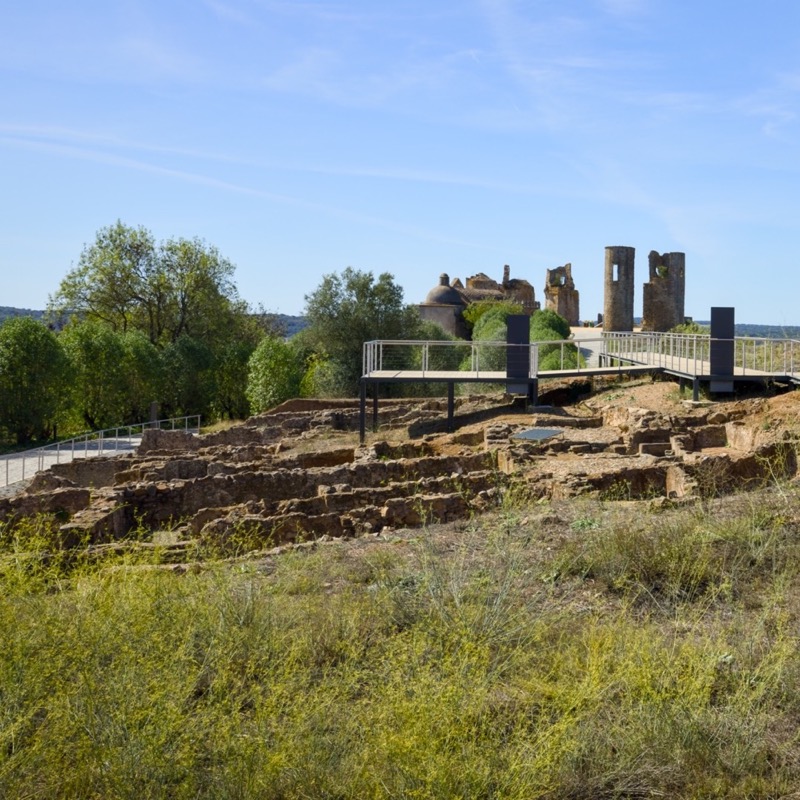
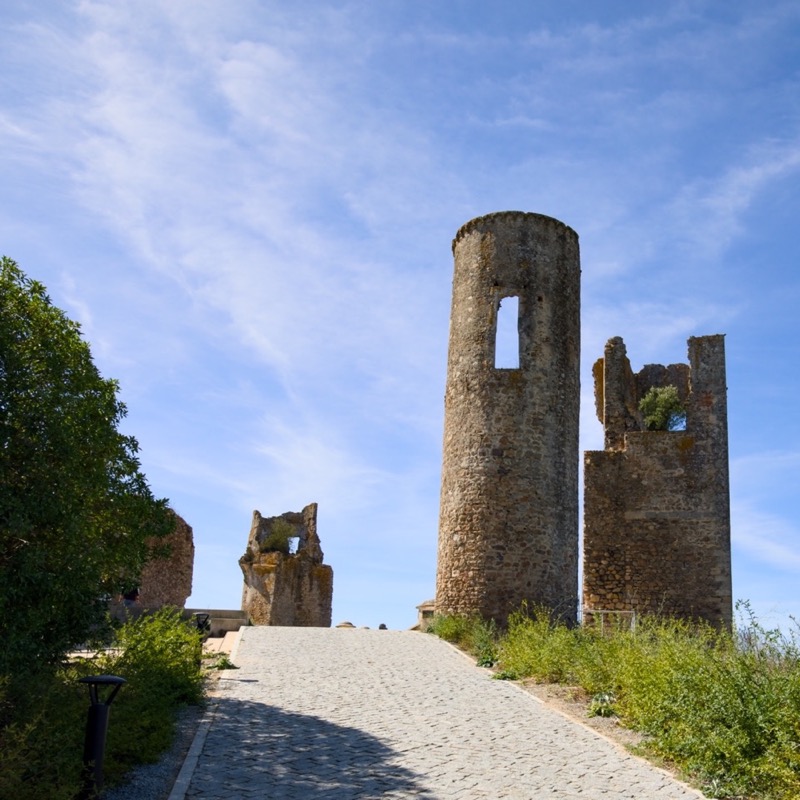
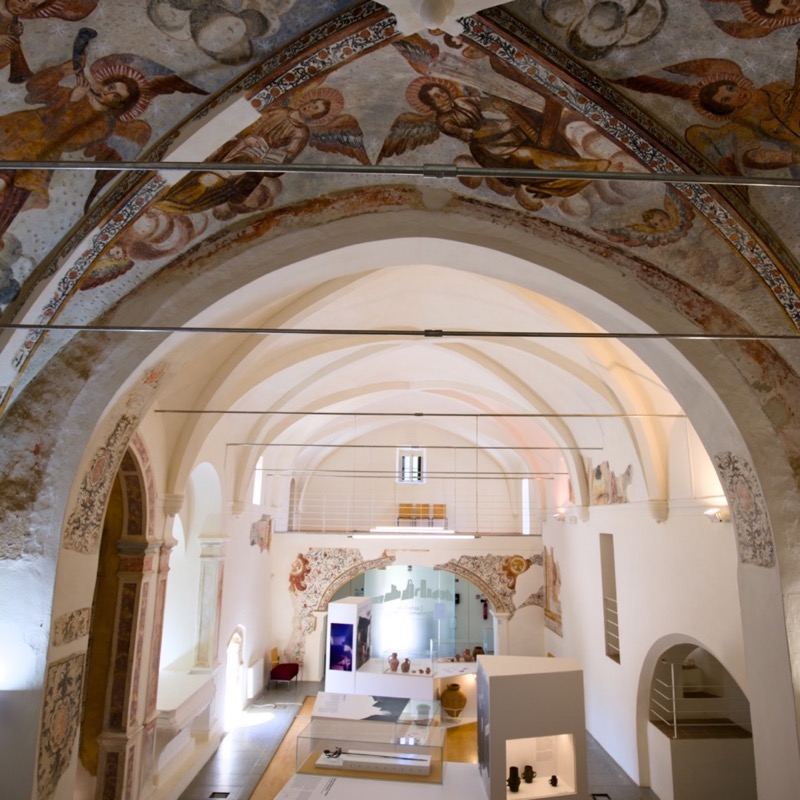
Montemor-o-Novo Castle has typical medieval architecture, with elements from different periods and influences that reflect the various phases of construction and reconstruction. The remaining walls are imposing, with square and circular towers, some partially destroyed but still hinting at the original grandeur of the fortress. The wall once surrounded the entire medieval village, protecting its inhabitants and farmland. Inside the castle, visitors can find remnants of various structures, including the old keep and a cistern that provided water to the fortress. There are also ruins of churches, such as the Church of Santiago, and a series of civil and religious buildings that attest to the importance of the town in the medieval context. The castle gates, especially the Porta da Vila, are still impressive due to their robustness and beauty. This gate is the main entrance to the walled enclosure and is well-preserved, showcasing Gothic and Manueline architectural details.

More context

Visiting Montemor-o-Novo Castle is like stepping back in time. Walking through the ruins, visitors can explore the walls and towers, some of which are still accessible, offering magnificent views over the town and surrounding landscape. The Church of Santiago, inside the compound, is worth a visit despite being in ruins, as it still holds interesting architectural details. In addition to the castle, the town of Montemor-o-Novo offers a variety of attractions, such as the Convent of São Domingos and the Church of São João de Deus. Strolling through the town’s historic streets is a must, revealing the typical beauty and tranquillity of the Alentejo. The panoramic view from the castle walls is spectacular, especially at sunset when the golden light illuminates the Alentejo plains.

Gallery

Castelo de Montemor-O-Novo 1
Castelo de Montemor-O-Novo 2
Castelo de Montemor-O-Novo 3
Castelo de Montemor-O-Novo 4
Castelo de Montemor-O-Novo 5

Nearby places

View all