

Sintra · Lisboa
Castelo dos Mouros
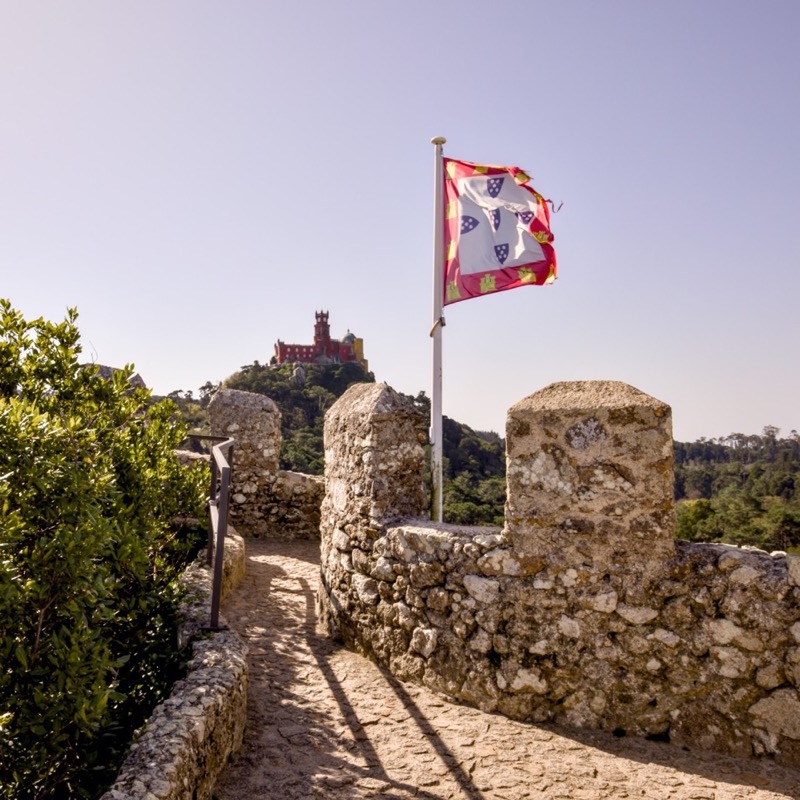
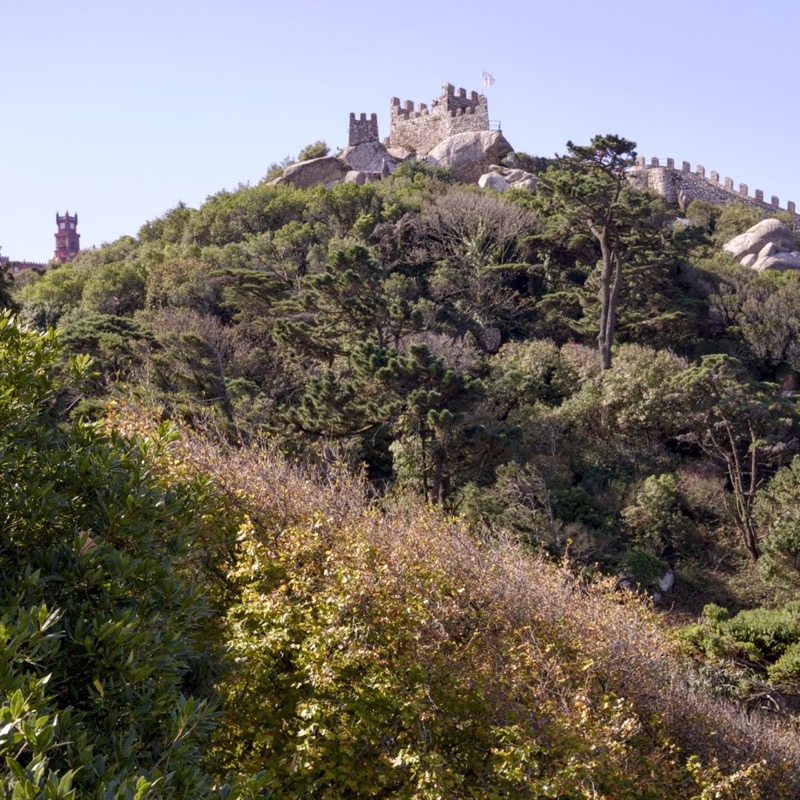
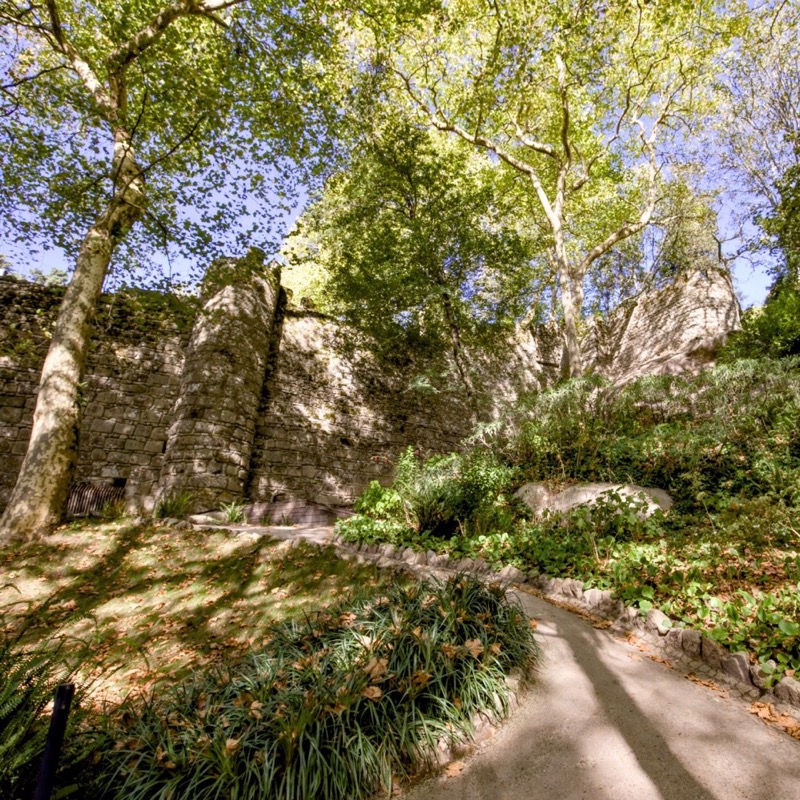
On one of the peaks of the Sintra Mountains, the Moorish Castle follows the rocky relief with granite walls that adapt to the mountain. The fortification, of Muslim foundation, dates back to the 10th century and occupied a strategic position in the defence of the territory of Sintra and the maritime approaches to Lisbon. Within and around the walls there was a settlement, today identified as the Islamic Quarter; silos carved into the rock can still be seen, used to preserve foodstuffs such as cereals. In 1147, after the conquest of Lisbon and Santarém, Sintra was handed over to King Afonso Henriques. With Christian settlement, the space gave way to a medieval village, which included the Church of São Pedro de Canaferrim. In the 19th century, King Fernando II promoted restoration works according to Romantic taste. Since 1995, it has formed part of the Cultural Landscape of Sintra, a UNESCO World Heritage Site.
Why it matters
The Castle of the Moors, perched on the slopes of the Sintra Mountains, is an impressive testament to Portugal's long and rich history. Built in the 9th century by the Moors, the castle served as a defensive fortress against Christian invaders. After the Christian reconquest in 1147 by King Afonso I, Portugal's first king, the castle fell into disuse but never lost its historical significance. The castle witnessed numerous events over the centuries, from battles to periods of abandonment. In the 19th century, during the Romantic period, King Ferdinand II ordered the restoration of the castle, transforming it into a place of contemplation and integration with the surrounding nature. This restoration was crucial in preserving the original structure and ensuring that the castle remained an integral part of Sintra's cultural landscape.
Architecture and history
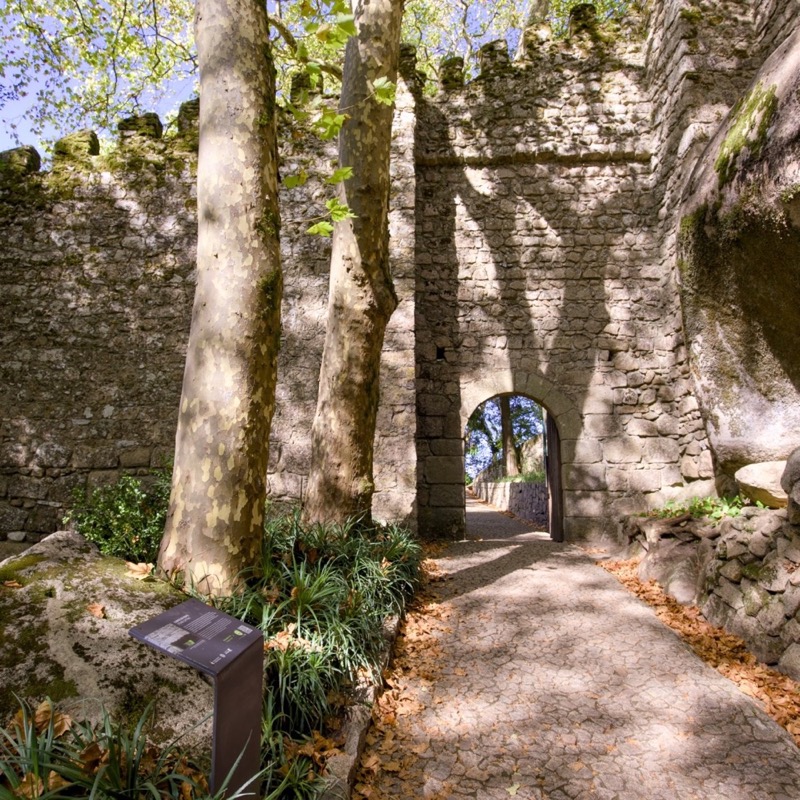
The Castle of the Moors features robust and functional architecture, typical of medieval fortresses. Its walls snake up the hill, offering breathtaking panoramic views of the surrounding region. The walls are punctuated by defensive towers and battlements, which served both for defence and surveillance. A notable feature is the castle's cistern, an ingenious water storage solution that ensured the survival of its inhabitants during sieges. The castle's architecture reflects the Moors' skill in constructing fortifications adapted to the rugged terrain of Sintra. The walls are built with local stones, and the construction technique reveals a blend of Muslim and Christian influences that overlapped over the years.
More context
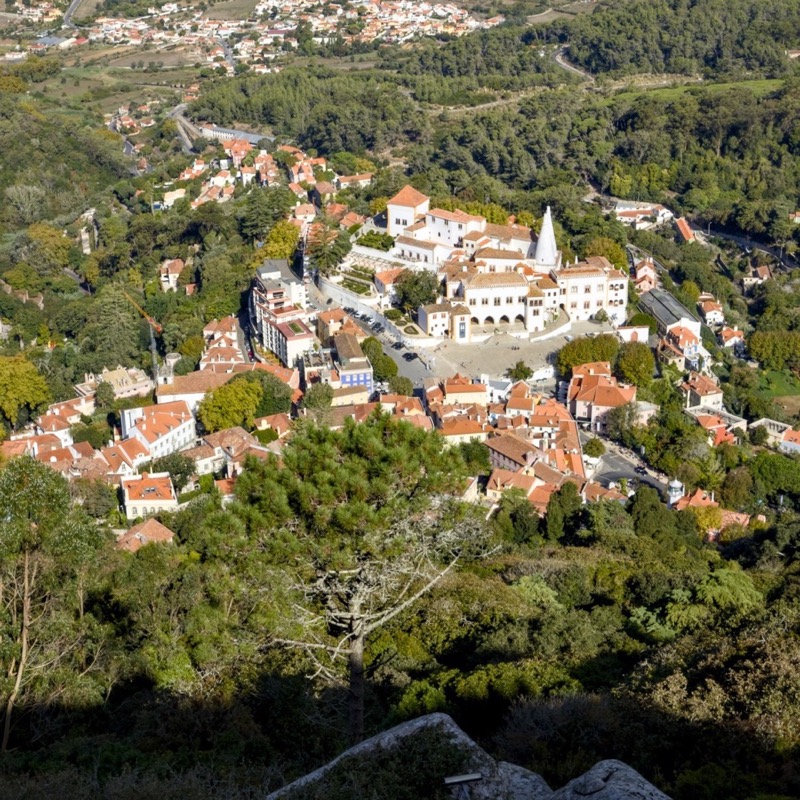
When visiting the Castle of the Moors, prepare for a unique experience that combines history, architecture, and nature. Start by exploring the castle walls, where you can walk along the ramparts and enjoy spectacular views of the town of Sintra, the National Palace of Pena, and the vast Atlantic Ocean. The towers offer prime observation points that provide a sense of time travel. Be sure to visit the cistern, an impressive engineering feat that highlights the importance of water for survival in the castle. The ruins of the old dwellings are also worth attention, offering a glimpse into the daily lives of medieval inhabitants. Beyond the castle itself, the surrounding natural environment is simply stunning. The trails leading to the castle are surrounded by lush vegetation, characteristic of the Sintra Mountains. This harmonious integration of architecture and nature is one of the most enchanting aspects of a visit to the Castle of the Moors. For a complete experience, combine your visit to the Castle of the Moors with an exploration of other Sintra landmarks such as the Pena National Palace and the Quinta da Regaleira. This combination allows for a deeper understanding of the region's cultural and historical richness.
Gallery