Porto · Porto
Igreja e Museu de São Francisco
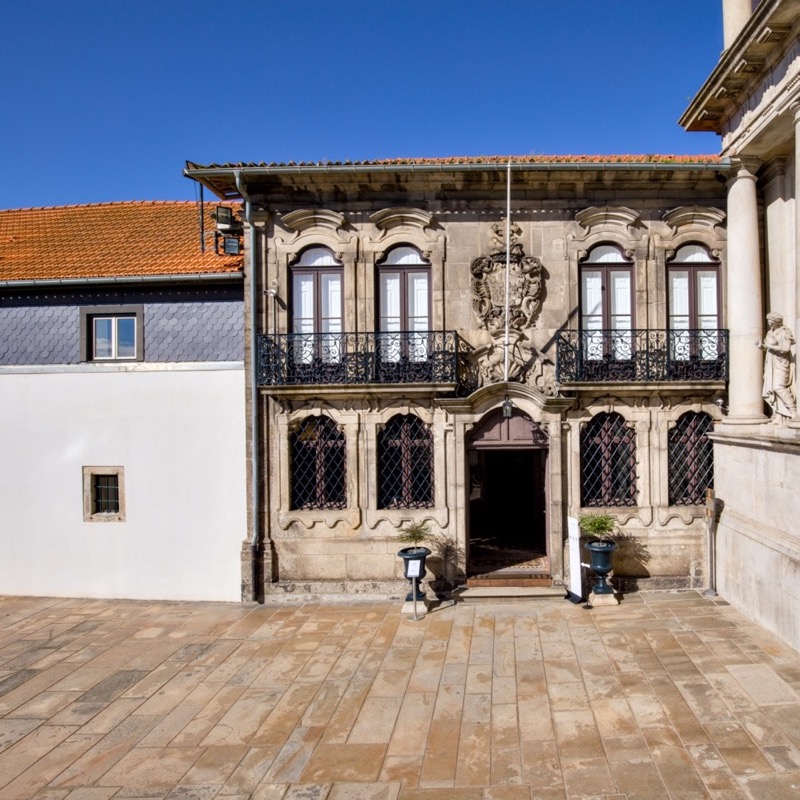
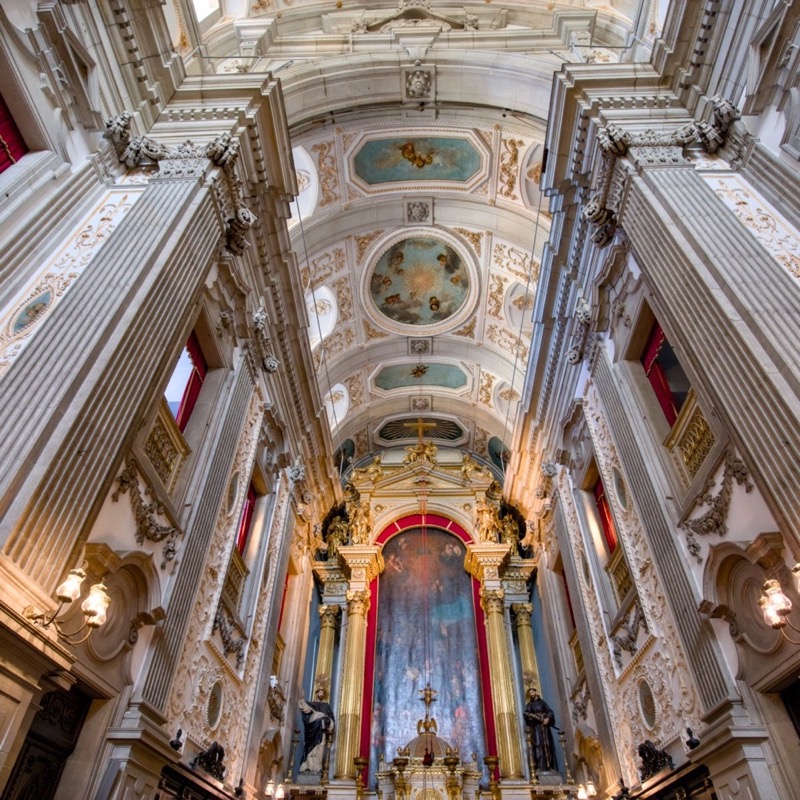
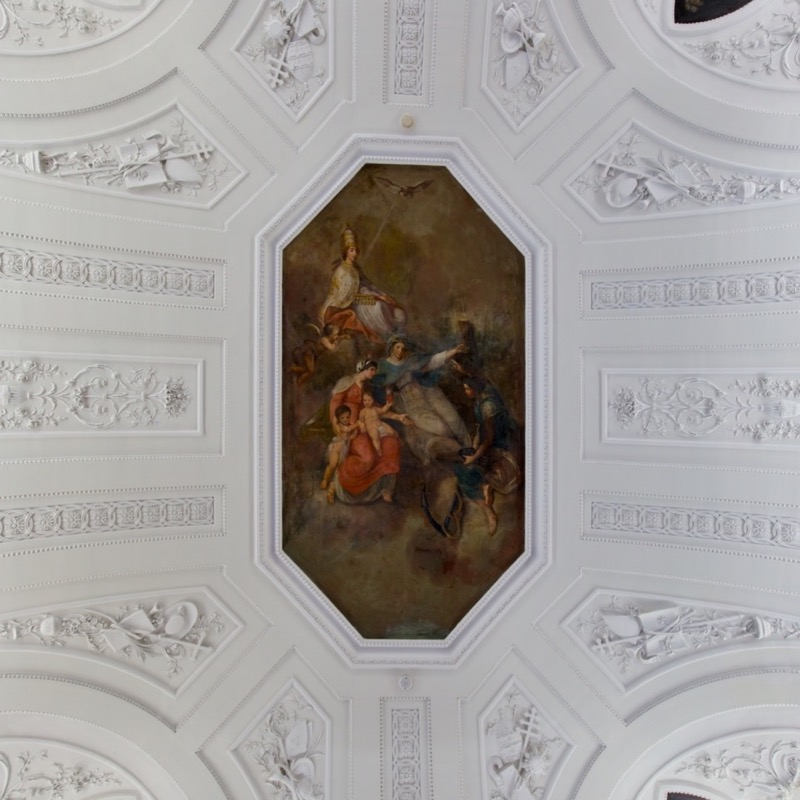
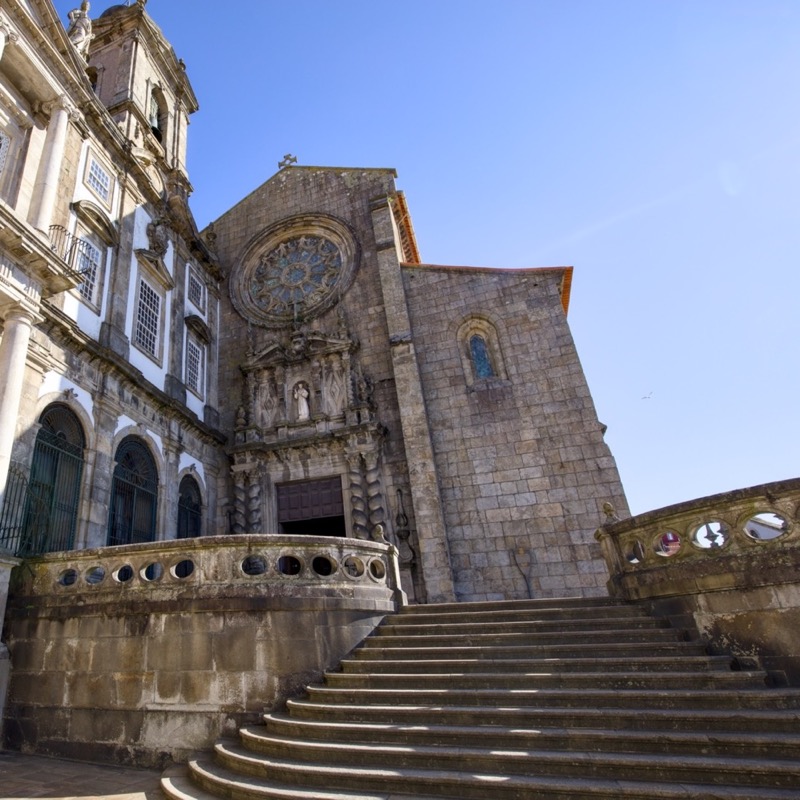
The Igreja e Museu de São Francisco are located on Rua da Bolsa, in Porto’s historic heart. The Church of the Convent of São Francisco, classified as a National Monument since 1910, began to be built in 1383, linked to the Franciscan presence in the city. Its Gothic architecture, with three naves, received over the centuries an interior decoration of great intensity, marked by Baroque gilded woodcarving from the 17th and 18th centuries. This contrast between the sobriety of the medieval structure and the ornamental brilliance is one of the ensemble’s strongest features. Among the works, the mural painting of Senhora da Rosa and the Tree of Jesse altarpiece stand out. The museum route continues in the Casa do Despacho, designed by Nicolau Nasoni and completed in 1749, with the Treasury Room, the Sessions Room and the Catacomb Cemetery. Stone, gold and funerary memory reveal here several layers of Porto’s religious and artistic history.
Why it matters
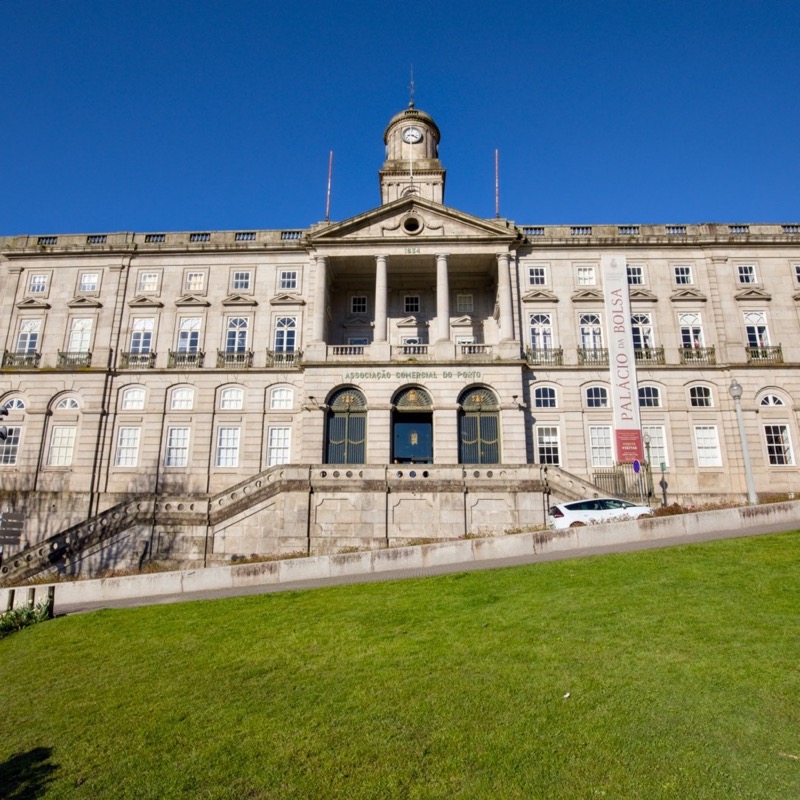
The Church of São Francisco, located in the heart of Porto’s historic centre, is one of the city’s most striking examples of religious and artistic heritage. Construction began in the 14th century, during the reign of King Ferdinand I, on the foundations of an earlier Franciscan church from the 13th century. Built as part of the convent of the Order of Friars Minor, established in the city since 1223, the church embodied the ideals of Franciscan austerity and simplicity. Over the centuries, it gained importance among Porto’s elite, who financed the construction of funerary chapels and lavish interior decorations. In the 18th century, the church underwent a dramatic transformation, with the addition of richly carved and gilded woodwork that came to cover nearly all of its interior surfaces. This Baroque embellishment marked a shift from the original Gothic sobriety to a style of visual and spiritual opulence. The adjoining convent was heavily damaged during the Siege of Porto in 1833, and the site was later occupied by the Palácio da Bolsa.
Architecture and history
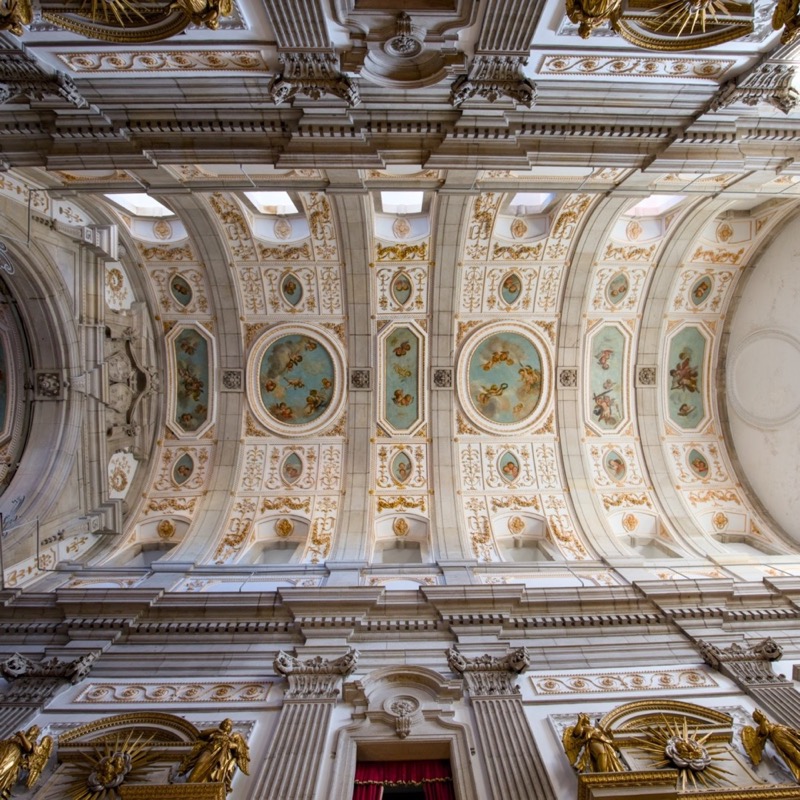
The exterior of the Church of São Francisco retains much of its original Gothic appearance, including a finely sculpted rose window and a southern portal facing the river, adorned with Mudéjar-inspired decorations. The architectural austerity of the exterior contrasts dramatically with the interior, which features one of the most extraordinary collections of Baroque gilded woodwork in Portugal. Columns, arches, vaults and altars are richly decorated, creating a dazzling effect of light and texture. Among the highlights is the Tree of Jesse altarpiece, considered a masterpiece of Portuguese Baroque sculpture. Created by Filipe da Silva and António Gomes in the early 18th century, this intricate work depicts the genealogy of Christ and is celebrated for its dramatic composition and fine detail. The harmonious integration of Gothic structure with Baroque decoration gives the church a unique and captivating character.
More context
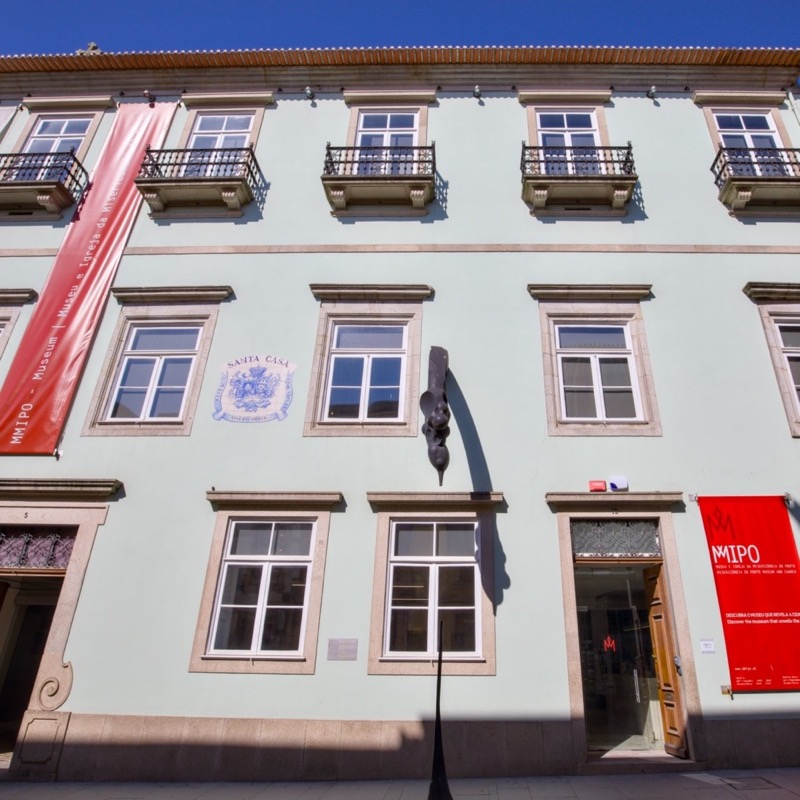
A visit to the Church of São Francisco provides an immersive journey through centuries of faith, art and history. The interior is a spectacle of gilded splendour, inviting reflection and admiration. The Tree of Jesse altarpiece is a central highlight, but the side chapels also offer richly adorned spaces, each bearing the mark of noble families who sponsored their construction. Adjacent to the church is the Museum of the Venerable Third Order of Saint Francis, housed in the former convent buildings. The museum broadens the experience with a collection of religious artefacts, liturgical vestments, sculptures and archival documents that shed light on the life and work of the Franciscan order. One of the most evocative parts of the visit is the descent into the catacombs, where members of the order and local benefactors were buried until the mid-19th century. These subterranean chambers invite contemplation and provide insight into historical burial customs. Together, the church and museum form a deeply enriching cultural and spiritual site in Porto.
Routes
Explore this place in a cultural route
Gallery