Porto · Porto
Casa do Infante
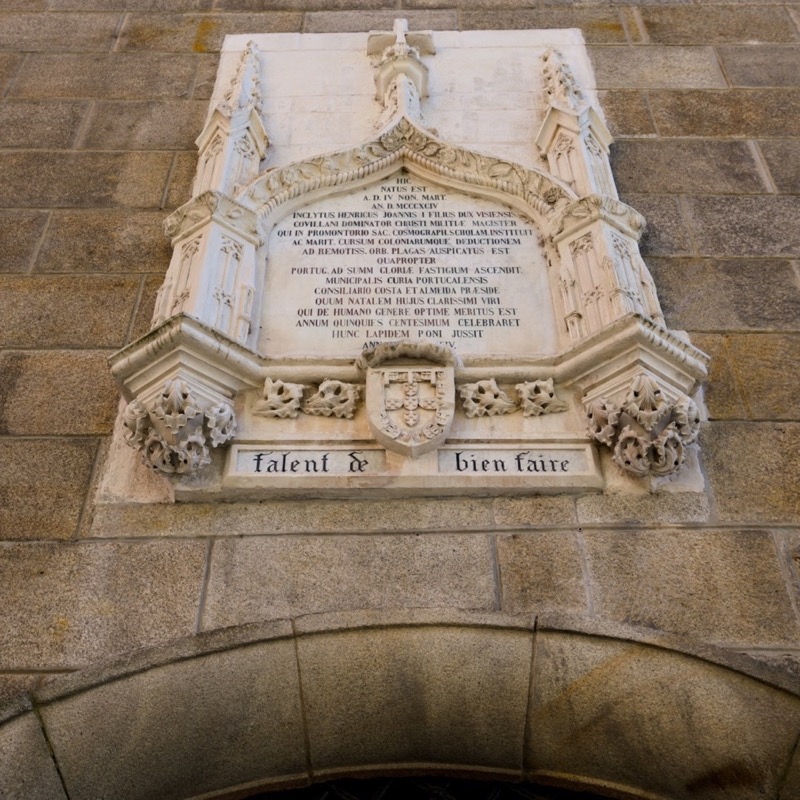
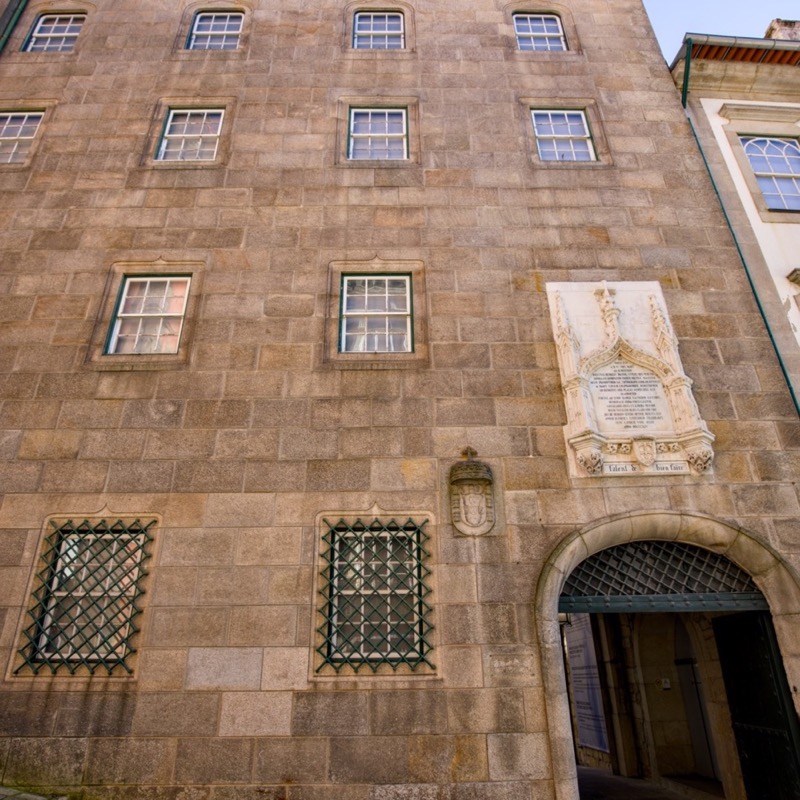
Casa do Infante is located on Rua da Alfândega, in Porto’s riverside area. Also known as Casa da Rua da Alfândega Velha, it is one of the city’s oldest buildings and preserves the memory of royal services installed beside the Douro. Over the centuries, it housed the former Customs House, the Mint and functions connected to the administration of the Crown. Its name became associated with the tradition that Prince Henry the Navigator was born here in 1394. Classified as a National Monument since 1924, the house reveals a history built in layers: medieval structures, later enlargements and archaeological remains of Roman occupation, including mosaic floors. Today it forms part of the Museu do Porto and contains permanent exhibitions, the Gabinete do Tempo and the Municipal Historical Archive. Between stone, documents and excavated ruins, the building brings together trade, royal power and urban memory.
Why it matters
The Casa do Infante is one of the oldest and most iconic buildings in Porto, located on Rua da Alfândega Velha, in the city’s historic district. Its origins date back to 1325, when King Afonso IV ordered the construction of a royal customs house to centralise the collection of taxes on goods arriving via the Douro River. From its inception, the building played a central role in the city’s commercial and fiscal activity, closely tied to royal authority. Tradition holds that Prince Henry the Navigator was born here in 1394, although this fact is not officially documented. Over the centuries, the Casa do Infante served a variety of purposes, including operating as the Royal Mint and hosting official visits by members of the royal family. In recognition of its historical and symbolic value, it was classified as a National Monument in 1924.
Architecture and history
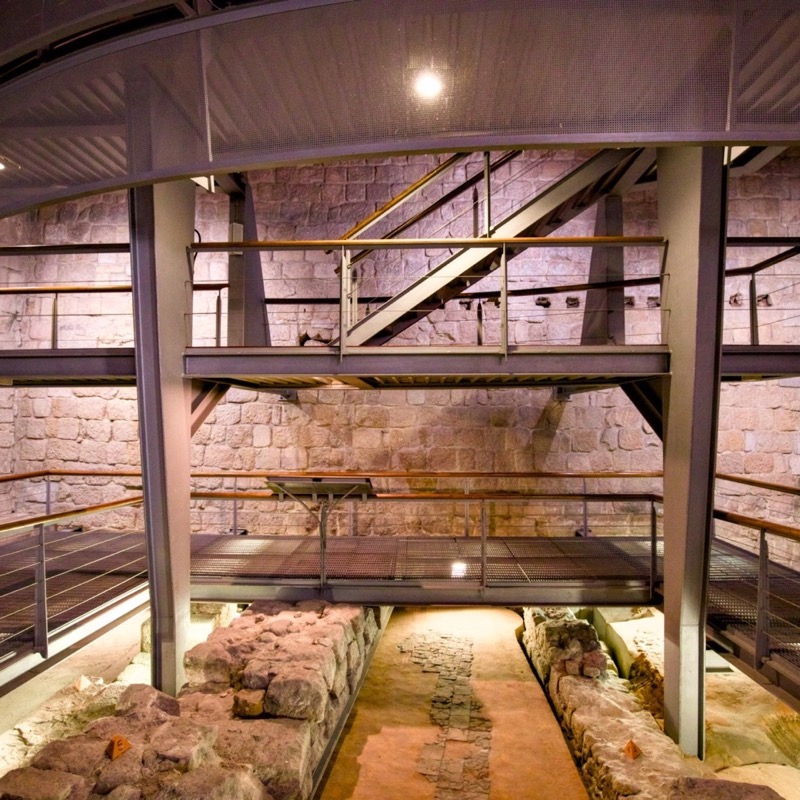
The original medieval structure featured two tall towers and a central courtyard, typical of administrative buildings from that era. Significant changes occurred over the centuries, particularly in the 17th century, when the facade was extended to the street and the upper towers were replaced by broader covered spaces. These modifications adapted the building to new functions while altering its original profile. Archaeological excavations in the 1990s revealed important remnants of earlier occupations, including Roman structures with polychrome mosaic floors. These findings underscore the long-standing significance of the site, which has witnessed continuous urban development since ancient times. The coexistence of medieval, early modern, and Roman elements makes the Casa do Infante a fascinating example of architectural and historical layering.
More context
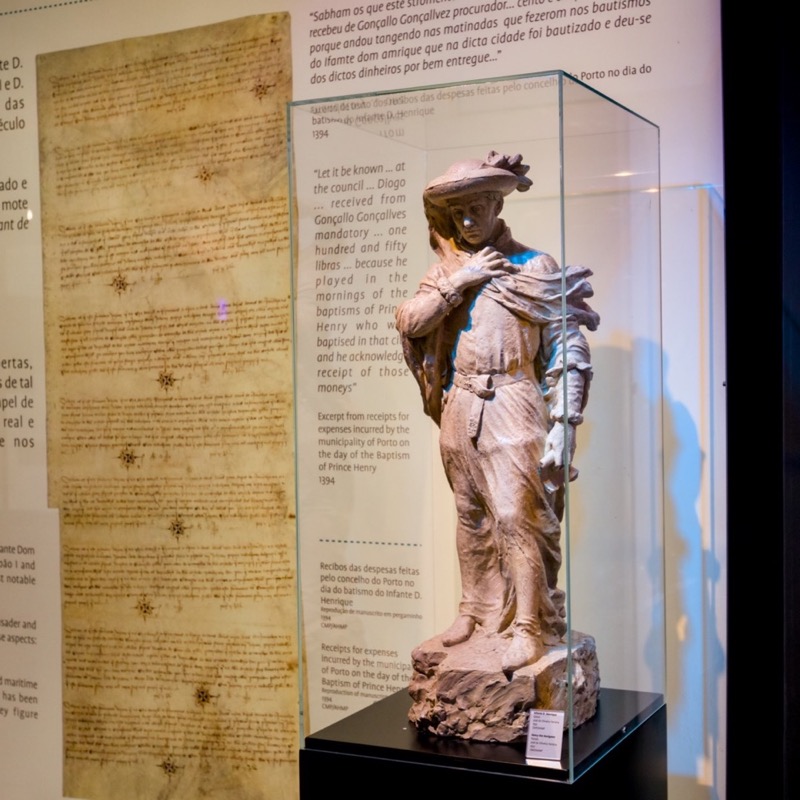
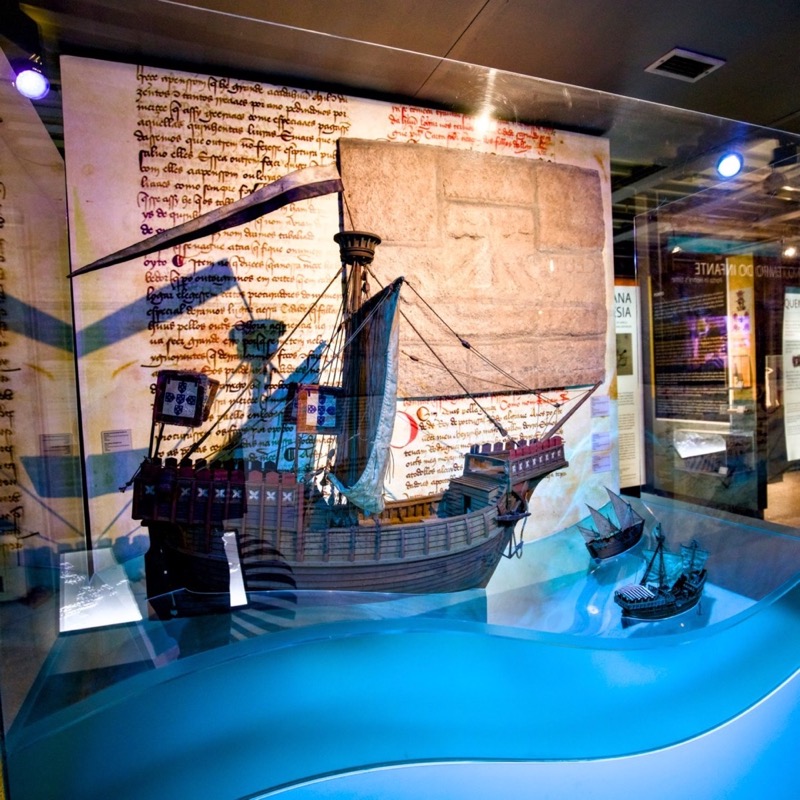
Today, the Casa do Infante houses the Museum of the City, offering a unique opportunity to explore Porto’s historical and urban development. The exhibitions guide visitors through the city’s timeline, from Roman times to the present day. Inside the building, several archaeological remains are displayed in situ, including colourful Roman mosaics that reflect the site’s ancient heritage. The museum’s permanent displays cover subjects such as the history of the customs house, the Royal Mint, Prince Henry the Navigator, and the vital role of river commerce in shaping the city. In addition to its museum function, the Casa do Infante is home to the Porto Municipal Historical Archive, which preserves thousands of documents essential for understanding the city’s past. Visiting this site offers deep insight into Porto’s identity and is a must-see for anyone wishing to connect with the city’s roots.
Routes
Explore this place in a cultural route
Gallery