Museu de História Natural de Sintra

Sintra · Lisboa

Museu de História Natural de Sintra

MuseumXXCivil Architecture
Rua Paço 20, 2710-602 Sintra4.5 Rating · 36045 min

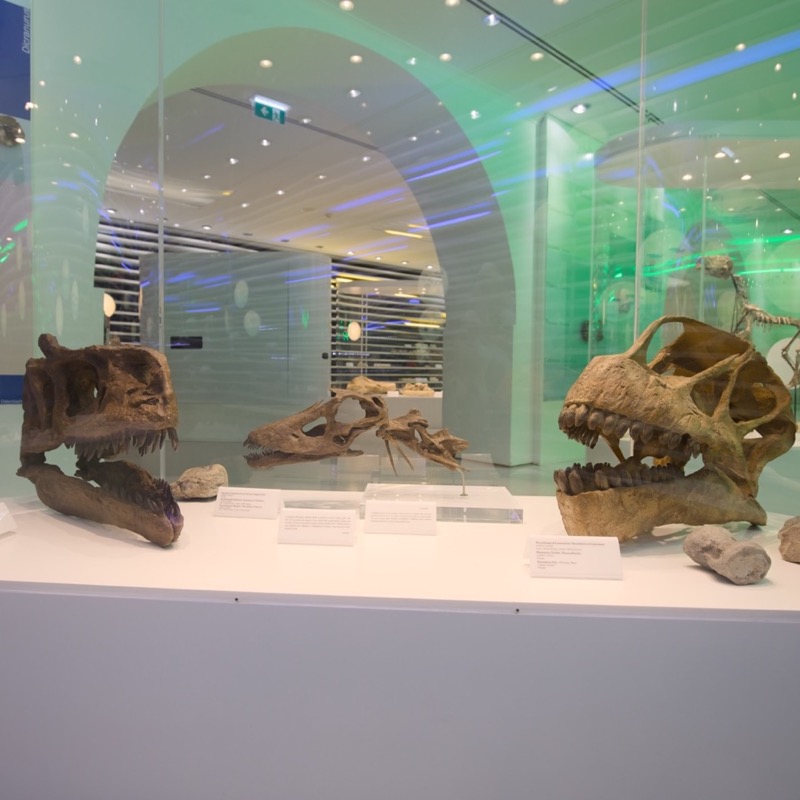
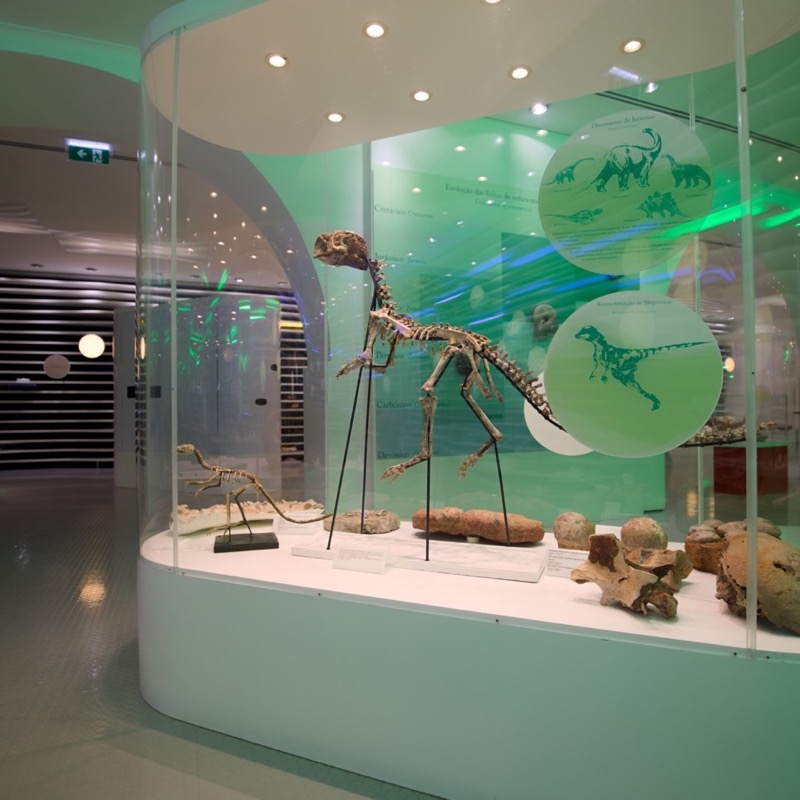
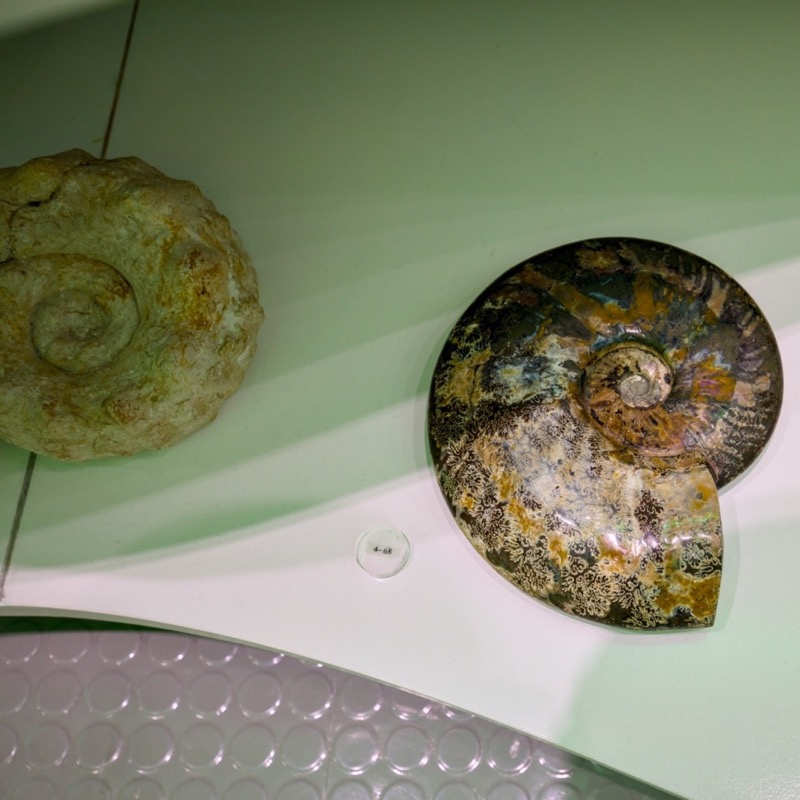
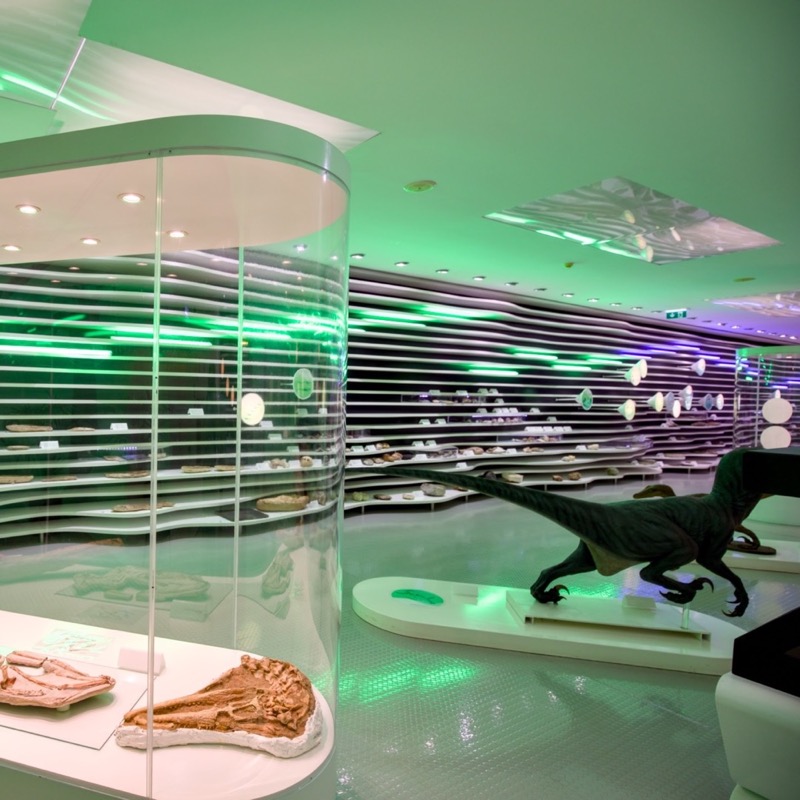
The Museu de História Natural de Sintra is located on Rua do Paço, in the Historic Centre of Sintra’s Old Town, in a building dating from 1893. Inaugurated on 1 August 2009, it grew out of the collection assembled over around 50 years by Miguel Barbosa and his wife, Fernanda Barbosa, later donated to the Municipality of Sintra. The long-term exhibition follows the formation of the Earth and the evolution of life, from the Precambrian to the Quaternary, through the municipal collections of palaeontology, mineralogy, malacology and petrography. Among fossils, minerals, shells, rocks and meteorites, the museum displays pieces from different continents. One of its most relevant elements is the type specimen of a pterosaur whose scientific name honours Miguel Barbosa. Small in urban scale, the museum opens in Sintra an unexpected window onto the deep history of the planet.

Why it matters

The Sintra Natural History Museum is located in the heart of Sintra's Old Town Historic Centre, on Rua do Paço, in a 19th-century building dating back to 1893. Its origins trace back to the private collection of Miguel Barbosa and his wife, Fernanda Barbosa, who, over approximately 50 years, amassed a remarkable array of fossils of immeasurable cultural and scientific value. In 2009, this collection was donated to the municipality of Sintra, leading to the museum's inauguration on August 1st of that year.

Architecture and history

The building housing the museum is a typical example of 19th-century Sintra architecture, featuring a modest facade and simple lines that harmoniously blend into the historic urban fabric. Inside, the space has been adapted to host exhibitions, retaining original elements that lend authenticity to the environment. The layout of the rooms and the use of traditional materials reflect a commitment to preserving the building's historical identity while providing suitable conditions for the display and conservation of the exhibits.

More context

The museum offers visitors a permanent exhibition that traces the Earth's evolution from the Precambrian to the Quaternary period, illustrated by a vast collection of fossils, minerals, shells, and rocks. A highlight is the holotype Barbosannia gracillirostris, a new species and genus of pterosaur, whose scientific name honors Miguel Barbosa. Additionally, the museum showcases a rare fossil of a flying reptile from the species Braseodactylus sp., the only known complete specimen worldwide, originating from Chapada do Araripe in Brazil. Visitors can also view fragments of the Nantan meteorite, which fell in China in the 16th century, and fossilized dinosaur eggs from the Gobi Desert. The museum also features a temporary exhibition room, a laboratory for studying the pieces, and a specialized library, enriching the cultural and educational experience for its visitors.

Gallery

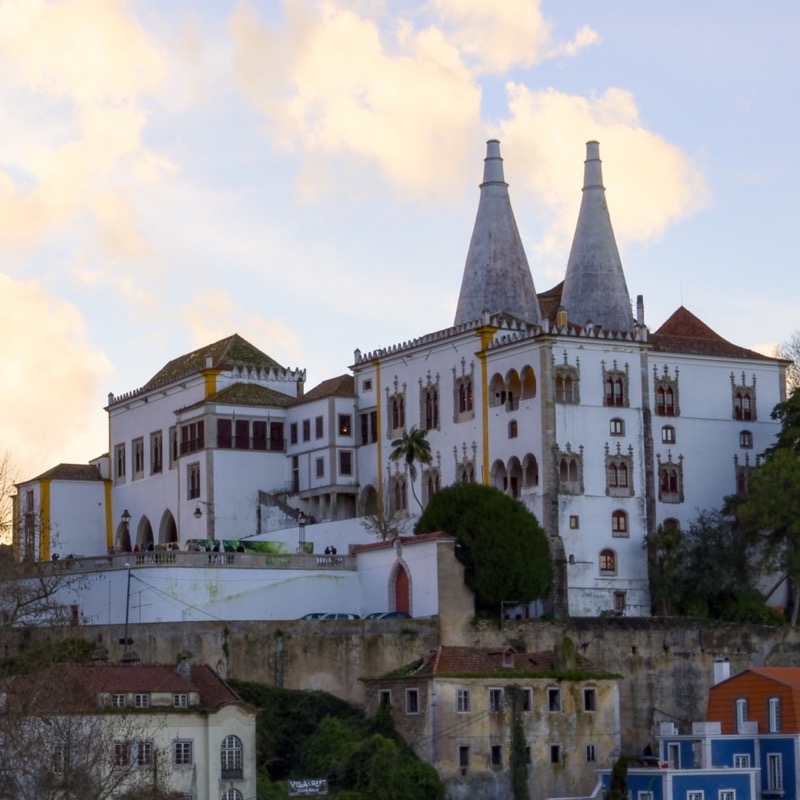
Museu de História Natural de Sintra 1
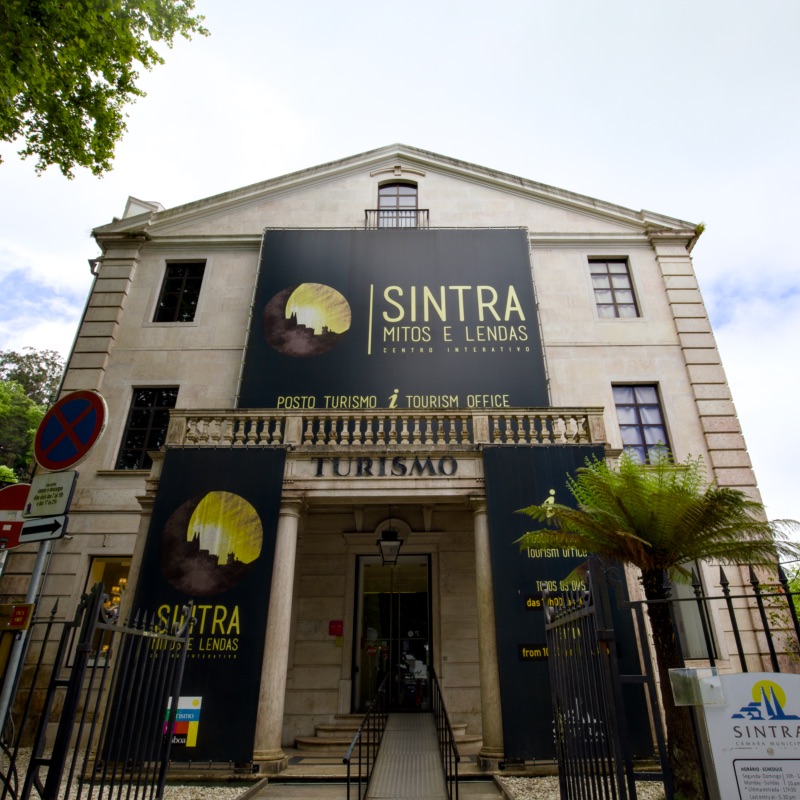
Museu de História Natural de Sintra 2
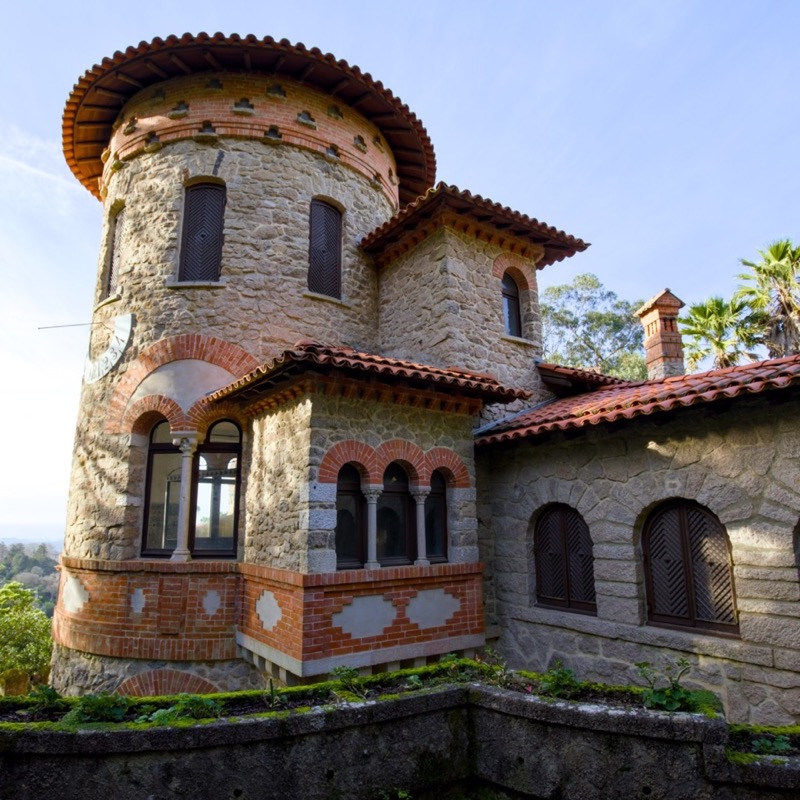
Museu de História Natural de Sintra 3
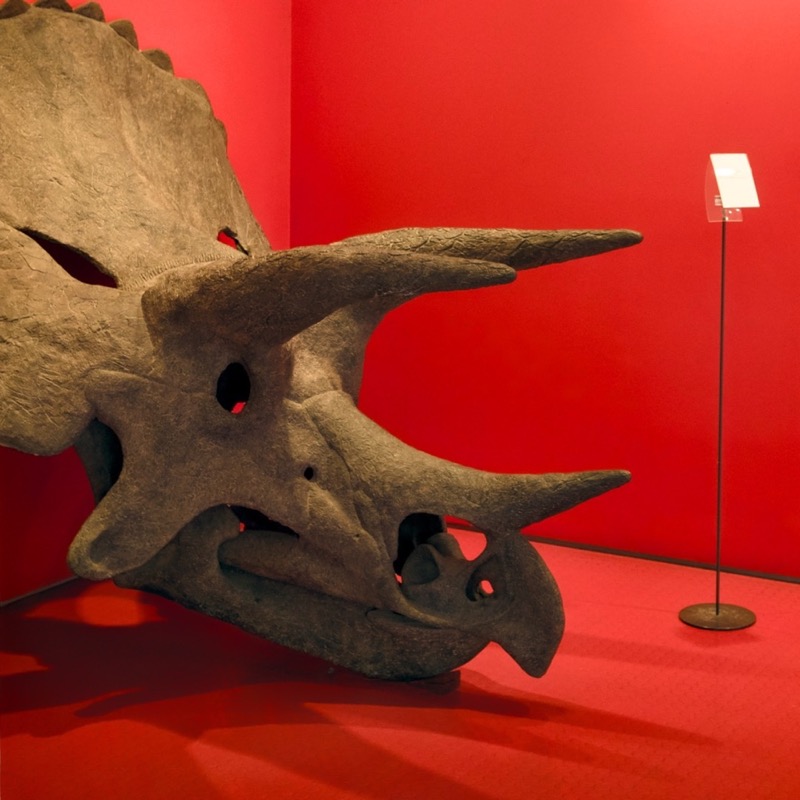
Museu de História Natural de Sintra 4
Museu de História Natural de Sintra 5

Nearby places

View all