Faro areas

Faro

Silves

2 places in Faro.

Map
CastleMuseum
Castelo de Silves4.4

Castelo de Silves

Castle • Silves, Faro

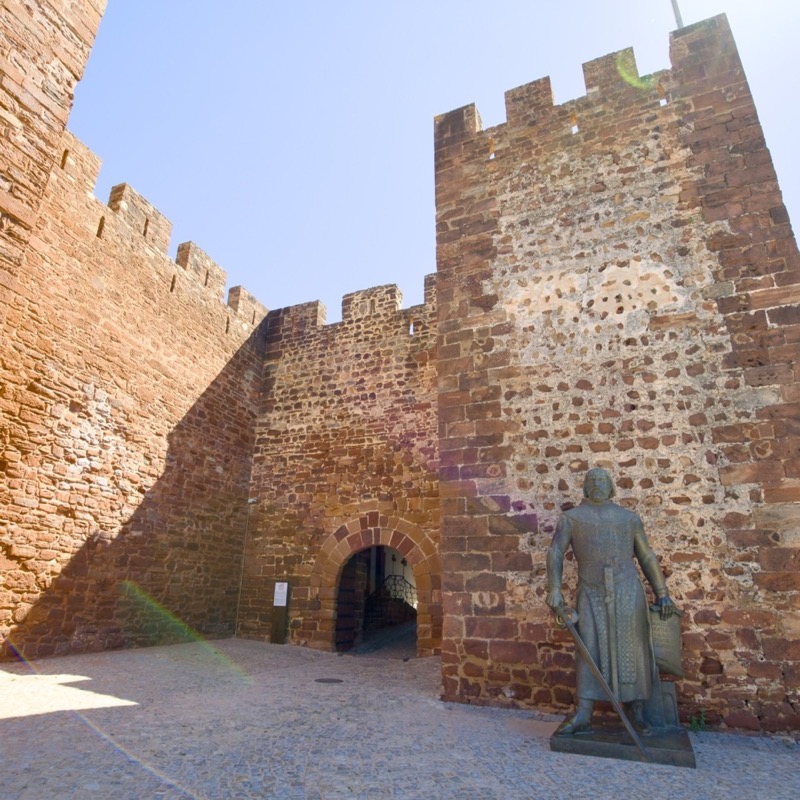
At the top of Silves, the Castle preserves the most visible presence of the former Islamic city. Classified as a National Monument since 1910, it is presented by Património Cultural as one of the principal Muslim fortifications in Portuguese territory. Its construction dates back to the beginnings of Islamic rule in the Peninsula, with archaeological finds dated to the 8th and 9th centuries; in the 11th century, when Silves gained great importance and was the capital of a taifa under Al-Mutamid, the general layout of the enclosure was established. The alcazaba, built in military rammed earth faced with Silves sandstone, has an irregular plan and eleven quadrangular towers, two of them albarrã towers. Inside, the Cisterna da Moura, dated to the 11th century, stands out for its scale: it covers around 820 square metres and rises to a height of ten metres. The reddish walls, wall-walks and archaeological remains allow medieval Silves to be read in stone.
Museu Municipal de Arqueologia de Silves4.4

Museu Municipal de Arqueologia de Silves

Museum • Silves, Faro

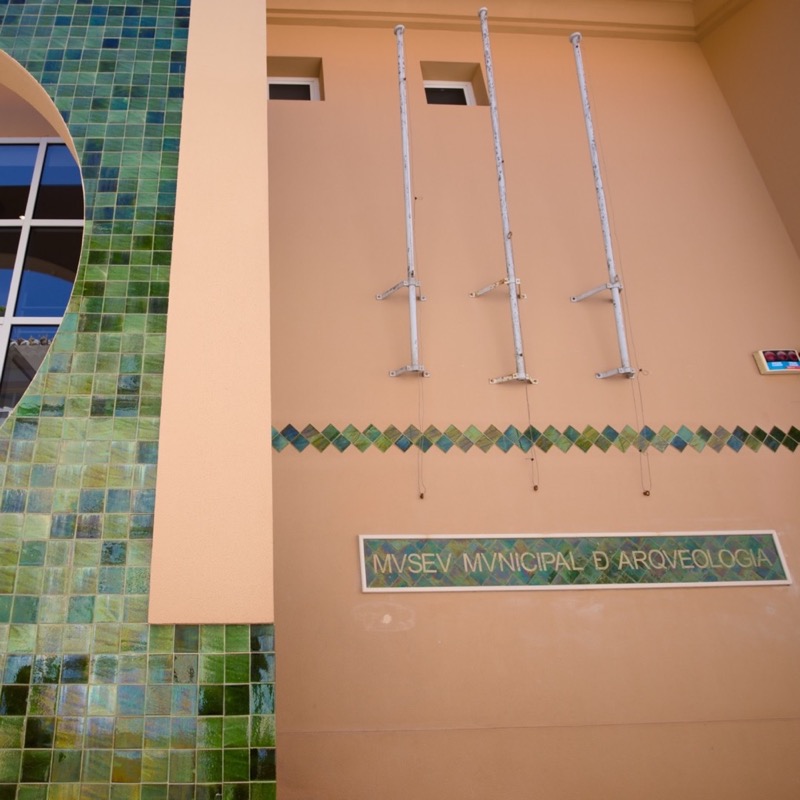
In the historic centre of Silves, the Municipal Archaeology Museum organises the city’s memory around an exceptional feature: the Arab Well-Cistern, classified as a National Monument. Identified in late 1979, this Almohad well-cistern, built between the end of the 12th century and the beginning of the 13th, was integrated into the museum route, inaugurated in 1990. Its circular structure descends more than eighteen metres and is accompanied by a spiral staircase, with windows opened at different heights to provide access to the water. The building also incorporates, on its southern elevation, a section of the Almedina wall, from the 12th century. The exhibition traces the history of the Silves territory from prehistory to the 18th century, with particular emphasis on Islamic materials collected during decades of excavations in the city. Here, archaeology and architecture make Silves’ long continuity visible.