LxDiscover
ExploreMapRoutesRegionsAbout
Get the app

Map · 3 / 203

Explore the map

Regions:
Castelo de Mertola4.5

Castelo de Mertola

Castle • Mértola, Beja

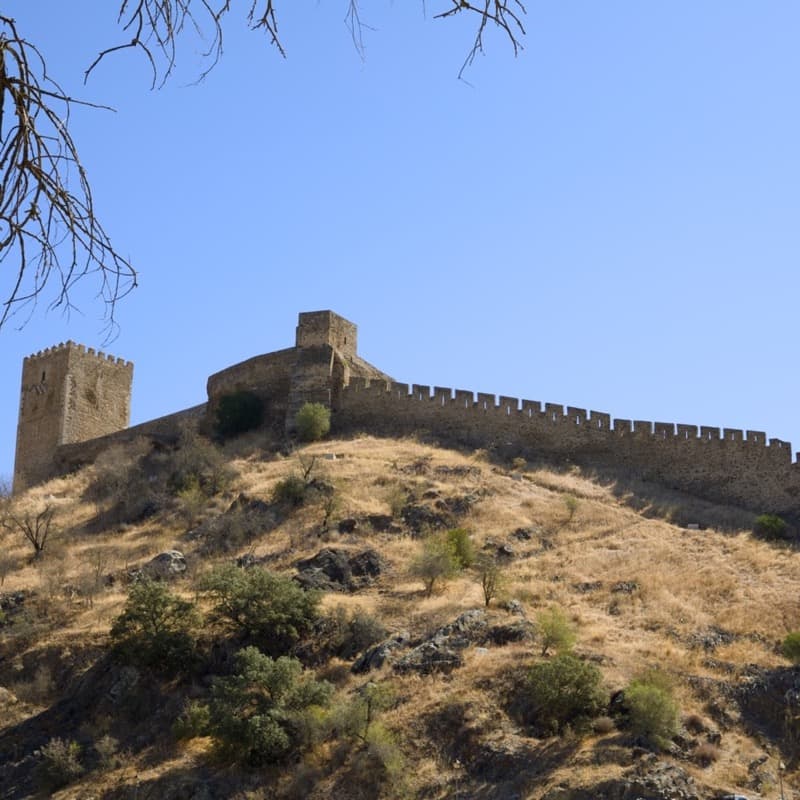
On the rocky height where the Oeiras stream meets the Guadiana, Mértola Castle preserves the defensive memory of a town shaped by the river. The beginnings of the fortification belong to the Islamic period, when Mértola was an important river port between Mérida and the Atlantic. In 1238, the knights of Santiago conquered the city and chose it as the seat of the Order in Portugal, a status it kept until 1316. The castle’s Gothic work is generally dated to 1292, the year inscribed on the Keep, built under the patronage of D. João Fernandes, master of Santiago. The fortress has a quadrangular, slightly trapezoidal plan, with towers at the corners, and the Keep rises to almost 30 metres. In the alcazaba, excavations begun in 1978 revealed a Late Medieval necropolis, an Islamic quarter and a palaeo-Christian religious complex. The castle has been a National Monument since 1951.
Castelo de Serpa4.5

Castelo de Serpa

Castle • Serpa, Beja

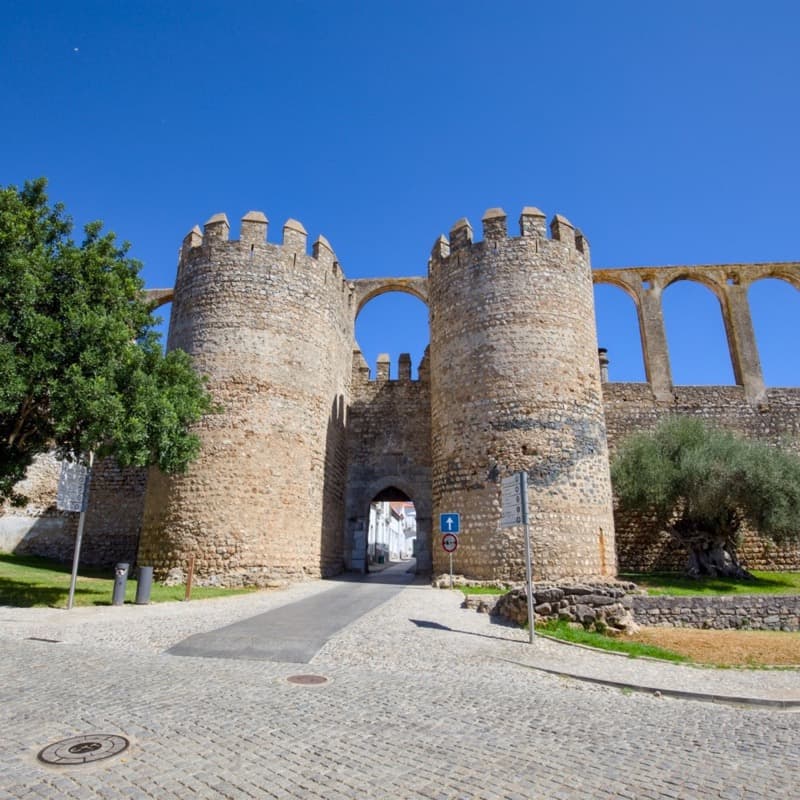
In the historic centre of Serpa, the castle and urban walls form one of the strongest defensive presences in the Baixo Alentejo. The first documented fortification on this site was Islamic, predating the Christian conquest of the town, and part of the alcazaba reused rammed-earth structures from that period. The major remodelling of the walls and the reconstruction of the castle were ordered by King Dinis from 1295, when Serpa was asserting itself as a frontier stronghold. The medieval enclosure surrounded the Church of Santa Maria and the present Clock Tower, within an oval-shaped wall strengthened by turrets and battlements. Among the original entrances, the Beja Gate and the Moura Gate stand out, still marked by towers. Along one stretch of the wall runs the aqueduct linked to the Palace of the Counts of Ficalho. Classified as a National Monument since 1954, the complex preserves the memory of a town shaped by defence, the frontier and time.

Castelo de Beja4.5

Castelo de Beja

Castle • Beja, Beja

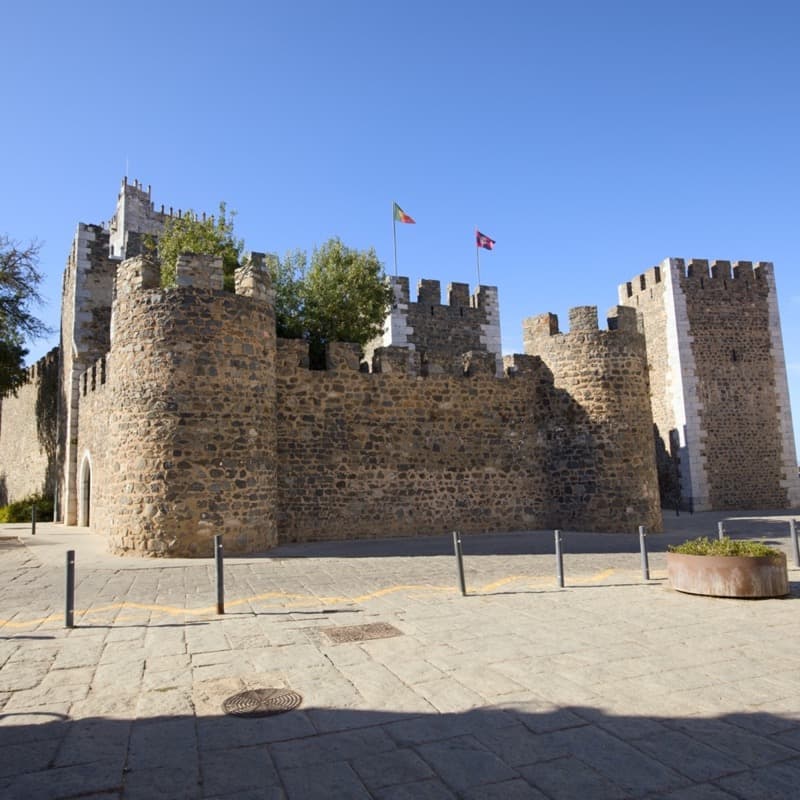
In the centre of Beja, Beja Castle rises above the vast plain of the Baixo Alentejo and gathers the city’s defensive memory. The monument, classified as a National Monument since 1910, was rebuilt during the reign of King Afonso III; the works continued in the time of King Dinis and, in 1372, King Fernando was still ordering interventions in the fortress. From the Afonso-Dinis alcazaba stands out the Keep, quadrangular and robust, built during the reign of King Dinis. Almost forty metres high, it is organised in three levels and crowned by a broad balcony resting on machicolations, above which run battlements. The urban wall was more extensive: it included more than forty towers and gates such as those of Évora, Mértola, Avis and Aljustrel. Between walls, wall-walks and pale stone, the castle conveys Beja’s former strategic importance.