Castelo de Mertola

Mértola · Beja

Castelo de Mertola

CastleIXMilitary Architecture
Castelo de Mértola, 7750-338 Mértola4.5 Rating · 2,61680 min

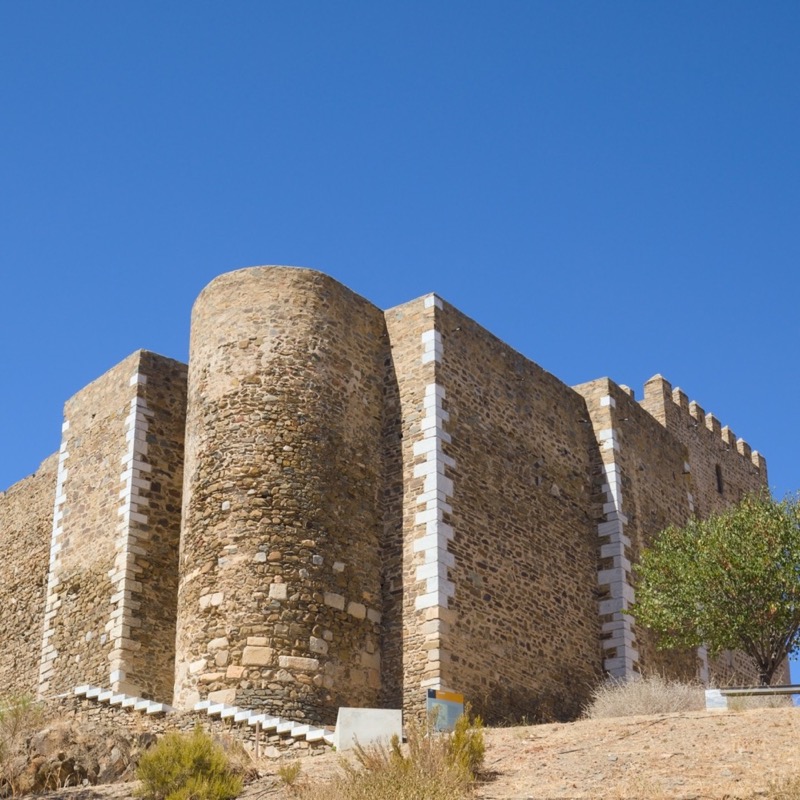
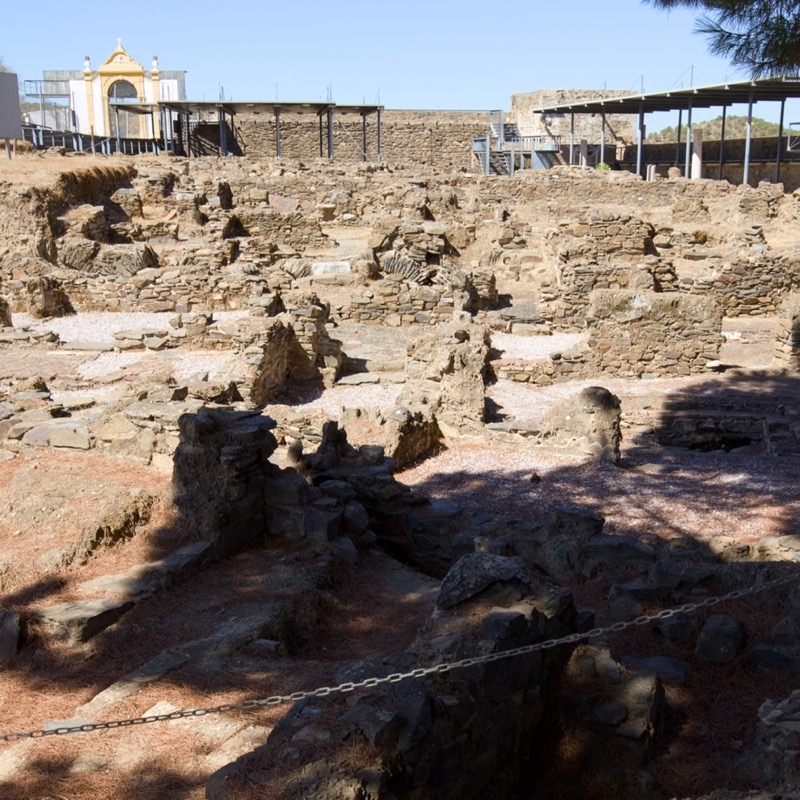
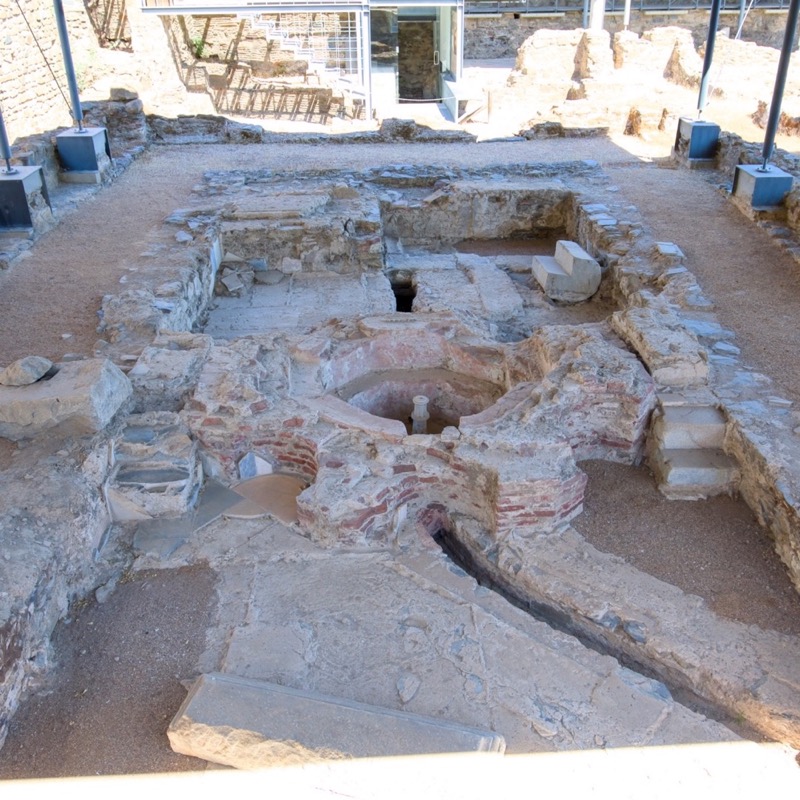
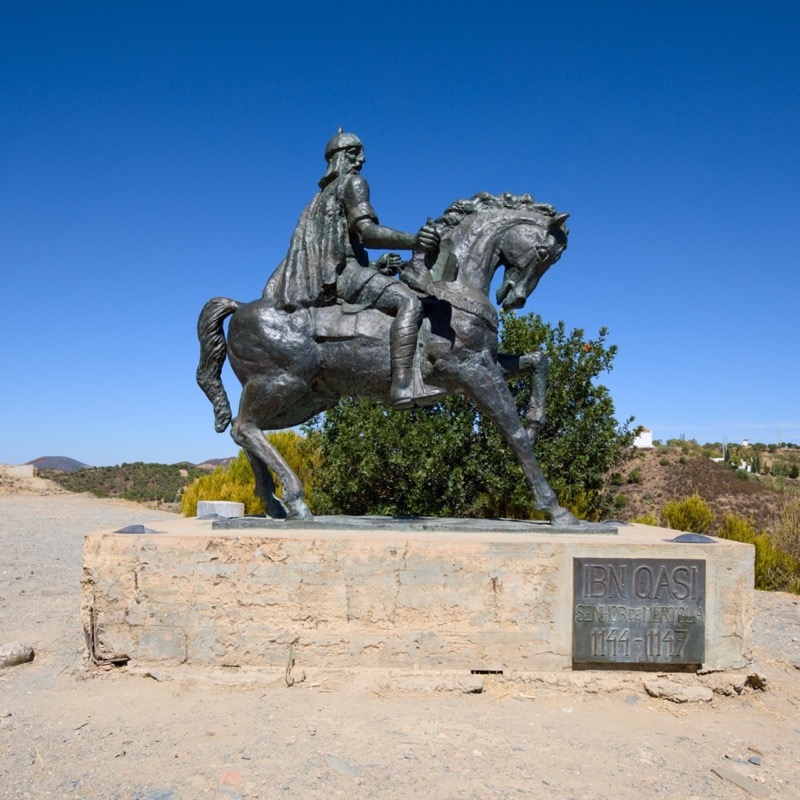
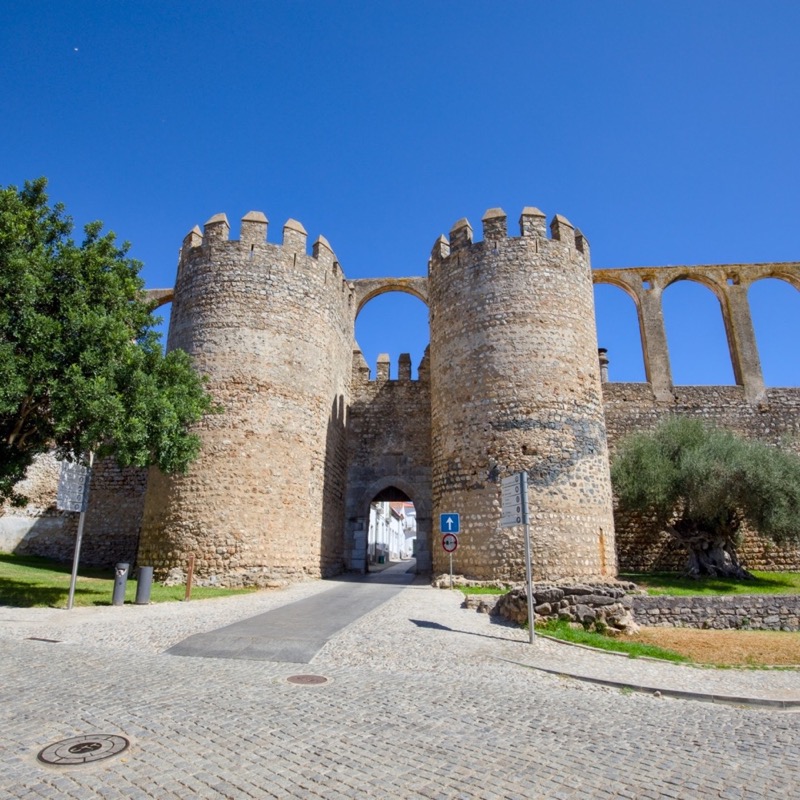
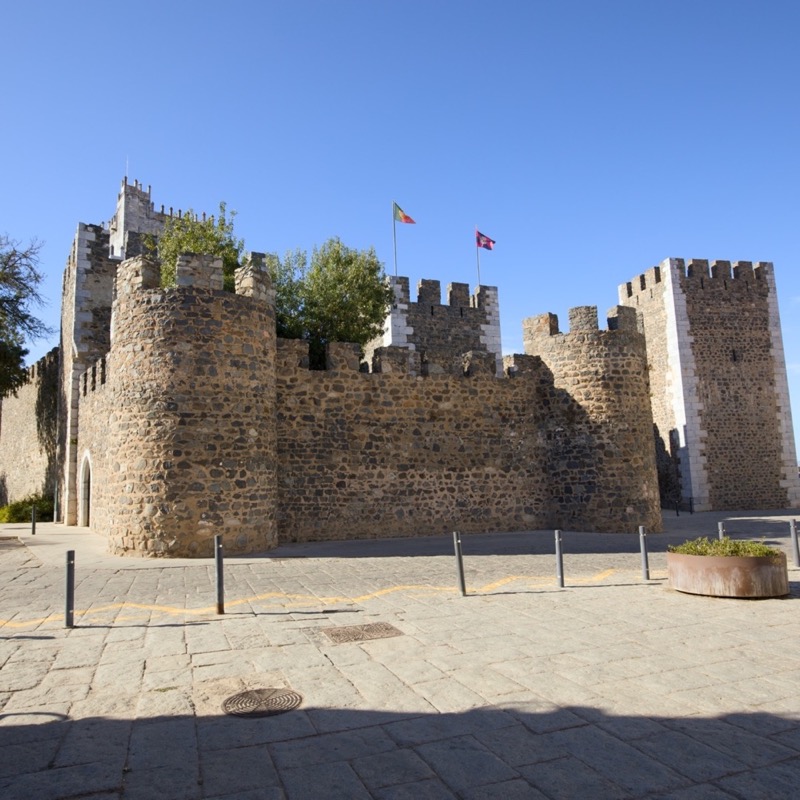
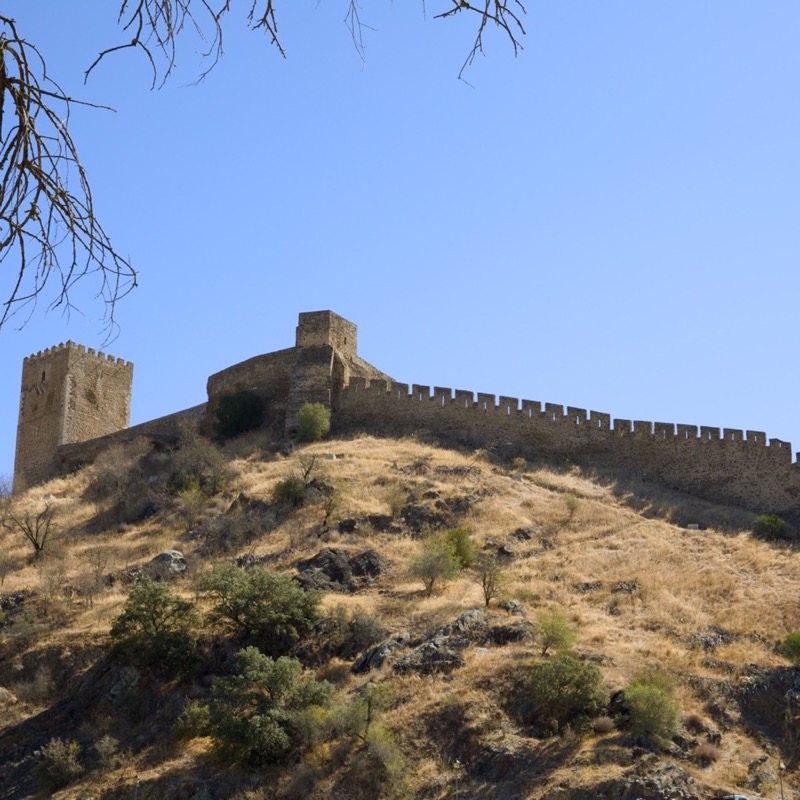
On the rocky height where the Oeiras stream meets the Guadiana, Mértola Castle preserves the defensive memory of a town shaped by the river. The beginnings of the fortification belong to the Islamic period, when Mértola was an important river port between Mérida and the Atlantic. In 1238, the knights of Santiago conquered the city and chose it as the seat of the Order in Portugal, a status it kept until 1316. The castle’s Gothic work is generally dated to 1292, the year inscribed on the Keep, built under the patronage of D. João Fernandes, master of Santiago. The fortress has a quadrangular, slightly trapezoidal plan, with towers at the corners, and the Keep rises to almost 30 metres. In the alcazaba, excavations begun in 1978 revealed a Late Medieval necropolis, an Islamic quarter and a palaeo-Christian religious complex. The castle has been a National Monument since 1951.

Why it matters

Mértola Castle, perched on a hill overlooking the Guadiana River in the Alentejo, has a rich history that reflects the region’s diverse cultural heritage. Mértola has been inhabited since Roman times, serving as an important trading port due to its strategic location on the river. However, it was during the Islamic occupation, starting in the 8th century, that the city's fortifications significantly developed. Islamic Mértola, known as "Martulah", was a thriving commercial and cultural hub with strong connections to the Mediterranean world. After the Christian reconquest in 1238, led by D. Paio Peres Correia, master of the Order of Santiago, the castle was rebuilt and reinforced. During the 13th and 14th centuries, its military importance grew, due to its location on Portugal's southern frontier. The castle not only protected the town but also served as a vantage point over the river and the trade routes passing through Mértola. Over time, the castle’s military significance waned, but its historical and cultural value remains intact to this day.

Architecture and history

The architecture of Mértola Castle reflects the blend of styles influenced by the different civilisations that occupied the town. The current structure is predominantly medieval, with reinforcements made during the Christian period. The imposing Keep, built in the 13th century from limestone, is one of the castle’s most striking features. Standing at 30 metres tall, the tower offered a strategic view over the Guadiana River and surrounding territories, allowing for the surveillance of any approaching threats. The walls surrounding the castle are simple but effective, built from masonry with battlements and watchtowers. Some of these smaller towers remain partially intact, providing a glimpse into the castle’s complex defensive system. Foundations of Islamic origin can still be seen in parts of the castle, revealing how the fortifications were adapted and modified over the centuries. Inside the castle grounds, there are archaeological remains indicating the presence of residential and military support structures, such as warehouses and cisterns. The blend of Islamic and Christian influences is one of the most interesting aspects of the castle’s architecture, reflecting the historical transitions that shaped Mértola.

More context

A visit to Mértola Castle is a journey through history and culture. The Keep is the highlight, offering panoramic views over the Guadiana River and the village of Mértola. Inside the tower, exhibitions explore the region’s and the castle’s history, with a focus on the medieval period. The castle walls provide the opportunity to walk along the battlements and imagine the life of soldiers who once defended the town. As you walk, you can gaze at the Guadiana River winding through the Alentejo landscape, a peaceful scene today but once a backdrop to battles and conflicts. Inside the castle, there is also a small archaeological museum displaying artefacts uncovered during excavations. These objects span different periods, from Roman occupation to the Islamic era and the Middle Ages. The exhibits help contextualise Mértola’s historical importance as a meeting point of cultures. Near the castle, visitors can explore the former mosque of the town, which was converted into a Christian church after the reconquest but still retains Islamic architectural elements. The town of Mértola itself is charming, with narrow streets and whitewashed houses that invite a leisurely stroll, allowing visitors to soak in the historic atmosphere of this border town.

Gallery

Castelo de Mertola 1
Castelo de Mertola 2
Castelo de Mertola 3
Castelo de Mertola 4
Castelo de Mertola 5

Nearby places

View all