Castelo de Beja

Beja · Beja

Castelo de Beja

CastleXIIIMilitary Architecture
Rua Dom Dinis 3, 7800-000 Beja4.5 Rating · 6,17075 min

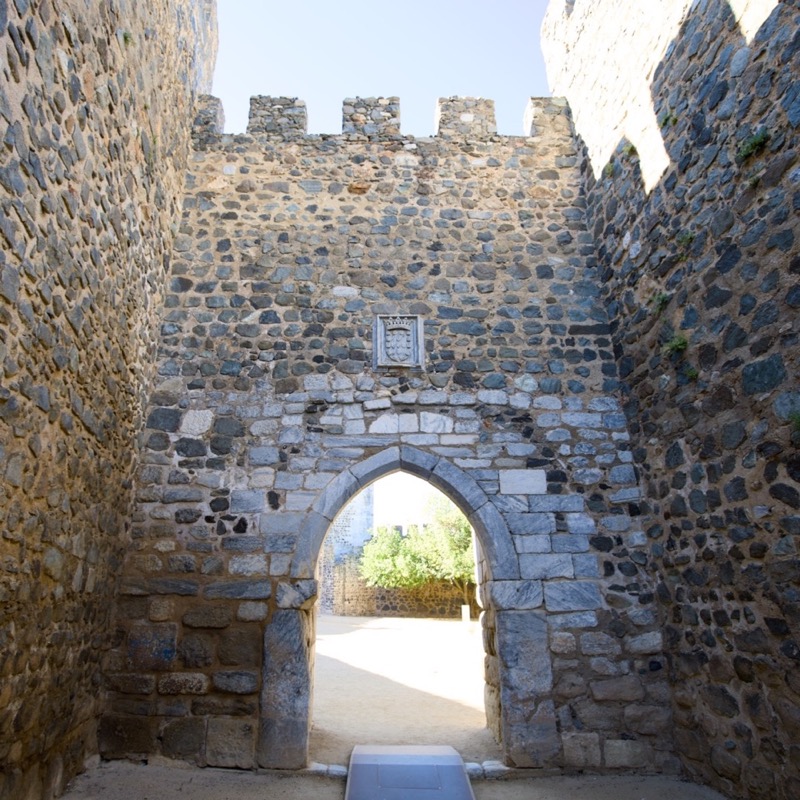
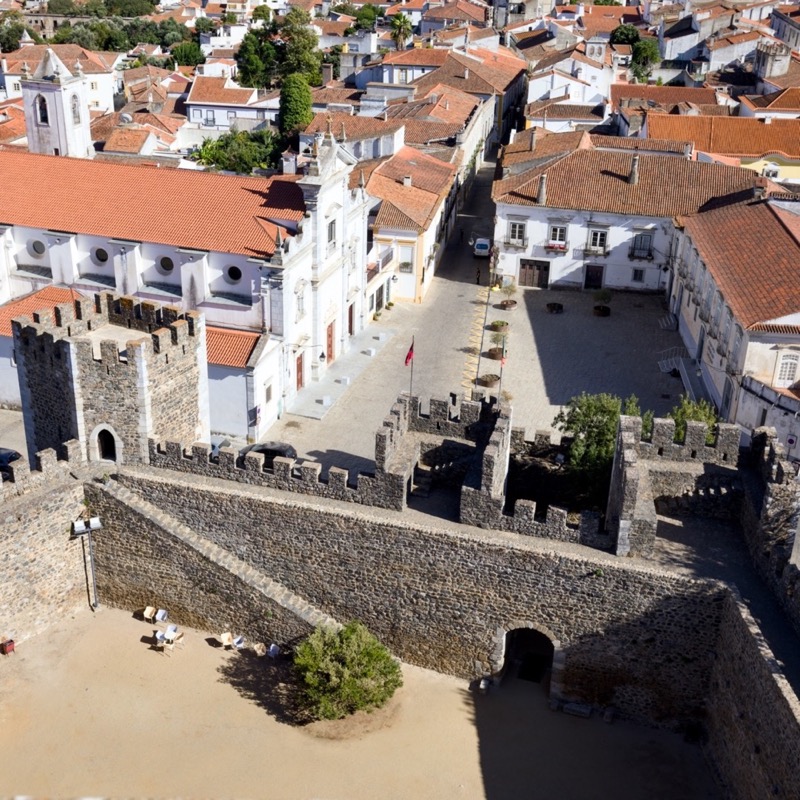
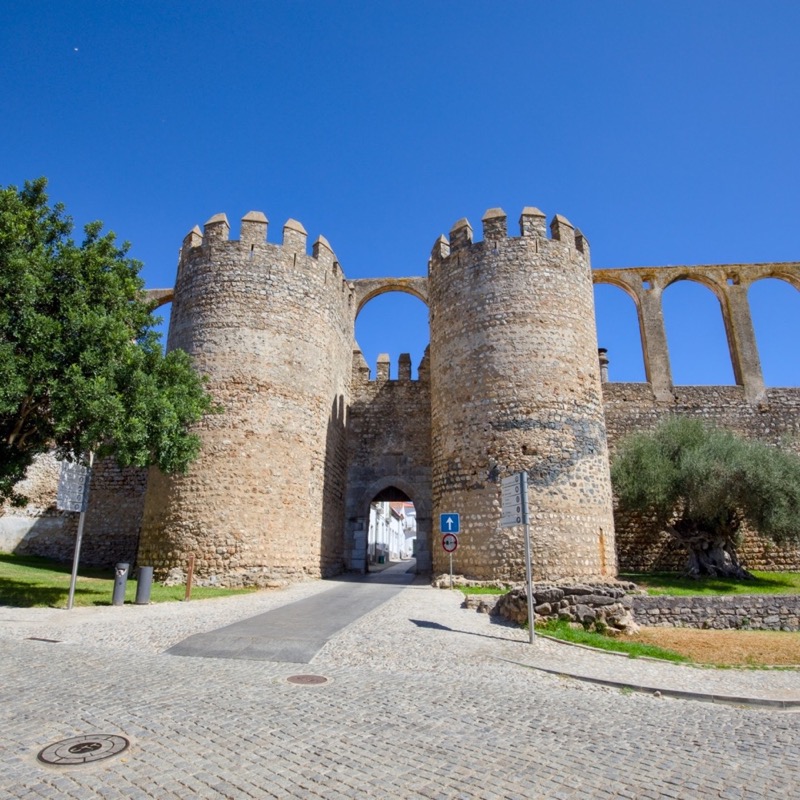
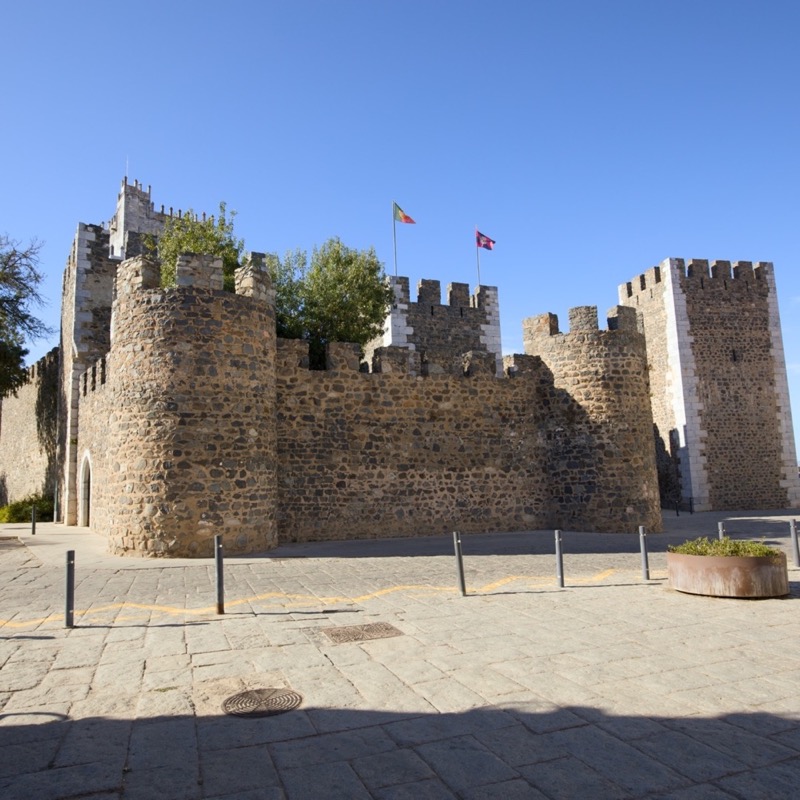
In the centre of Beja, Beja Castle rises above the vast plain of the Baixo Alentejo and gathers the city’s defensive memory. The monument, classified as a National Monument since 1910, was rebuilt during the reign of King Afonso III; the works continued in the time of King Dinis and, in 1372, King Fernando was still ordering interventions in the fortress. From the Afonso-Dinis alcazaba stands out the Keep, quadrangular and robust, built during the reign of King Dinis. Almost forty metres high, it is organised in three levels and crowned by a broad balcony resting on machicolations, above which run battlements. The urban wall was more extensive: it included more than forty towers and gates such as those of Évora, Mértola, Avis and Aljustrel. Between walls, wall-walks and pale stone, the castle conveys Beja’s former strategic importance.

Why it matters

Beja Castle is one of the most impressive monuments in the Alentejo region, with a rich history dating back to the Roman occupation. Located in the city of Beja, this castle played a crucial role over the centuries, serving as a military fortress and a symbol of resistance. Its origins date back to when the city was known as Pax Julia, used by the Romans as a strategic point in the Iberian Peninsula. However, it was under Moorish rule that the castle began to take the shape we know today. The structure was later modified during the reign of King Dinis in the 13th century, when the keep tower was built, cementing its importance in defending Portuguese territory. The castle was at the centre of many disputes, especially during the Christian Reconquest, when it was captured by Christian armies in the 13th century. It later played a significant role in the wars with Castile, acting as a strategic bastion for the defence of southern Portugal. Over the centuries, Beja Castle witnessed several battles and sieges but also periods of peace and prosperity.

Architecture and history

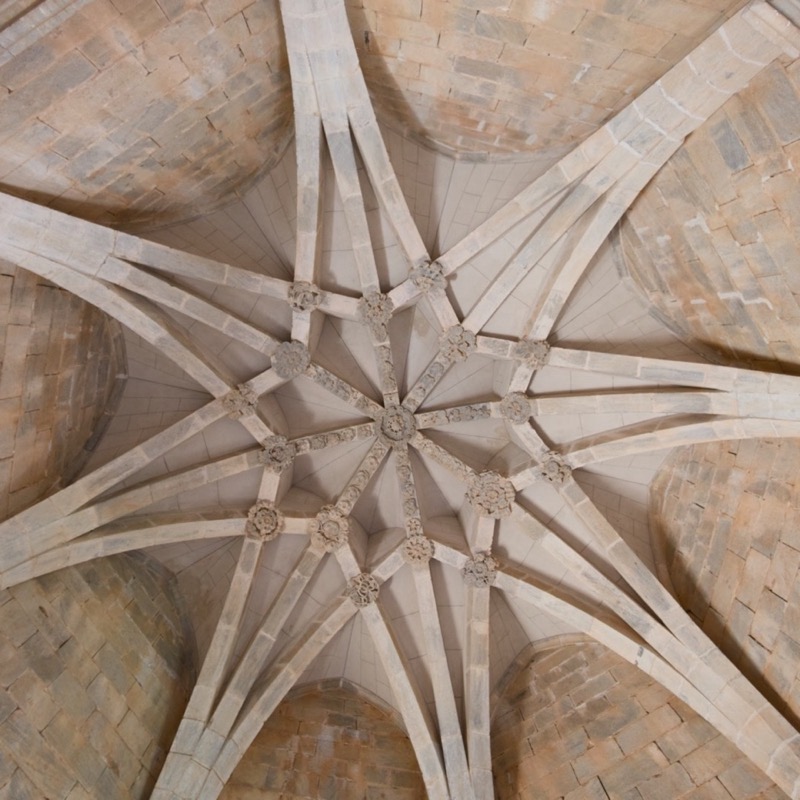
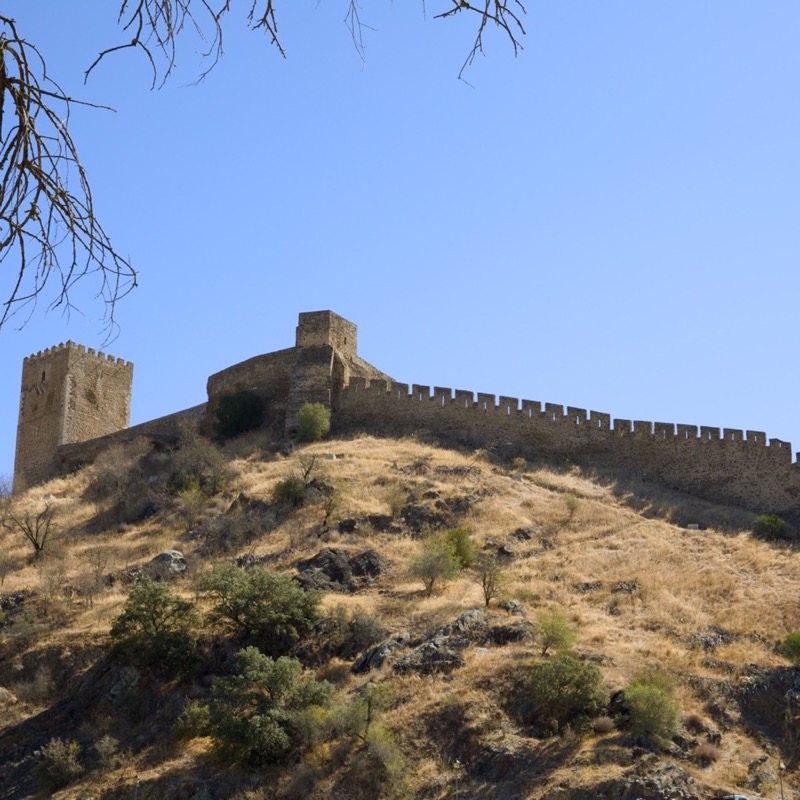
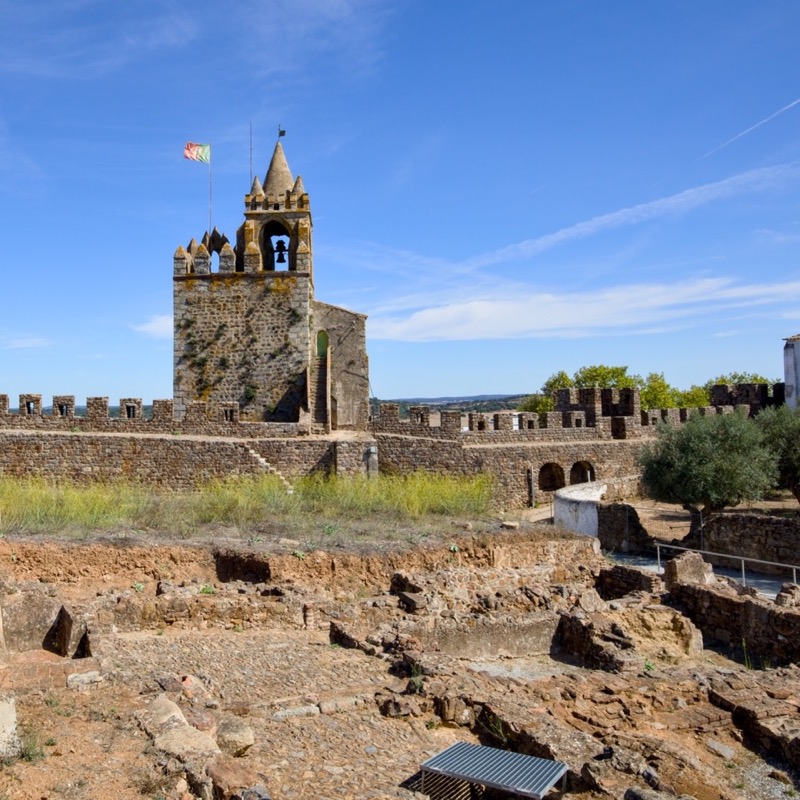
Beja Castle stands out for its medieval military architecture and is one of the best examples of Gothic fortifications in Portugal. Its majestic keep tower is the most iconic element of the fortress, standing 40 metres tall, making it one of the highest in the country. Built from white limestone, the tower is visible from a great distance, becoming a distinctive landmark in the Alentejo landscape. The tower comprises three floors, each with different characteristics, with the top one covered by a stone vault. The castle’s walls, much of which still remain, feature battlements and merlons typical of medieval fortifications, offering a panoramic view over the city and the vast Alentejo fields. Inside, the parade ground, which once served as a space for military drills, stands out. There are also traces of Moorish influence in the defensive structures, particularly in the cylindrical towers and the protection systems. The castle is a remarkable example of architectural adaptation over different eras, blending Romanesque, Gothic, and Moorish styles.

More context

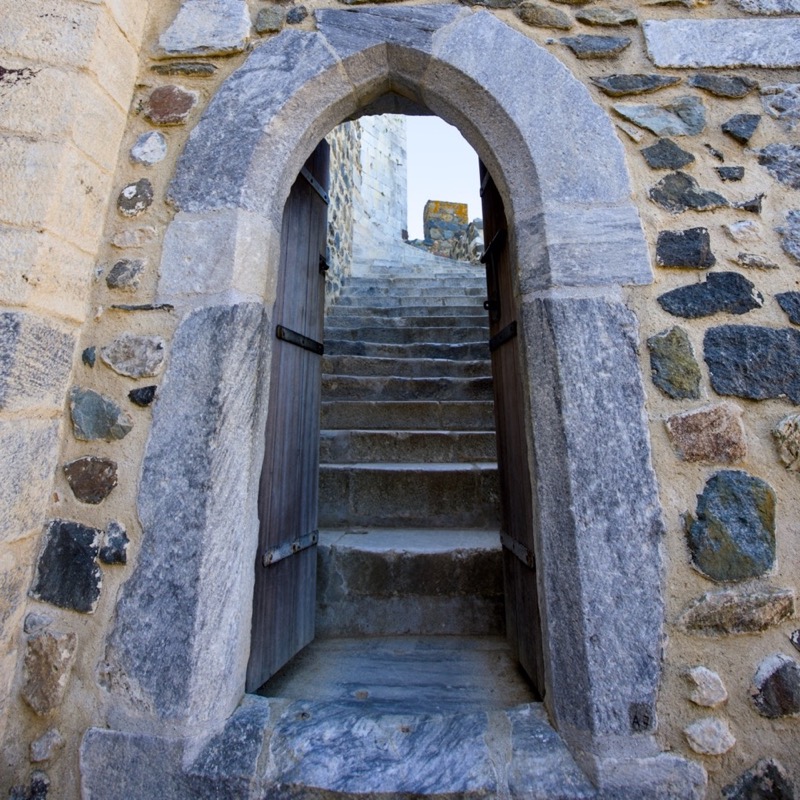
One of the highlights of a visit to Beja Castle is climbing the keep tower. The view from the top is breathtaking, offering a panoramic perspective of the city and the surrounding fields. As you climb, you can admire the robustness of the construction, as well as the details in the Gothic windows and staircases. Inside the castle, visitors can explore the courtyard and the various towers, gaining an understanding of the complexity of medieval defensive systems. In addition to the tower, you can walk along the castle walls, where you'll find smaller towers and secondary gates that were used for defence or escape in case of a siege. There are also temporary and permanent exhibitions within the castle, telling the story of Beja and the castle itself, with artefacts and documents that help visitors understand its role over the centuries. The city of Beja around the castle is also worth exploring. With narrow streets and whitewashed houses, Beja is a charming city that reflects the tranquillity of the Alentejo. Don’t miss a visit to the Beja Cathedral and the Queen Dona Leonor Museum, both near the castle, to complement your cultural experience.

Gallery

Castelo de Beja 1
Castelo de Beja 2
Castelo de Beja 3
Castelo de Beja 4
Castelo de Beja 5

Nearby places

View all