Castelo de Serpa

Serpa · Beja

Castelo de Serpa

CastleXIIIMilitary Architecture
Castelo de Serpa, 7830-412 Serpa4.5 Rating · 1,08570 min

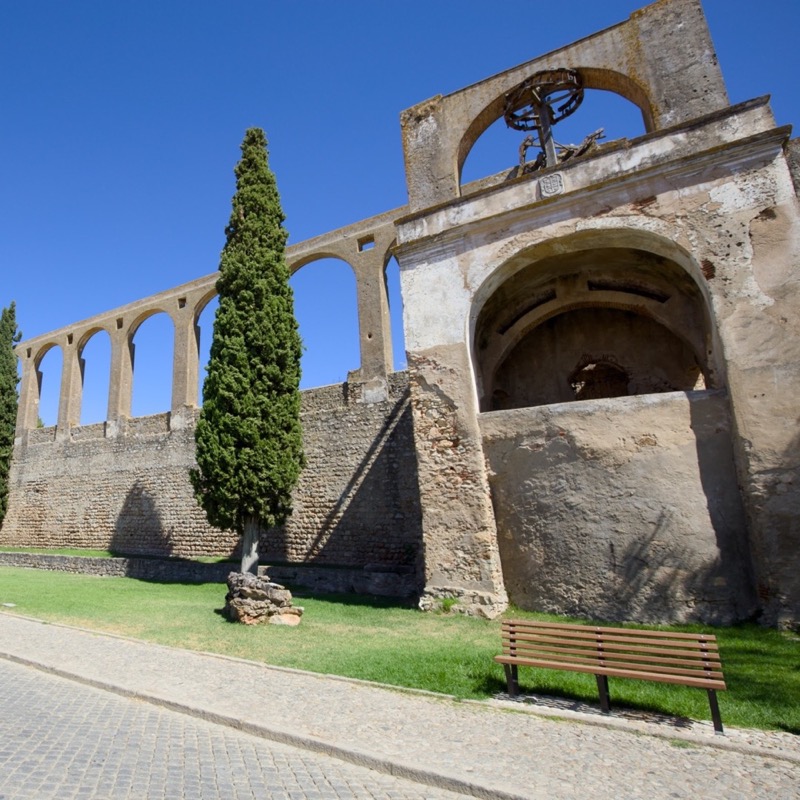
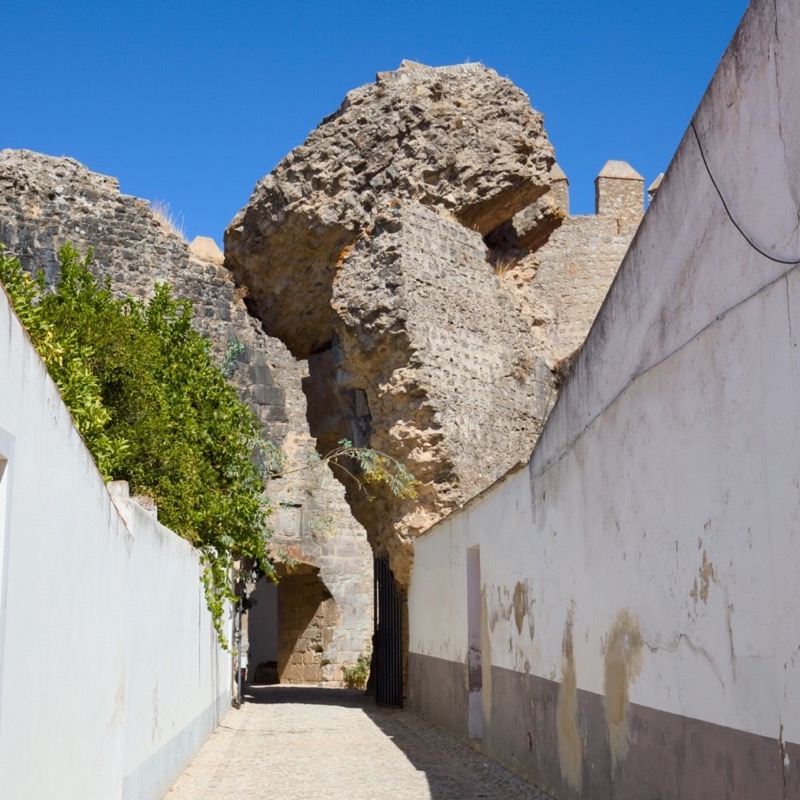
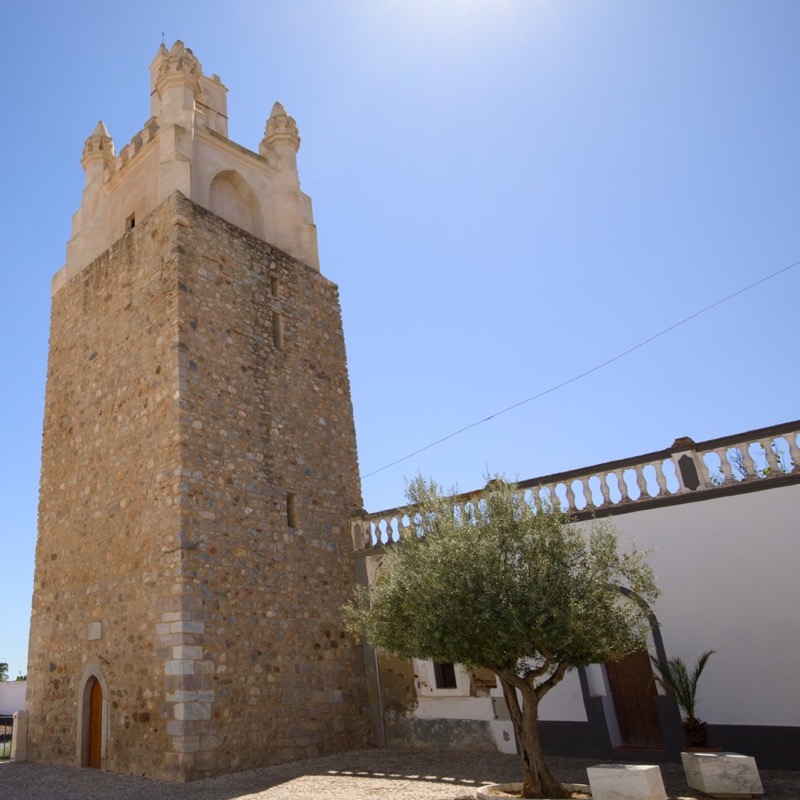
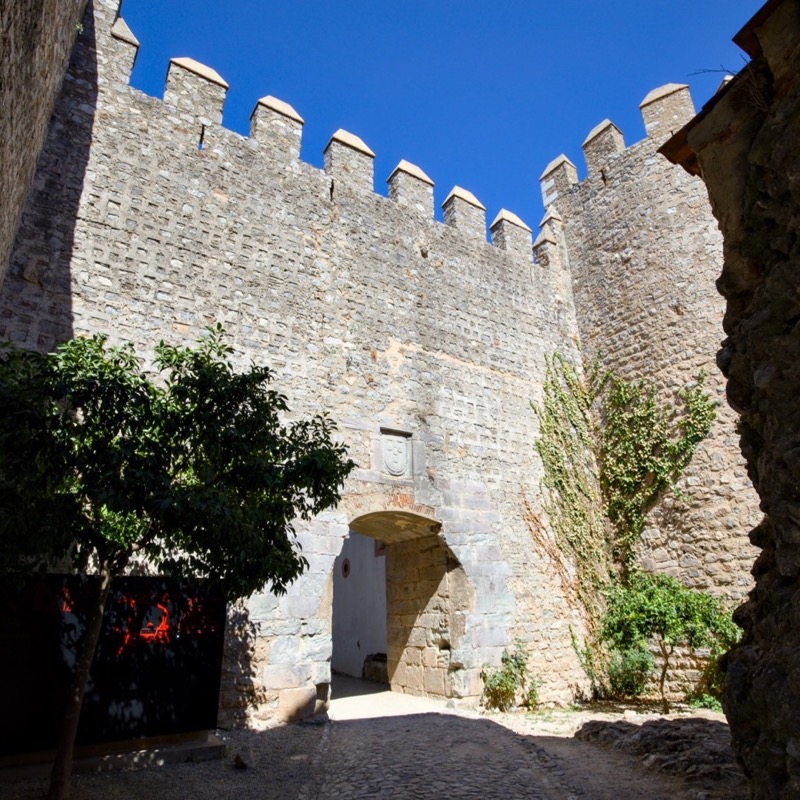
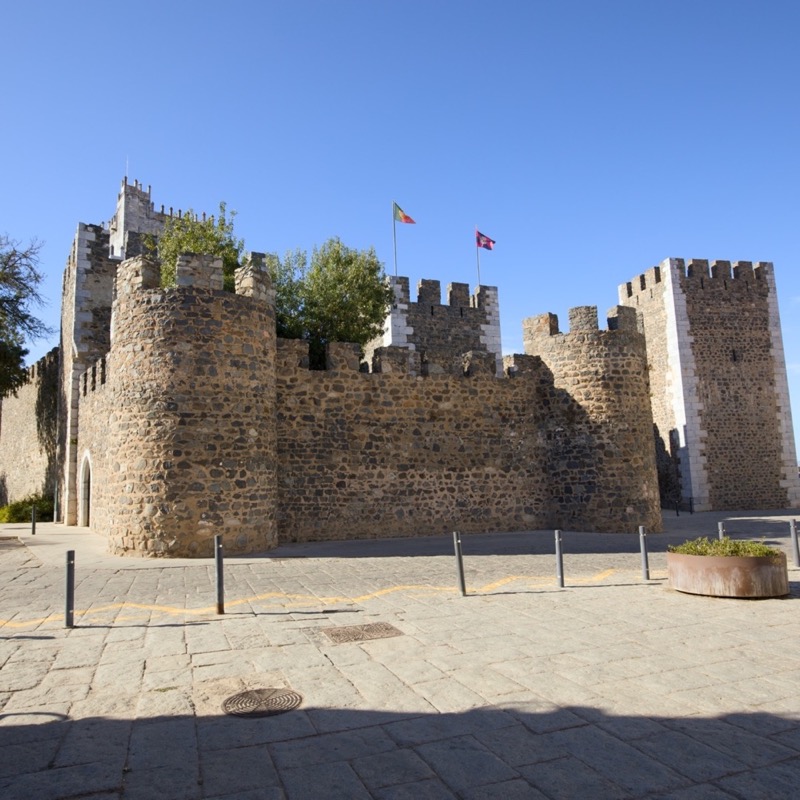
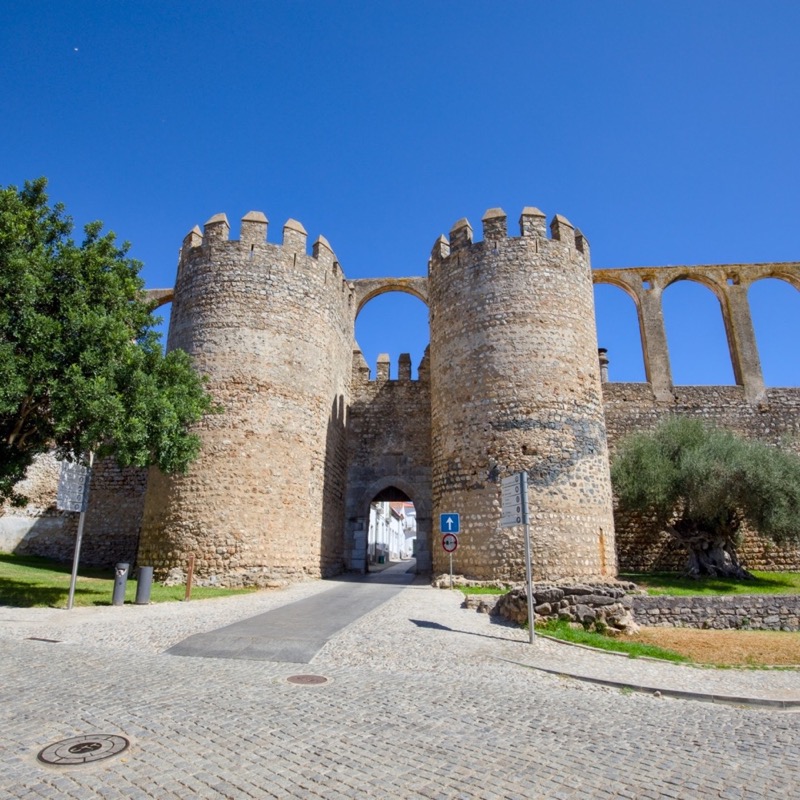
In the historic centre of Serpa, the castle and urban walls form one of the strongest defensive presences in the Baixo Alentejo. The first documented fortification on this site was Islamic, predating the Christian conquest of the town, and part of the alcazaba reused rammed-earth structures from that period. The major remodelling of the walls and the reconstruction of the castle were ordered by King Dinis from 1295, when Serpa was asserting itself as a frontier stronghold. The medieval enclosure surrounded the Church of Santa Maria and the present Clock Tower, within an oval-shaped wall strengthened by turrets and battlements. Among the original entrances, the Beja Gate and the Moura Gate stand out, still marked by towers. Along one stretch of the wall runs the aqueduct linked to the Palace of the Counts of Ficalho. Classified as a National Monument since 1954, the complex preserves the memory of a town shaped by defence, the frontier and time.

Why it matters

Serpa Castle, located in the picturesque Alentejo village of Serpa, has a history that dates back to the Roman and Moorish occupation of the Iberian Peninsula. However, its significance increased during the Middle Ages. The castle was captured by the Christians in 1232, during the reign of King Sancho II, and became a key stronghold in defending Portugal’s southern border. The fortress was further reinforced during the reign of King Dinis, who continued the strategy of fortifying the frontier lines. One of the castle's most significant moments came during the Portuguese Restoration War in the 17th century, when Portugal fought for its independence from Spain. During this time, the castle was adapted to withstand firearms, altering its defensive layout. Over time, as artillery technology advanced, the castle lost its military function and was gradually abandoned.

Architecture and history

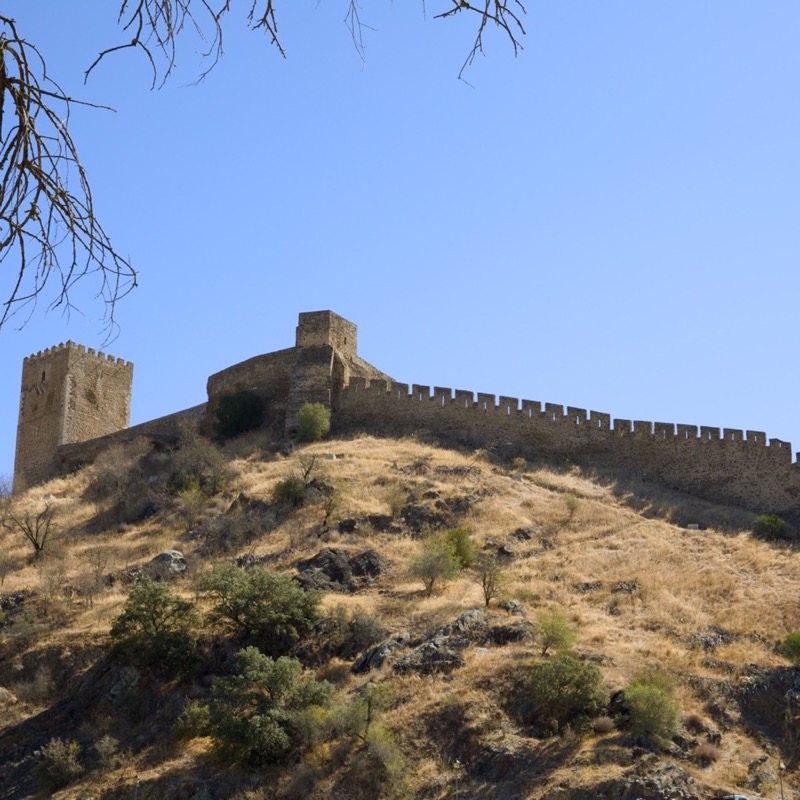
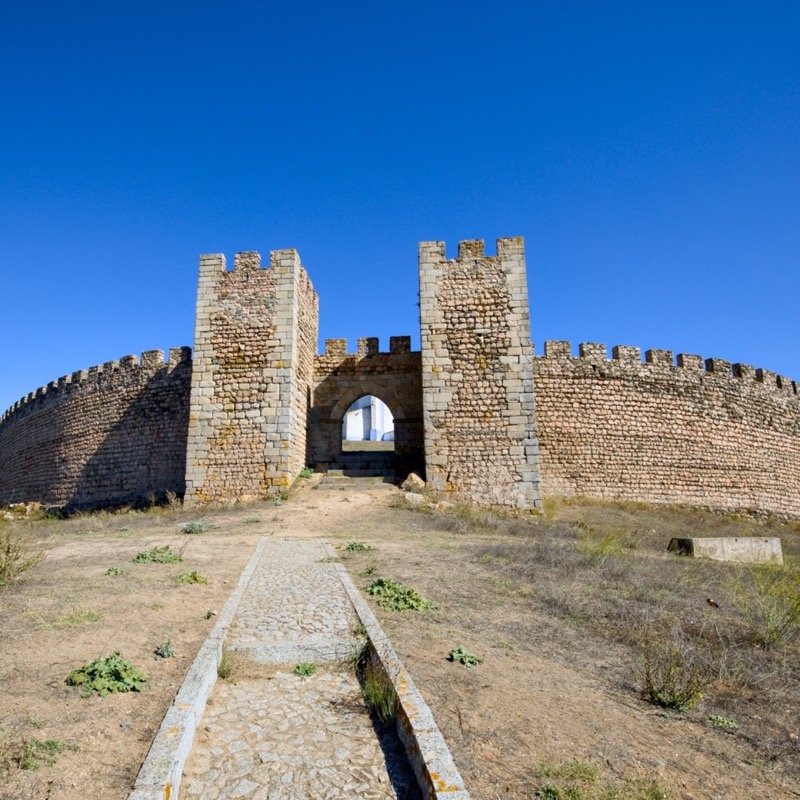
Serpa Castle is a prime example of the evolution of Portuguese military architecture, showcasing Moorish, medieval, and Renaissance influences. Its oval shape follows the contours of the terrain, designed to make the most of natural defences. The walls, stretching for about 1,300 metres, are reinforced by several semi-circular and quadrangular towers, offering a strategic view over the Alentejo plains. The main entrance to the castle is through the impressive Porta de Beja, flanked by two robust towers. Inside the castle, there are remnants of ancient constructions, including cisterns, suggesting its prolonged use during sieges. One of the most interesting architectural features of Serpa Castle is its adaptation to the demands of the Restoration Wars. The castle was reinforced with bastions and cannon platforms, following the style of star-shaped fortifications that became popular in the 17th century. Despite these modifications, much of the medieval structure remains intact, offering a fascinating glimpse into the various stages of its history.

More context

When visiting Serpa Castle, you'll be welcomed by the imposing Porta de Beja, which leads into the heart of the fortress. Walking along the castle walls is a must, offering breathtaking views over the Alentejo plains. The keep, though partially in ruins, is still accessible and provides a great panoramic view of the region. Inside the castle, you'll find remnants of ancient cisterns and medieval constructions. A stroll through the castle reveals the harmonious integration of the fortification with the village of Serpa, whose urban layout seems to flow naturally from the castle walls. Another highlight is the Serpa Aqueduct, which connects to the castle and is an impressive example of hydraulic engineering. For history enthusiasts, the castle ruins offer a journey through time, revealing not only the military significance of the region but also the transformations it underwent over the centuries. In addition to the castle, the village of Serpa itself is worth exploring, with its narrow streets and whitewashed houses, typical of the Alentejo, as well as its rich culinary offerings.

Gallery

Castelo de Serpa 1
Castelo de Serpa 2
Castelo de Serpa 3
Castelo de Serpa 4
Castelo de Serpa 5

Nearby places

View all