Aqueduto das Águas Livres

Lisboa · Lisboa

Aqueduto das Águas Livres

AqueductXVIIIIndustrial Architecture
Calçada da Quintinha 6, 1070-225 Lisboa4.4 Rating · 3,99360 min

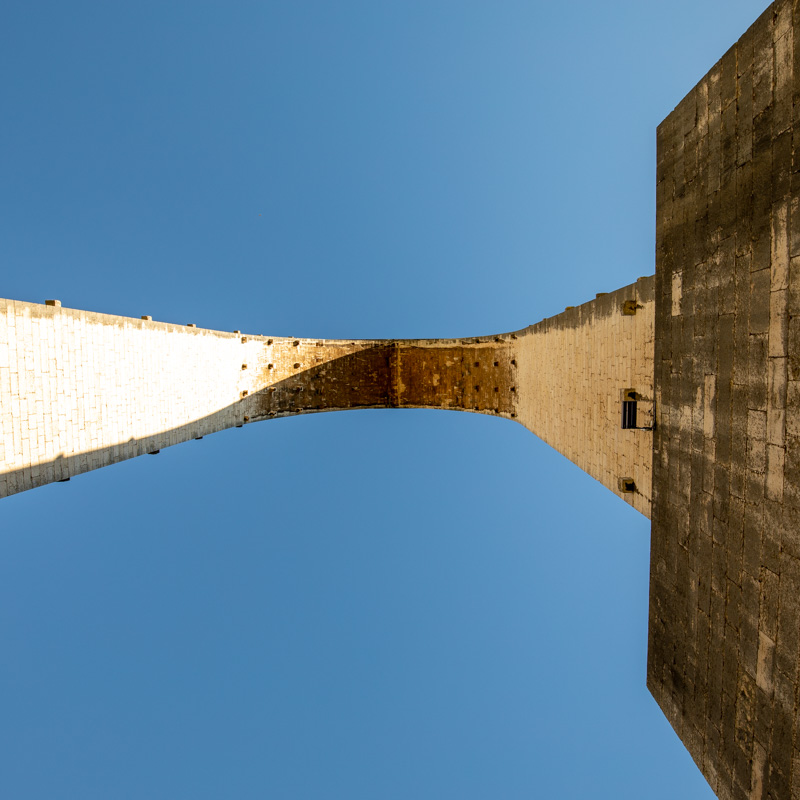
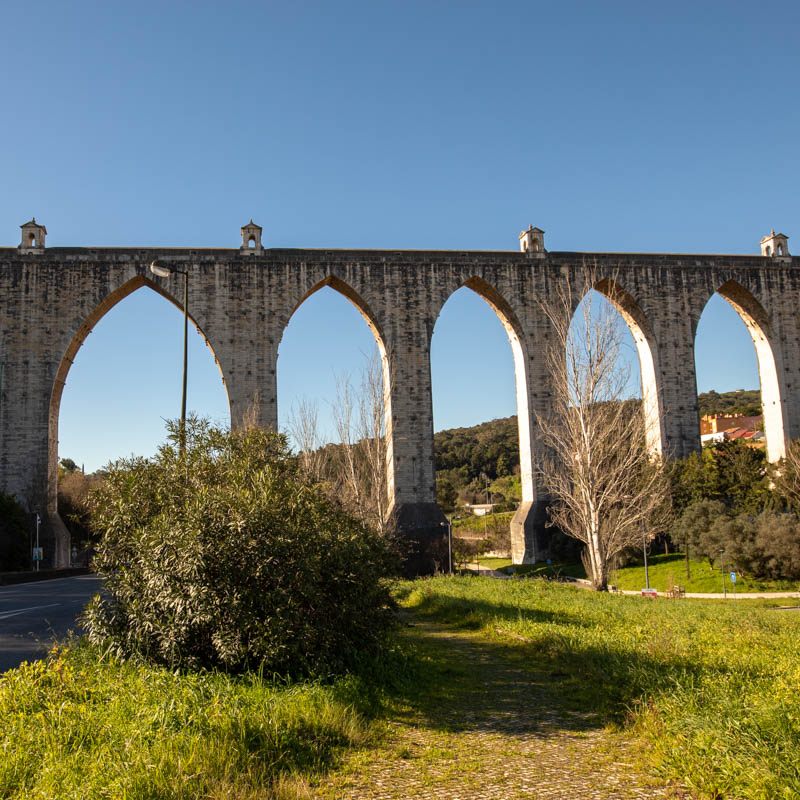
More than a monumental work, the Águas Livres Aqueduct is Lisbon’s grand answer to an old problem: the lack of water. Commissioned by King João V in 1731, the system brought into the city water collected in the Belas area and, throughout the eighteenth century, supplied reservoirs, galleries and fountains that transformed urban life. Its most famous stretch is the one crossing the Alcântara valley: 35 arches over 941 metres, with the largest pointed stone arch in the world, so solid that it survived the earthquake of 1755. During a visit, what impresses most is not ornament but the intelligence of the engineering and the feeling of walking suspended above Lisbon. Between the austerity of the stonework, the scale of the valley and the memory of water entering the capital, it becomes clear why this is one of the city’s most extraordinary monuments.

Why it matters

The Águas Livres Aqueduct was born from the chronic need to supply Lisbon, a city that for centuries suffered from a shortage of drinking water. Its construction was ordered by royal decree in 1731, during the reign of João V, and involved several technical phases and successive directors of works before the system gained greater coherence in the eighteenth century. Water finally reached Lisbon in the late 1740s, yet the extensions, supplementary catchments and distribution galleries continued until 1799. The whole system spread across five present-day municipalities and combined a main stretch of about 14 kilometres, several secondary branches linked to around 60 springs and five galleries that supplied close to 30 public fountains in the capital. By the mid-nineteenth century, the network reached roughly 58 kilometres. Its importance was such that the aqueduct survived the 1755 earthquake without major structural collapse and remained connected to the city’s water supply until the twentieth century. It was classified as a National Monument in 1910.

Architecture and history

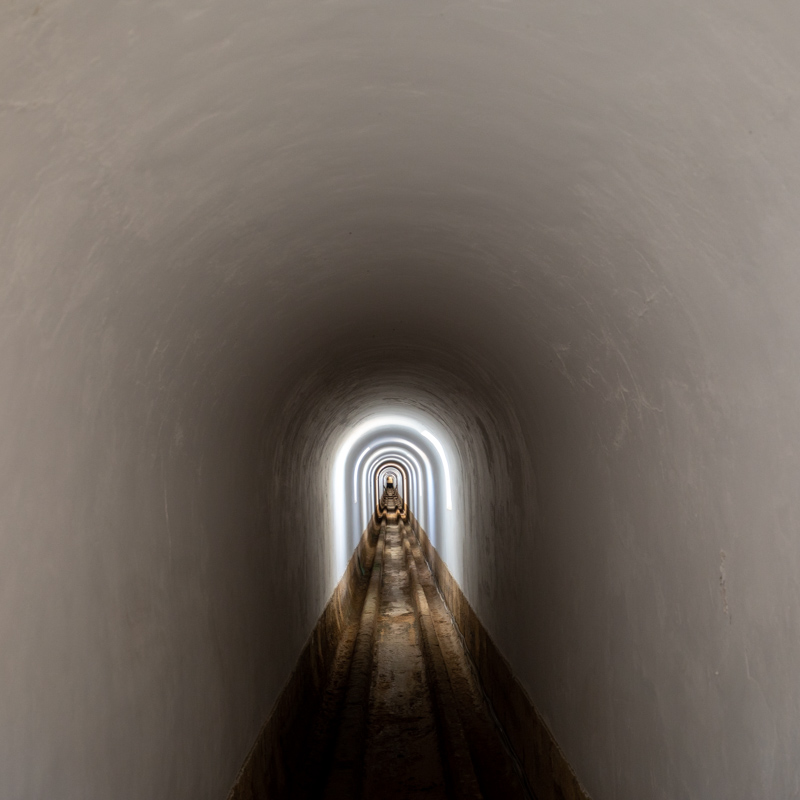
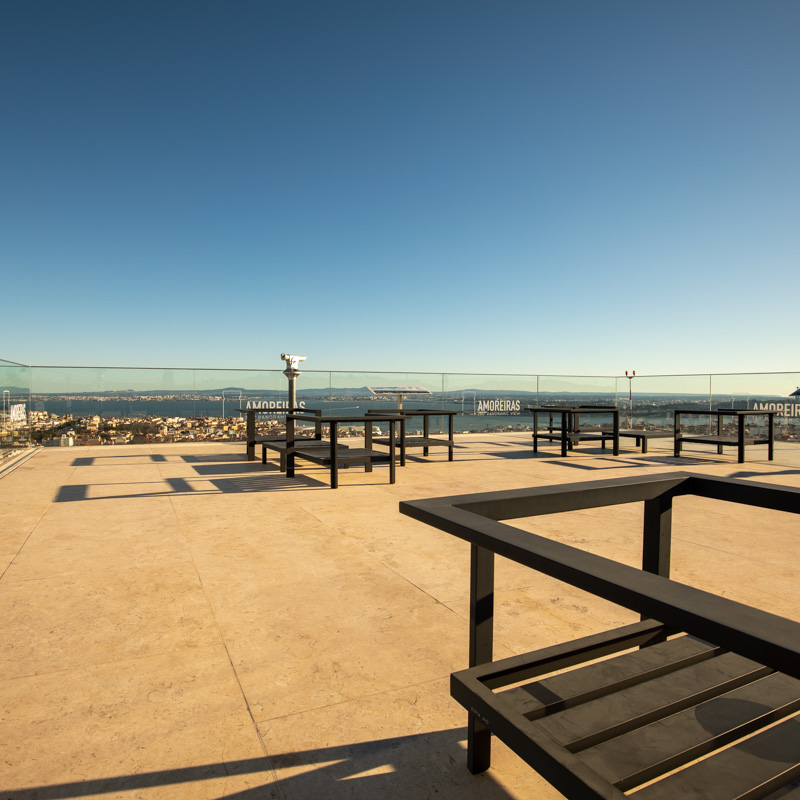
The architectural strength of the Águas Livres Aqueduct lies in the way it turns hydraulic infrastructure into a monumental presence in the landscape. Built in limestone ashlar and masonry, the system combines long underground stretches with elevated sections that follow the terrain and keep the water flowing by gravity. Its most celebrated part is the crossing of the Alcântara valley, 941 metres long and formed by 35 arches, among which the great central pointed arch gives the whole ensemble a unique image in Lisbon’s skyline. The maximum height of the arcade reaches about 65 metres, which explains its visual impact even today. Yet the aqueduct’s architecture is not limited to that monumental view. The system continues to the Mãe d’Água das Amoreiras Reservoir and unfolds into underground galleries that carried water to the city’s fountains. That combination of territorial scale, constructive precision and functional continuity makes it one of the most remarkable works of hydraulic engineering in Portugal.

More context

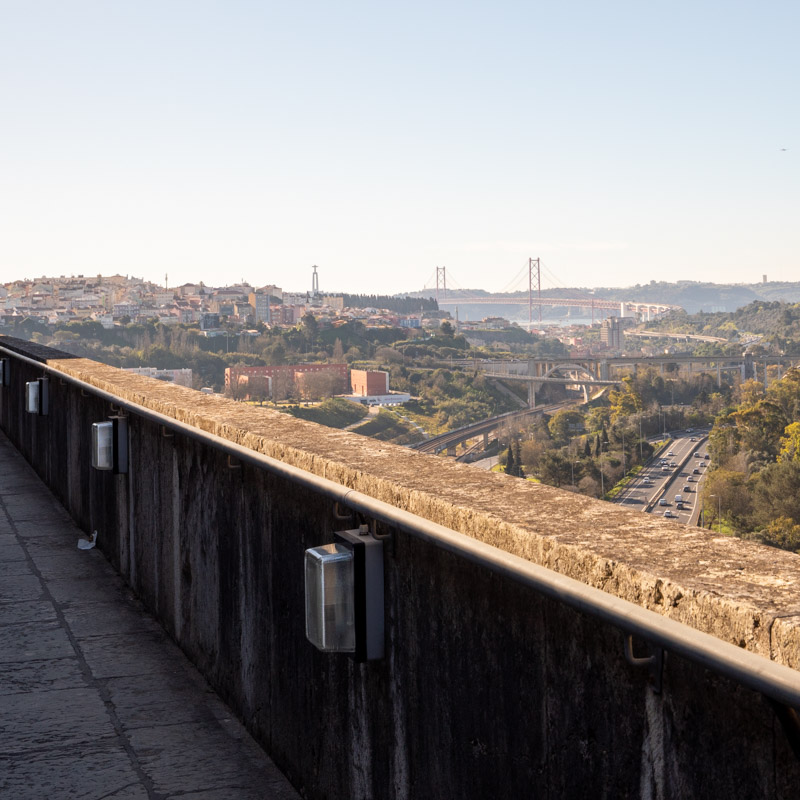
The arcade over the Alcântara valley is the most expressive part of the monument and the best place to grasp the real scale of the work. While walking along the accessible stretch, it is worth noticing the rhythm of the arches, the thickness of the piers and the way the structure crosses a broad valley without losing clarity or elegance. The contrast between the exterior monumentality and the discreet function of the water gallery helps explain that the aqueduct was designed to serve the city, not merely to impress. It is also worth observing its relationship with the surrounding territory, because from there the transition between Campolide, Monsanto and Lisbon’s urban expansion becomes especially clear. When the route is linked with the Mãe d’Água das Amoreiras, the arrival of the water into the city and the way it was received and redistributed become easier to understand. The Loreto Gallery completes that reading by showing the underground continuation of the system towards the old fountains. The aqueduct is especially rewarding when read as landscape, machine and architecture at once.

Gallery

Aqueduto das Águas Livres 1
Aqueduto das Águas Livres 2
Aqueduto das Águas Livres 3
Aqueduto das Águas Livres 4
Aqueduto das Águas Livres 5

Nearby places

View all