Casa Museu Dr. Anastácio Gonçalves

Lisboa · Lisboa

Casa Museu Dr. Anastácio Gonçalves

MuseumXXPalace Architecture
Avenida 5 de Outubro 6 e 8, 1050-055 Lisboa4.4 Rating · 39555 min

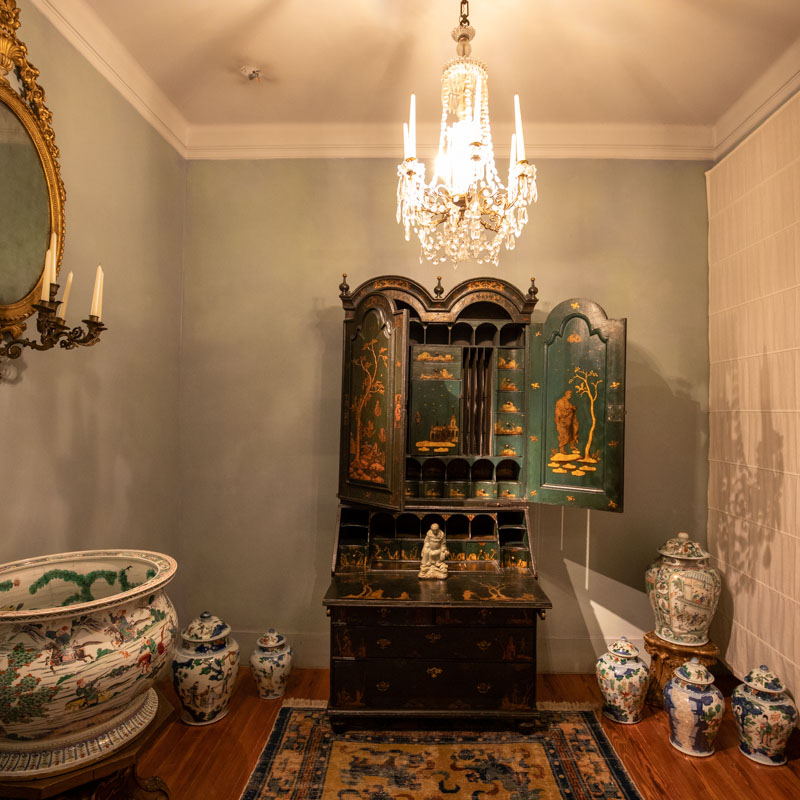
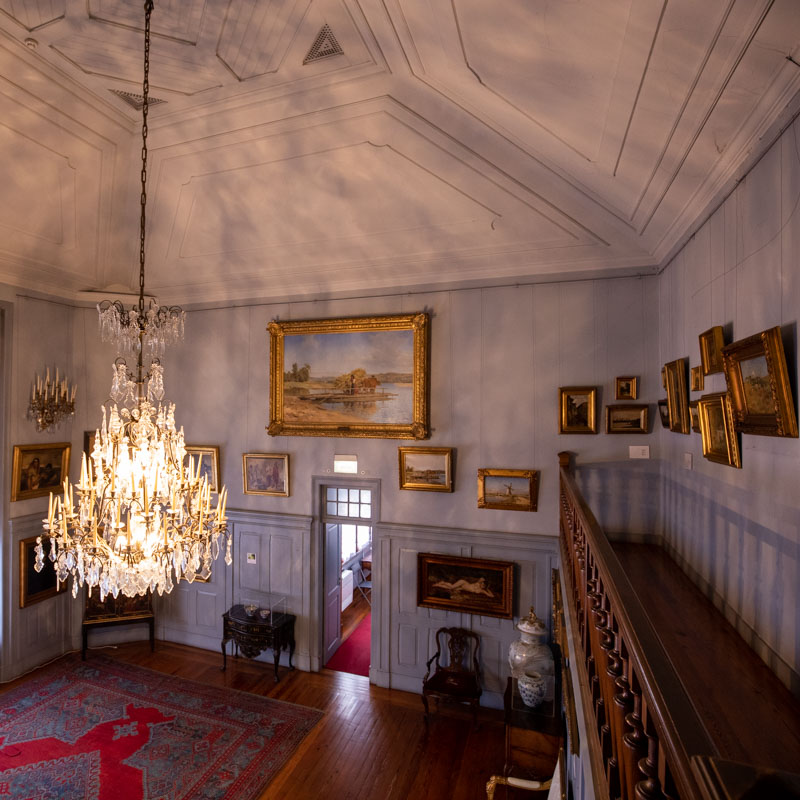
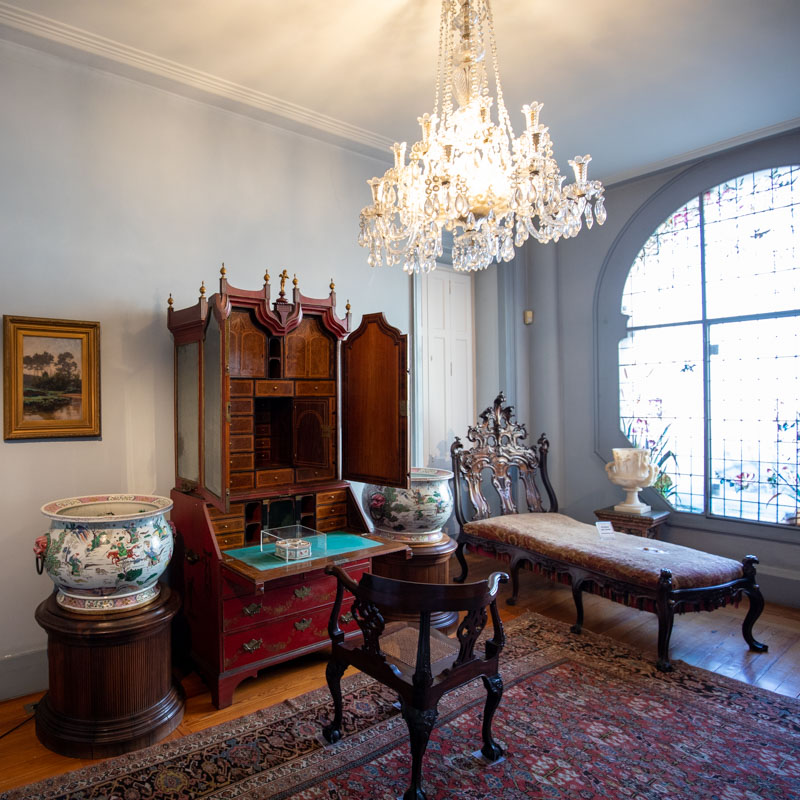
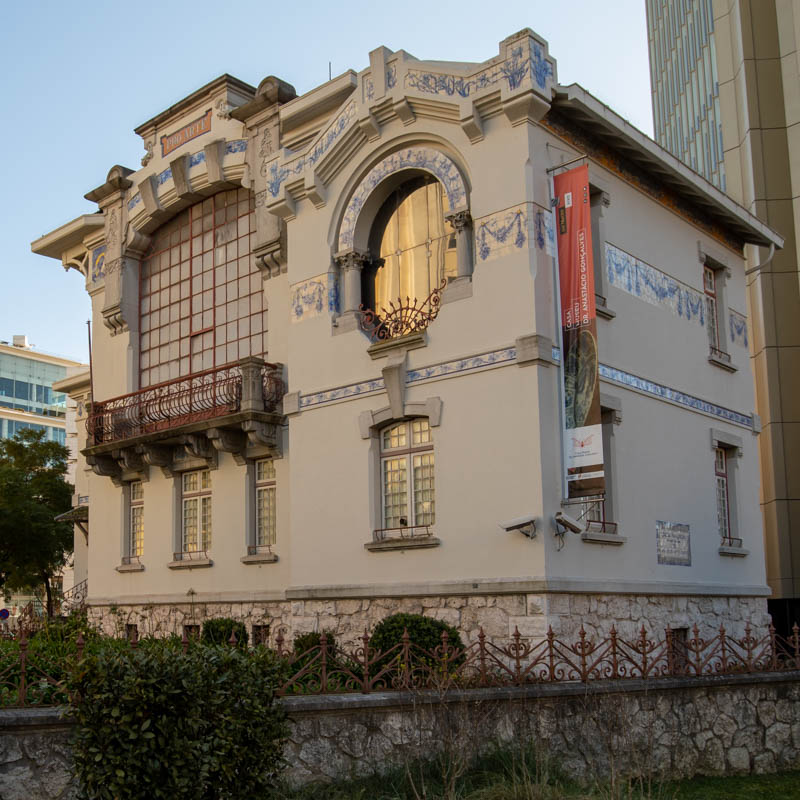
On Avenida Cinco de Outubro, the Dr Anastácio Gonçalves House-Museum has something rare about it: even before you step inside, it already feels like a work of art. Built in 1904 and 1905 as the home and studio of the painter José Malhoa, it was designed by Norte Júnior and became Lisbon’s first artist’s house, receiving the Valmor Prize as early as 1905. The façade, with the great window of the former studio, the tile friezes and the Art Nouveau details, reveals an architecture conceived for light, for creation and for the pleasure of looking. In 1932, the doctor and collector Anastácio Gonçalves bought the house and turned it into the setting for his remarkable collection, now numbering around three thousand works. During a visit, it is worth sensing that meeting between domestic intimacy and cultivated taste: Portuguese painting, Chinese porcelain, furniture and small objects live together here as though the house were still inhabited by art.

Why it matters

The Dr. Anastácio Gonçalves House-Museum occupies the former Casa Malhoa, built in 1904 and 1905 at the request of the painter José Malhoa to serve as both home and studio. The project was designed by Norte Júnior, and the house immediately stood out as Lisbon’s first artist’s house, receiving the Valmor Prize in 1905. Inserted into the expansion of the Avenidas Novas district, it also marked a new residential image for the city in the early twentieth century. In 1932, the physician and collector António Anastácio Gonçalves acquired the building, moved into it and arranged there the collection that would later define the museum. By his express wish, the house and its contents were bequeathed to the Portuguese State in 1969 for the creation of a house-museum. The museum opened to the public in 1980, was classified as a Property of Public Interest in 1982, and was enlarged in 1996 through the incorporation of an adjoining house also designed by Norte Júnior, reopening in 1997 in its present form.

Architecture and history

The building is a highly expressive example of Lisbon architecture at the transition between late eclecticism and Art Nouveau, combining decorative influences from Paris with references to the Portuguese house. Its plan results from the intersection of three irregular volumes arranged around a central block where the large window of the former studio opens onto the façade with a balcony and a very distinctive design. The composition was planned to ensure direct sunlight in the different rooms, which helps explain the projections, recesses and chamfered walls. On the exterior, the tile friezes and panels by José António Jorge Pinto, based on drawings by Malhoa and António Ramalho, stand out alongside the sculptural work of António Augusto Costa Mota, Sobrinho, and the wrought-iron elements designed by Norte Júnior. The figurative Art Nouveau stained glass, the panel alluding to Painting and the walled garden reinforce its character as an artist’s house, more intimate than monumental, yet extremely elaborate in its detail.

More context

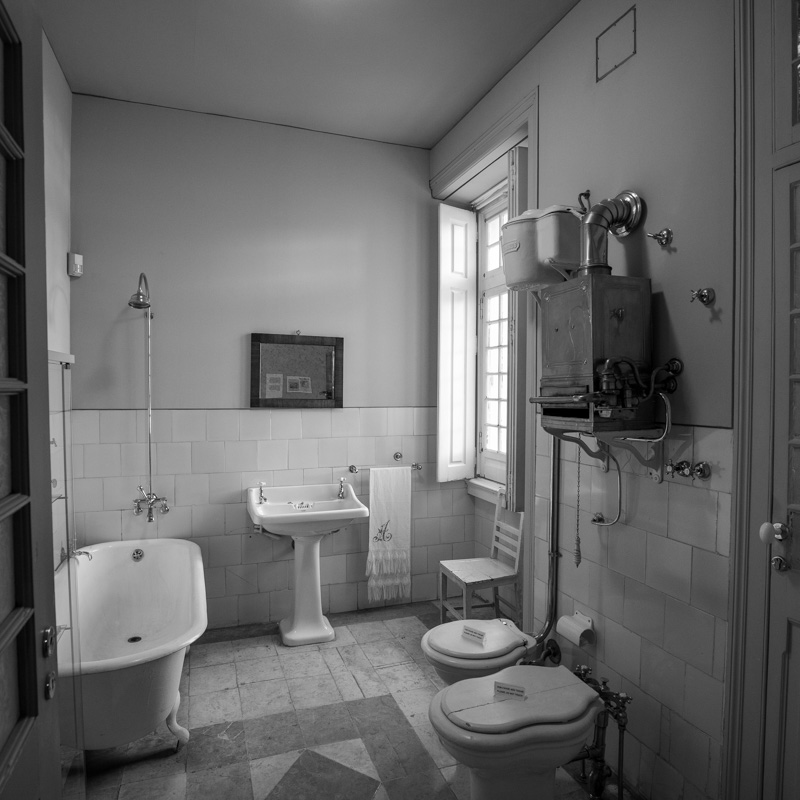
The great window of the former studio is the best place to begin, because it sums up the house’s original function and still dominates the façade with a scale unusual in an urban residence. The tiles, stained glass and wrought iron also deserve close attention, giving the exterior a very distinctive decorative richness. Inside, the most rewarding aspect is the relationship between house and collection: the visit does not unfold through standard gallery rooms alone, but through interiors that retain the domestic memory of the place. The three main sections of the collection help guide the eye: Portuguese painting of the nineteenth and twentieth centuries, Chinese porcelain, and Portuguese and foreign furniture. Alongside them are pieces of silver, European painting, sculpture, ceramics, textiles and an important group linked to Silva Porto, including drawings, watercolours, documents and small artefacts. Rather than focusing only on individual objects, it is worth noticing how the collector arranged art, decoration and architecture within a single inhabited space.

Gallery

Casa Museu Dr. Anastácio Gonçalves 1
Casa Museu Dr. Anastácio Gonçalves 2
Casa Museu Dr. Anastácio Gonçalves 3
Casa Museu Dr. Anastácio Gonçalves 4
Casa Museu Dr. Anastácio Gonçalves 5

Nearby places

View all