Lisboa · Lisboa
Fundação Calouste Gulbenkian
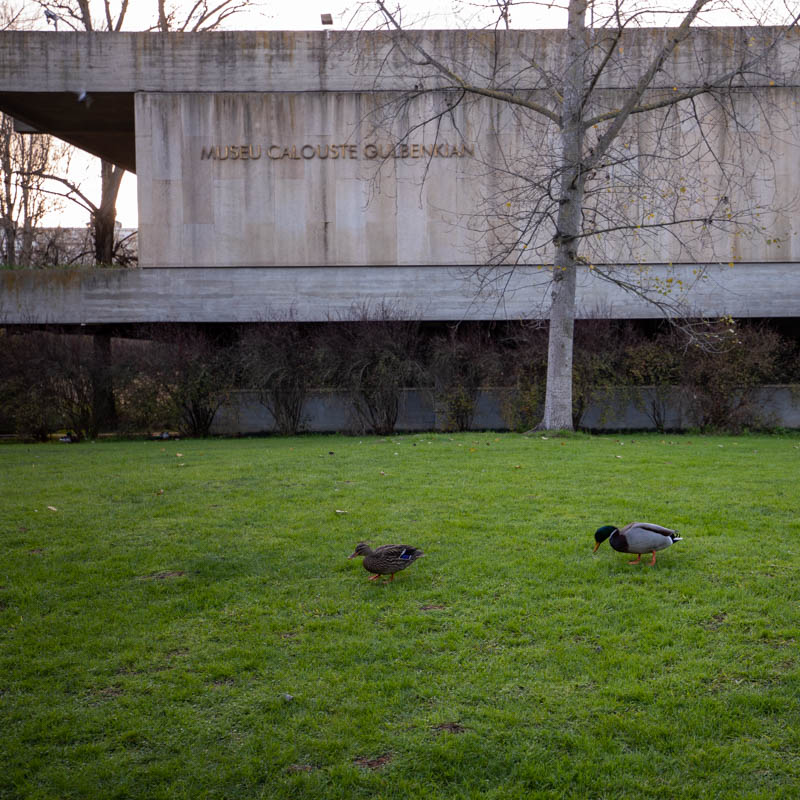
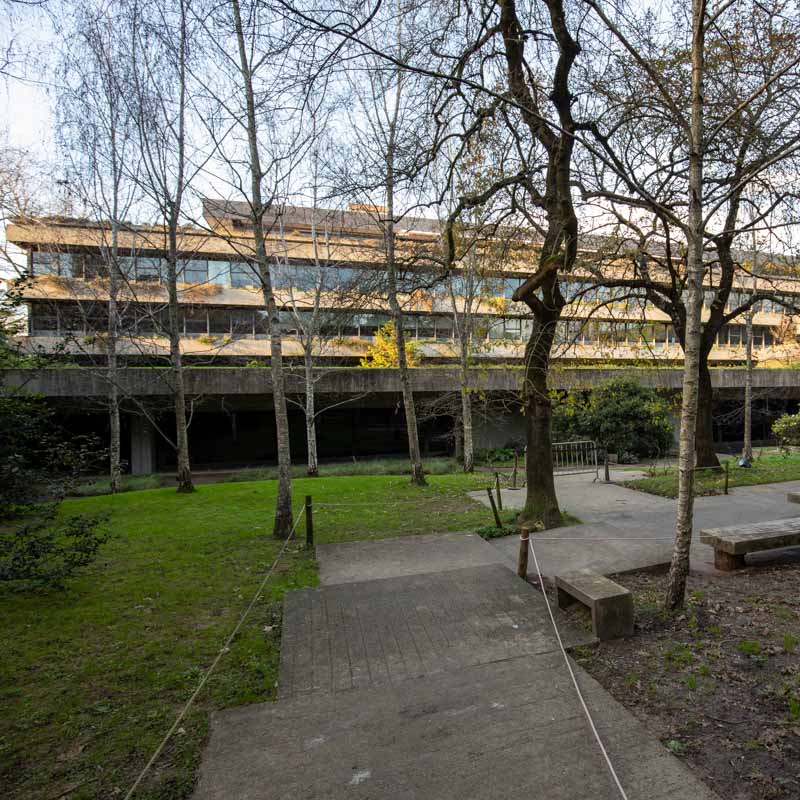
More than a museum or a foundation, Gulbenkian is a rare place where Lisbon seems to slow down. Created in 1956 through the will of Calouste Sarkis Gulbenkian, the collector and philanthropist of Armenian origin who chose Lisbon for the last years of his life, the institution brought together art, science, education and charity within a single cultural project. The complex of headquarters, museum and garden, inaugurated in 1969, is a landmark of Portuguese modernism: its restrained volumes of concrete and glass seem to rest upon the greenery, in constant dialogue with the garden designed by Gonçalo Ribeiro Telles and António Viana Barreto, one of the most emblematic modern gardens in Portugal. It is worth noticing that rare fusion of architecture, water, trees and silence. Not by chance, the complex received the Valmor Prize and was classified as a National Monument, becoming the first contemporary work to receive that protection in Portugal.
Why it matters
The Calouste Gulbenkian Foundation was established in Lisbon in 1956, fulfilling the will of Calouste Sarkis Gulbenkian, an Armenian-born collector and philanthropist who lived in the city during the final years of his life. The institution was created to work in the fields of art, charity, science and education, yet it soon acquired a very clear physical form as well: bringing together in one place its headquarters, auditoriums, library and the founder’s collection. The Palhavã site was acquired in 1957 and construction of the complex began in 1962, under the direction of Luís Guimarães Lobato. The headquarters and museum building were inaugurated on 2 October 1969, a date chosen to mark the centenary of Gulbenkian’s birth. In 1983, the ensemble was expanded with the Centre for Modern Art, created to house the Portuguese modern and contemporary art collection. The site’s cultural and architectural importance was recognised with the Valmor Prize in 1975 and with classification as a National Monument in 2010, which the Foundation itself describes as the first such status granted to a contemporary work in Portugal.
Architecture and history
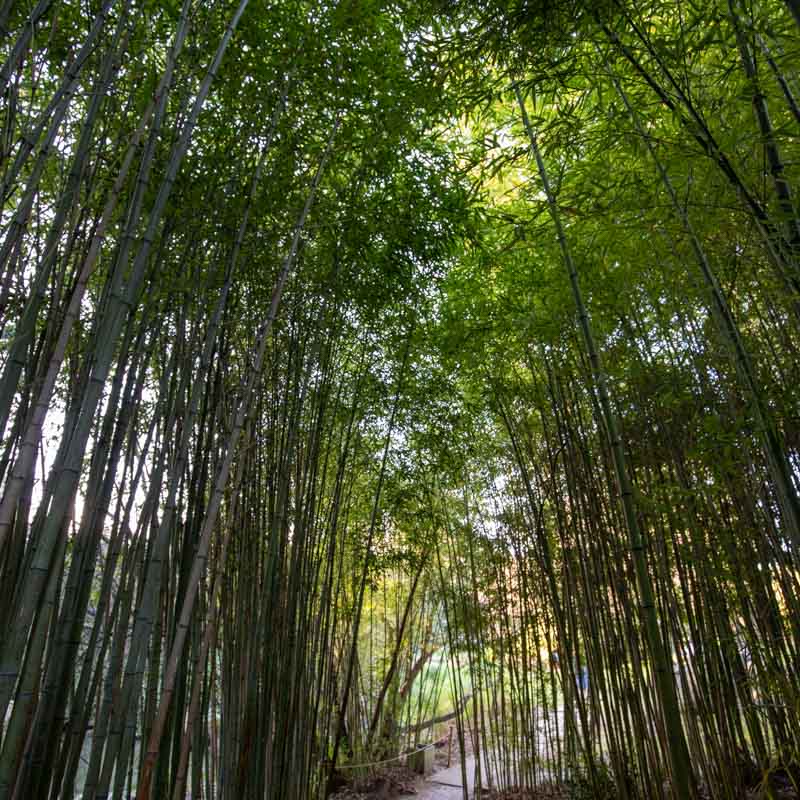
What makes Gulbenkian distinctive is the way architecture and landscape were conceived as a single work. The headquarters and museum, designed by Ruy d’Athouguia, Alberto Pessoa and Pedro Cid, are organised as restrained horizontal volumes in which concrete, stone and bronze-tinted glass predominate. Planted roofs extend the greenery across the buildings and help integrate the whole into the surrounding park. Inside, the headquarters has a modular, layered character, with a fluid circulation linking auditoriums, rooms and exhibition areas. The museum was designed around two interior gardens and repeatedly opens to the outside through large glazed spans, creating a constant dialogue between art and nature. The garden, designed by António Viana Barreto and Gonçalo Ribeiro Telles, is one of the major examples of modern garden design in Portugal. Instead of rigid axes, it offers clearings, masses of vegetation, filtered light and small micro-landscapes inspired by Portuguese ecology and scenery.
More context
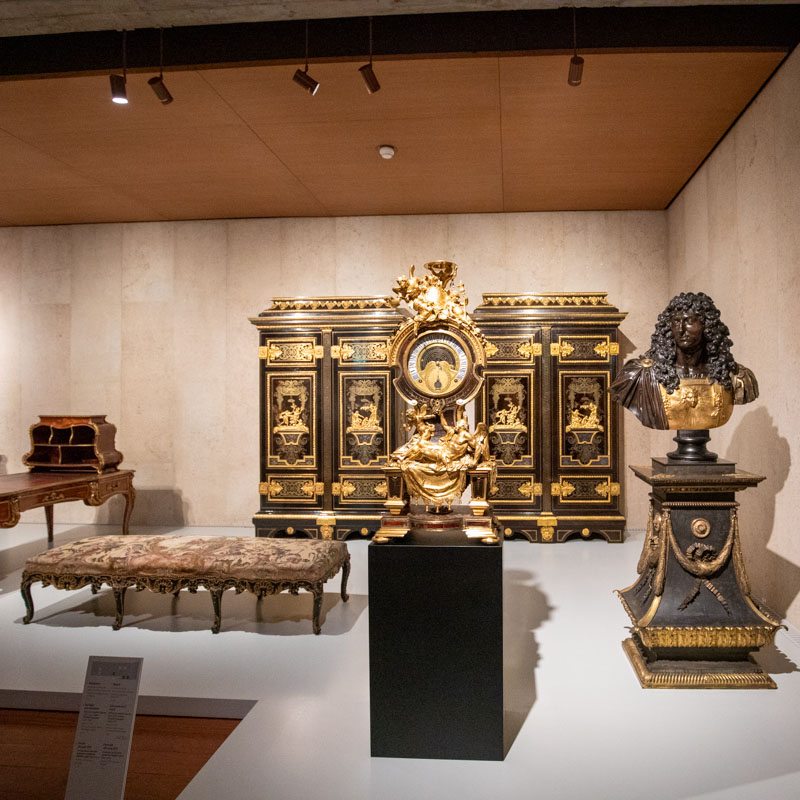
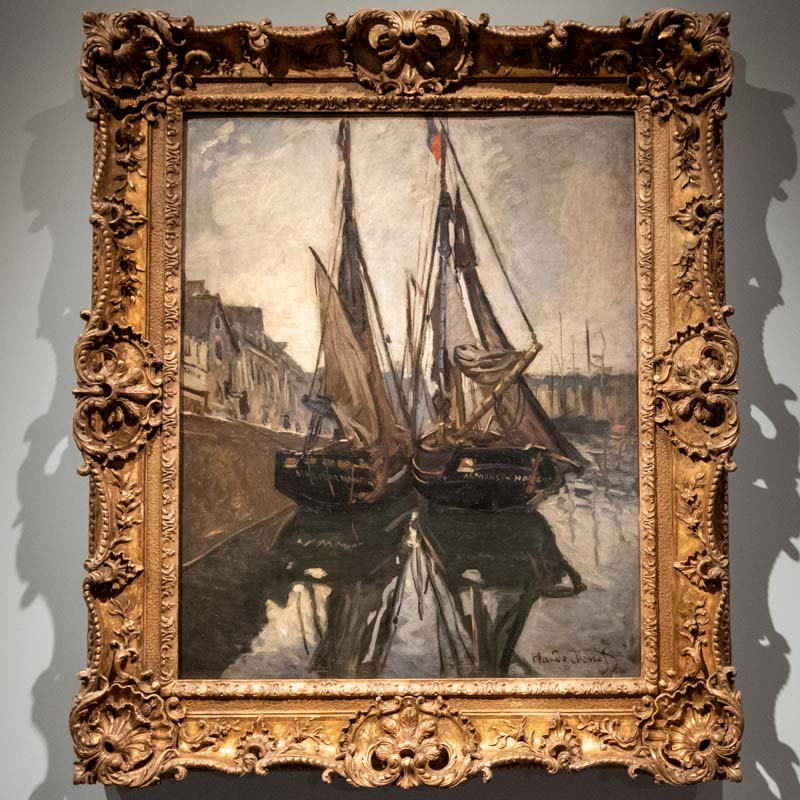
The central lake and the surrounding clearings reveal the essential idea of the whole ensemble: the buildings do not dominate the garden, they emerge from it. It is worth paying attention to the alternation between densely wooded areas and bright openings, because this sequence shapes the experience of the site and frames views of the headquarters, the museum and the CAM. At the entrance to the headquarters, Almada Negreiros’s panel Começar deserves close attention for the way it links public art, geometry and modernist thought. In the Calouste Gulbenkian Museum, when accessible, the two exhibition routes help explain the logic of the founder’s collection, from Egyptian, Mesopotamian and Islamic art to European painting, sculpture, books and decorative arts, with particular emphasis on eighteenth-century French works. At the southern end of the complex, the CAM extends that narrative with the most complete collection of Portuguese modern and contemporary art. Gulbenkian is especially rewarding for anyone who notices the relationship between artworks, pathways, water, shade and silence.
Gallery