Castelo de Porto de Mós

Porto de Mós · Leiria

Castelo de Porto de Mós

CastleXIIMilitary Architecture
Rua do Castelo 3, 2480-335 Porto de Mós4.4 Rating · 3,44860 min

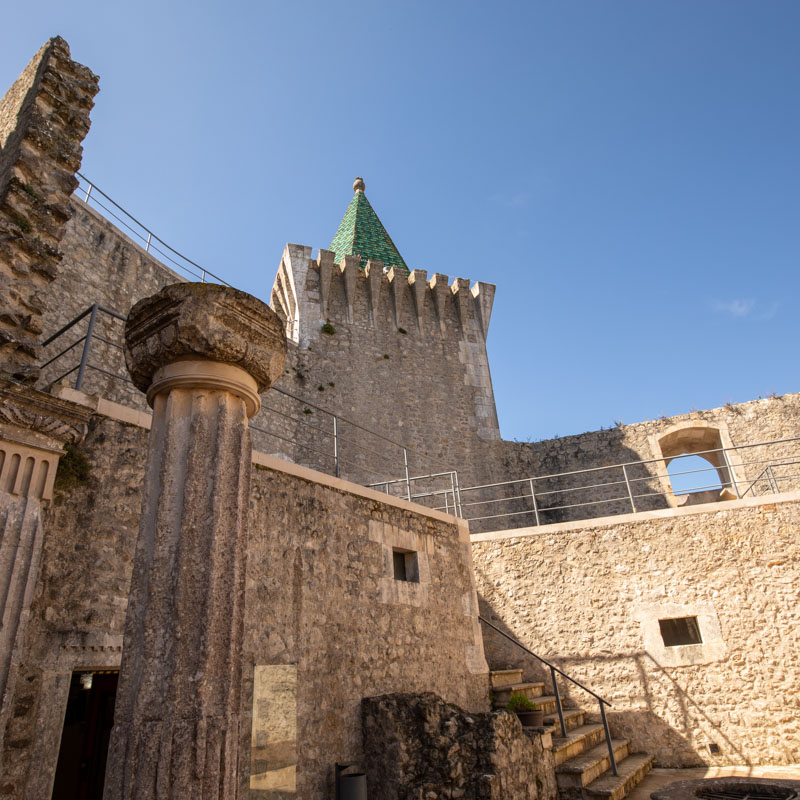
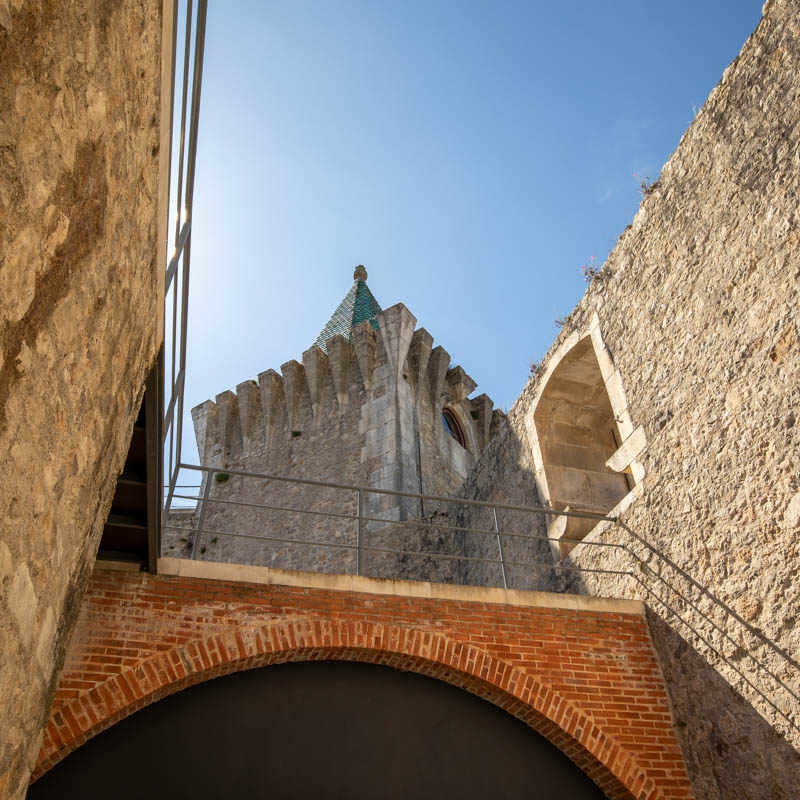
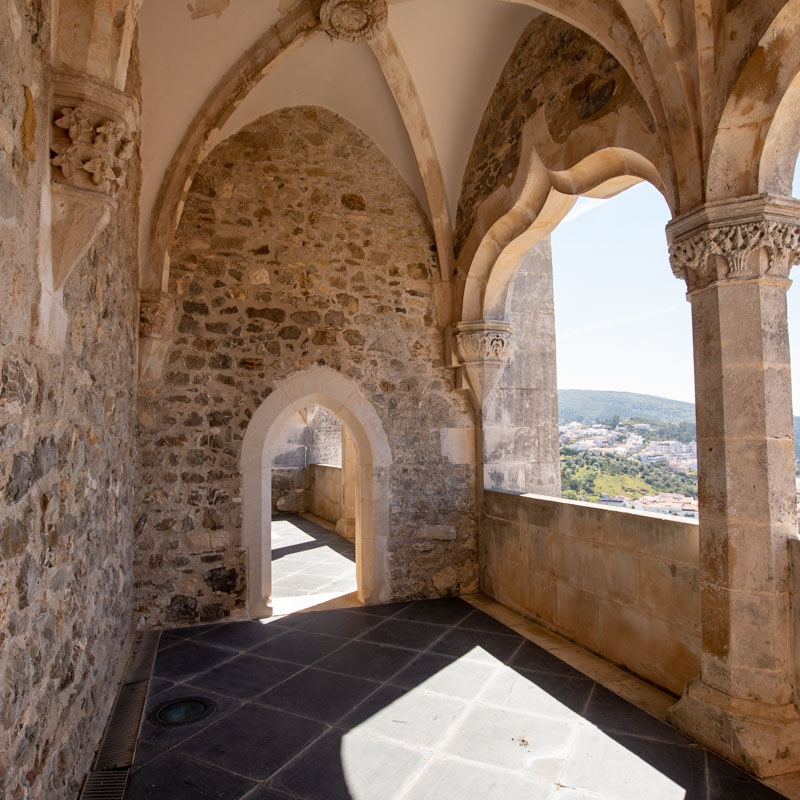
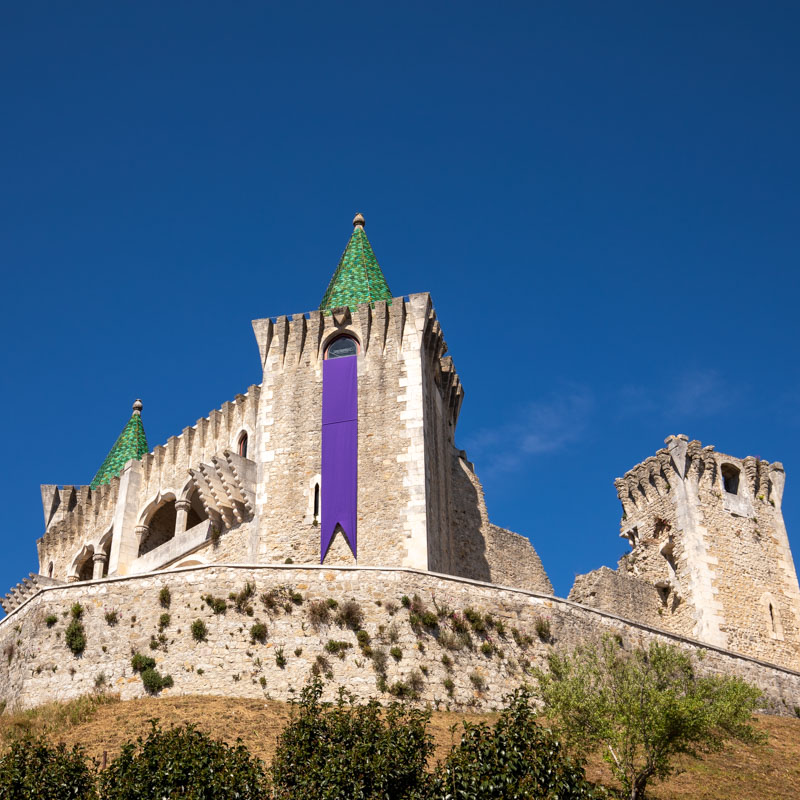
In Porto de Mós, the castle is recognised from afar by the green spires that give it an almost theatrical silhouette. The fortress began under the initiative of Portugal’s first kings and was enlarged by King Dinis, but it gained its most distinctive profile in the fifteenth century, when Afonso, Count of Ourém, added a palace-like residence with a panoramic loggia and a pentagonal plan of unusual clarity. On the eve of Aljubarrota, it housed the Portuguese army; afterwards, it moved away from war and closer to comfort and display. Abandonment and earthquakes, above all the one in 1755, left it in ruins, until twentieth-century restorations gave the town back its most emblematic image. From the top of the hill, between pale stone and balconies open to the landscape, one understands why this castle seems to bring together two natures: a medieval fortress and a dreamed palace.

Why it matters

The Castle of Porto de Mós rises above the town and began as a response to the need to control routes crossing the Maciço Calcário Estremenho, linking the Middle Tagus and Upper Estremadura. Its earliest origins are not fully clear. The existence of an Islamic watchtower has been suggested, but the heritage source notes that secure material evidence for that phase is lacking. The more consistent military construction is attributed to D. Sancho I, around 1200, and was later enlarged and reinforced during the reign of D. Dinis. The decisive moment for its present image came in the 15th century, when D. Afonso, Count of Ourém and first Marquis of Valença, transformed the fortress into a palace with residential and representative ambition. The castle therefore ceased to speak only of war and also began to show noble prestige, artistic taste and territorial power.

Architecture and history

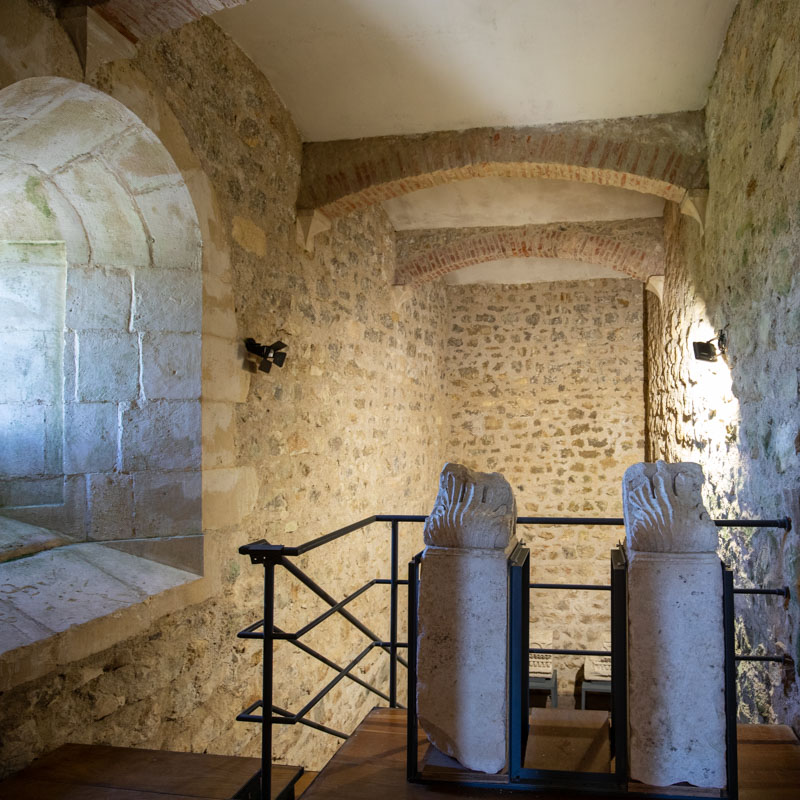
The pentagonal plan gives the castle a clear and unusual reading, reinforced by turrets at the angles. The main façade, facing south, is the most expressive part: a central body is framed by two towers topped with pyramidal roofs, creating an easily recognisable silhouette in the landscape of Porto de Mós. The round-arched portal does not lead only into a fortification; it is topped by a panoramic loggia, linked more to palace architecture than to military defence. Inside, the central courtyard organises circulation and includes the cistern, an essential feature for the autonomy of any fortified enclosure. The continuous gallery of the noble floor and the tower crowns show how the 15th-century reform sought comfort, representation and visual effect, without completely erasing the earlier defensive structure.

More context

The south façade sums up the monument’s identity: notice the contrast between the castle entrance and the palace loggia, a sign of a fortress converted into a noble residence. The two towers with pyramidal roofs help identify the aristocratic phase of the complex and make the castle visible as a landmark of the town. In the courtyard, the cistern recalls the practical needs of defence and permanence, while the distribution of the spaces shows an organisation already designed for living and receiving guests. Also observe how the castle dominates the surrounding routes and landscape. That position explains its military origin, but the presence of the loggia changes the reading: from there, one sees not only a lookout point, but also a setting built to affirm status, culture and control over the territory.

Gallery

Castelo de Porto de Mós 1
Castelo de Porto de Mós 2
Castelo de Porto de Mós 3
Castelo de Porto de Mós 4
Castelo de Porto de Mós 5

Nearby places

View all