Ourém · Santarém
Castelo e Paço dos Condes de Ourém
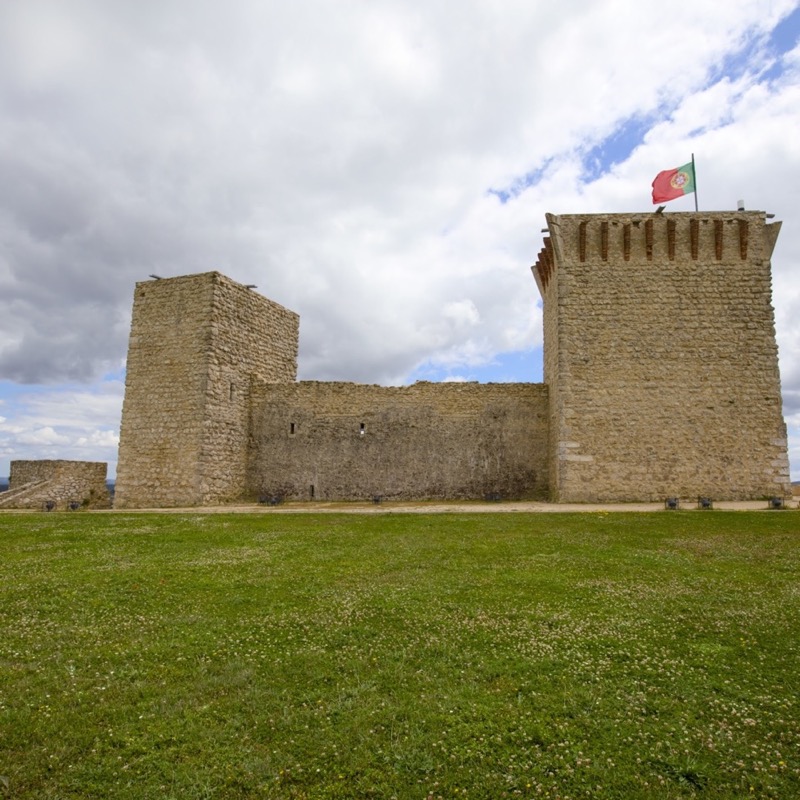
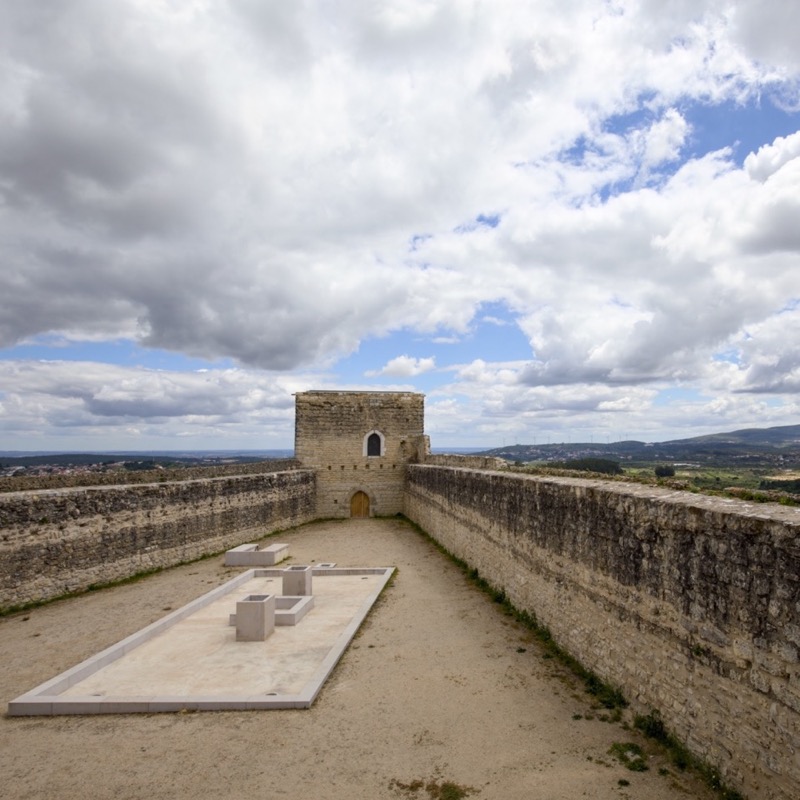
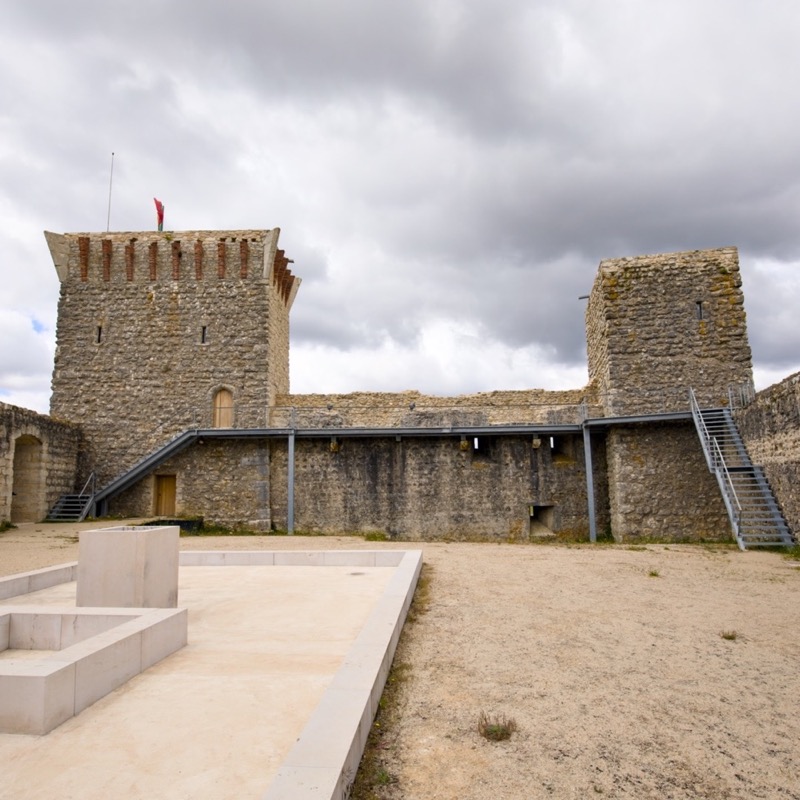
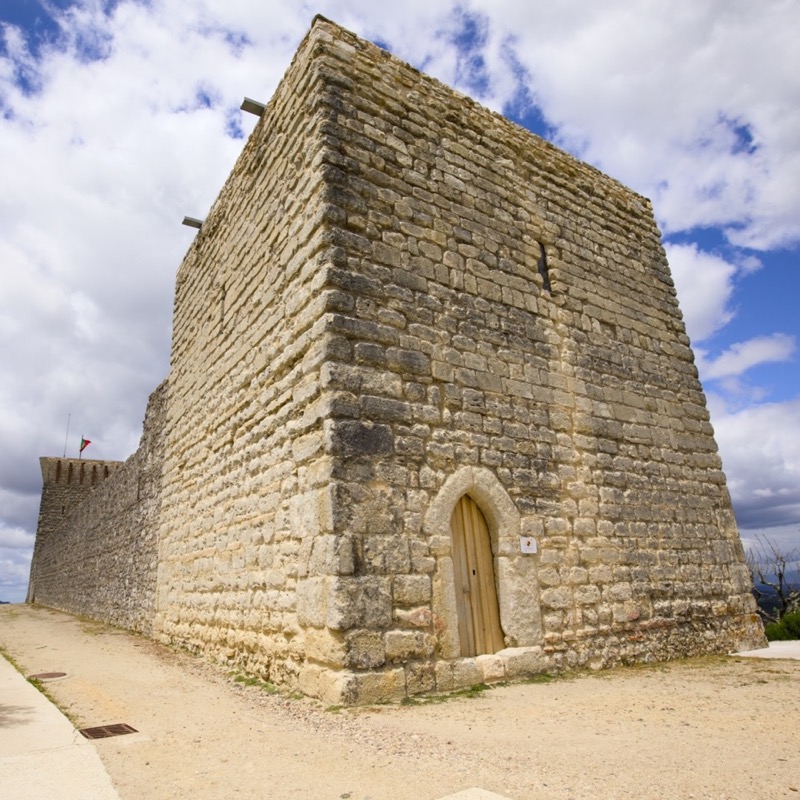
At the top of the Medieval Village of Ourém, the Castle and the Palace of the Counts bring together different centuries in a single silhouette of stone. The castle, associated with the Christian reconquest of the region by King Afonso Henriques in 1136, was built between the 12th and 13th centuries. Its triangular enclosure, marked by three quadrangular towers, preserves at its centre a cistern that recalls the site’s defensive role. In the 15th century, Afonso, 4th Count of Ourém, had the Palace of the Counts and the towers built as his official residence. The central residential tower, flanked to the south by two defensive towers, shows a seigneurial assertion that is rare in the Portuguese landscape. The complex suffered major destruction in the 1755 earthquake and deteriorated again during the French Invasions. Classified as a National Monument since 1910, it continues to mark, at the top of the hill, the military and comital memory of Ourém.
Why it matters
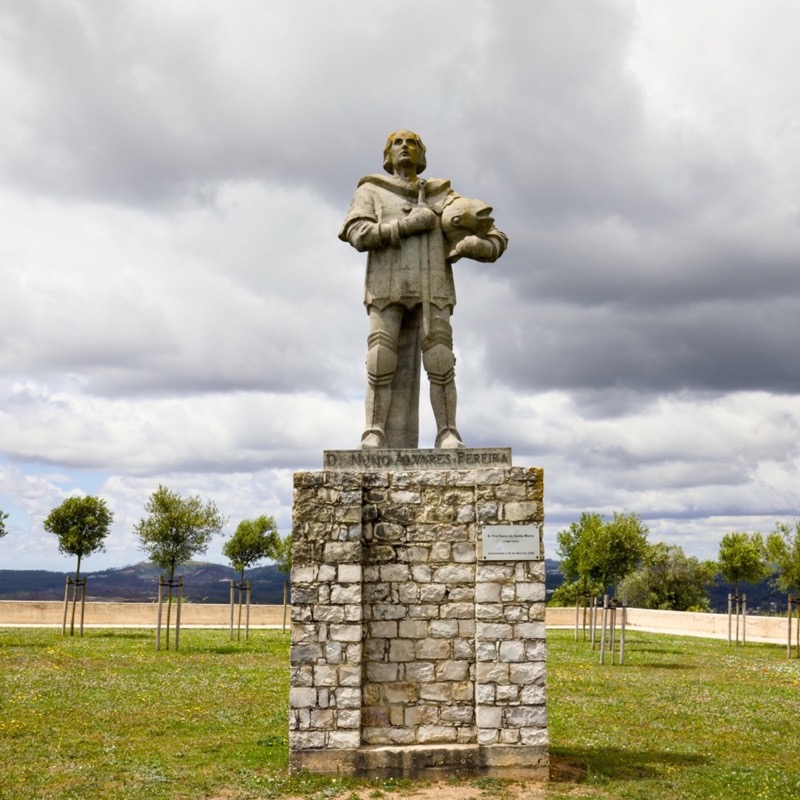
Ourém Castle, located in the charming town of Ourém, stands as a living testament to Portugal's rich history. Its origins date back to the 12th century when King Afonso Henriques, the first King of Portugal, granted these lands to his loyal companion Dinis de Azevedo. Over the centuries, the castle witnessed numerous historical events, including battles and sieges during the succession crisis of 1383-1385. This period was crucial in asserting Portugal's independence from Castile. The castle was also the residence of Nuno Álvares Pereira, one of Portugal's most revered national heroes, adding further significance to the site in the country's history.
Architecture and history
Ourém Castle boasts impressive architecture, with traces of different eras, reflecting the various renovations over the centuries. Its structure comprises three sturdy towers connected by thick walls, creating an imposing fortress that dominates the surrounding landscape. One of the castle's most notable features is its strategic location atop a hill, offering panoramic views of the Nabão River valley, providing a natural defence against invasions. The towers are square-shaped, a typical feature of medieval military constructions, and the keep, the tallest of the towers, stands out as a symbol of power and vigilance. Moreover, the castle is surrounded by a walled medieval village, where remnants of dwellings and structures that once served the local community can still be found.
More context
When visiting Ourém Castle, travellers are invited to explore not only the fortified structure but also the historical surroundings of the medieval village. Inside the castle, it is possible to climb the towers and enjoy stunning views of the surrounding landscape. The medieval village, with its narrow streets and ancient houses, offers a journey back in time, transporting visitors to the medieval era. Near the castle, the Collegiate Church of Nossa Senhora da Misericórdia is also worth a visit. This Gothic monument, built in the 15th century, houses an important collection of religious art. Finally, the Count of Ourém's House, an elegant noble residence, is an excellent complement to the visit, providing a deeper understanding of the local history and culture.
Gallery