Monumento Natural das Pegadas de Dinossáurios

Ourém · Santarém

Monumento Natural das Pegadas de Dinossáurios

Natural MonumentXXNatural Architecture
Estrada de Fátima, 2490-216 Ourém4.2 Rating · 73850 min

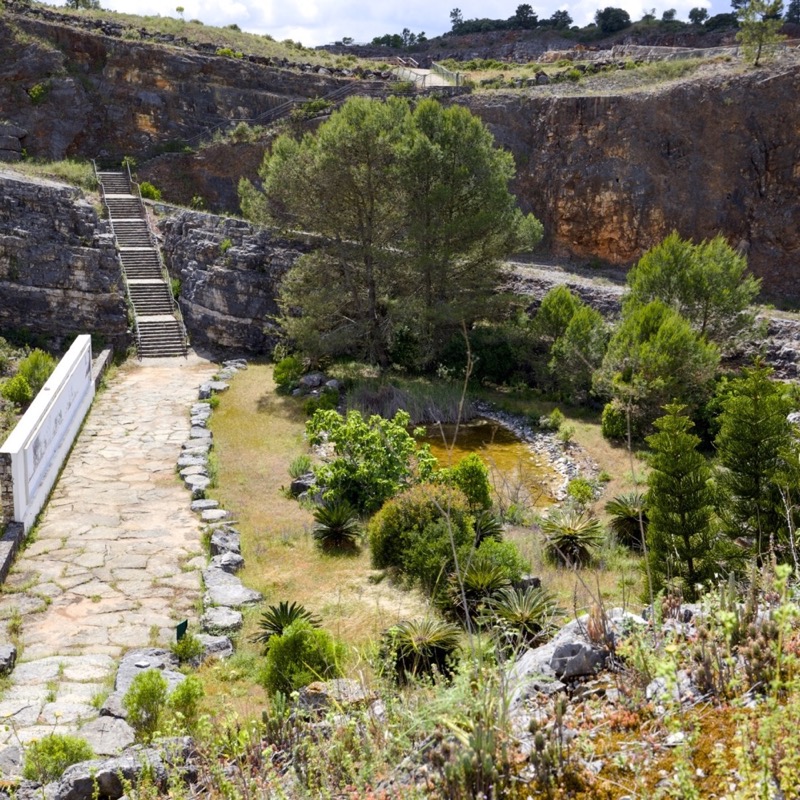
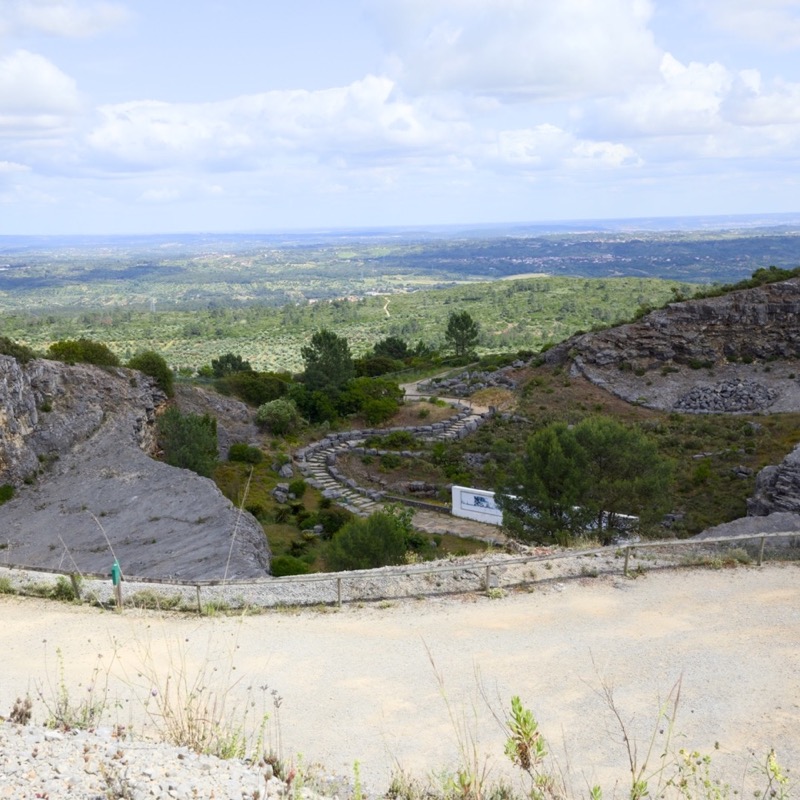
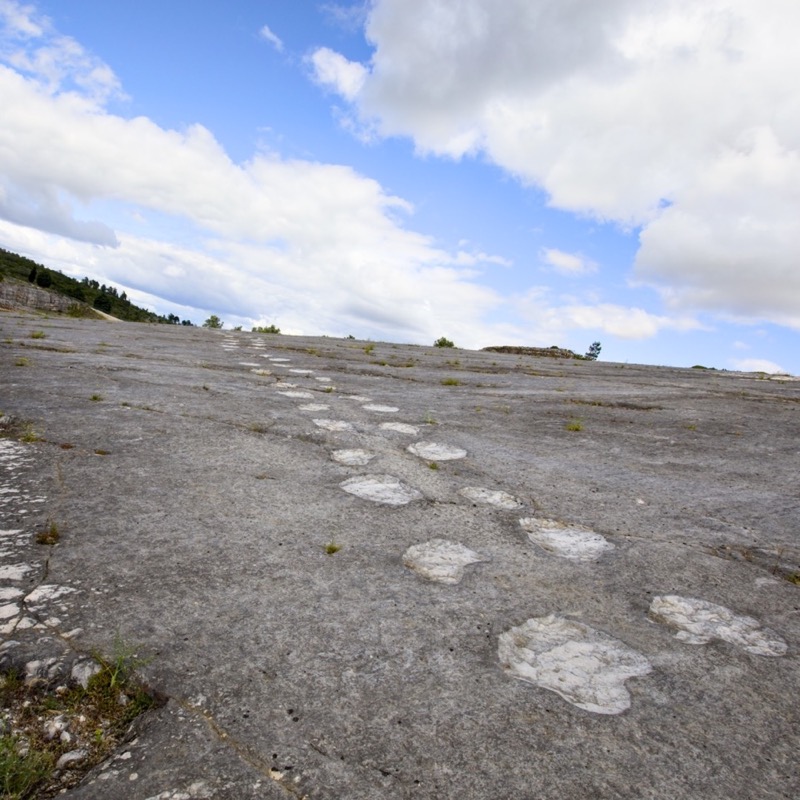
The Ourém/Torres Novas Dinosaur Footprints Natural Monument lies in the Serra de Aire, near the village of Bairro, on the boundary between the municipalities of Ourém and Torres Novas. The former Pedreira do Galinha quarry revealed a limestone slab where hundreds of footprints of sauropod dinosaurs, large four-legged herbivores from the Jurassic, have been preserved. The site was classified in 1996, by Regulatory Decree no. 12/96, with the aim of conserving the Cabeço dos Casanhos ichnofossil deposit, promoting its scientific study and communicating its environmental and palaeoenvironmental value. On the rocky surface, the footprints are arranged in around twenty trackways; the longest reach 142 and 147 metres, creating a concrete reading of these animals’ movement. The interpretive route allows visitors to observe elliptical marks from the feet and smaller impressions from the hands, inscribed in the limestone like a silent sequence of their steps.

Why it matters

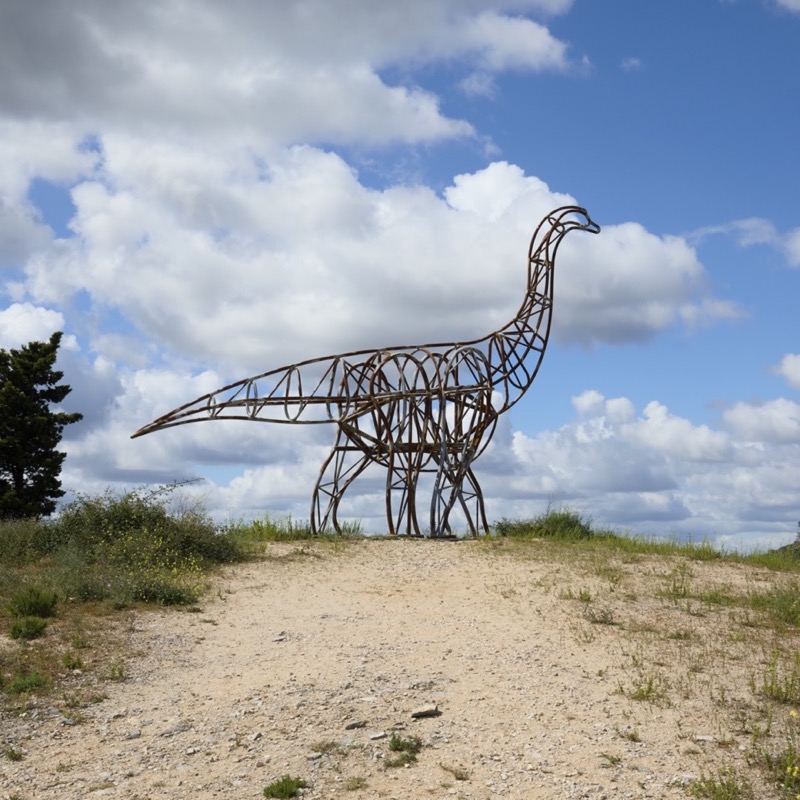
The Natural Monument of Dinosaur Footprints, located in the Serra de Aire near Fátima, is one of the most fascinating sites for palaeontology and natural history enthusiasts in Portugal. Discovered in 1994, this monument preserves one of the largest and oldest tracks of sauropod dinosaur footprints in the world. Dating back to the Middle Jurassic period, around 175 million years ago, these footprints are evidence of the presence of enormous herbivorous dinosaurs that once roamed this region, then a vast coastal plateau. The footprints, spread across three main trails, reveal the slow and ponderous gait of these giants, offering a unique glimpse into Earth's distant past.

Architecture and history

This palaeontological site covers an area of about 60,000 square metres and features over 20 trackways, with the most impressive footprints reaching up to 1.2 metres in diameter. The footprints were imprinted in limestone, a type of sedimentary rock that, over millennia, underwent fossilisation processes, preserving these marks to this day. Analysis of the footprints suggests that the dinosaurs that left them were between 30 to 40 metres long and weighed up to 70 tonnes. The site is also notable for the clarity with which the footprints have been preserved, allowing visitors to observe details such as the shape of the toes and the movement of the limbs.

More context

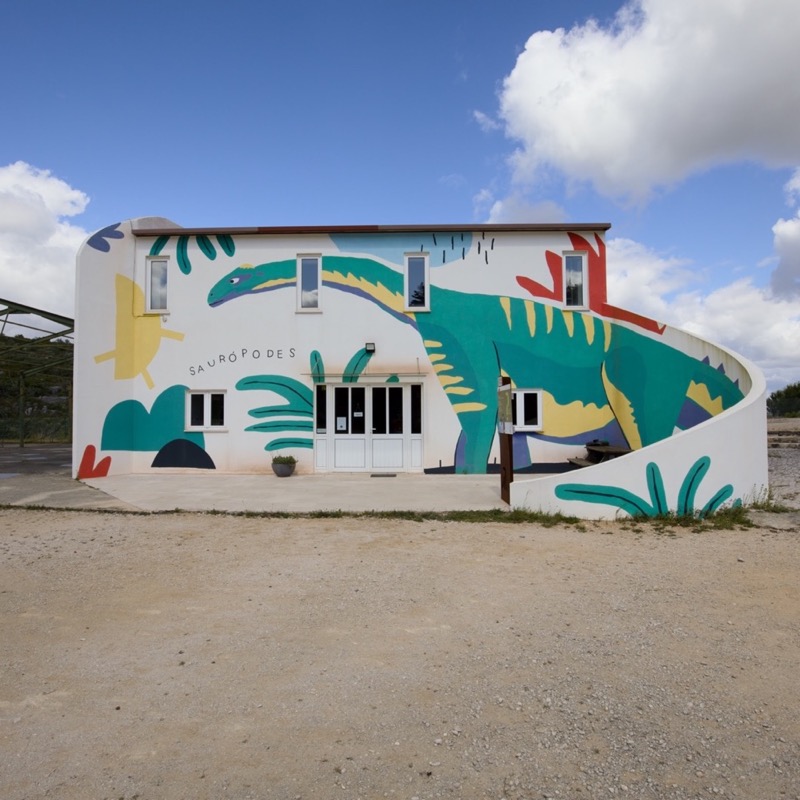
When visiting the Natural Monument of Dinosaur Footprints, visitors can follow well-marked trails leading to the areas where the footprints are best preserved. Informative panels along the route explain the geological history of the site, the characteristics of the dinosaurs that lived there, and the fossilisation process. Besides the footprints, the surrounding natural environment of the Serra de Aire offers hiking trails that allow you to explore the region's flora and fauna. For the more curious, the Interpretation Centre of the Monument provides educational exhibits about the age of dinosaurs and the Earth's evolution, complementing the outdoor experience with detailed and interactive information.

Gallery

Monumento Natural das Pegadas de Dinossáurios 1
Monumento Natural das Pegadas de Dinossáurios 2
Monumento Natural das Pegadas de Dinossáurios 3
Monumento Natural das Pegadas de Dinossáurios 4
Monumento Natural das Pegadas de Dinossáurios 5

Nearby places

View all