
Convento de Cristo

Tomar · Santarém

Convento de Cristo

ConventXIIReligious Architecture
Igreja do Castelo Templário, 2300-000 Tomar4.7 Rating · 18,933120 min

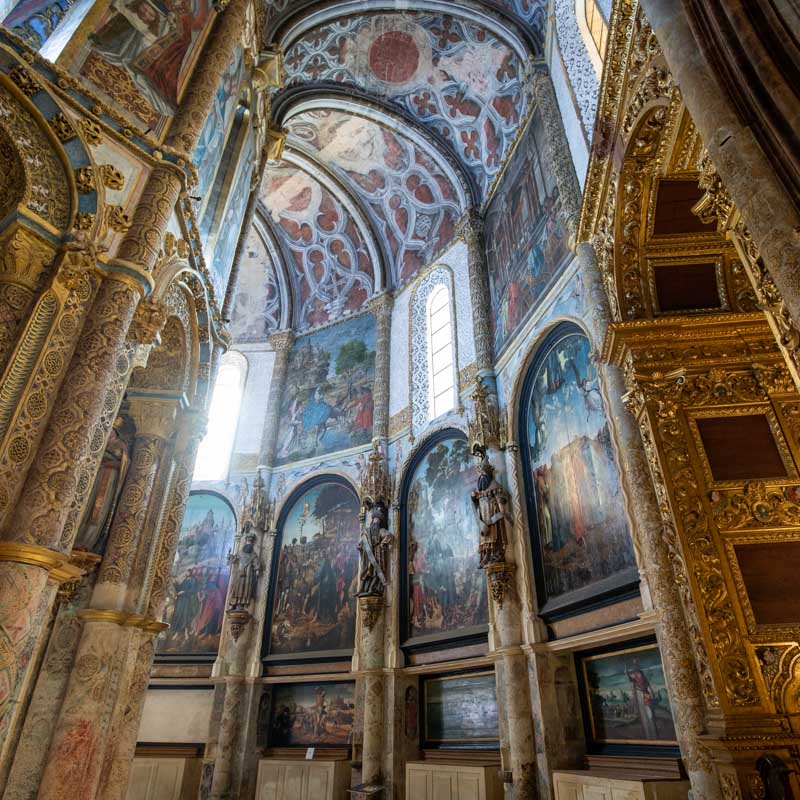
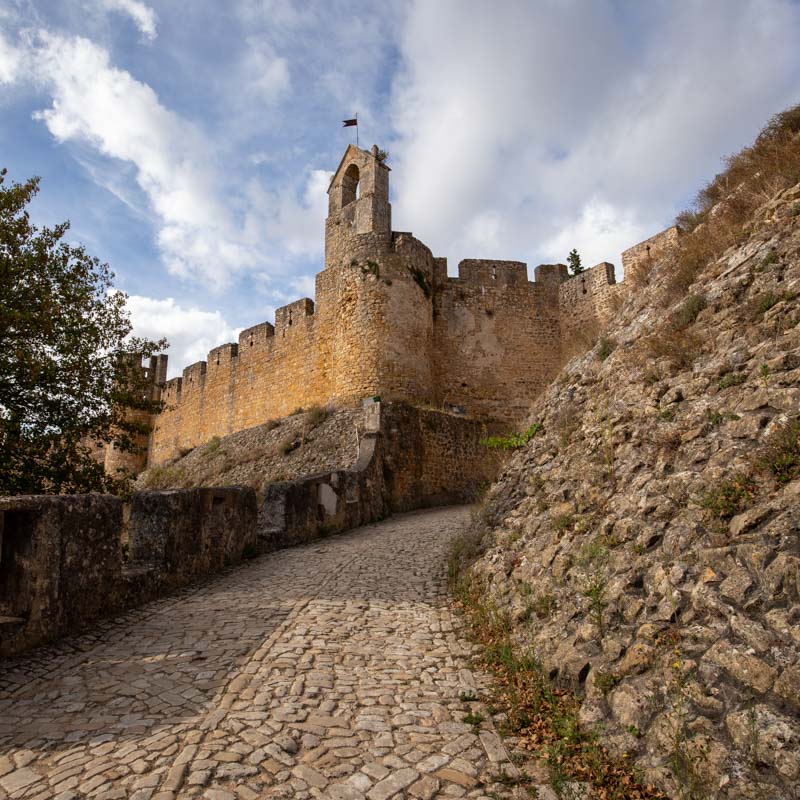
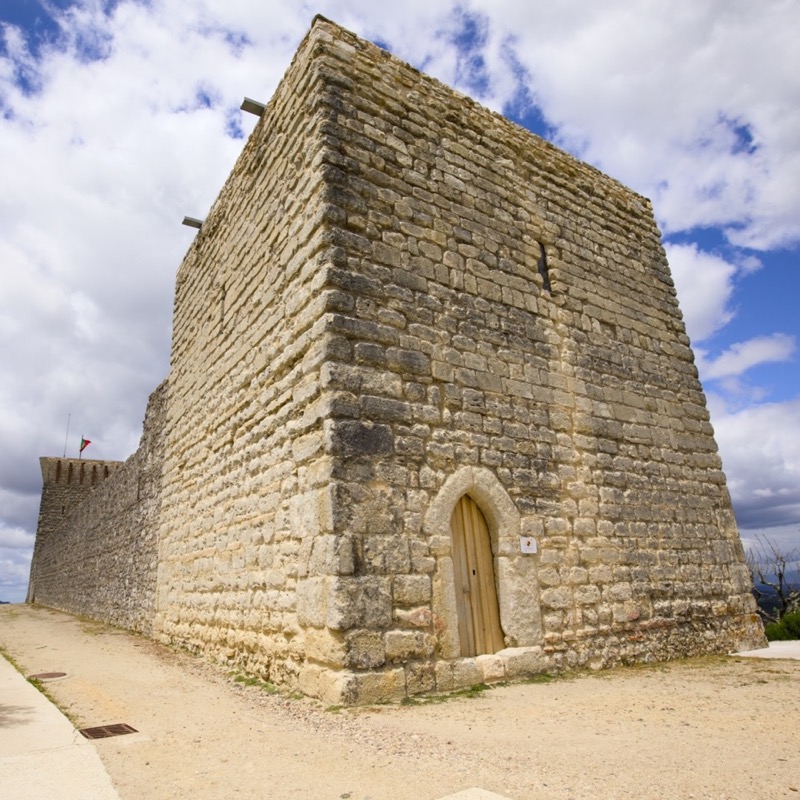
On a hilltop overlooking Tomar, the Convent of Christ brings together the former Templar Castle, the convent of the Order of Christ and other spaces connected with its historic enclosure. Its history begins in 1160, with the foundation of the castle by the Templars. At its centre stands the Charola, a Romanesque oratory inspired by the Holy Sepulchre in Jerusalem, later enriched with painting, sculpture and gilded woodcarving. After the extinction of the Templars, the Order of Christ received this heritage; under Prince Henry the Navigator new cloisters were built, and King Manuel I enlarged the convent church, where the celebrated Chapter House Window stands out. Built over several centuries, the complex brings together Romanesque, Gothic, Manueline, Renaissance, Mannerist and Baroque elements. Inscribed on the UNESCO World Heritage List in 1983, it remains a monumental reading of Portuguese history.

Why it matters

On the hill that dominates Tomar, the Convent of Christ brings together castle, church, cloisters, convent enclosure and aqueduct in one of Portugal’s most significant heritage ensembles. Its origin lies in the castle founded in 1160 by Gualdim Pais, master of the Templars in Portugal, during the time of the Reconquest. After the extinction of the Order of the Temple in 1312, its Portuguese inheritance passed to the Order of Christ, created in 1319. The place gained new meaning in the fifteenth and sixteenth centuries, when the Order became linked to Portuguese maritime expansion. Under D. Manuel I, the former Templar church was extended westwards and received a decorative language rich in symbolism. With D. João III, the reform of the Order turned the friars into enclosed religious men, requiring new convent spaces. The ensemble has been on the UNESCO World Heritage List since 1983.

Architecture and history

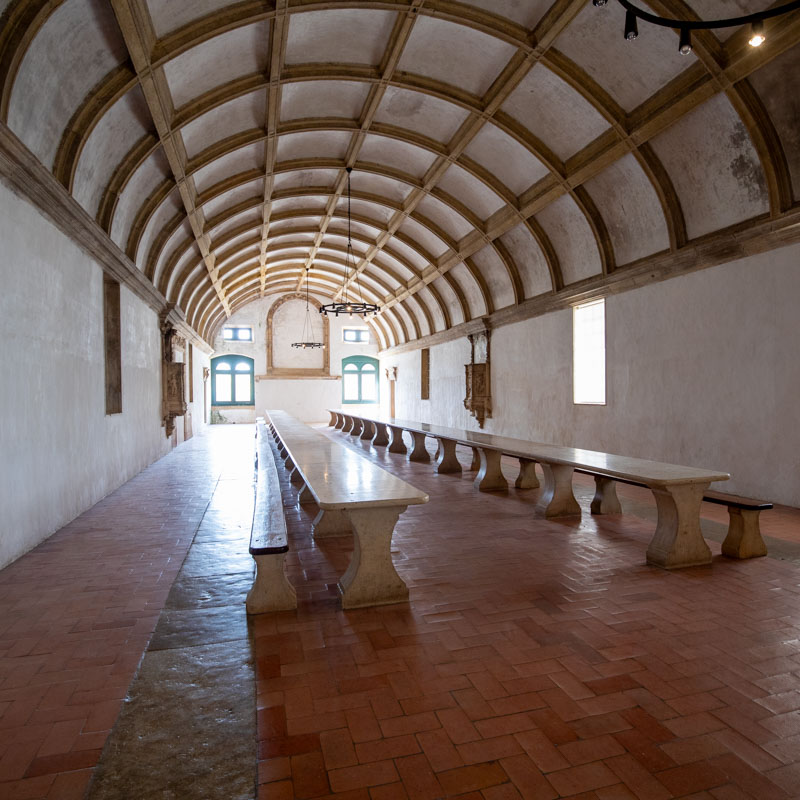
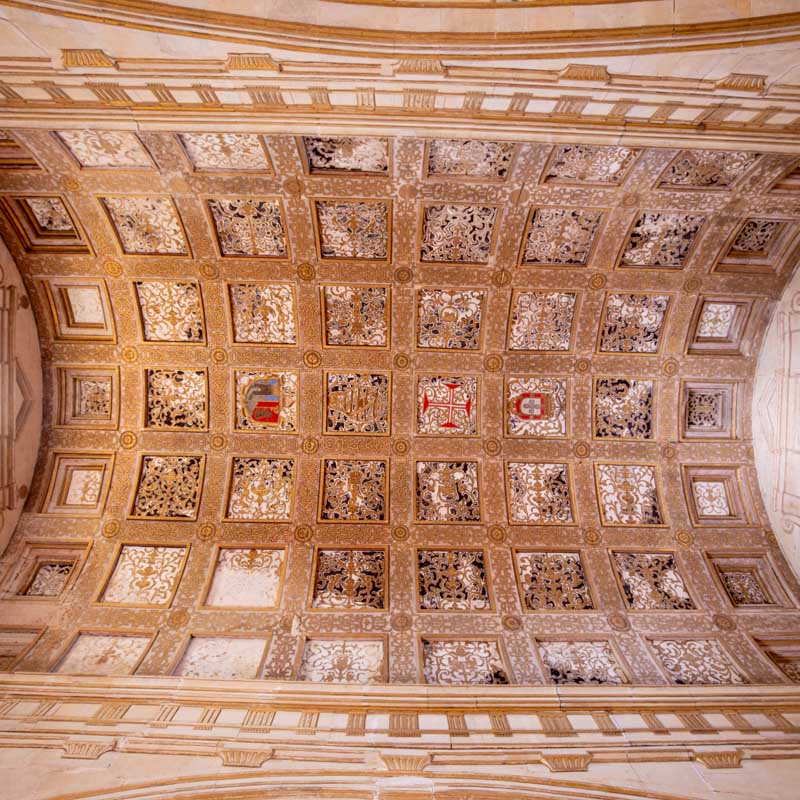
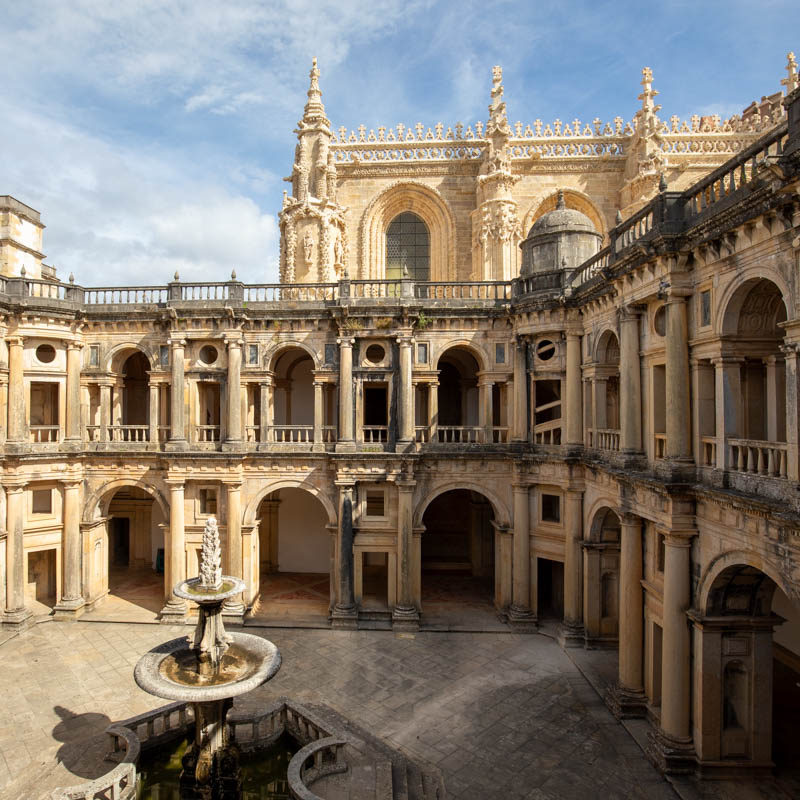
The Charola is the ancient heart of the monument. This medieval Templar round church is organised around an octagonal core with an ambulatory and links the architecture of Tomar to the memory of the Holy Sepulchre in Jerusalem. The Manueline extension opened the church into a western nave, creating a spatial sequence between the rotunda, the choir and the former chapter room. On the exterior of this area stands the famous Chapter Window, built between 1510 and 1513, where ropes, knots, plant forms and heraldic motifs make the symbolism of the Manueline period visible. Further west, the sixteenth-century reform organised new dormitories, rooms and cloisters with a Renaissance character. The result is not a building of a single period, but a reading of centuries: Templar Romanesque, Gothic, Manueline, Renaissance, Mannerist and Baroque elements coexist within the same enclosure.

More context

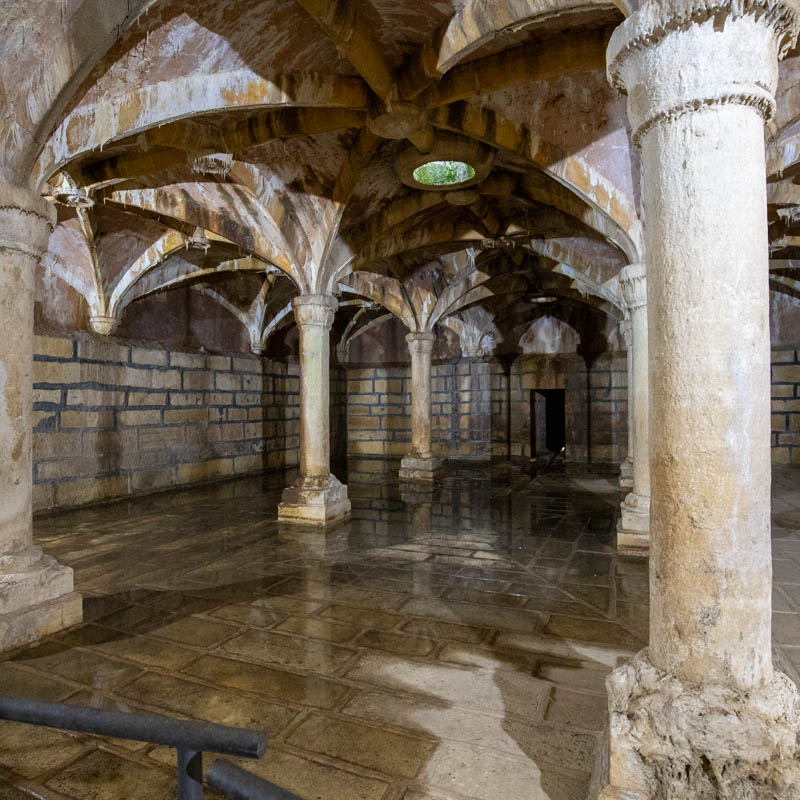
The Chapter Window deserves slow observation, because it turns stone into a political, religious and maritime discourse. Its decorative richness is not merely ornamental: it helps explain how the Order of Christ became associated with Portugal’s image during the age of expansion. In the Charola, notice the circulation around the central core, the paintings, gilded woodcarving and figures that surround the worship space. The cloisters tell another part of the story. The Cemetery and Washing cloisters recall phases linked to older convent life, while the Main Cloister shows a more ordered Renaissance language. The Pegões Aqueduct, connected to the convent’s water supply, reminds us that religious life also depended on practical solutions. The relationship with the Seven Hills Forest extends the visit, showing the former convent enclosure as landscape, labour and retreat.

Gallery

Convento de Cristo 1
Convento de Cristo 2
Convento de Cristo 3
Convento de Cristo 4
Convento de Cristo 5

Nearby places

View all