Lisboa · Lisboa
Cinemateca Portuguesa - Museu do Cinema
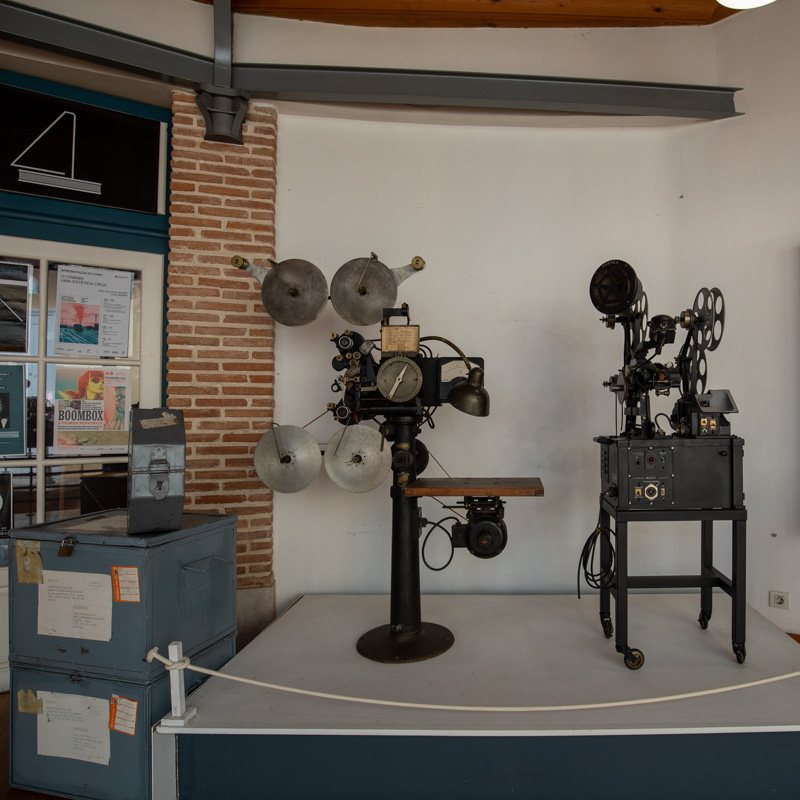
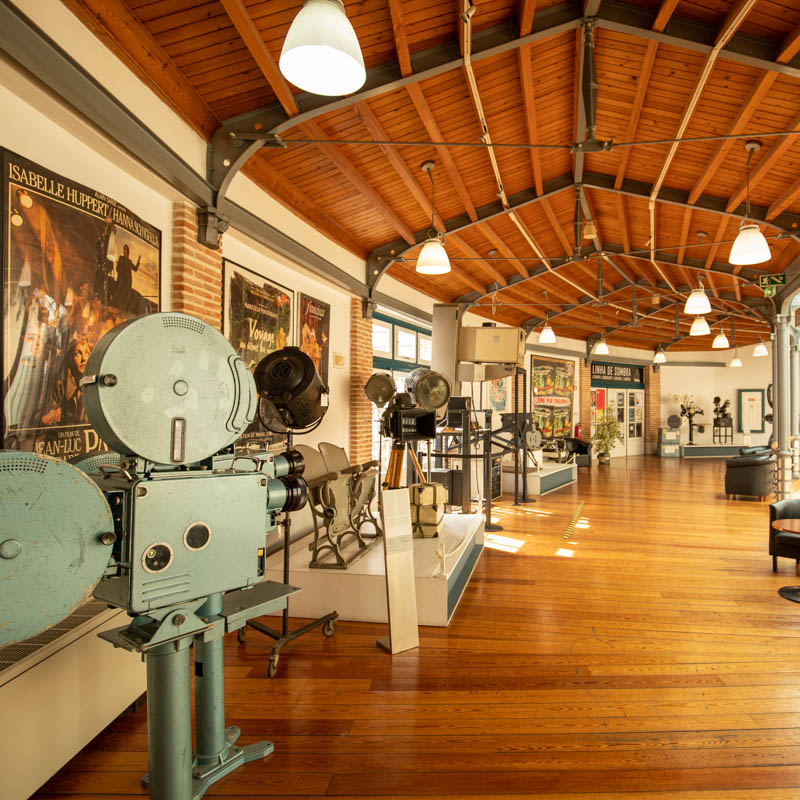
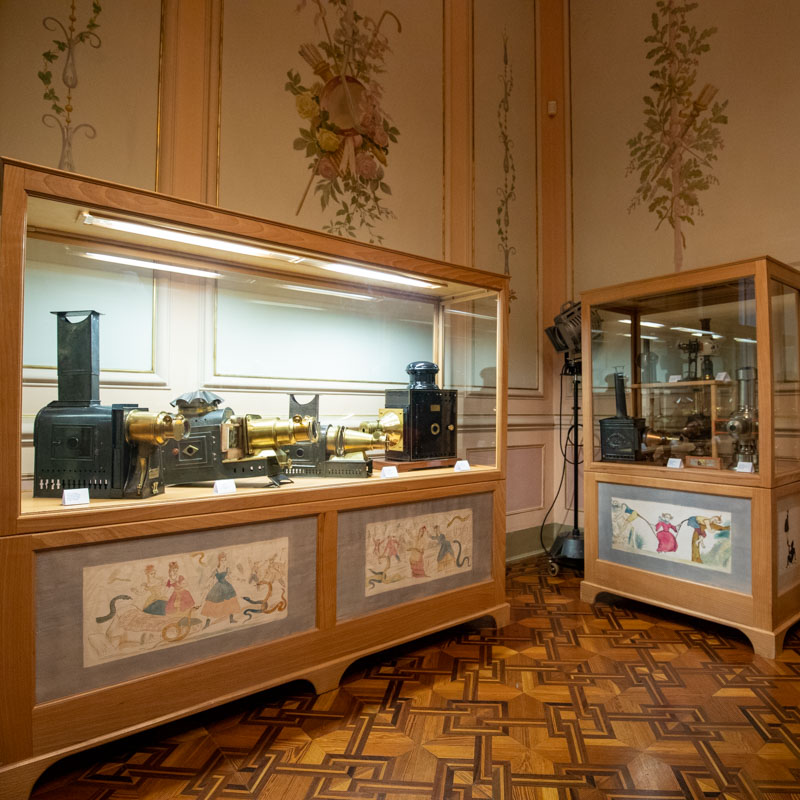
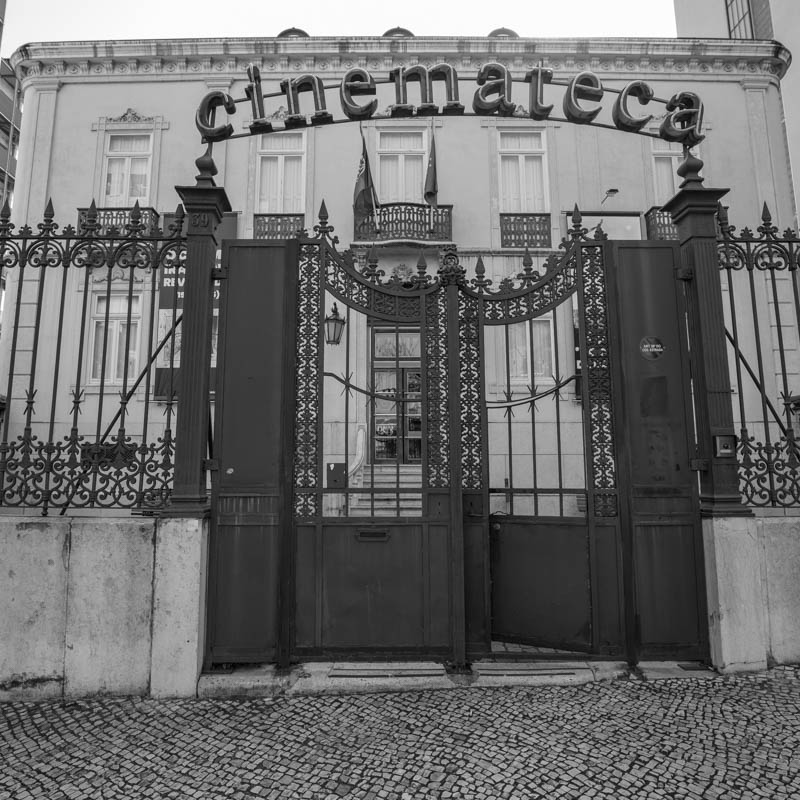
On Rua Barata Salgueiro, the Cinemateca Portuguesa - Museu do Cinema shows that cinema also has a home, a memory and a material presence. The institution was born in the late nineteen-forties and gained its identity through the drive of Manuel Félix Ribeiro; in the early nineteen-eighties it moved into an 1887 townhouse that still preserves stucco work, mythological frescoes and rooms with unexpected names, such as the Cupids and the Oaks. The major refurbishment completed in 2003 added two underground screening rooms and new museum spaces without erasing the building’s domestic character. That contrast helps define the place: it is not only an archive, nor only a cinema. In its collections are magic lanterns, cameras, projectors and other devices that trace the history of moving images, from pre-cinema to the twentieth century. Among objects, books and screenings, it becomes clear that films do not live only on the screen: they also live in the mechanisms that made them possible and in the patient work of preserving them for the future.
Why it matters
The Cinemateca Portuguesa - Museu do Cinema is the place where Portugal preserves, studies and presents an essential part of the memory of moving images. The institution was created in 1948 as the Cinemateca Nacional, and in 1956 it joined the International Federation of Film Archives. Regular public programming began in 1958, at Palácio Foz, together with the opening of the library to the public. The building at Rua Barata Salgueiro, no. 39, was acquired in 1979, and in 1980 a new cinema opened there. From 1981, the services were installed at this address. The Cinemateca’s mission is to collect, protect, preserve and disseminate heritage linked to cinema and the audiovisual field. It is therefore not only a screening venue: it is also an archive, a library, a museum of equipment, a research centre and a place of encounter with the history of cinema.
Architecture and history
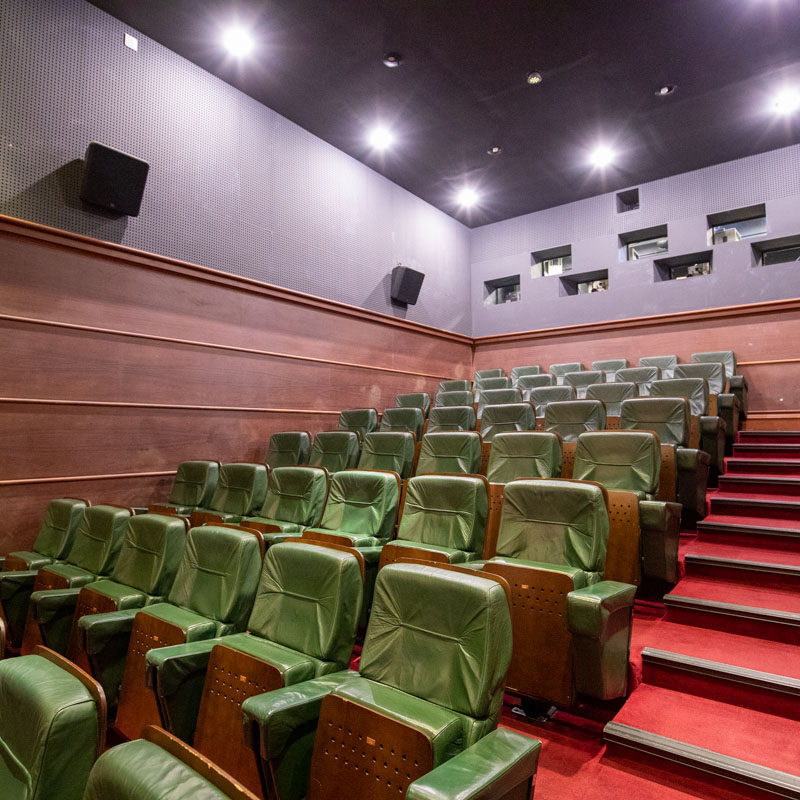
The former 1887 house gives the Cinemateca a discreet urban entrance, very different from the technical scale hidden inside. Between 2001 and 2002, a refurbishment led by Alberto Castro Nunes and António Maria Braga restored the house and reorganised the complex. The first cinema built in the former gardens was demolished, giving way to two underground screens, opened in 2003: the M. Félix Ribeiro Room, with 227 seats, and the Luís de Pina Room, with 47. The intervention also created the 39 Degraus museum space, exhibition rooms, new storage areas, archives, a bookshop and a restaurant. This combination of a 19th-century house, dark screening rooms and archive spaces helps explain the nature of the institution: cinema appears here as public performance, technical object, historical document and collective experience.
More context
The screening rooms are a central part of the visit, because they show that film preservation only gains meaning when films are seen again. Also notice the exhibition spaces: the equipment collection began to be formed in 1948 and brings together objects linked to the technical evolution of cinema, from pre-cinema devices to cameras, projectors, editing tables, sound, lighting and video equipment. At Rua Barata Salgueiro, the Sala dos Cupidos presents magic lanterns from the pre-cinema collection, while the Sala dos Carvalhos displays objects from that period and small-format equipment. The library and photographic archive complete the reading, with books, periodicals, scripts, press cuttings, posters, photographs and programmes. The visit makes clear that a film does not survive only on the screen: it needs supports, machines, documents, conservation and attentive audiences.
Gallery