Jardim Botânico de Lisboa

Lisboa · Lisboa

Jardim Botânico de Lisboa

Botanical GardenXVIILandscape Architecture
Rua da Escola Politécnica 58, 1250-102 Lisboa4.0 Rating · 8,63275 min

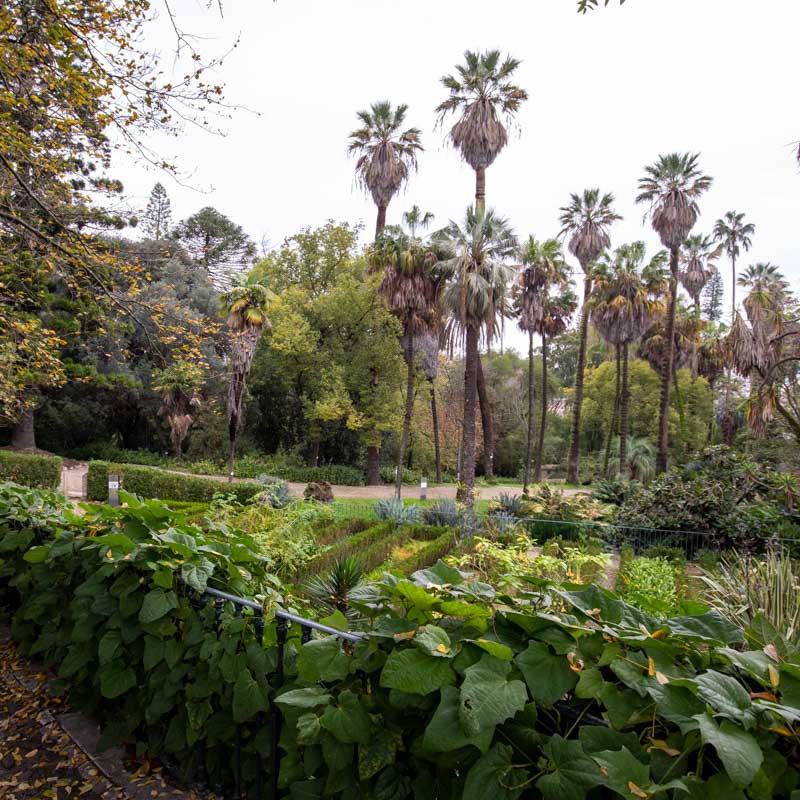
The Botanical Garden of Lisbon is an unexpected refuge in the heart of the city, yet it was born with a very clear scientific purpose. Designed in the mid nineteenth century to support the teaching and study of botany at the Polytechnic School and inaugurated in 1878, it still retains the charm of a garden created to observe, learn and wonder. The more geometric upper area, known as the Classe, opens out with order and light; then the ground falls into the Arboreto, darker and more immersive, where the Avenue of Palms deepens the feeling of stepping away from the city’s noise. Among species from many parts of the world, the collections of cycads, araucarias, palms and tropical figs deserve particular attention, giving the walk a rare botanical richness. Classified as a National Monument, it is a place where Lisbon seems to breathe more slowly.

Why it matters

The Jardim Botânico de Lisboa belongs to the National Museum of Natural History and Science and occupies the former enclosure of the College of Nobles within the complex on Rua da Escola Politécnica. The need for a botanical garden to support the teaching of Botany and the Principles of Agriculture was already written into the 1837 law that created the Polytechnic School. In 1842, José Maria Grande presented the plan for its installation, but the project advanced slowly until it gained new momentum in 1873 under the Count of Ficalho and Andrade Corvo. At that stage, Edmund Goeze organised the area known as the Class, and Jules Daveau, chief gardener from 1876 onwards, developed the arboretum, the irrigation system and the exchange of seeds with other gardens. The space was inaugurated in 1878 and has remained ever since a rare meeting point between teaching, research and urban enjoyment. In 2010, the Jardim Botânico de Lisboa was classified as a National Monument.

Architecture and history

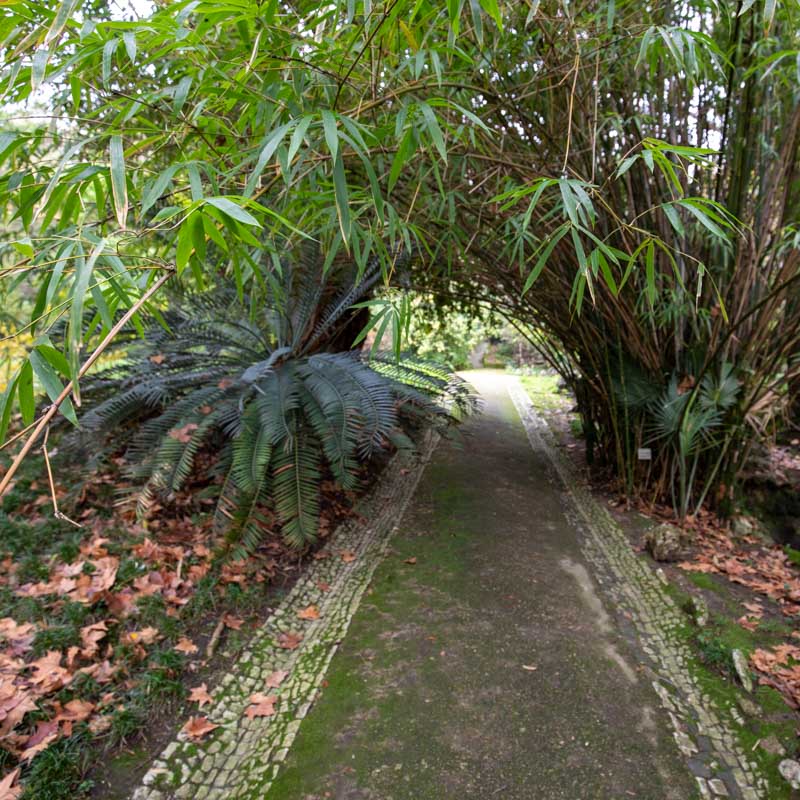
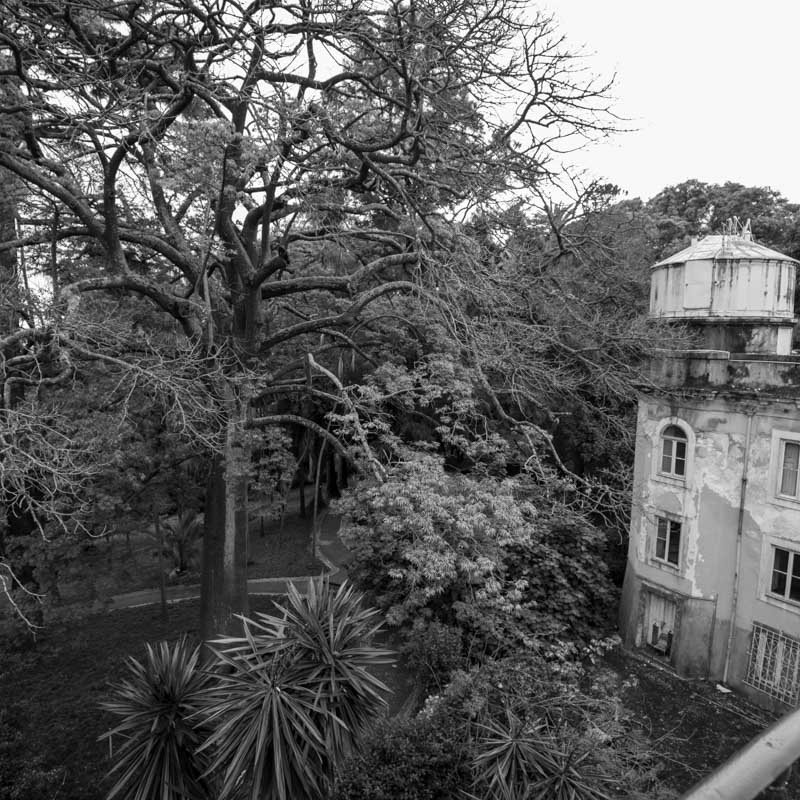
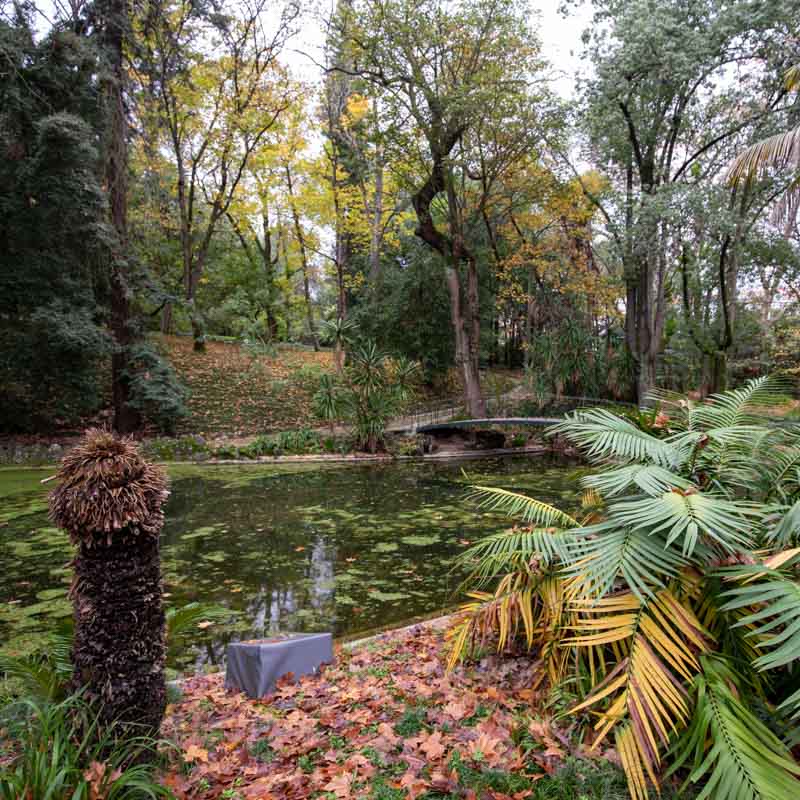
Set on about four hectares on the eastern slope of Monte do Olivete, the garden combines scientific planning with a strong landscape vocation. The upper section corresponds to the old Class, arranged around a lake and collection beds with a more ordered layout. From there, the ground descends into the arboretum, separated by a retaining wall crossed by an elegant double staircase. In this lower area, the design becomes more organic, with winding macadam paths, biomorphic beds, large trees and a system of mines, galleries, streams, cascades and artificial lakes that creates different settings. The whole combines geometry and romantic inspiration without losing its scientific purpose. The garden holds around one thousand five hundred species, with a strong presence of exotic plants from New Zealand, Australia, China, Japan and South America. Among its most important collections are palms, araucarias, cycads, cacti and bamboos.

More context

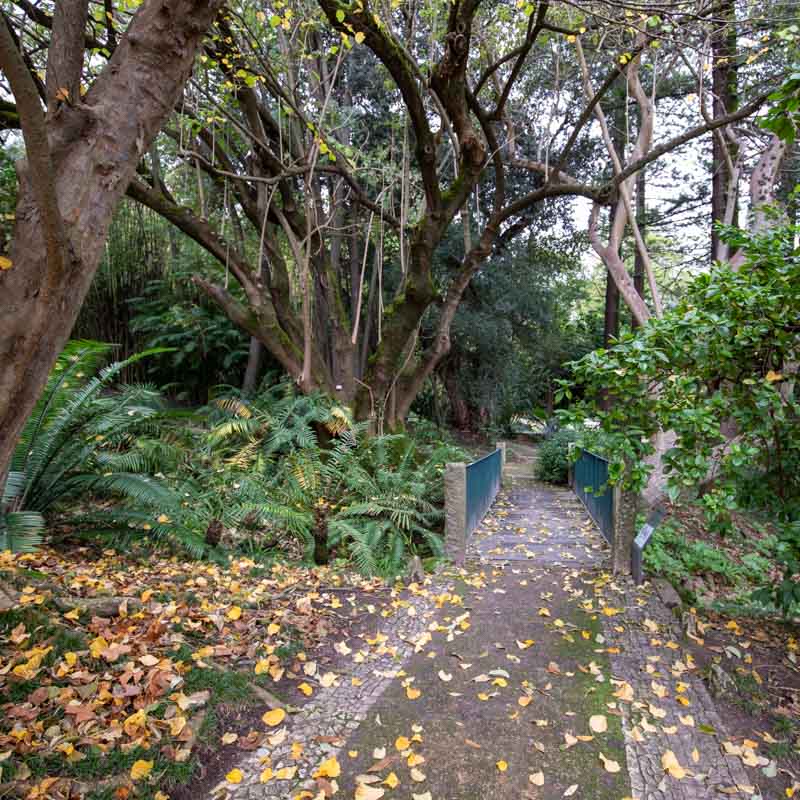
During a visit, it is worth beginning in the upper section by the central lake, to understand the original logic of the scientific garden and the way the collections were arranged. Then the descent by the double staircase helps reveal the transition to a freer and shadier setting, where the arboretum shows the scenic dimension of the place more clearly. Along the paths, special attention should go to the avenues of exotic species, the large tree specimens and the collections of palms and cycads, described among the garden’s most significant groups. The lakes, bridges, streams and cascades strengthen the sense of refuge in the middle of the city. It is also worth noticing how the composition alternates between more ordered areas and more naturalised stretches, in a visit that never loses the link between science and landscape. By the end, visitors understand that this is not only a historic green space, but also a place where botanical heritage, university memory and urban design continue to meet.

Gallery

Jardim Botânico de Lisboa 1
Jardim Botânico de Lisboa 2
Jardim Botânico de Lisboa 3
Jardim Botânico de Lisboa 4
Jardim Botânico de Lisboa 5

Nearby places

View all