Porto · Porto
Estádio do Dragão
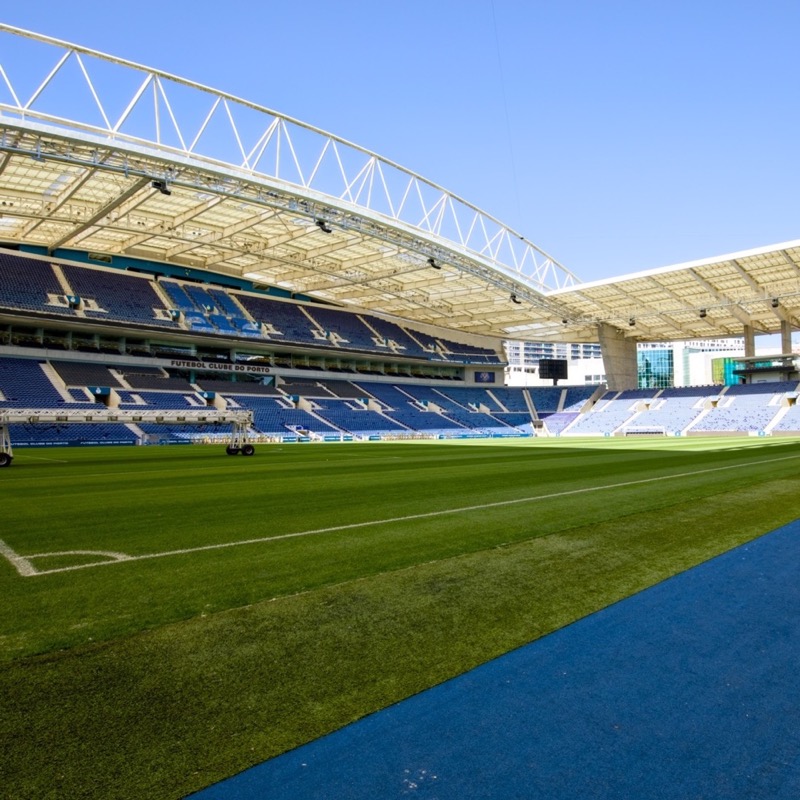
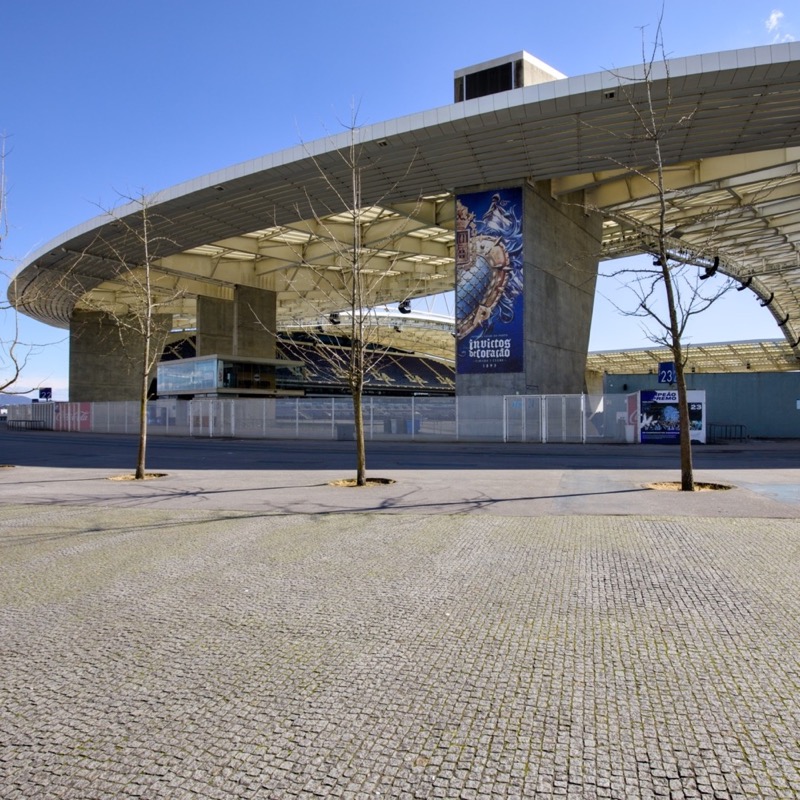
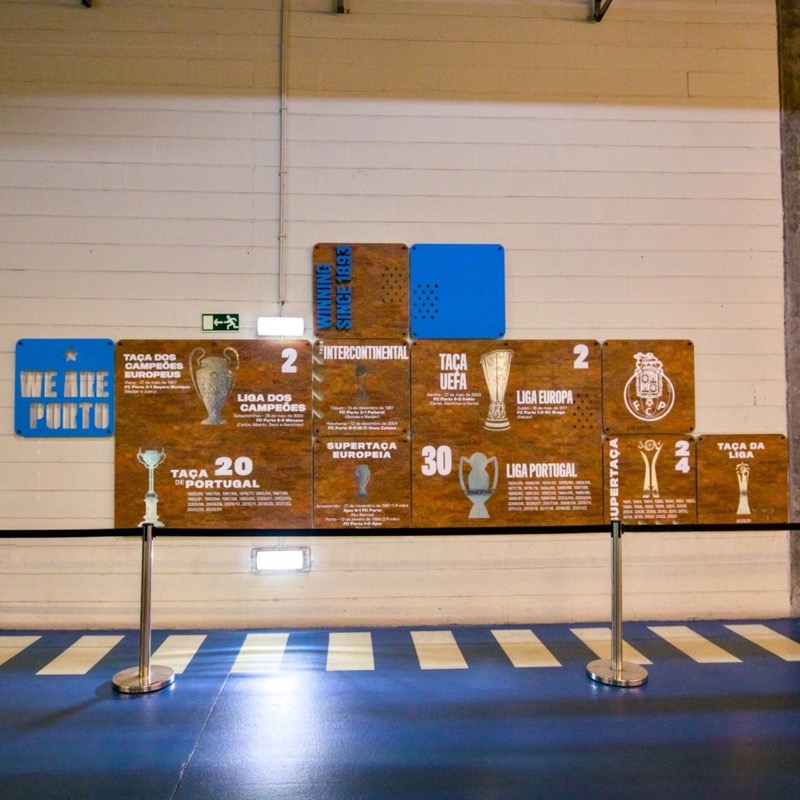
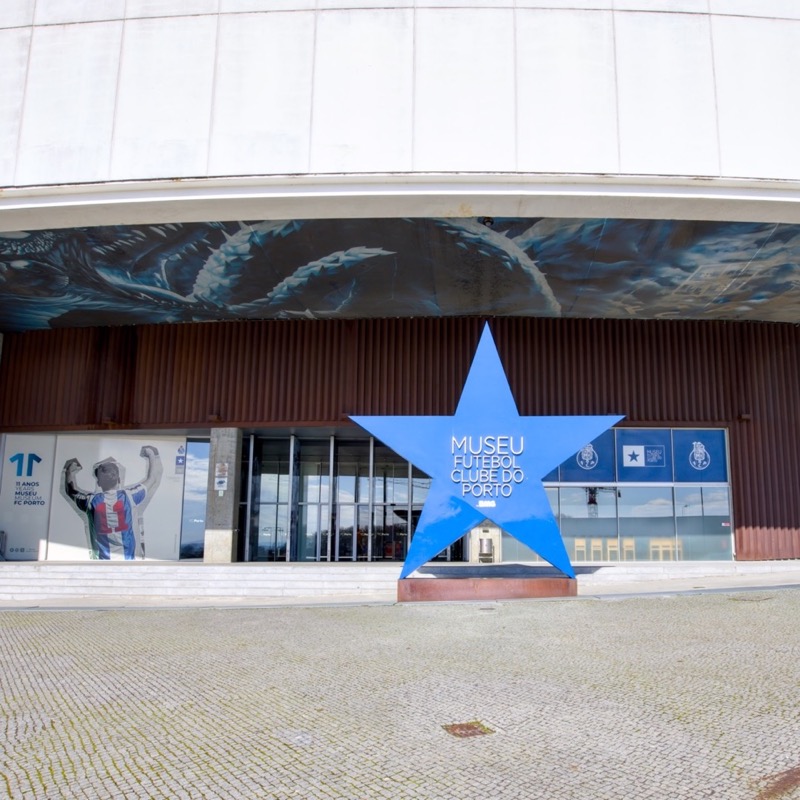
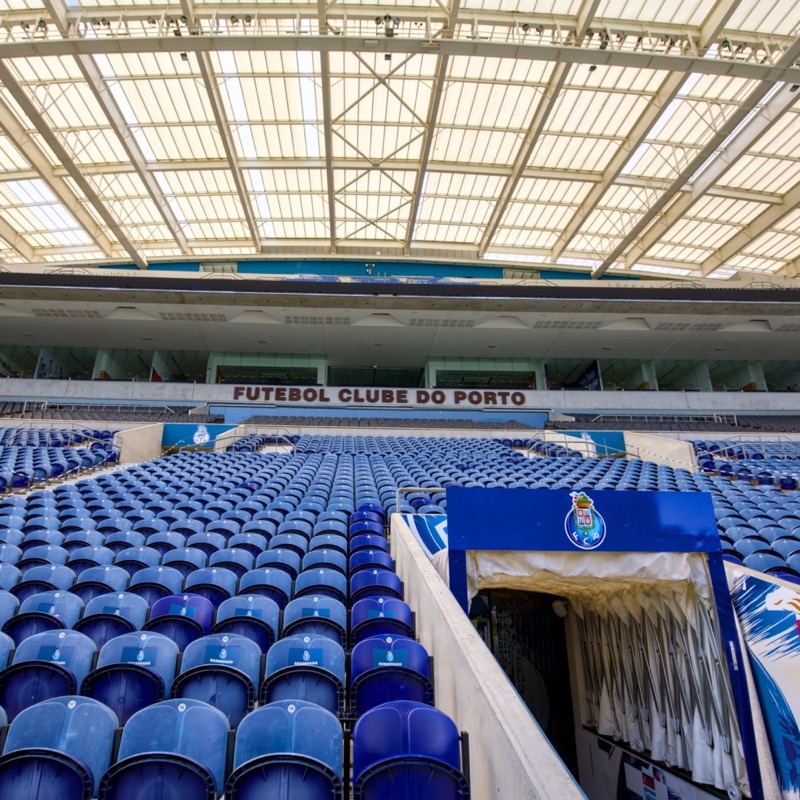
Estádio do Dragão rises in the eastern part of Porto as the home of Futebol Clube do Porto since 2003. Inaugurated on 16 November that year, with a match between FC Porto and FC Barcelona, it replaced the former Estádio das Antas and came to hold 50,033 spectators. Designed by the architect Manuel Salgado, it was built in the context of Euro 2004 and hosted the competition’s opening ceremony. Its architecture combines structural clarity and large scale: the roof over the stands uses a metal structure covered with polycarbonate sheets, a solution distinguished in 2005 with the European award for steel and mixed construction. More than a sports venue, the Dragão functions as a multifunctional space, prepared for a variety of events. Inside it, the FC Porto Museum adds to the stadium experience a reading of memory, trophies and collective identity.
Why it matters
Opened on 16 November 2003, Estádio do Dragão signalled the dawn of a new era for FC Porto and the city itself. Built to replace the former Estádio das Antas, this state-of-the-art stadium reflects the club's modern ambition and prestige. The inaugural match, a friendly against FC Barcelona, ended in a 2-0 victory for FC Porto and gained added historical significance as Lionel Messi’s debut with Barcelona’s senior team. The stadium was constructed as part of preparations for UEFA Euro 2004, hosting the tournament’s opening match between Portugal and Greece. Since then, Estádio do Dragão has established itself as a central stage for FC Porto’s greatest football moments as well as a venue for major national and international events.
Architecture and history
Estádio do Dragão was designed by renowned Portuguese architect Manuel Salgado, who envisioned a modern and functional venue harmoniously integrated into Porto’s urban landscape. With a seating capacity of 50,033, the stadium meets UEFA’s strictest standards and holds a Category 4 rating, allowing it to host major European finals and high-profile events. One of the stadium’s most notable architectural features is its roof. Constructed from steel and covered in translucent polycarbonate panels, it allows natural light to filter in while providing excellent thermal and visual comfort. This innovative design earned the stadium the ECCS European Award for Steel Structures in 2005, highlighting it as a benchmark in contemporary sports engineering. The interior design prioritises clear visibility from every seat and superb acoustics, creating an immersive experience for spectators.
More context
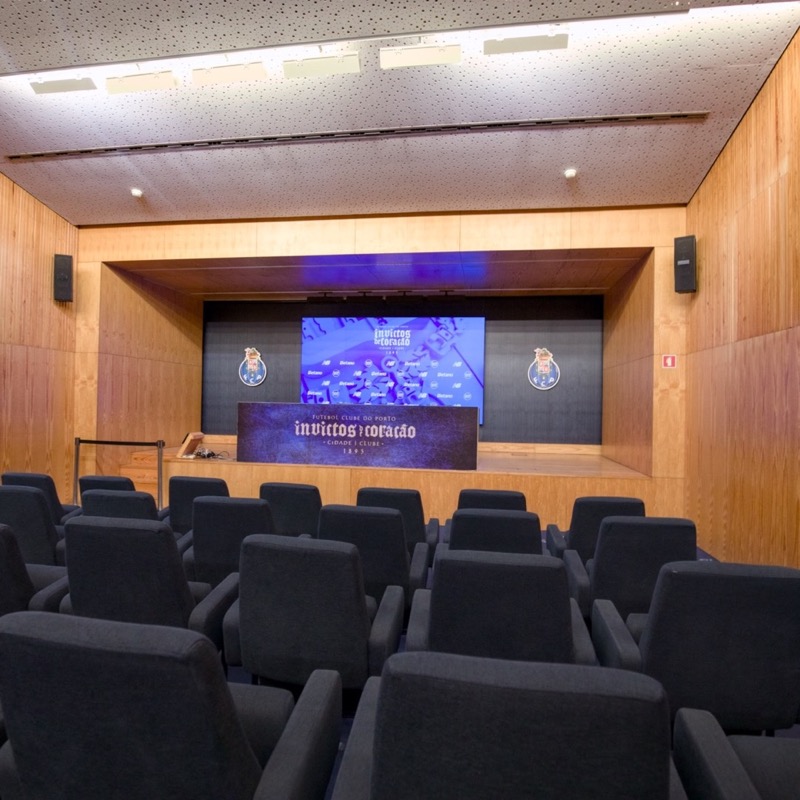
A visit to Estádio do Dragão is more than just a tour of a football venue — it is an immersion into the soul of FC Porto. Guided tours offer access to key areas including the changing rooms, player tunnel, mixed zone, press room, the pitch and the stands. These tours provide fascinating insights into the day-to-day life of an elite football club and bring fans closer to the action and their football heroes. A highlight of any visit is the direct connection to the FC Porto Museum, located beneath the east stand. Together, the stadium and museum offer a comprehensive experience combining sport, history and emotion. Beyond football, Estádio do Dragão also hosts concerts, shows and cultural events, making it a dynamic space throughout the year.
Gallery