Forte de São Francisco Xavier

Porto · Porto

Forte de São Francisco Xavier

FortXVIIMilitary Architecture
Praça de Gonçalves Zarco 20, 4100-274 Porto4.4 Rating · 7,37640 min

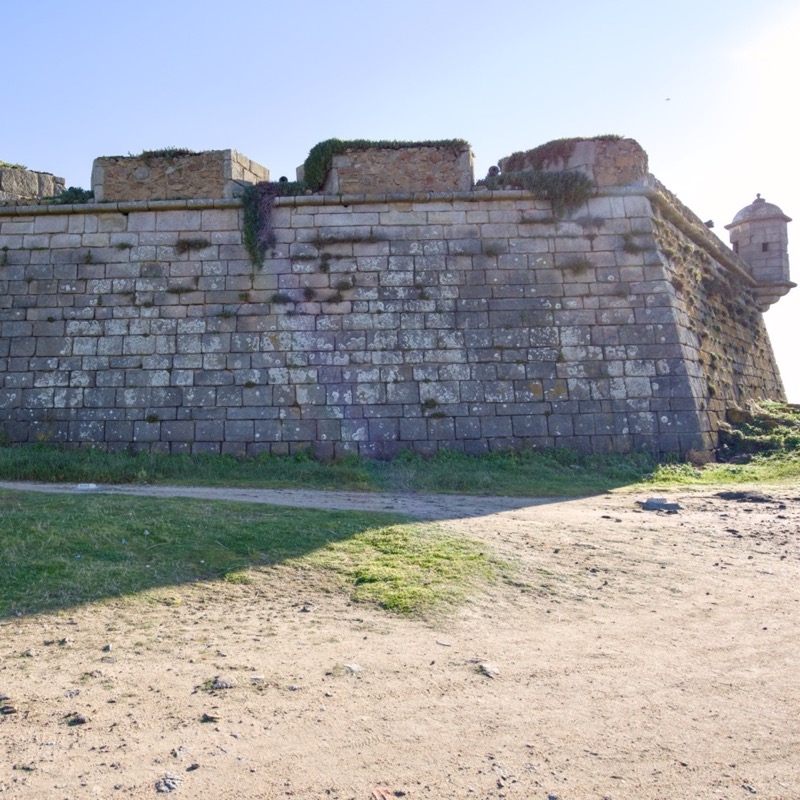
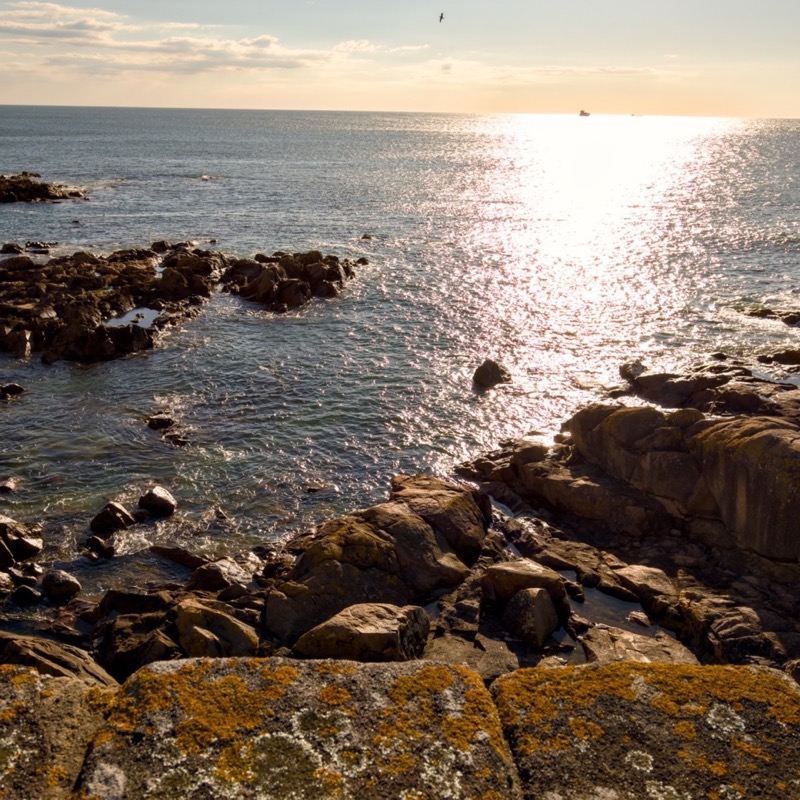
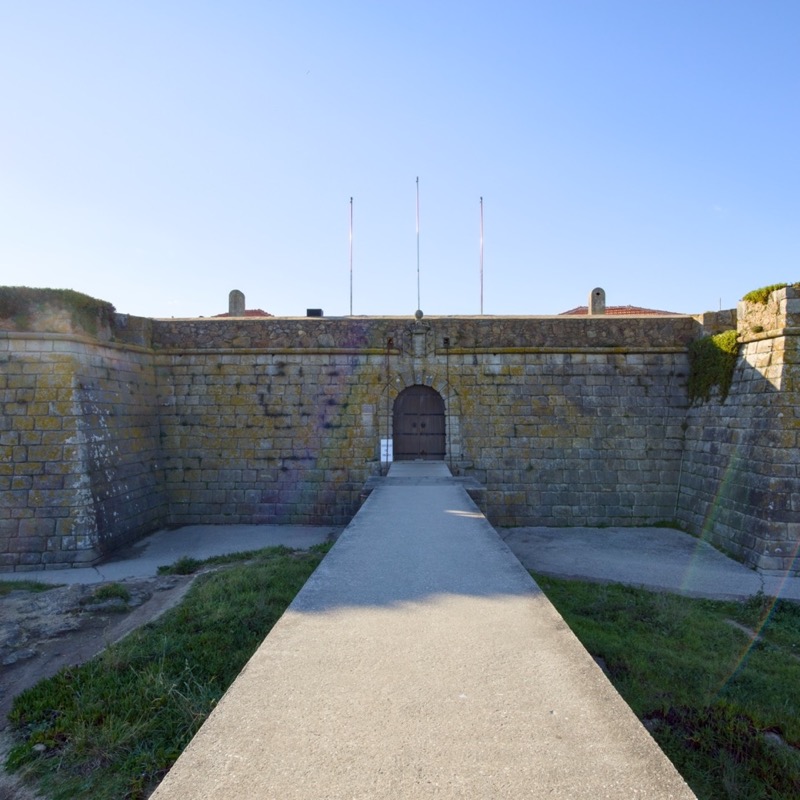
The Forte de São Francisco Xavier, in Porto, is better known as Castelo do Queijo. It stands in Praça de Gonçalves Zarco, beside the Atlantic, between Foz and Matosinhos, on the rounded rock that explains its popular name. Built in the 17th century to defend the coast, it forms part of the line of small maritime fortifications that protected this stretch of shoreline. Its presence is compact and austere: stone walls, a moat, a fortified entrance, corner sentry boxes and platforms facing the sea recall the building’s military function. Tradition links the name “Queijo” to the shape of the granite rock on which it was built. Classified as a Property of Public Interest, the fort still offers a clear reading of coastal defensive architecture. Between stone, wind and the nearness of the waves, it preserves the scale of an Atlantic sentry at the northern entrance to the city.

Why it matters

Popularly known as "Cheese Castle" (Castelo do Queijo), the Fort of São Francisco Xavier is located in the parish of Nevogilde, in the city of Porto, overlooking the Atlantic Ocean. Construction began in the 17th century during the Portuguese Restoration War (1640–1668), a period marked by the country’s fight to regain independence from Spain. The fort was built to defend the coastline from maritime invasions, reflecting the strategic importance of coastal defence. The design is attributed to French engineer Miguel de l’Ècole, with construction supervised by Captain Fernando César de Carvalhais Negreiros of the Royal Navy. Its nickname derives from the rounded granite rock it stands on, which resembles a cheese. According to tradition, this rock was a sacred site for the Celtic tribe of the Draganes, who inhabited the region in the 6th century BC. During the Liberal Wars (1828–1834), the fort was occupied by Miguelite forces during the Siege of Porto. It suffered heavy damage from bombardments and was later abandoned and looted by locals.

Architecture and history

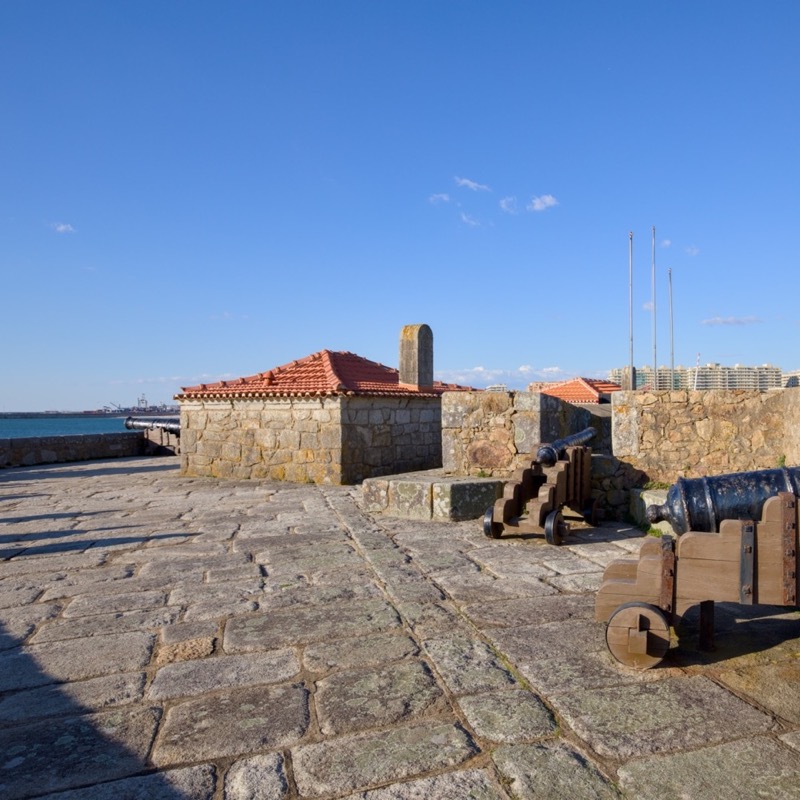
The fort has an irregular trapezoidal layout, adapted to the rocky coastline terrain. Its thick granite walls give it a solid and imposing appearance. At the corners are pentagonal watchtowers topped with domes, which once served as lookout points. Access is via a drawbridge leading to a monumental arched gateway topped with the royal coat of arms. Inside, visitors can find the command house, barracks, a cistern, and a powder magazine. On the upper terrace are the original artillery platforms, still featuring historic cannons, a reminder of its military past.

More context

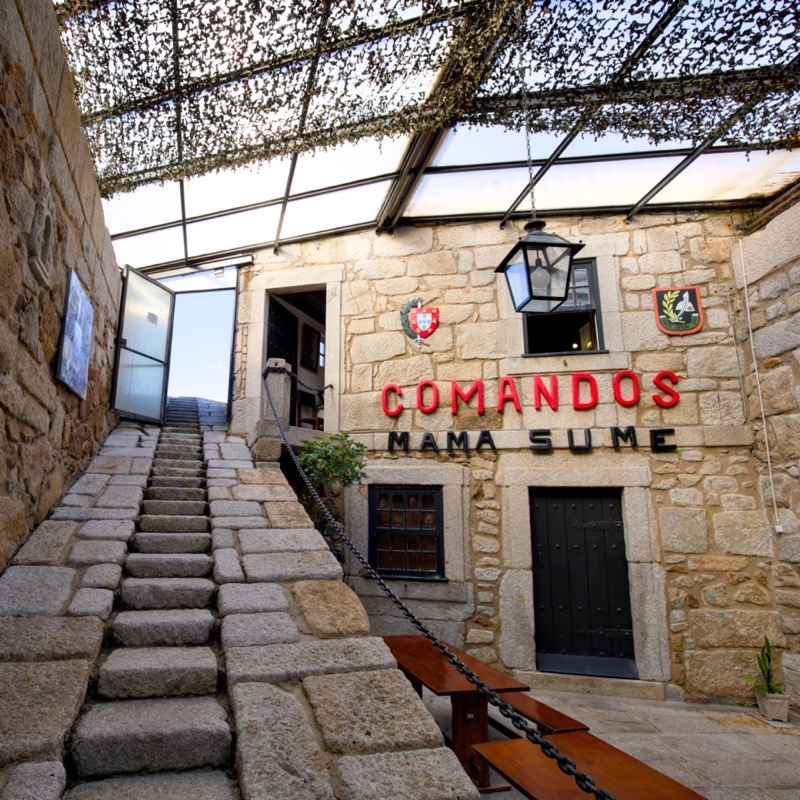
Visiting the fort is a journey through Porto’s military history. The walls and watchtowers offer breathtaking views of the sea and coastline, perfect for sunset watching. Inside, there is a small military museum operated by the Northern Delegation of the Commandos Association, showcasing weapons, uniforms, and historical documents. The Fort of São Francisco Xavier also hosts cultural events and military ceremonies. Its location along the seafront makes it a must-see for visitors exploring Porto’s western coastline.

Gallery

Forte de São Francisco Xavier 1
Forte de São Francisco Xavier 2
Forte de São Francisco Xavier 3
Forte de São Francisco Xavier 4
Forte de São Francisco Xavier 5

Nearby places

View all