Fundação Serralves

Porto · Porto

Fundação Serralves

Cultural CentreXXCivil Architecture
Rua Dom João de Castro 210, 4150-417 Porto4.6 Rating · 9,473180 min

The Serralves Foundation, in Porto, brings together contemporary art, architecture, cinema and landscape in a heritage ensemble classified as a National Monument in 2012. The property was acquired by the State in December 1986, and the House and Park opened to the public on 29 May 1987. Created in 1989, the Foundation gave institutional structure to this cultural project. The Museum of Contemporary Art, designed by Álvaro Siza, began in 1991 and opened its new building in 1999. The Serralves House preserves the Art Deco language of the 1930s, while the Park, designed by Jacques Gréber, extends over 18 hectares of formal gardens, woodland and a traditional farm. Between lioz-stone interiors, exhibition spaces and tree-lined paths, Serralves shows how historic heritage and contemporary creation can inhabit the same place.

Why it matters

The Serralves Foundation occupies the former Serralves estate in Lordelo do Ouro, on the western side of Porto. The property originated as a rural leisure estate and was inherited in 1923 by Carlos Alberto Cabral, 2nd Count of Vizela, who decided to build a modern residence surrounded by gardens inspired by leading European models of the early 20th century. Between 1925 and 1944 Serralves Villa was constructed, a unique Art Deco building in the Portuguese context, based on an initial design by French architect Charles Siclis and executed and adapted by José Marques da Silva. At the same time, French landscape architect Jacques Gréber designed the formal garden and surrounding park. After serving as a private residence and later passing to industrialist Delfim Ferreira, the estate was acquired by the Portuguese State in 1986 to host a major cultural project devoted to contemporary art and the landscape. On 27 July 1989 the Serralves Foundation was created by decree as a private foundation of public interest, establishing an innovative partnership between the State and civil society. Its mission is to raise public awareness of contemporary art, architecture, the environment and key issues for society’s future. In the 1990s the groundwork was laid for the Serralves Museum of Contemporary Art, designed by Álvaro Siza and inaugurated in 1999, soon recognised internationally. In 2012 the built and landscape ensemble of Serralves was granted National Monument status, acknowledging the exceptional interplay between villa, park and museum.

Architecture and history

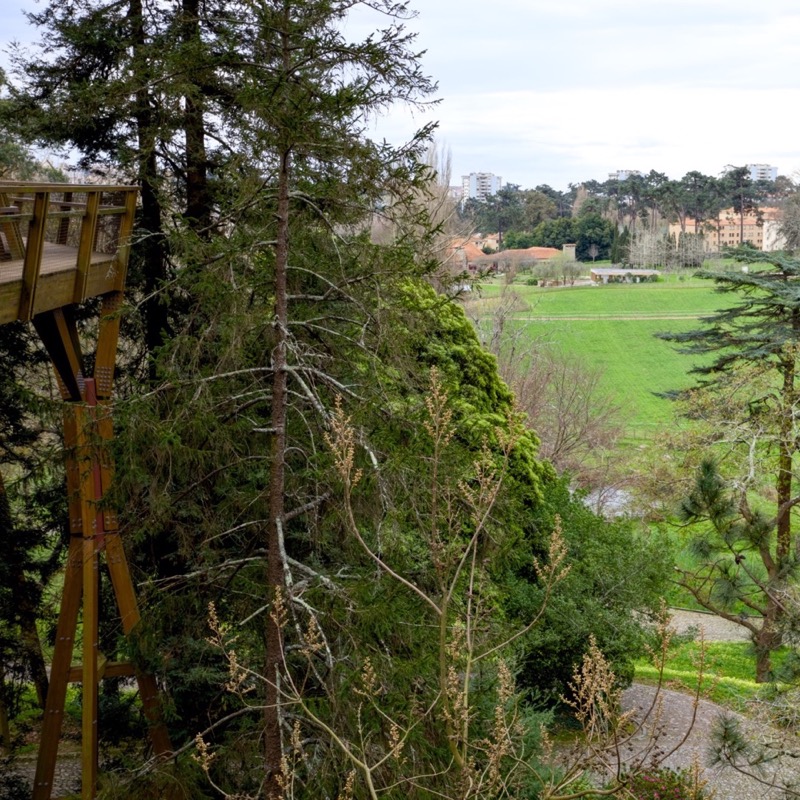
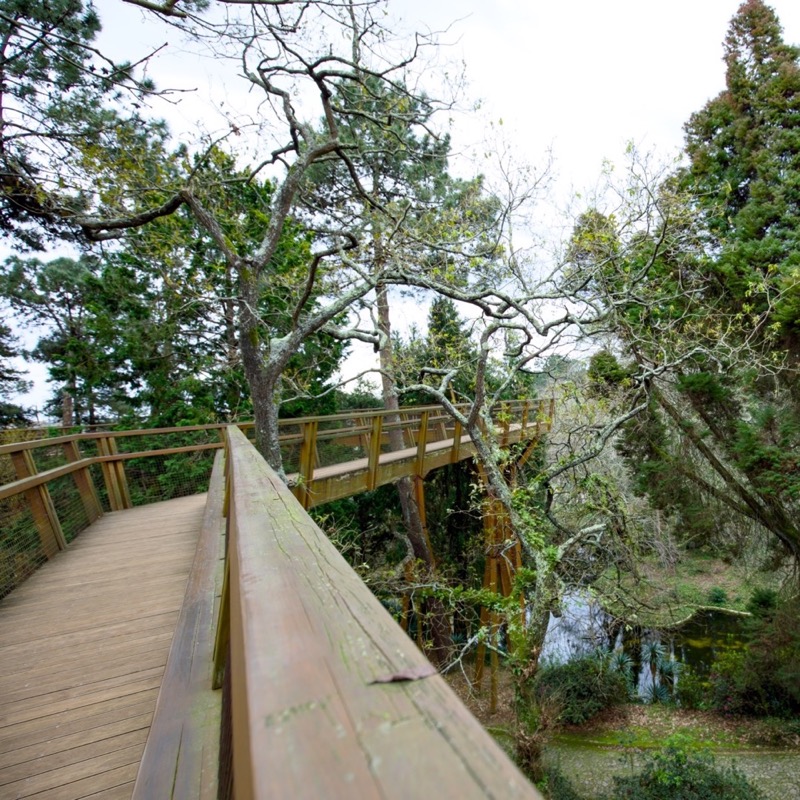
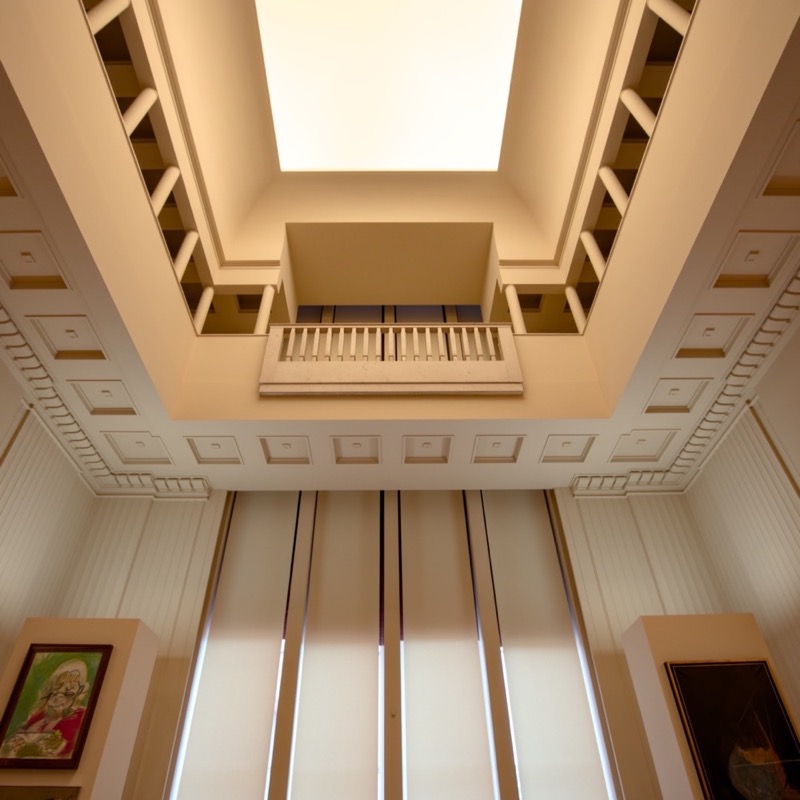
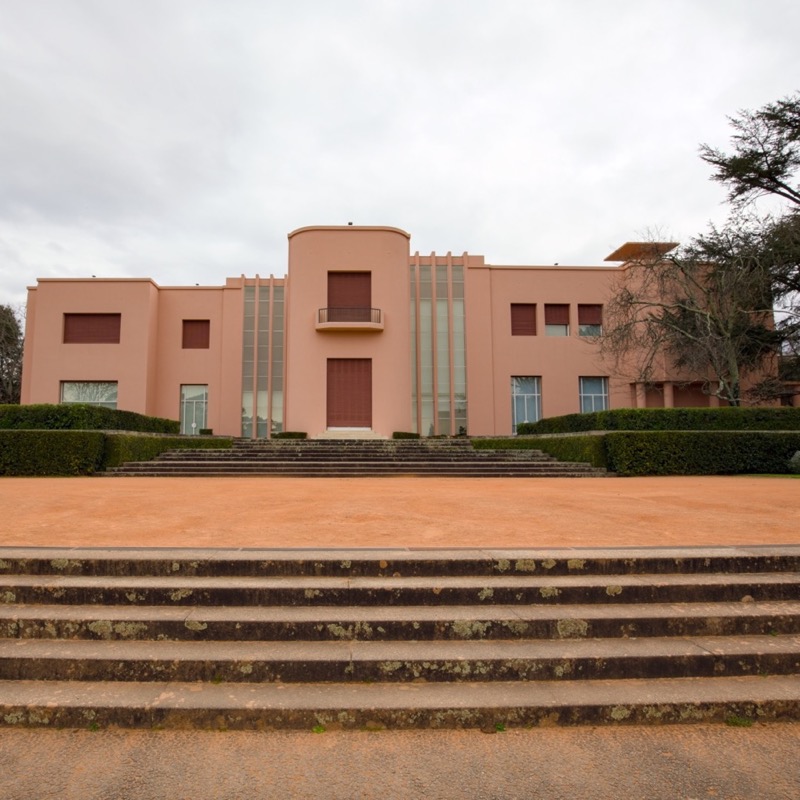
Serralves Villa is one of Europe’s notable Art Deco residences. Its composition of tiered, horizontal volumes, pink-rendered facades, large windows and terraces opening to the park combines a restrained design with sophisticated decorative details. Inside, the house features exotic marbles, fine woods, wrought iron, stained glass and lighting designed by leading decorative artists such as Jacques Émile Ruhlmann, René Lalique and Edgar Brandt, making the building a "total work of art" of the 1930s. Rooms unfold in enfilade, with grand salons facing the garden and a strong continuity between interior and exterior. Serralves Park, covering 18 hectares of terraced land, brings together several distinct ambiences: the formal axial garden in front of the villa, a rose garden, lake, woodlands, agricultural fields and the former traditional farm. Gréber’s design, inspired by Beaux-Arts principles and French gardens of the 16th and 17th centuries, also integrates pre-existing features such as the old oak grove and rural structures, making the park a rare example of a historic landscape shaped over more than a century. Today, outdoor works by contemporary artists punctuate the paths, alongside features such as the Treetop Walk, an elevated walkway running through the tree canopy. The Serralves Museum of Contemporary Art, by Álvaro Siza, adds a third layer to the ensemble. Low, white, horizontal volumes are carefully inserted into the topography, opening selected views over the park and organising a sequence of galleries lit mainly by controlled natural light. More recent interventions by Siza, such as the Manoel de Oliveira House of Cinema and refurbished support buildings, reinforce Serralves as a rare site where Art Deco architecture, historic gardens and contemporary architecture are in continuous dialogue.

More context

A visit to the Serralves Foundation can be seen as an exploration of three interlinked cores – Museum, Park and Villa – complemented by the Manoel de Oliveira House of Cinema. The Museum of Contemporary Art, designed by Álvaro Siza, hosts temporary exhibitions by Portuguese and international artists and presents the Foundation’s collection, focused on works from the late 1960s onwards. The building itself, with its gently sloping corridors, courtyards and precisely placed windows framing the greenery, is a key highlight. Serralves Villa, open to visitors at specific times and often used for exhibitions and curatorial projects, allows visitors to experience preserved Art Deco interiors and to understand the estate’s evolution as an aristocratic residence. The reading of the villa becomes richer when extended into the Park: walking along the main axis leads from the terrace in front of the facade to the rose garden and the lake, passing through formal parterres, stairs and viewpoints. Secondary paths give access to woodland areas, the farm and zones of higher biodiversity, where native and exotic species coexist. In the Park, beyond the outdoor sculptures, the Treetop Walk stands out: a wooden walkway, about 260 metres long and up to 15 metres high, offering views of flora and fauna at canopy level. The Manoel de Oliveira House of Cinema, inaugurated in 2019, adds a hub devoted to film, with exhibitions centred on the director’s work and archive. Throughout the year the Foundation organises educational programmes, film cycles, talks and events such as "Serralves em Festa", which explore art, architecture, landscape and environment in an integrated way.

Gallery

Fundação Serralves 1
Fundação Serralves 2
Fundação Serralves 3
Fundação Serralves 4
Fundação Serralves 5

Nearby places

View all