Museu do Carro Eléctrico

Porto · Porto

Museu do Carro Eléctrico

MuseumXXIndustrial Architecture
Alameda de Basílio Teles 51, 4050-127 Porto4.4 Rating · 3,43150 min

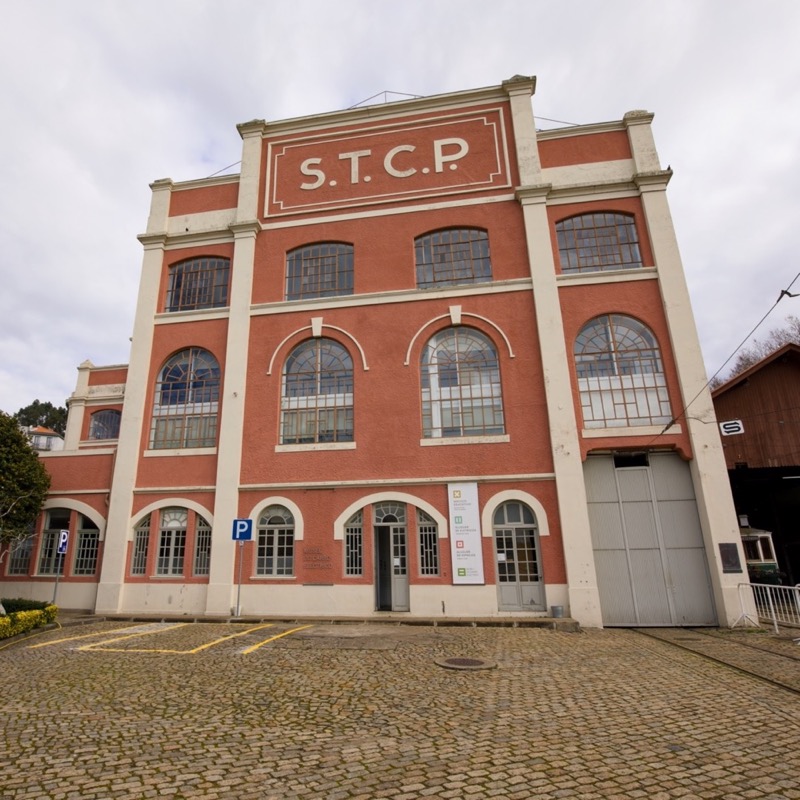
The Museu do Carro Eléctrico, in Porto, occupies part of the former Massarelos Thermoelectric Power Station and preserves the memory of the city’s urban rail transport. The idea of creating a museum emerged in the 1980s, when the electric traction network was losing ground to buses and the car. On 18 May 1992, it opened to the public with vehicles restored by STCP. The building, completed in 1911 and fully operational from 1915, produced and transformed energy to power the trams. Inspired by French industrial structures, it had two production naves and a chimney connected to coal combustion. Today, the collection brings together 28 vehicles, technical equipment, uniforms, transport tickets and documentation. Among rails, machines and restored bodies, the museum tells a story in which energy, city and mobility move forward side by side.

Why it matters

The Porto Tram Museum (Museu do Carro Eléctrico) is the museum of the Sociedade de Transportes Colectivos do Porto (STCP), housed in the former Massarelos Thermoelectric Power Station on the right bank of the Douro, next to the old riverside tram line. The power plant began operating in 1915, with two large industrial halls built to produce electricity for the city’s expanding electric traction network. For decades, the energy generated at Massarelos powered the trams that linked the historic centre to the Foz and Matosinhos areas, before the plant was progressively integrated into the general power grid and later decommissioned as a generating unit. The museum was created as part of STCP’s aim to preserve the heritage associated with public transport in Porto. In May 1992 the former power station was adapted for museum use and the Tram Museum opened with an initial collection of 16 electric cars, 5 trailers and 2 service vehicles, representing different periods in the network’s history. The holdings also include a rare horse-drawn "carro americano", recalling the beginnings of street-based public transport in Porto in 1872. Temporarily closed in 2012 for refurbishment, the museum reopened in 2015 with a new museological concept centred on the permanent exhibition "Entre Linhas", which links the history of the vehicles, the network and the old power station across more than a century.

Architecture and history

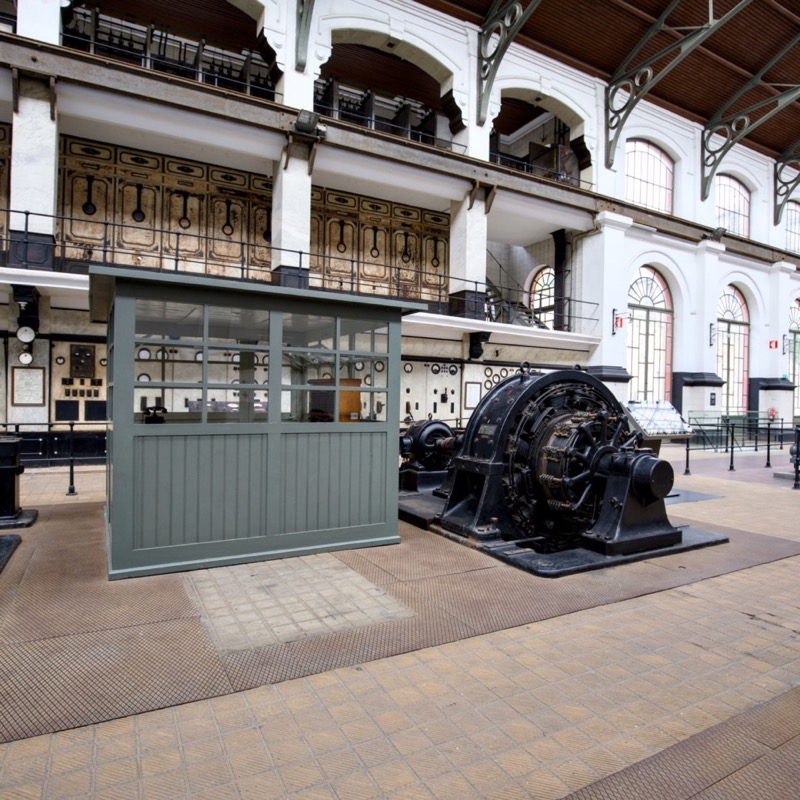
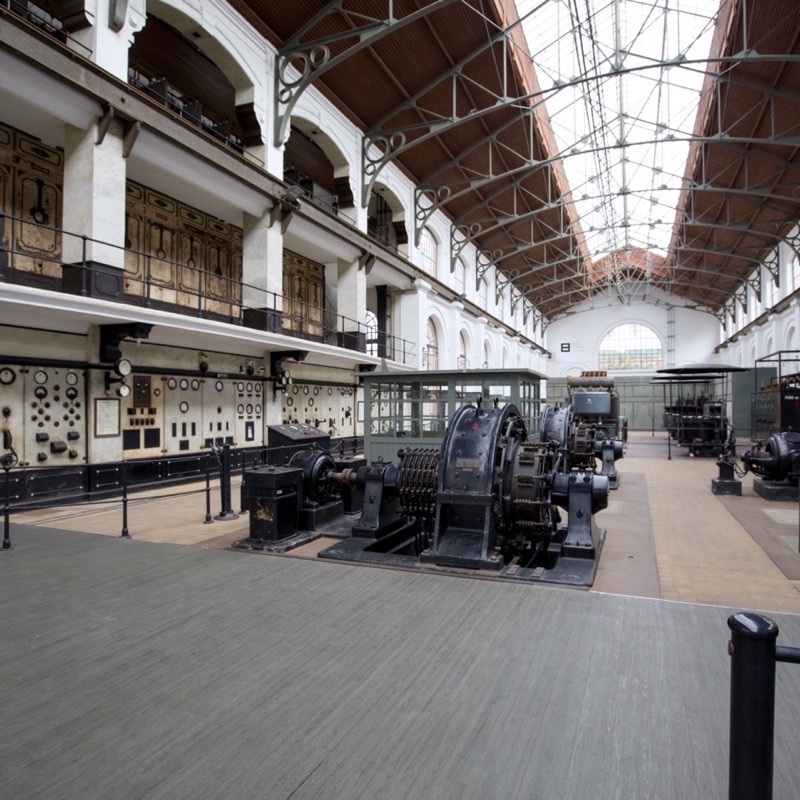
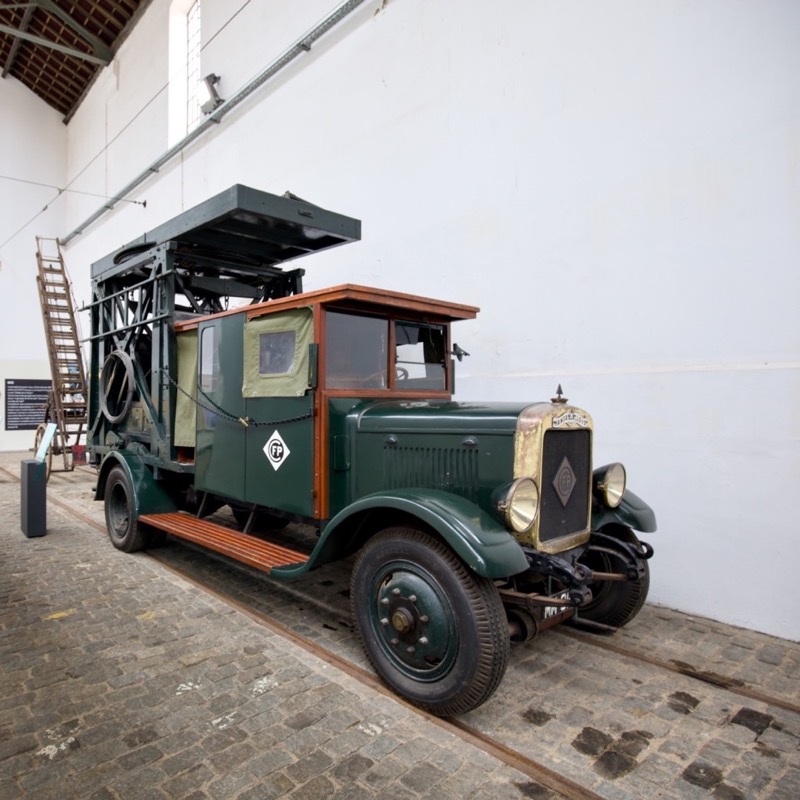
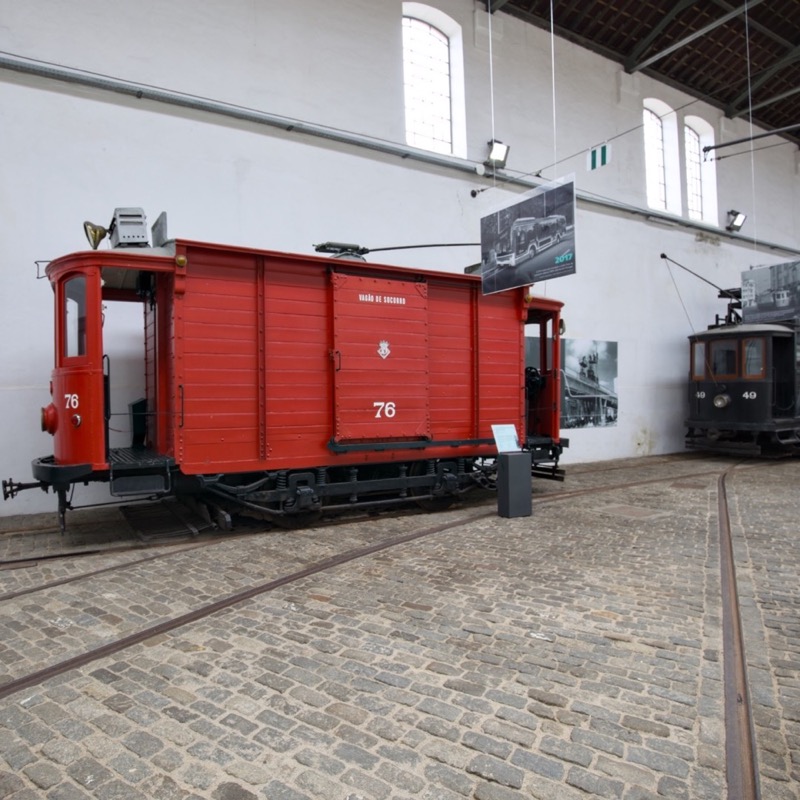
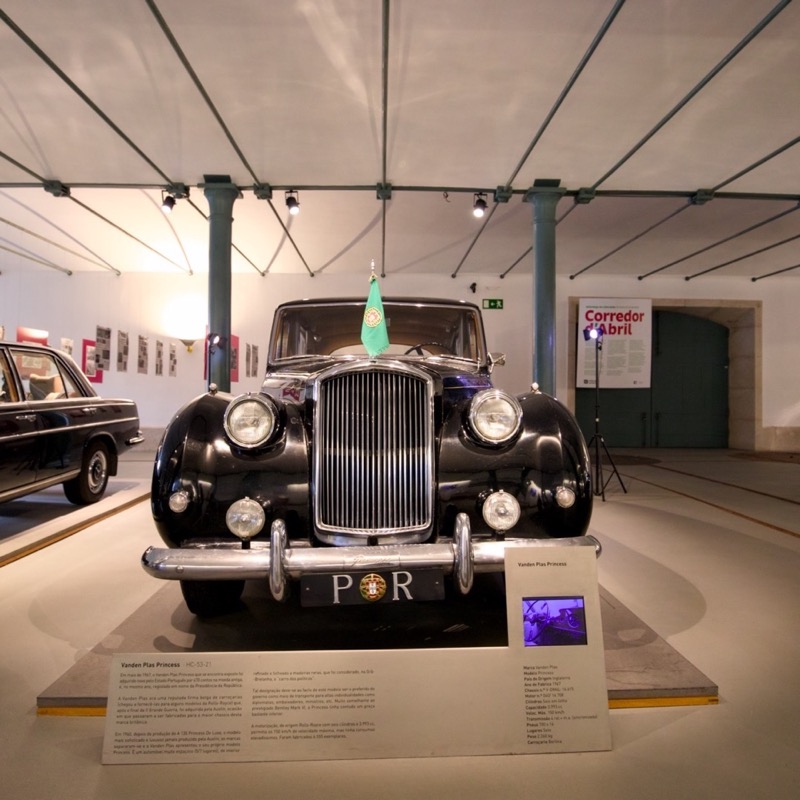
The Tram Museum building is a notable example of early 20th-century industrial architecture. The former Massarelos power station is arranged in two large parallel volumes: the boiler house and the engine room, both now incorporated into the exhibition route. Metal structures, shed roofs, tall glazed windows and robust masonry walls preserve the original appearance of an energy factory while allowing abundant natural light to fall on the exhibits. Inside, heavy equipment from the power station – such as generators, converters, switchboards and control panels – bears witness to the technological evolution of electricity production and distribution for the tram network. Set against this industrial backdrop, the museum presents its collection of rolling stock and technical objects associated with STCP operations. Historic tramcars are displayed on track sections embedded in the floor, making it easy to understand vehicle gauge, seating layouts, platforms and driving positions. The collection includes open and closed cars, "saloon" trams, trailers, inspection and maintenance vehicles, as well as a trolleybus that recalls the period of trolleybus operation in Porto. The dialogue between the vehicles and the power-station machinery, reinforced by panels, timelines and multimedia devices, emphasises the relationship between energy infrastructure, transport networks and urban transformation throughout the 20th century.

More context

A visit to the Tram Museum usually begins in the main hall housing the permanent exhibition "Entre Linhas". This section uses panels, models, photographs and audiovisual resources to present the development of electric traction in Porto, from the introduction of horse-drawn "carros americanos" to the consolidation of the tram network and the subsequent appearance of trolleybuses and motorbuses. Visitors can examine different types of vehicles close up, comparing dimensions, circulation patterns, access solutions and interior details. On several tramcars it is possible to step on board, helping to recreate the travel experience in different periods. Some of the most striking elements on display include the horse-drawn car associated with the first riverside lines, late-19th- and early-20th-century electric trams, modernised post-war vehicles and car no. 500, a 1950s prototype illustrating an attempt to renew the fleet. A trolleybus and material related to ticketing systems, uniforms, signage and operating instruments shed light on the day-to-day running of the network and the work of STCP staff. One of the halls preserves the section dedicated to the former thermoelectric power station, with machinery, generators, electrical panels and measuring instruments accompanied by information on the city’s energy history. The museum’s proximity to today’s riverside tram line makes it easy to link a visit to the collections with the sight of historic vehicles in regular circulation. Temporary exhibitions, educational workshops and activities devoted to transport memory complement the museum’s programme and reinforce its role as an interpretation centre for urban mobility in Porto.

Gallery

Museu do Carro Eléctrico 1
Museu do Carro Eléctrico 2
Museu do Carro Eléctrico 3
Museu do Carro Eléctrico 4
Museu do Carro Eléctrico 5

Nearby places

View all