Porto · Porto
Museu dos Transportes e Comunicações
The Museu dos Transportes e Comunicações occupies the Alfândega Nova do Porto, on Rua Nova da Alfândega, beside the right bank of the Douro. The building, designed by the French architect Jean F. G. Colson, began to be built in 1859 on the former Praia de Miragaia and was inaugurated in 1869. Its neoclassical architecture, marked by the combined use of iron, stone, brick and wood, served the city’s customs activity for more than a century. In 1987 it was decided that it would house the future museum, and the requalification was guided by Eduardo Souto de Moura. Today, the museum preserves the memory of the Customs House and interprets the role of transport and communications in modern society. Among its sections are Metamorfose de um Lugar, O Motor da República and the panel Ribeira Negra, by Júlio Resende.
Why it matters
The Transport and Communications Museum is housed in the Alfândega Nova do Porto building, on the right bank of the River Douro, next to the historic centre classified as a UNESCO World Heritage Site. This imposing customs building was constructed in the second half of the 19th century, in Neoclassical style, from 1859 onwards, to a design by the French engineer Jean F. G. Colson, replacing the older customs facilities at the Casa do Infante. For decades it served as the city’s main customs house, acting as a gateway for goods and as a hub linking the quay, the warehouses and the railway branch that connected directly to Campanhã station. As freight traffic was gradually transferred to the port of Leixões, the New Customs House lost its operational importance and, in the 1980s, the customs services were moved elsewhere. The building was then converted into a congress centre and cultural facility, in a rehabilitation process led by architect Eduardo Souto de Moura. In 1992 the Association for the Museum of Transport and Communications (AMTC) was created as a non-profit body and installed the museum inside the Alfândega. Its mission has two complementary strands: preserving and enhancing the memory of the former customs space and disseminating knowledge about the role of transport and communications in the evolution of modern society. In 2014 the museum was a finalist for the European Museum of the Year Award and received an honourable mention in the Ibero-American Education and Museums Prize, while in 2023 the Alfândega Nova building itself was officially classified as a National Monument.
Architecture and history
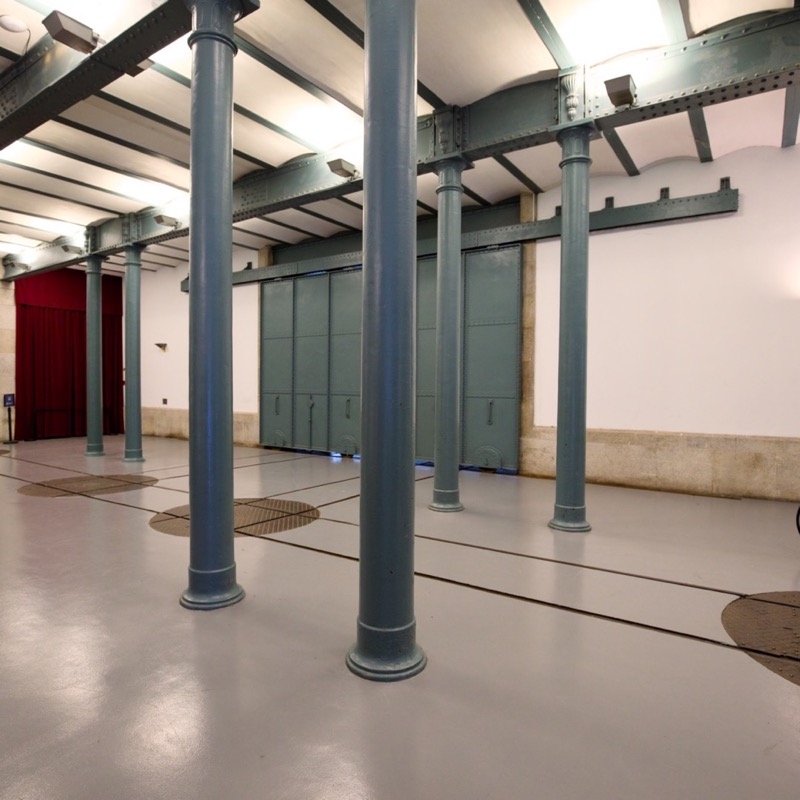
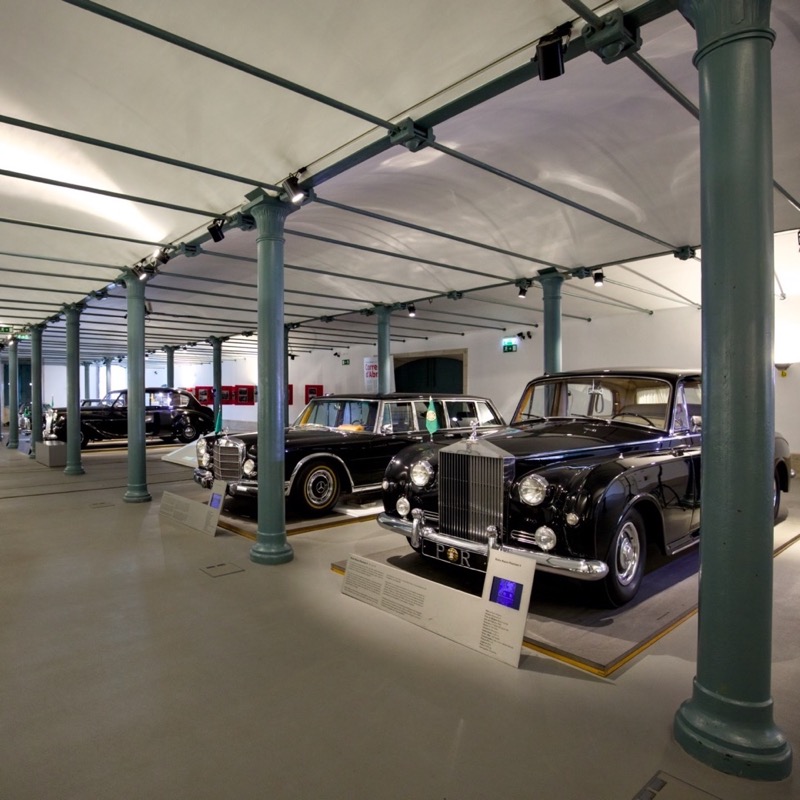
The Alfândega Nova do Porto is a large Neoclassical complex with a rectangular footprint, laid out parallel to the Douro. Its granite facades, facing both the riverside and the city, are arranged over three storeys, marked by a regular rhythm of arched openings, continuous cornices and a more prominent central body topped by a triangular pediment. The sober and repetitive design reflects the building’s original function, associated with customs control, warehousing of goods and the efficient movement of products and people between quayside, workshops, offices and storage areas. Inside, large halls and longitudinal galleries rest on structural solutions that combine iron, masonry and timber, making it possible to span wide spaces. The recent rehabilitation sought to preserve the legibility of the former customs functions while adapting the building to the requirements of a congress centre and museum. Within this framework, the Transport and Communications Museum organises its route through different wings and levels of the Alfândega. The permanent exhibition "Metamorphosis of a Place: Customs House Museum" occupies areas directly associated with customs history, such as offices, technical rooms and inspection spaces, incorporating the original toponymy of the rooms. The nucleus "The Engine of the Republic: Presidential Cars" is housed in former storage zones, benefiting from the high ceilings and large surfaces required to display historic vehicles. The presence of the mural "Ribeira Negra" by Júlio Resende, a large ceramic composition devoted to the riverside district, reinforces the visual connection between the museum, the riverfront and the surrounding urban landscape.
More context
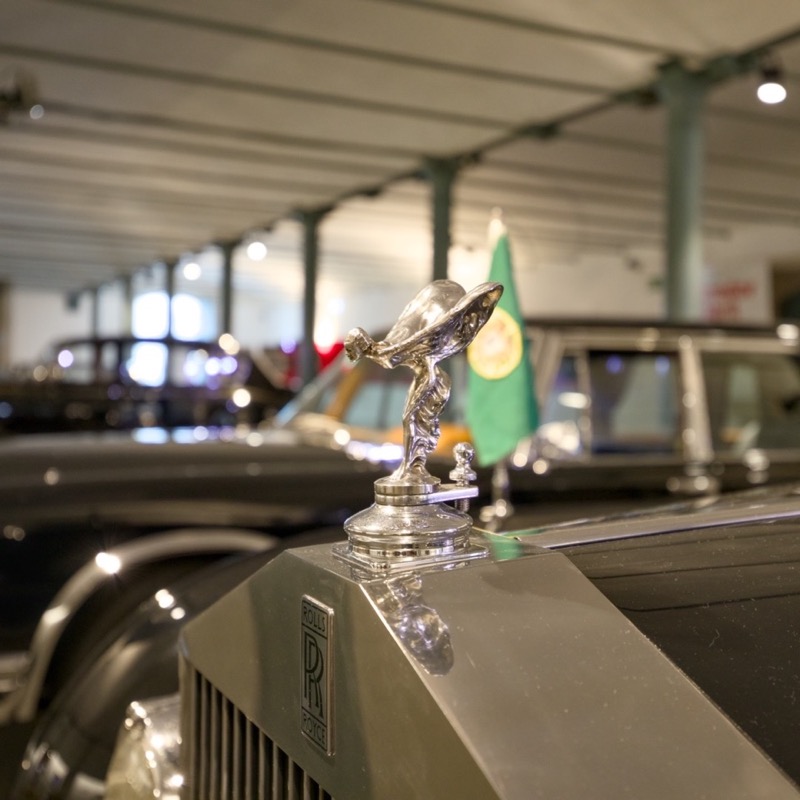
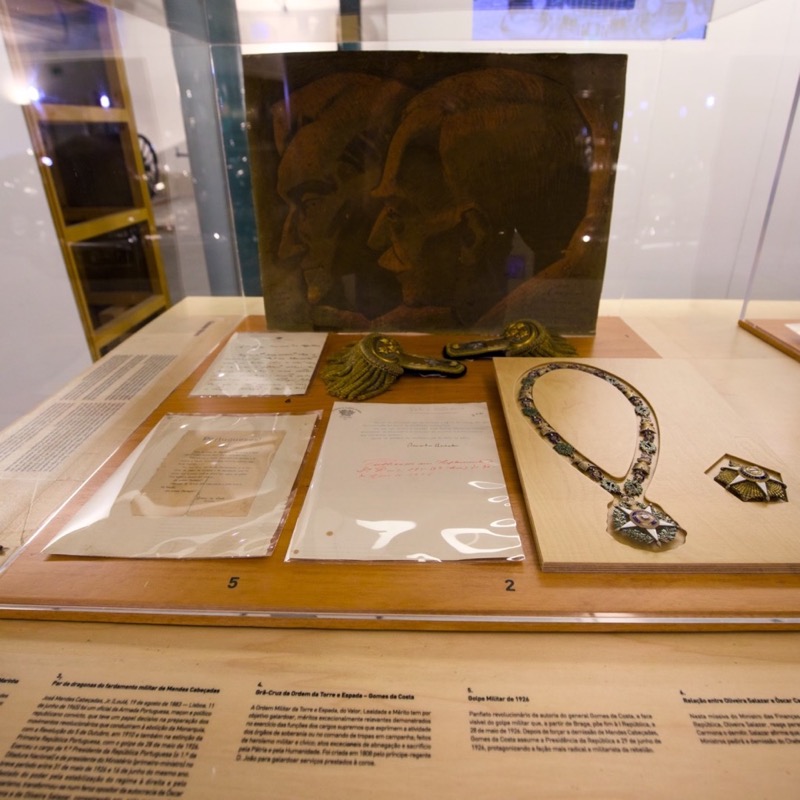
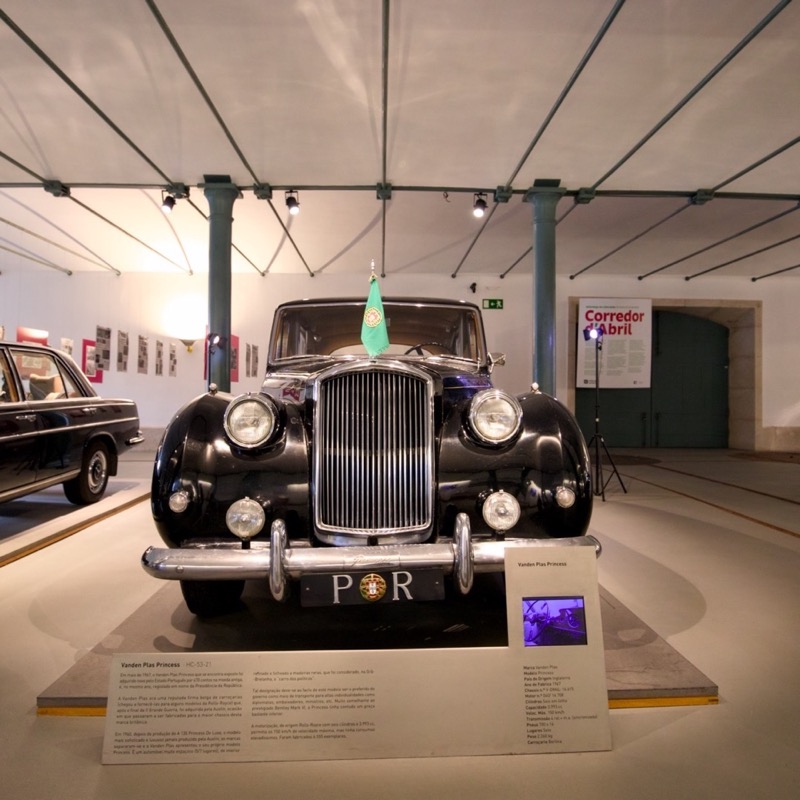
A visit to the Transport and Communications Museum combines discovery of the Alfândega building with exploration of different exhibition nuclei. A central highlight is the permanent exhibition "Metamorphosis of a Place: Customs House Museum", which presents the transformation of the former Miragaia beach into today’s New Customs House. Through technical objects, documentation, measuring instruments, models and multimedia resources, it reconstructs the operation of the customs institution, the controls over people and goods and the urban changes associated with construction of the complex. Another key nucleus is "The Engine of the Republic: Presidential Cars", developed in cooperation with the Museum of the Presidency of the Republic and the National Coach Museum. It brings together a selection of official vehicles used by the Presidents of the Republic since 1910, including horse-drawn carriages, luxury state cars and more recent limousines. The route highlights the technological evolution of the automobile and the ways in which image, security and state representation are reflected in the choices made at each period. This ensemble is complemented by the large mural "Ribeira Negra", by Júlio Resende, which offers an intense, fragmented vision of the buildings and daily life along Porto’s riverside quarter. Throughout the building visitors also find references to the history and architecture of the Alfândega, as well as information on temporary projects devoted to themes such as mobility, communications, design and industrial heritage. The Educational Service develops activities for schools, families and other audiences, addressing in an integrated way the building, the collections and contemporary issues related to transport and communications.
Gallery