Vila Real · Vila Real
Fundação da Casa de Mateus
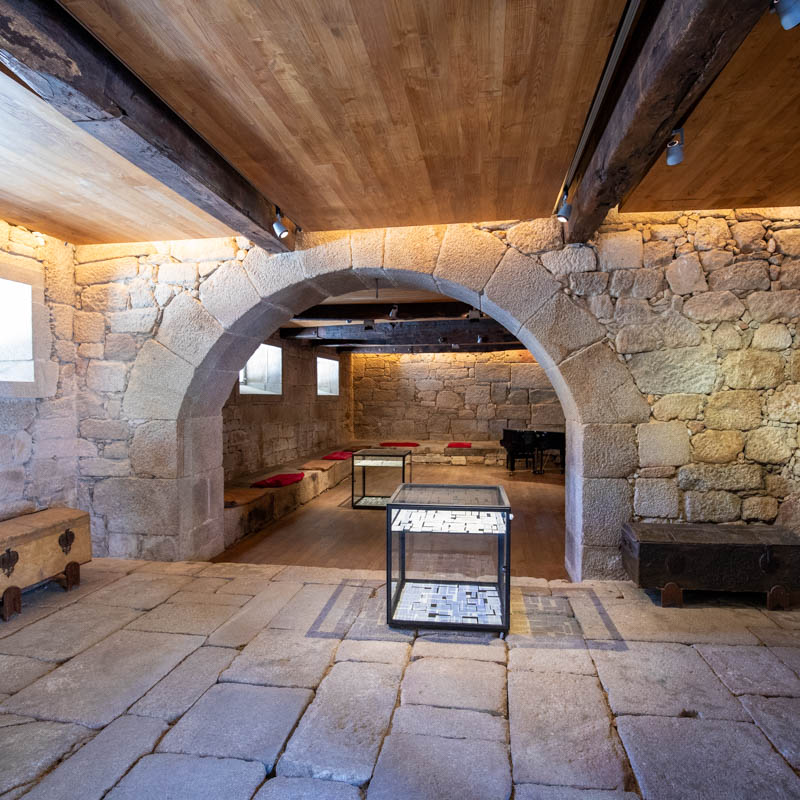
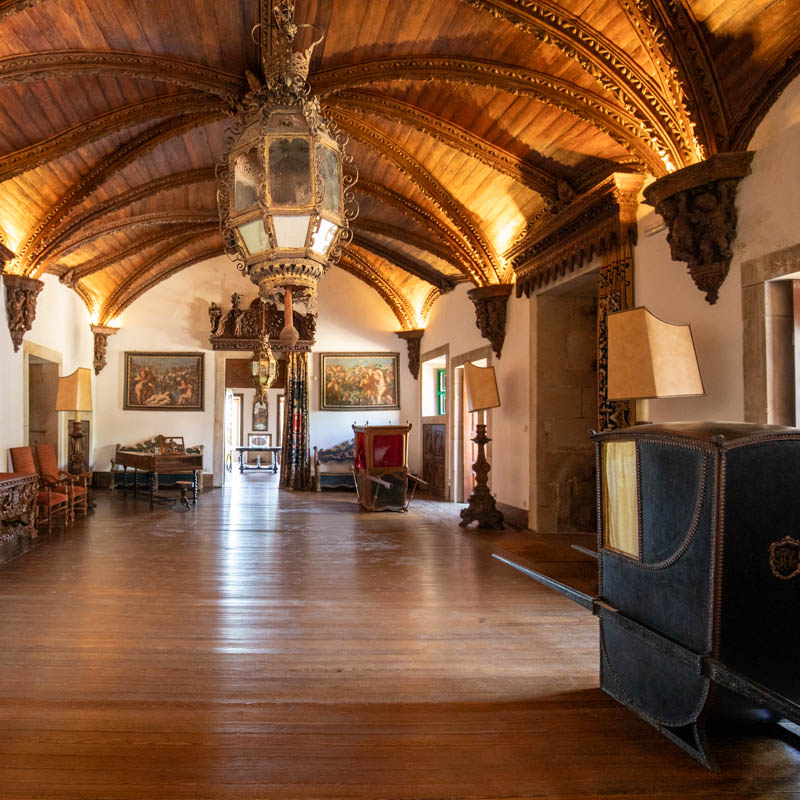
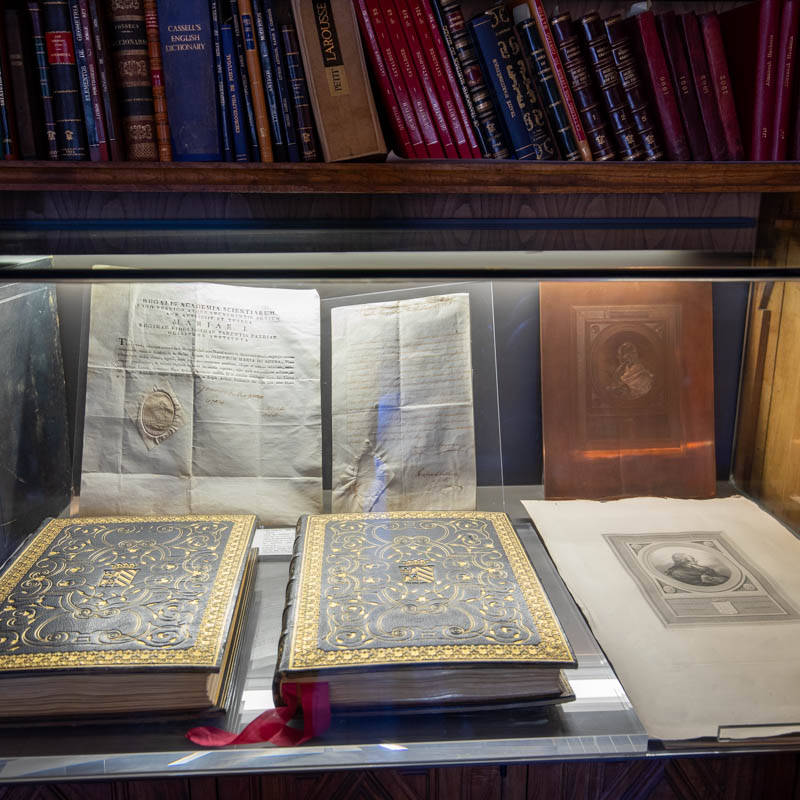
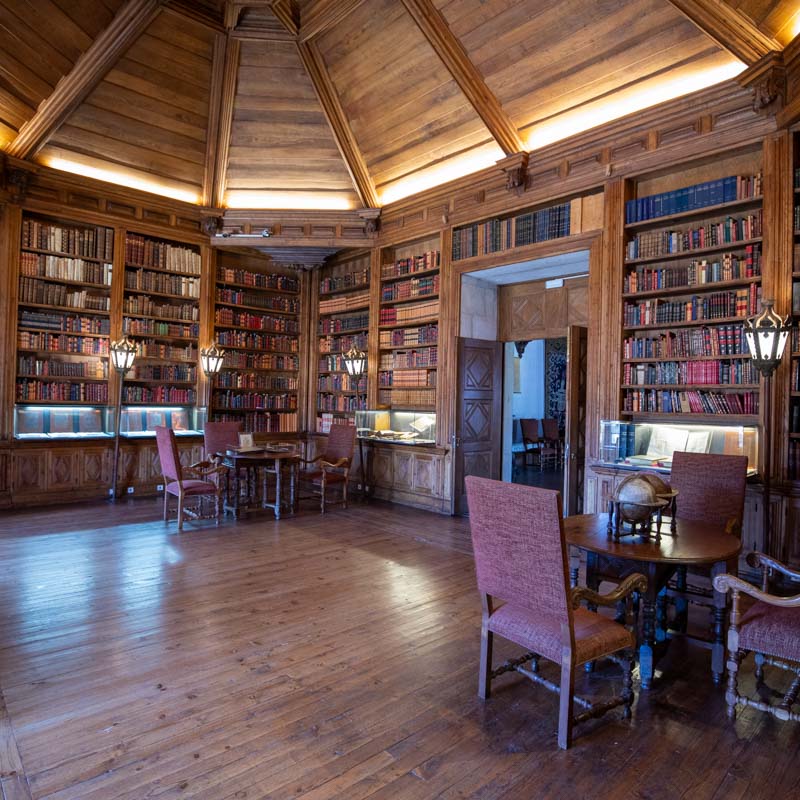
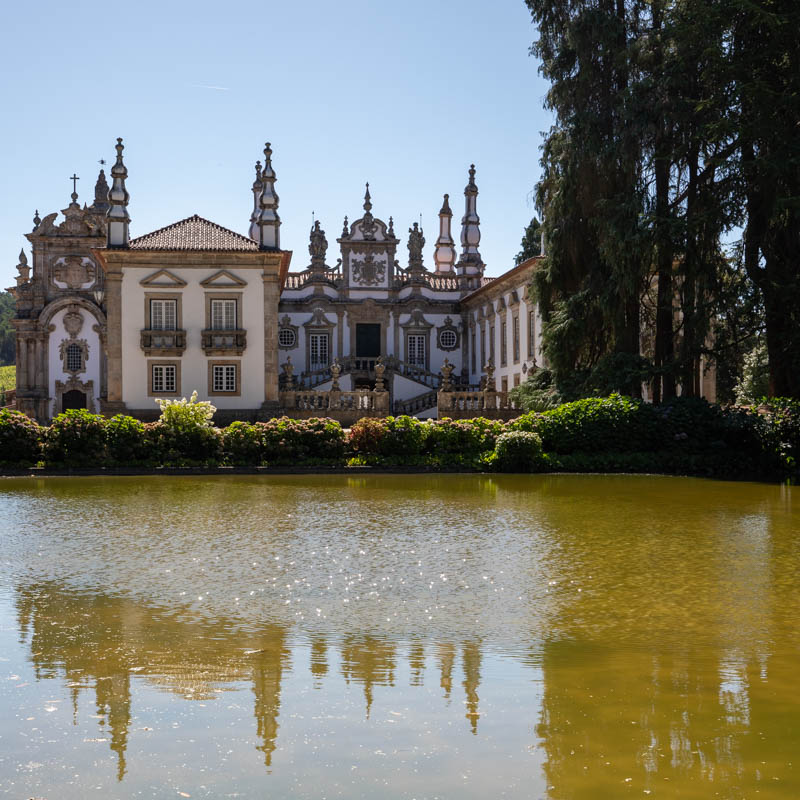
In Vila Real, the Casa de Mateus Foundation shows how a manor house can become a living cultural centre without losing the memory of the family that lived there. Created in 1970 by D. Francisco de Sousa Botelho de Albuquerque, it was born from the donation for public service of the House, Chapel, Winery, gardens, orchards, vineyards, woodland and a vast archive, library and museum collection. The setting helps explain the power of the place: the Baroque house, completed in 1744 and linked to the name of Nicolau Nasoni, is reflected in its famous water mirror and opens onto boxwood gardens, a rose garden and parkland. Inside, the reception rooms, chapel and library extend centuries of domestic and artistic life; among rare books and materials connected with the 1817 edition of The Lusiads, one understands that Mateus preserves not only a palace, but an enduring way of linking heritage, landscape and cultural creation.
Why it matters
In Mateus, on the outskirts of Vila Real, Casa de Mateus brings together a manor house, chapel, gardens, vineyards, agricultural areas and an important family collection. The documented memory of the place goes back at least to 1577, and in 1641 the Morgadio of Mateus was established, linking the original house, the Chapel of Nossa Senhora dos Prazeres and nearby properties. In the early eighteenth century, António José Botelho Mourão, 3rd Morgado of Mateus, decided to rebuild and enlarge the residence, giving it the scale that still marks the landscape today. The Casa was completed in 1744. In 1970, the Fundação da Casa de Mateus received the ensemble for public-service purposes, with the mission of conserving the house, studying the archive and promoting cultural activities. The Palácio de Mateus, also called Solar or Casa de Mateus, has been a National Monument since 1910.
Architecture and history
The white façade, outlined by granite, ornamental chimneys and pediments, works together with the chapel and with the reflecting pool that doubles the image of the building. The U-shaped plan organises courtyards, staircases and circulation axes, creating a sense of order that goes beyond Baroque decoration. The Foundation associates the redesign of the building with Nicolau Nasoni, while Património Cultural notes that questions of authorship remain open, a detail that helps explain the complexity of the monument’s history. Inside, the sequence of rooms leads from the Great Hall to the domestic wings, the library and the religious space. In the gardens, the boxwood parterres, staircases, pergola, water garden and areas of vegetable garden, vineyard and woodland extend the architecture into the landscape.
More context
The axis between the gate, the lake and the façade helps explain the Baroque staging of the ensemble, made of approach, symmetry and reflections. In the chapel, notice how family devotion is expressed through relics, liturgical objects, gilded woodcarving and pieces from different periods, including the low relief The Descent from the Cross, from the first half of the sixteenth century. The library shows another side of the house: its bibliographic collection exceeds six thousand titles and links the family to study, the Church, the university and the publication of The Lusiads, by Luís de Camões. In the gardens, look for the 1930s boxwood star, the traces of the older garden and the water garden created in 1948. The Vine Museum, on the south-facing slopes, explains the relationship between soil, grape varieties, landscape and wine.
Gallery