Lisboa · Lisboa
Igreja de Nossa Senhora da Conceição Velha
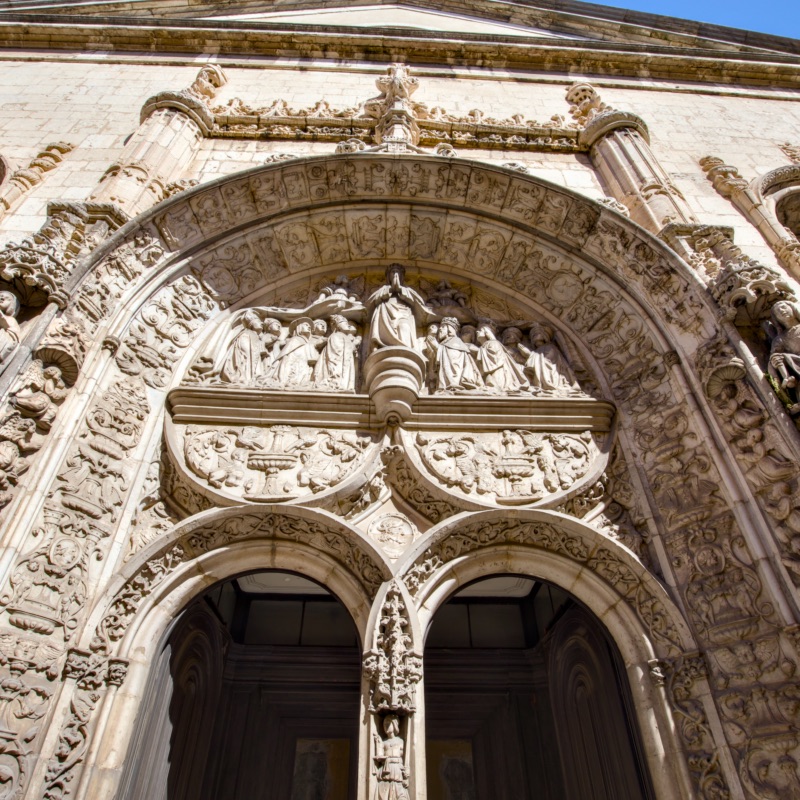
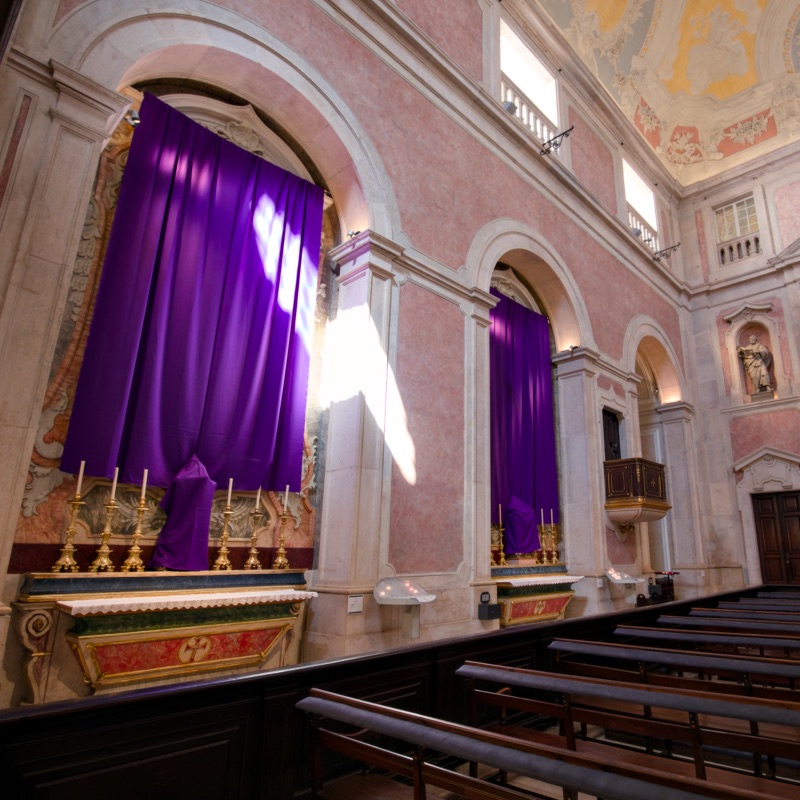
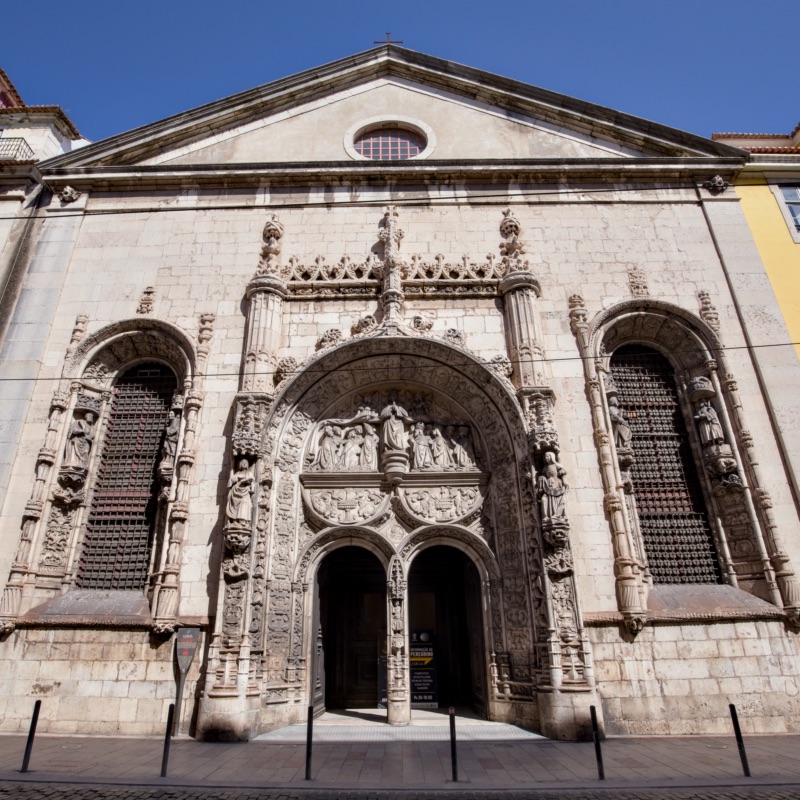
The Church of Nossa Senhora da Conceição Velha, in Lisbon, concentrates the memory of several churches in a single façade. The present building was born from the Pombaline reconstruction of the former Church of the Misericórdia, destroyed by the 1755 earthquake. That church had been the seat of the country’s first Misericórdia, a confraternity instituted in 1498 on the initiative of Queen Leonor and Frei Miguel Contreiras. In the 1770 rebuilding, led by Francisco António Ferreira with the collaboration of Honorato José Correia, surviving elements of the Manueline construction were incorporated. For this reason, the exterior preserves a richly ornamented portal, with a mullioned arch, armillary sphere, cross of the Order of Christ and a tympanum where Our Lady of Mercy shelters kneeling figures beneath her mantle. Inside the single nave, side chapels, tiles, 18th-century stucco and gilded woodwork extend the dialogue between devotion, catastrophe and reconstruction.
Why it matters
The present Igreja de Nossa Senhora da Conceição Velha, on Rua da Alfândega, brings together several layers of Lisbon’s religious and urban history. The building is linked to the former Igreja da Misericórdia, the first purpose-built headquarters of the Santa Casa da Misericórdia de Lisboa, a brotherhood founded in 1498 on the initiative of Queen Leonor and Friar Miguel Contreiras. That large Manueline church, completed in 1534 during the reign of Manuel I, was one of the most important temples in sixteenth-century Lisbon. The 1755 earthquake almost completely destroyed it and forced the Misericórdia to move to São Roque. In the Pombaline rebuilding ordered by King José I, the surviving elements, above all the portal and one chapel, were reused. Reconstruction moved forward from 1770 under the direction of Francisco António Ferreira, known as Cangalhas, with the collaboration of Honorato José Correia. The name "Conceição Velha" was then attached to the rebuilt church, inheriting the designation of the former church of the Order of Christ, which had also collapsed in 1755. Since 1910, the complex has been listed as a National Monument. Today, the church remains a rare material record of the continuities and disruptions caused by the great earthquake.
Architecture and history
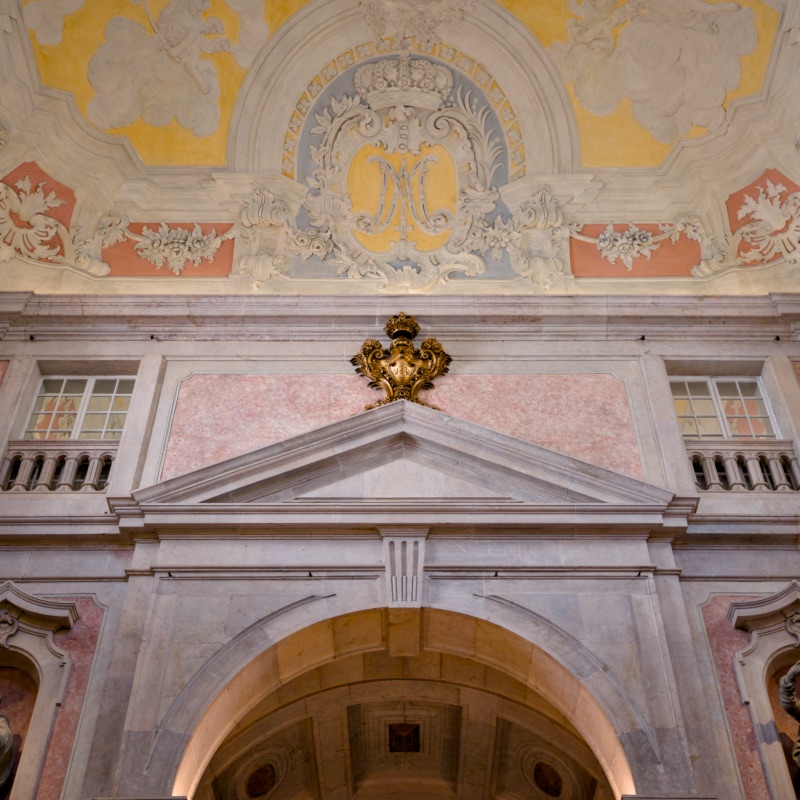
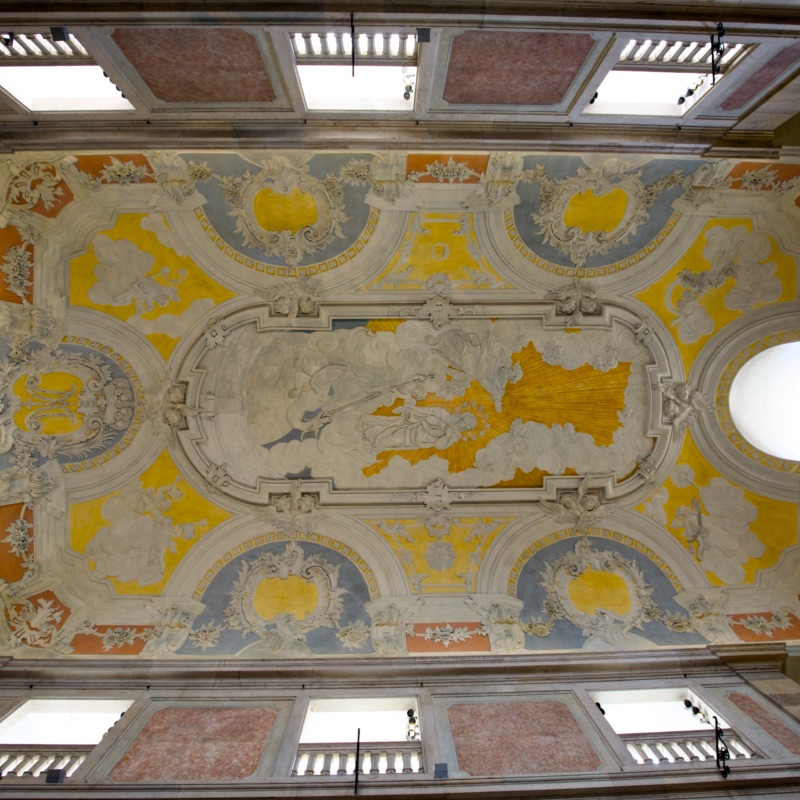
The church’s distinctive character comes from the dialogue between an eighteenth-century rebuilding and exceptional surviving Manueline elements. The main facade incorporates the former side portal of the sixteenth-century church, now turned into the principal entrance after the building’s orientation was changed. This portal features a round arch, a pointed upper frame and an exceptionally rich sculptural programme, with vegetal ornament, naturalistic motifs, Renaissance grotesques, canopies and royal heraldry, including the Cross of the Order of Christ and the armillary sphere. In the tympanum, the image of Our Lady of Mercy opens her protective mantle over several kneeling figures, among whom Manuel I, Leonor and Pope Leo X can be identified. The two large side windows repeat the Manueline decorative vocabulary and visually link this facade to that of the Jerónimos Monastery. Inside, already in a Pombaline language, the church is arranged as a single nave with side chapels, a high choir and a rectangular chancel created from an earlier lateral chapel. It preserves eighteenth-century stucco and tiles, a painted stucco ceiling with the Triumph of Our Lady of the Conception, attributed to Félix da Rocha, as well as several devotional paintings and sculptures of artistic significance.
More context
During a visit, the first feature to focus on should be the Manueline portal, which can almost be read as a stone altarpiece. It is worth taking time to observe the tympanum with the Virgin of Mercy and the carved details on the pilasters, niches and window surrounds, because these elements preserve the memory of old Manueline Lisbon. Inside, it is worth walking through the nave towards the chancel to understand how the eighteenth-century rebuilding incorporated earlier fragments and redefined the axis of the church. The painted stucco ceiling, centred on the Triumph of Our Lady of the Conception, is one of the key pieces of the decorative scheme. On the side altars, particular attention should be given to canvases attributed to Bruno José do Vale, Joaquim Manuel da Rocha and Joana do Salitre. Among the devotional images, Our Lady of Restelo stands out, linked to the tradition of Portuguese navigators praying before their oceanic voyages. The presence of marble, tiles and eighteenth-century sacred imagery also helps explain why this church, discreet on the urban scale, is such a rare witness to the transition from the Manueline world to Pombaline Lisbon.
Gallery