Lisboa · Lisboa
Museu de Lisboa - Casa dos Bicos
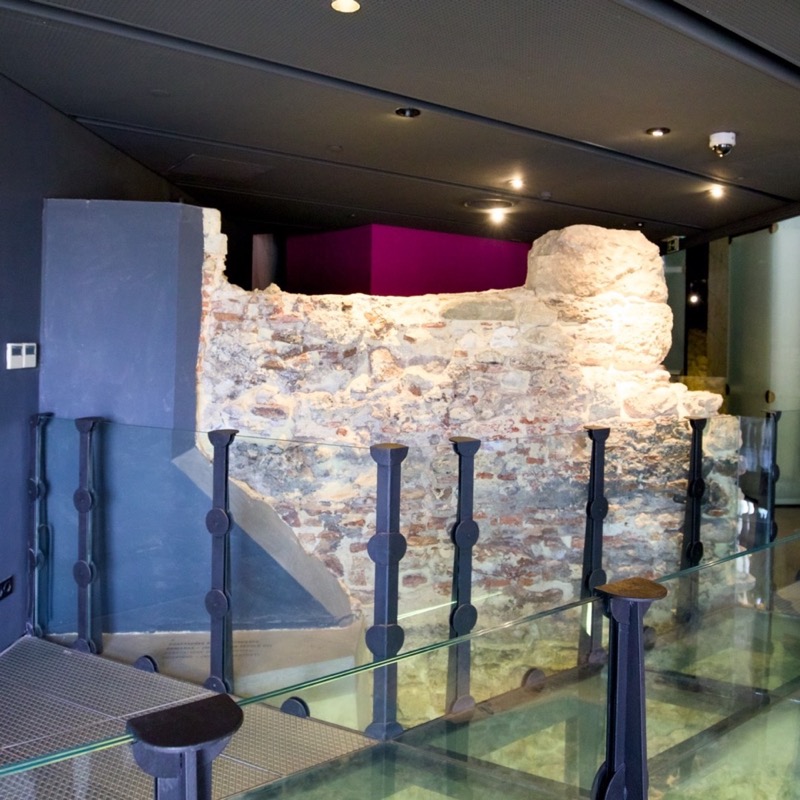
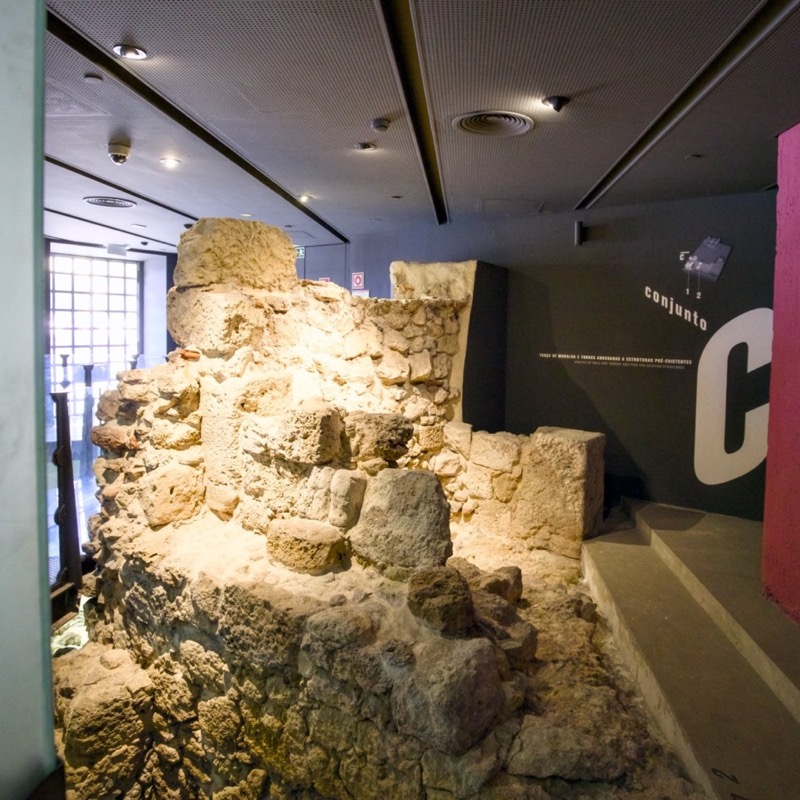
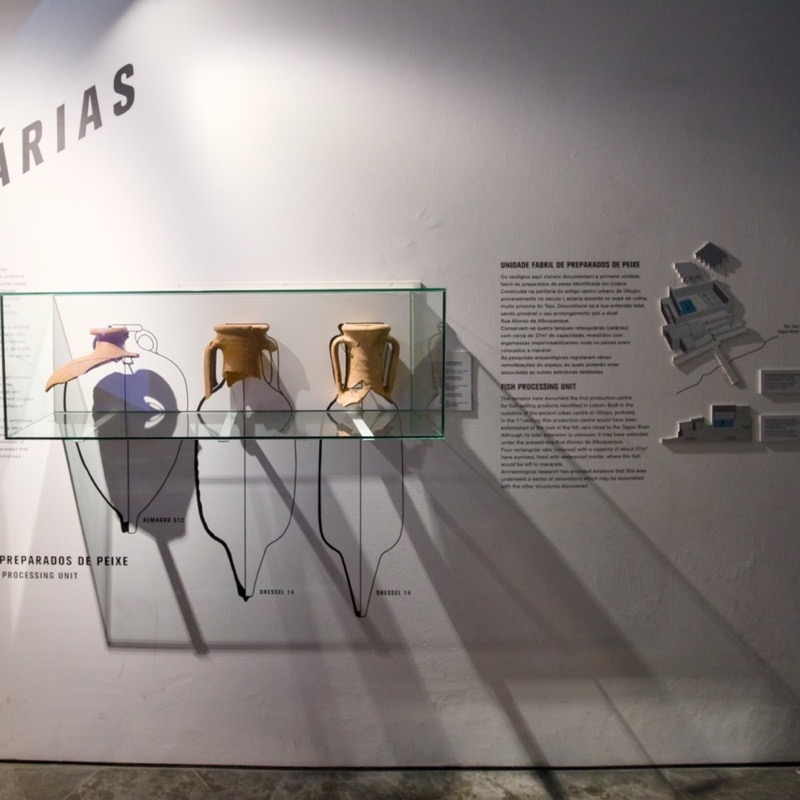
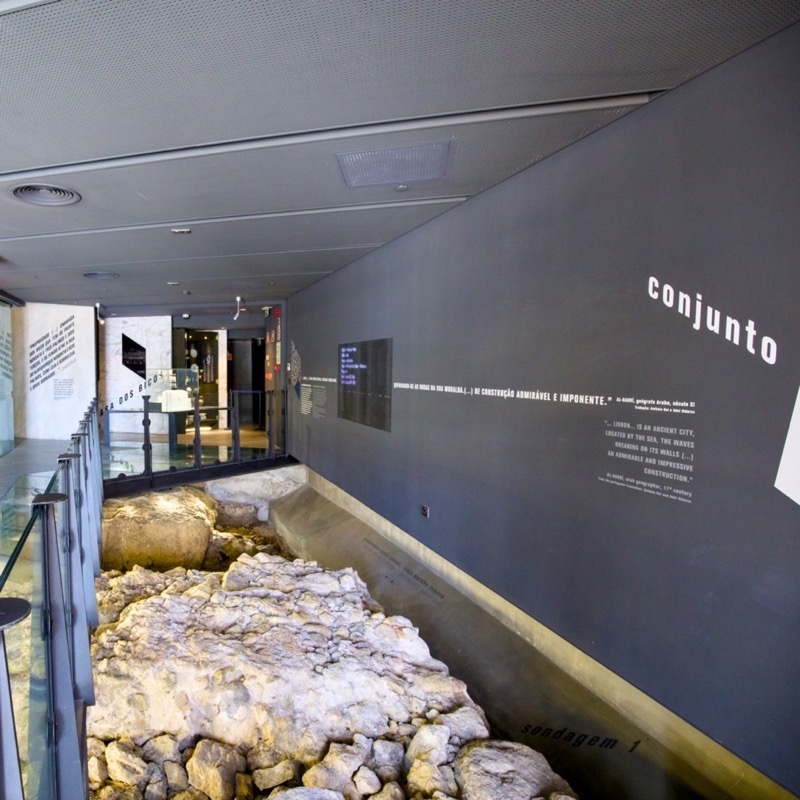
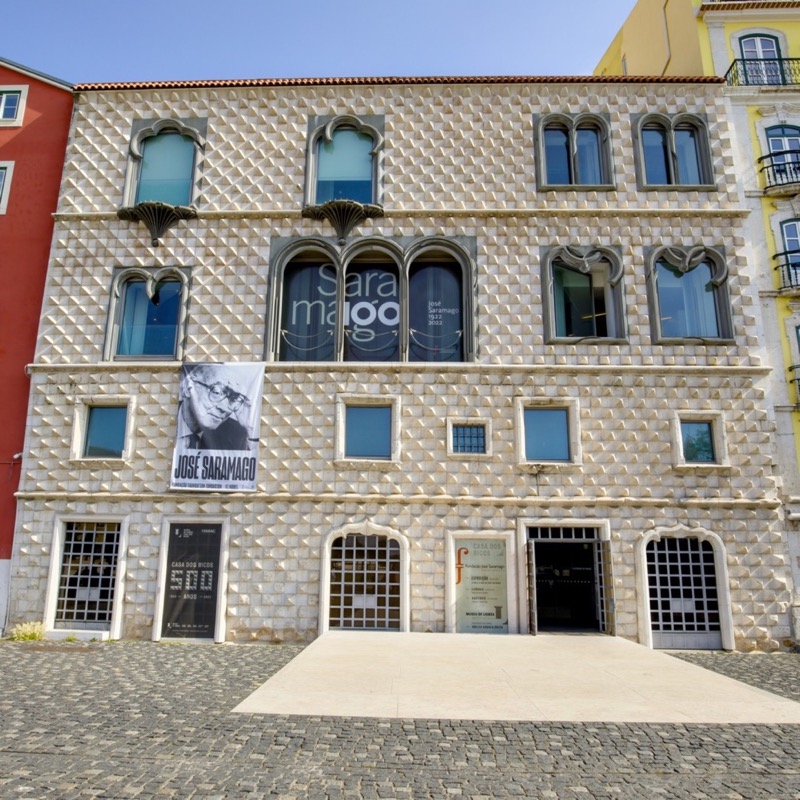
On Rua dos Bacalhoeiros, Casa dos Bicos is one of the five branches of the Museum of Lisbon and houses, on the ground floor, an archaeological centre devoted to the city’s history. The building was constructed in the 16th century by order of D. Brás de Albuquerque, inspired by Italian Renaissance models, among them the Palazzo dei Diamanti in Ferrara. The façade, classified as a National Monument, owes its name to the stones carved into diamond points, whose texture contrasts with the irregular arrangement of the openings. Inside, the remains reveal several layers of Lisbon, from the Roman occupation to the 18th century. Sections of wall, fish-salting tanks and everyday objects can be seen. On the upper floors, granted to the José Saramago Foundation, the house extends its cultural life. Between architecture, archaeology and urban memory, Casa dos Bicos shows Lisbon as a city built upon successive histories.
Why it matters
The Casa dos Bicos, one of Lisbon's most iconic buildings, is a true gem of Renaissance and Manueline architecture. Built in 1523 by Brás de Albuquerque, son of the famous Portuguese explorer Afonso de Albuquerque, the Casa dos Bicos stands out for its peculiar design that blends Italian and Portuguese influences. The facade, covered by over a thousand diamond-shaped stones, inspired by the Genoese palaces in Italy, quickly became a city landmark. However, the history of the Casa dos Bicos was not always glorious; the building suffered significant damage during the 1755 earthquake and was only restored in the 20th century, regaining its former splendour.
Architecture and history
The most distinctive feature of the Casa dos Bicos is undoubtedly its facade, covered with pointed stones known as "bicos", which give the building its name. This geometric design is a clear reference to the Renaissance influence that Brás de Albuquerque brought from Italy, where he had travelled before constructing the house. In addition to the facade, the building also features Manueline and Renaissance windows, a mix of styles reflecting the transition between the Middle Ages and the modern era in Portugal. The interior of the Casa dos Bicos is equally fascinating, with stone walls, high ceilings, and arches that evoke the wealth and sophistication of the time.
More context
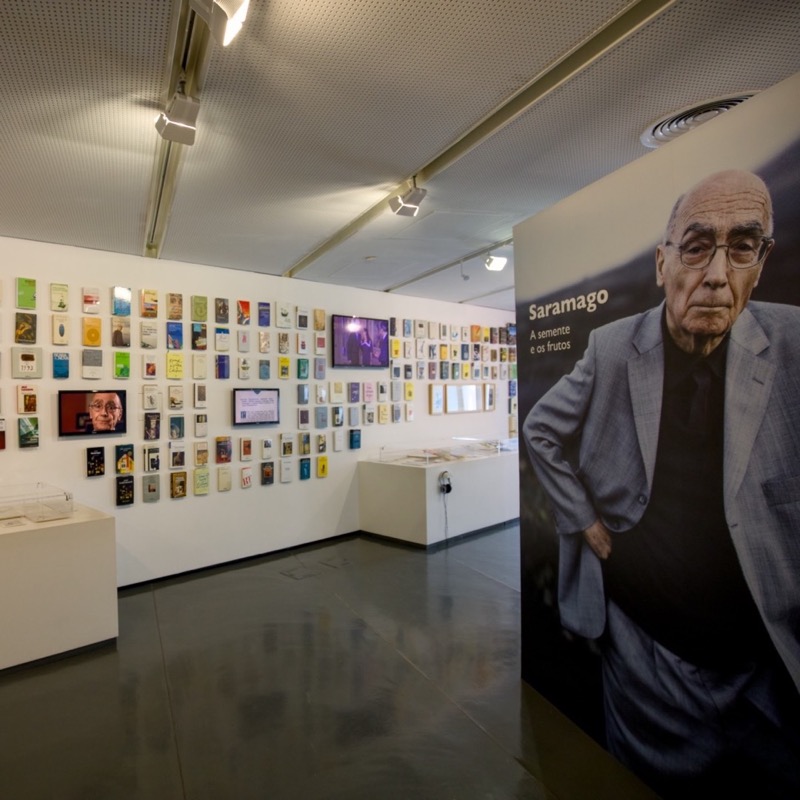
Today, the Casa dos Bicos is home to the Museum of Lisbon, specifically dedicated to telling the history of Lisbon from prehistory to the present day. One of the museum's highlights is the permanent exhibition dedicated to the great Portuguese writer José Saramago, whose ashes are buried near the entrance of the building under an olive tree. Additionally, the museum features a vast collection of archaeological artefacts found in the area, dating from the Roman period to the Middle Ages. Visitors can explore various temporary exhibitions held throughout the year, as well as the building itself, which is a work of art in its own right.
Gallery