Lisboa · Lisboa
Museu do Aljube
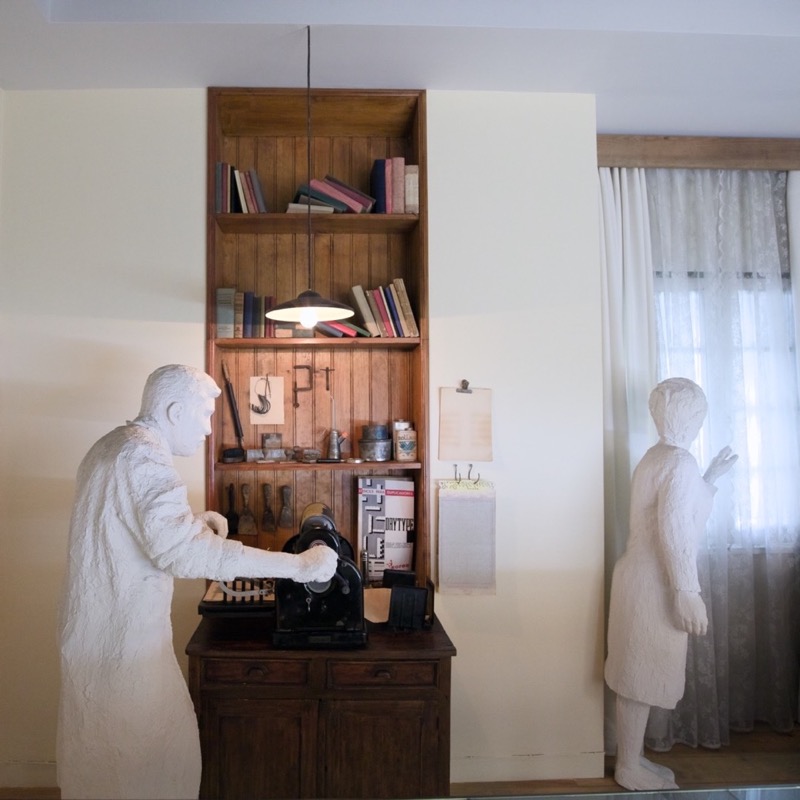
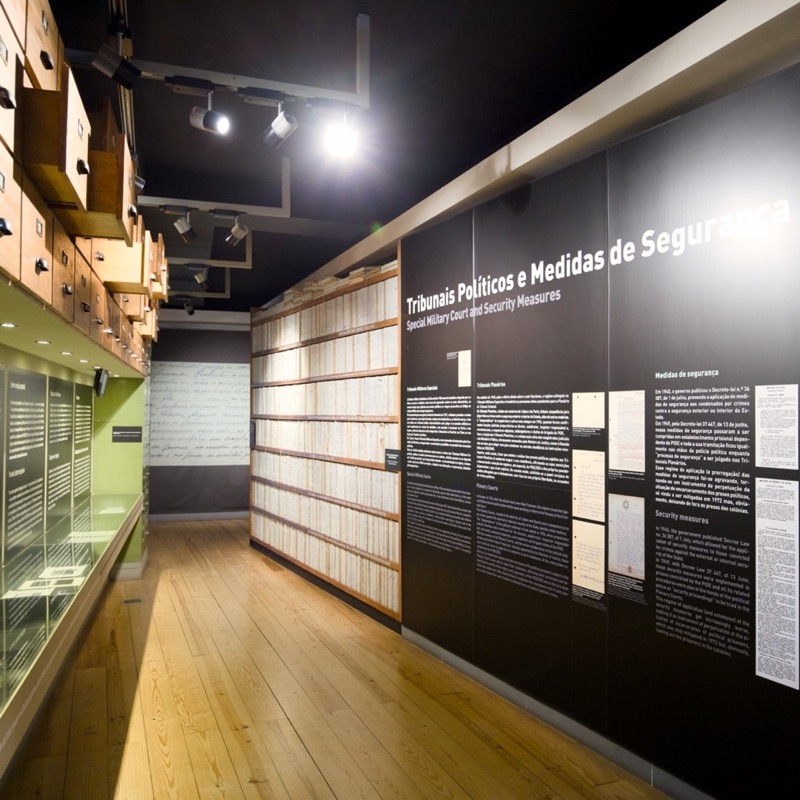
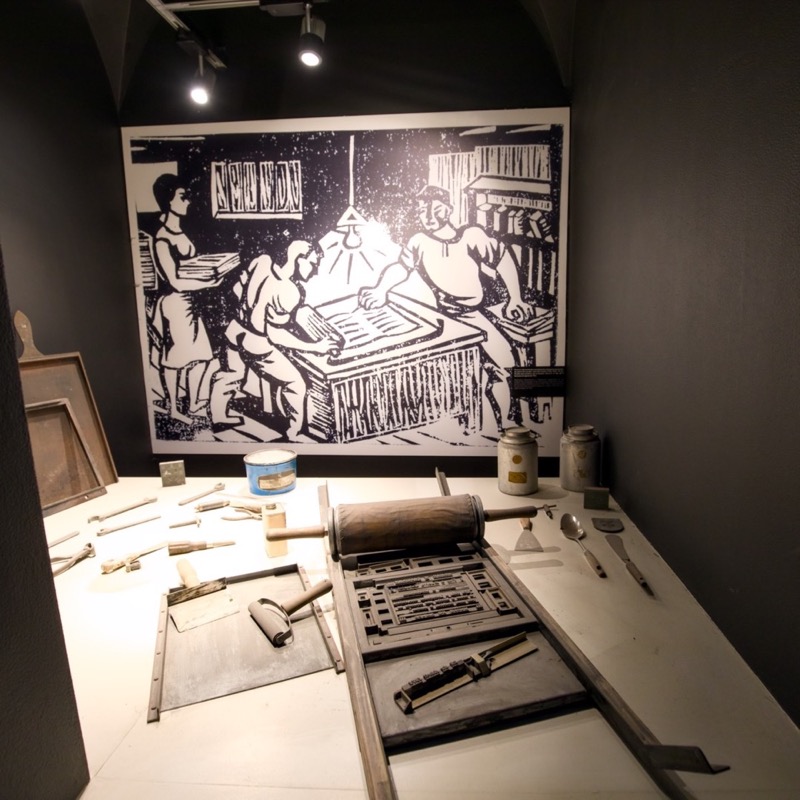
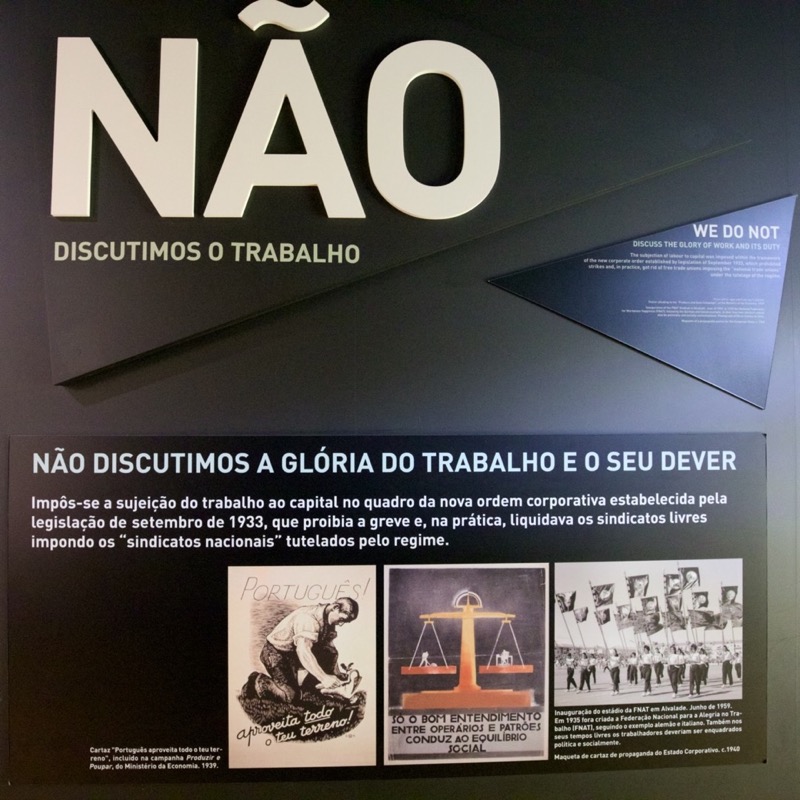
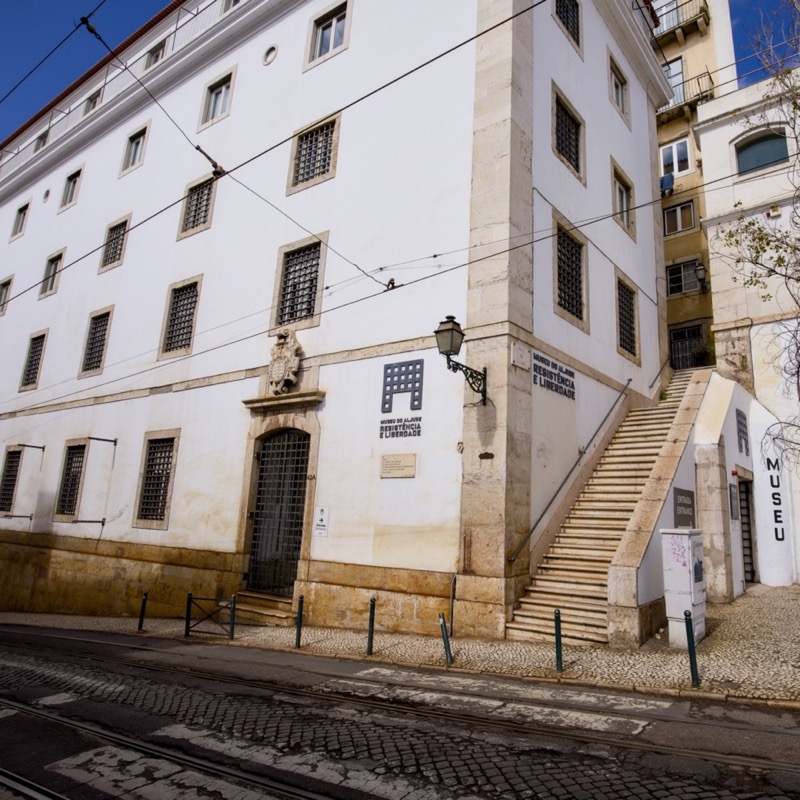
Near Lisbon Cathedral, the Aljube Museum — Resistance and Freedom occupies a building marked by a long prison history. The name Aljube itself comes from the Arabic al-jubb, associated with a dry well, cistern, dungeon or prison. According to the museum, the building dates back to the Roman and Islamic periods and was, over time, an ecclesiastical jail, a women’s prison and, between 1928 and 1965, a political prison. Created in 2015, the museum is dedicated to the memory of the struggle against the Portuguese dictatorship, which lasted from 1926 to 1974, and to resistance in the name of freedom and democracy. The long-term exhibition presents the history of the building, the regime’s mechanisms of repression and oppression, the opposition movements, the anti-colonial struggle and the path to 25 April 1974. On the lower floor, archaeological remains recall that this place of memory has roots far older than the dictatorship.
Why it matters
The Aljube Museum is located in Lisbon, in a historic building dating back to the 16th century. Originally a convent, the space was transformed into a prison during the Inquisition, serving as a detention centre for those accused of heresy. In the 20th century, during the Estado Novo regime, the building was again used as a political prison. This dark period of Portuguese history is a primary focus of the museum, which opened its doors to the public in 2015. The Aljube Museum aims to honour the victims of the dictatorship and promote reflection on the importance of freedom and democracy.
Architecture and history
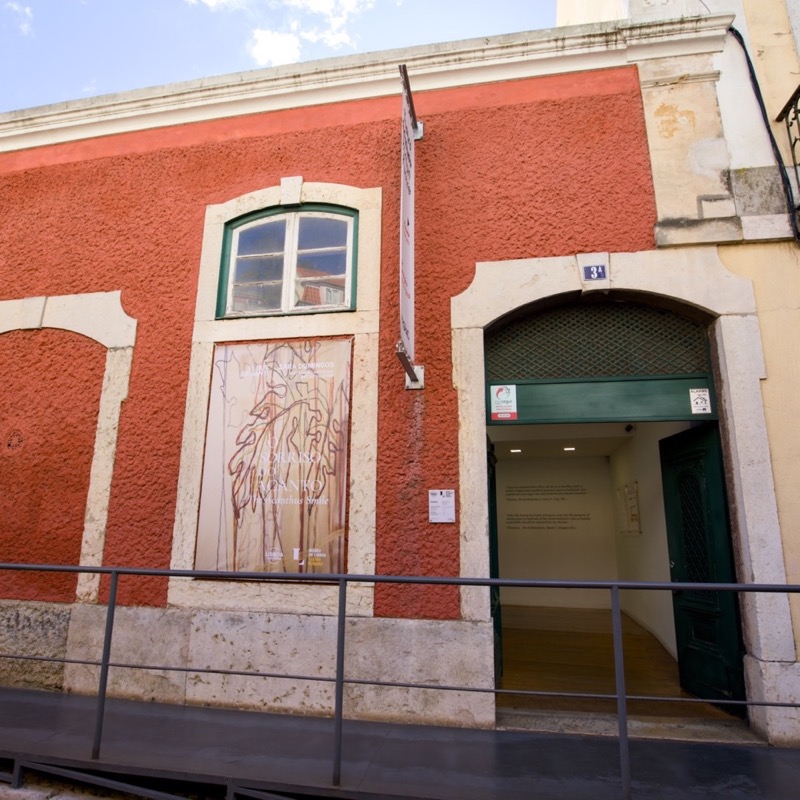
The Aljube Museum building features architecture that reflects the various phases of its history. The original 16th-century structure is visible in several areas, particularly in the robust stone walls and Manueline-style arches. Transformations made over the centuries added elements typical of the Baroque and Pombaline periods, such as decorative tiles and barred windows. The adaptation of the building into a museum was carried out with sensitivity, preserving its historical authenticity while introducing modern elements that facilitate exhibition and visitor circulation.
More context
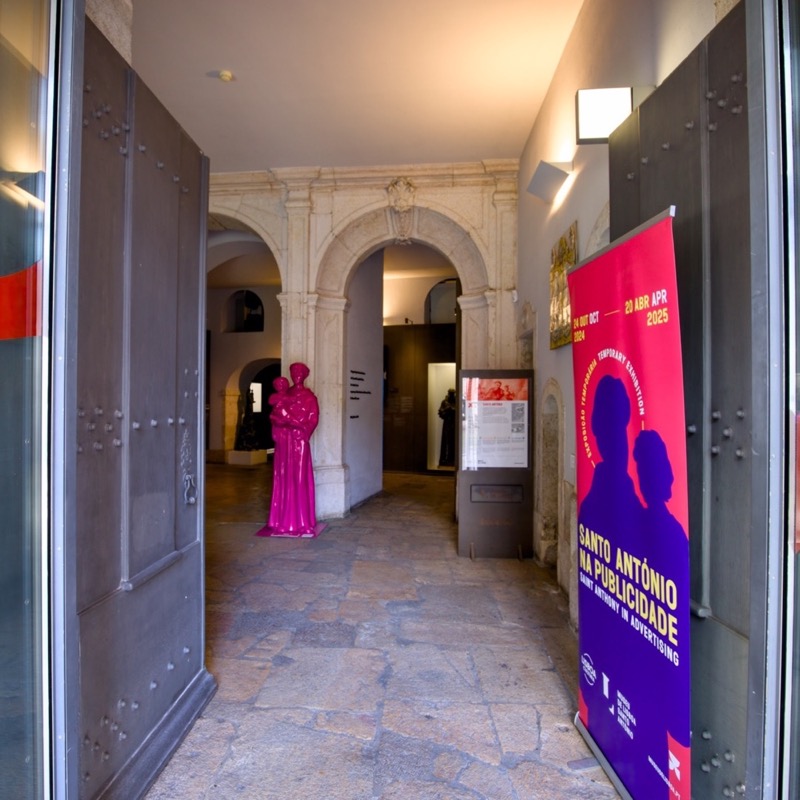
Visitors to the Aljube Museum can explore several permanent exhibitions addressing themes such as political repression, censorship, and resistance during the Estado Novo. One of the most impactful areas is the recreation of the prison cells, where the claustrophobia and oppression that marked the lives of political prisoners can be felt. The museum also offers temporary exhibitions that address topics related to the struggle for freedom and human rights. In addition to exhibitions, the museum regularly hosts conferences, debates, and educational activities, making it a space for continuous reflection and learning.
Gallery