Lisboa · Lisboa
Sé de Lisboa
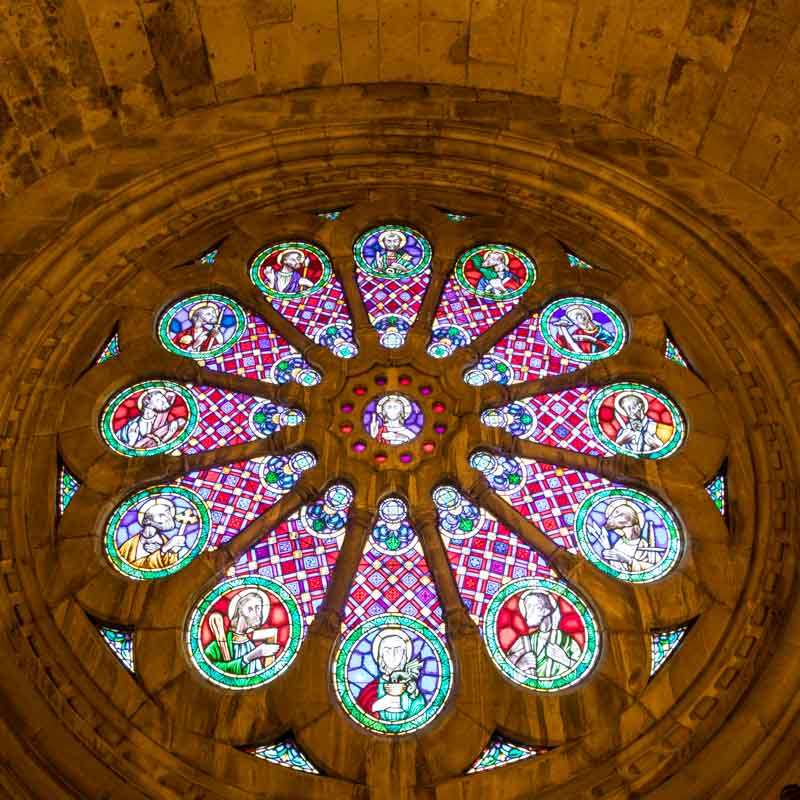
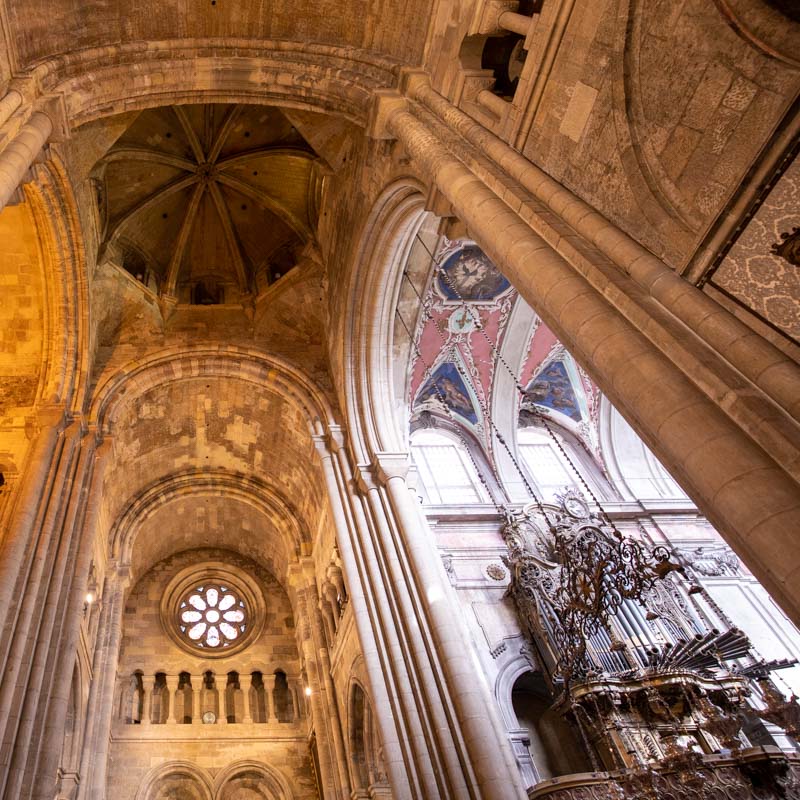
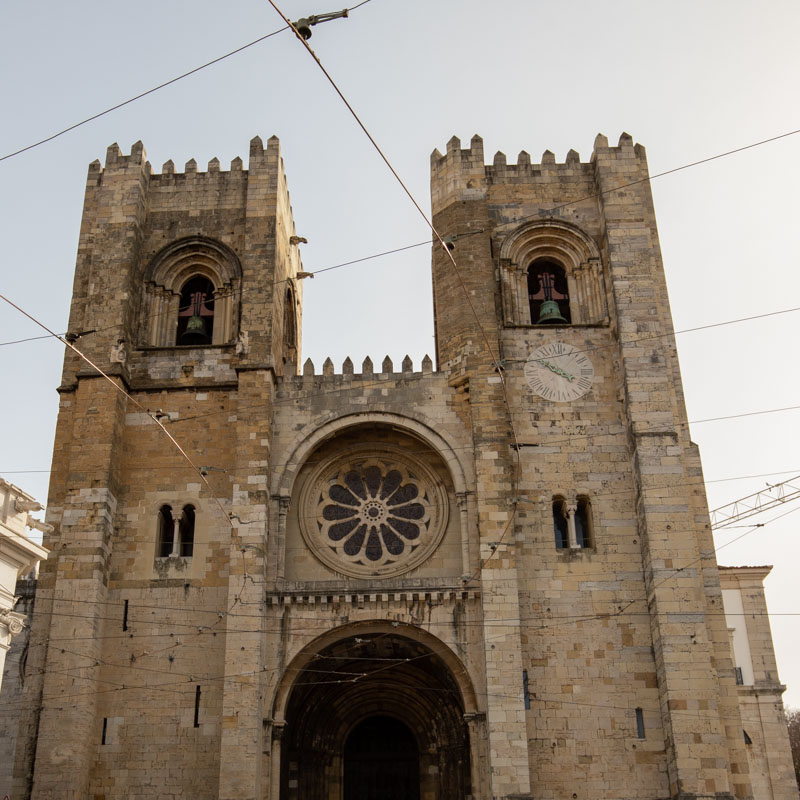
Between Alfama and the Baixa, Lisbon Cathedral seems to gather whole centuries of the city into a single building. Construction began in 1147, just after the Christian conquest of Lisbon, and the Romanesque church changed over time with the same upheavals that shaped the capital itself. To the Gothic cloister commissioned by King Dinis was added, in the fourteenth century, the ambulatory chevet ordered by Afonso IV to receive pilgrims coming to venerate the relics of Saint Vincent, a rare solution that still sets the cathedral apart. The 1755 earthquake destroyed important parts of the complex, and the restorations of the twentieth century gave it the Neo-Romanesque appearance we know today, with the rose window and twin towers dominating the square. Inside, medieval stone lives alongside traces of other periods; and in the baptistry, one is reminded that Saint Anthony was baptised here, a detail that links the Sé not only to Lisbon’s history, but also to its most intimate devotion.
Why it matters
Lisbon Cathedral stands in Largo da Sé and is Lisbon’s cathedral, dedicated to Santa Maria Maior. Its construction is thought to have begun in 1147, during the reign of King Afonso Henriques, shortly after the city was taken. The reorganisation of the diocese accompanied that moment, and work on the cathedral continued into the early decades of the 13th century. Heritage sources indicate that the first building campaign took place, it seems, over the former Muslim mosque. The original building was Romanesque and followed a Latin-cross plan, with three naves, a projecting transept, a triforium and a three-part east end. Over the centuries it received Gothic, Mannerist and Baroque changes. The 1755 earthquake destroyed important parts, including the Gothic chancel, the south tower and the nave roof. In the 20th century, revivalist restorations removed many Baroque additions and strengthened the medieval image we recognise today.
Architecture and history
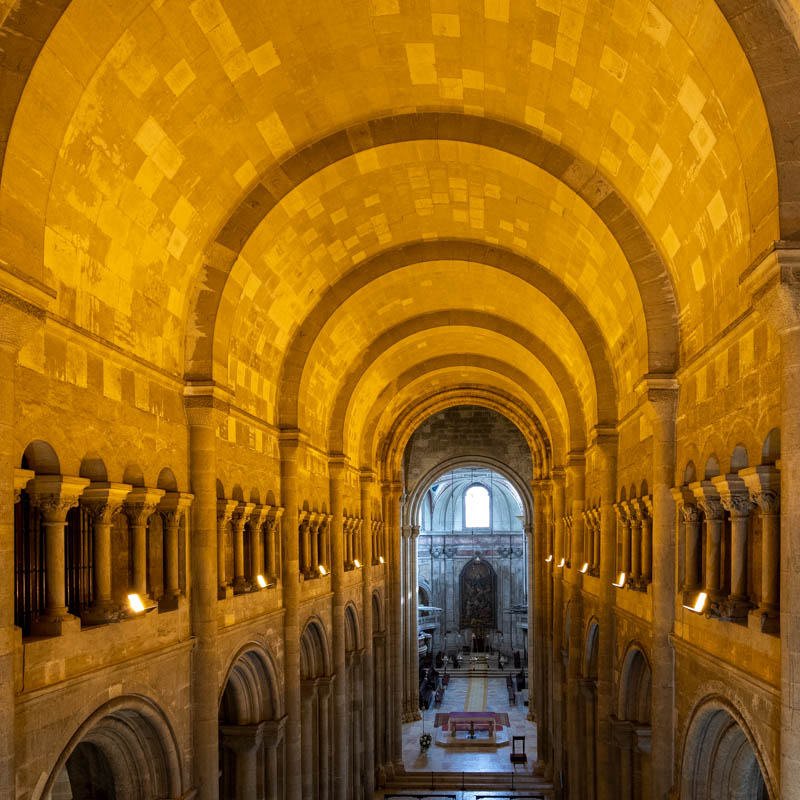
The west façade presents the cathedral’s most immediate image: two strong towers, battlements, a deep portal and a rose window remade in the 20th century. This almost fortified appearance helps explain why the cathedral so strongly marks the entrance to the old part of the city. Inside, the high central nave and the lower side aisles maintain the Romanesque logic, with round arches, a barrel vault over the central nave and a triforium opening above the aisles. The transept preserves original Romanesque vaults and receives light from the lantern tower. At the east end, the Gothic ambulatory and radiating chapels show an important change: the cathedral also became a place of devotional circulation, linked to the veneration of the relics of Saint Vincent. The Gothic cloister, begun in the 14th century, stands behind the building and recalls the internal life of the former cathedral complex.
More context
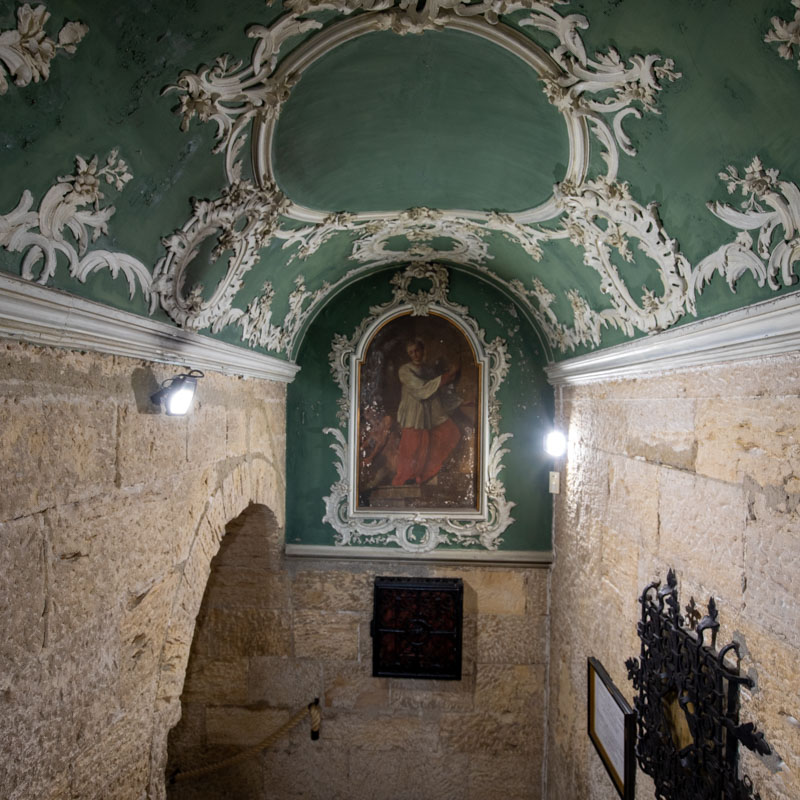
The high choir allows visitors to see the nave from above and understand the relationship between the rose window, the façade and the axis leading to the chancel. In the baptistery, protected by railings, notice the 18th-century tile panels and the symbolic value of the place, associated with the baptism of Saint Anthony. The ambulatory deserves a slow walk: its rib vaults, radiating chapels and Gothic tomb sculpture bring the visitor closer to medieval Lisbon society. In the Cathedral Treasury, open to the public as a museum space since 1993, reliquaries, vestments, sculpture, painting and goldsmithery show the liturgical function of objects before they became exhibits. The cathedral should be read in layers: medieval foundation, earthquake damage, modern restorations and still-active religious use. Paying attention to these layers prevents the building from being seen as belonging to only one period.
Gallery