Lisboa · Lisboa
Museu de Lisboa - Santo António
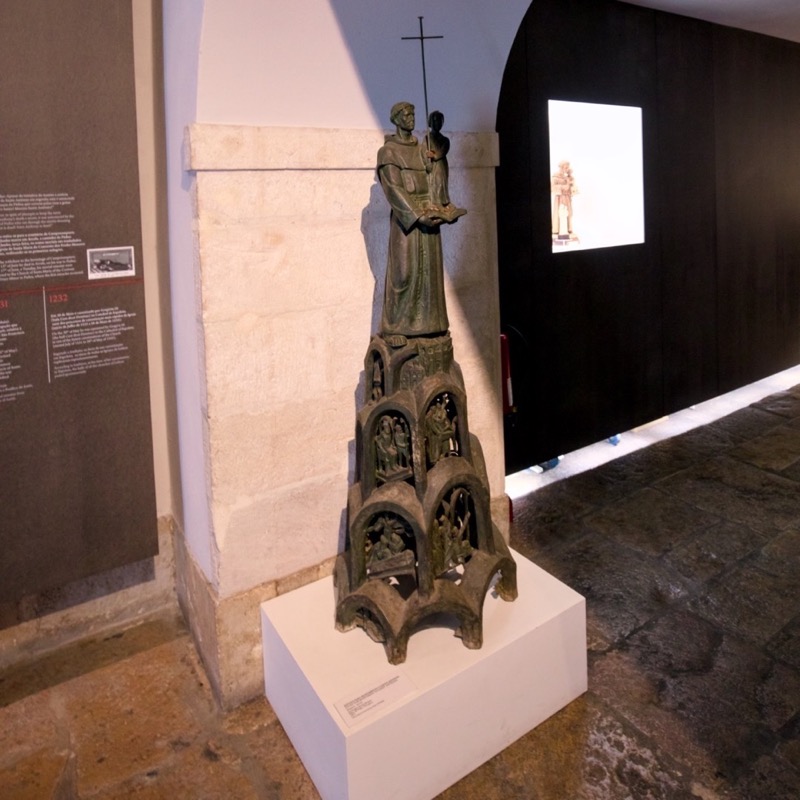
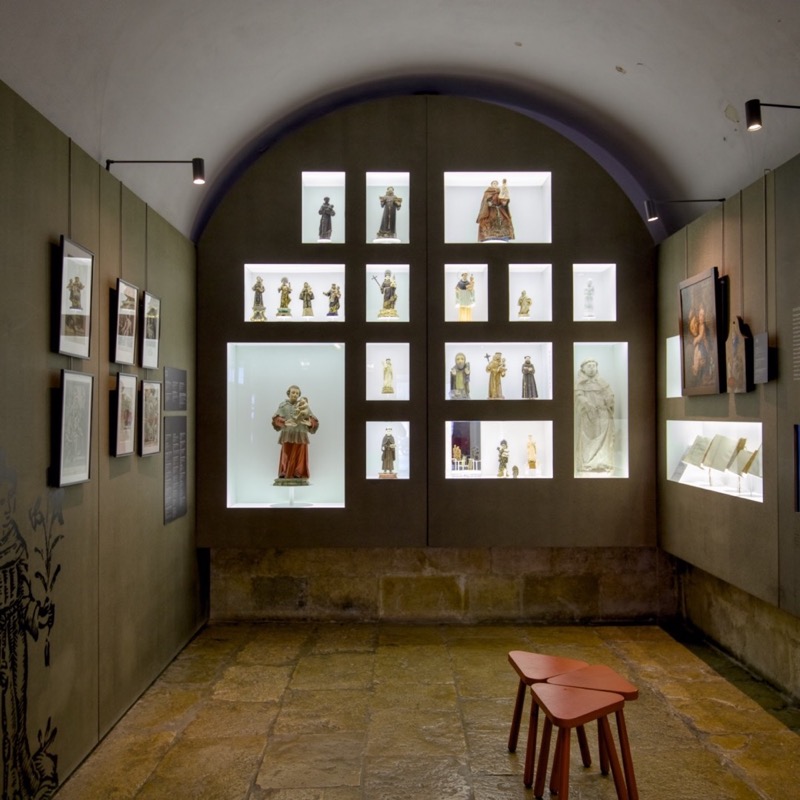
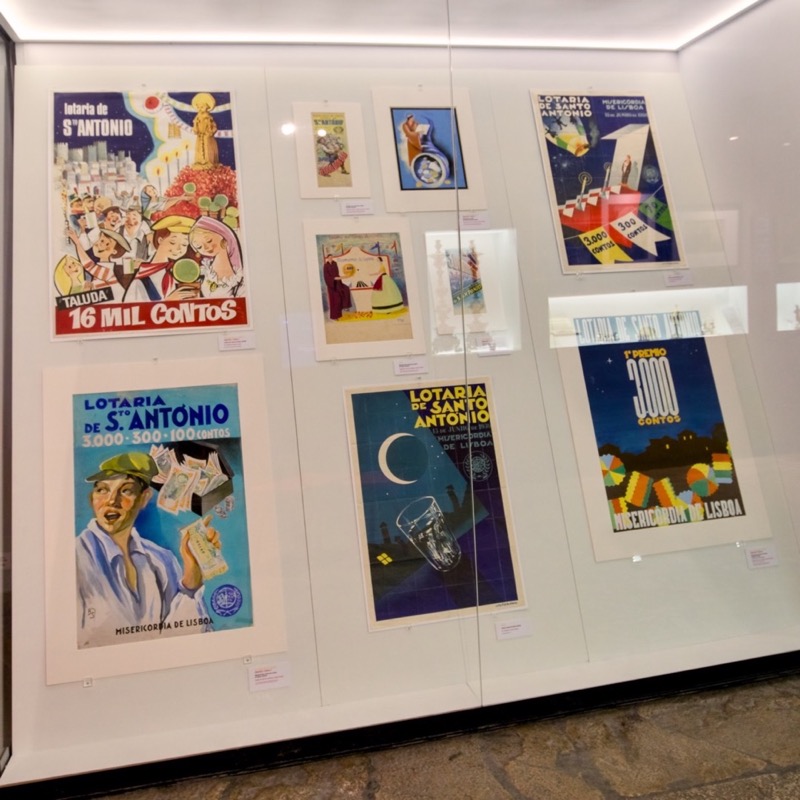
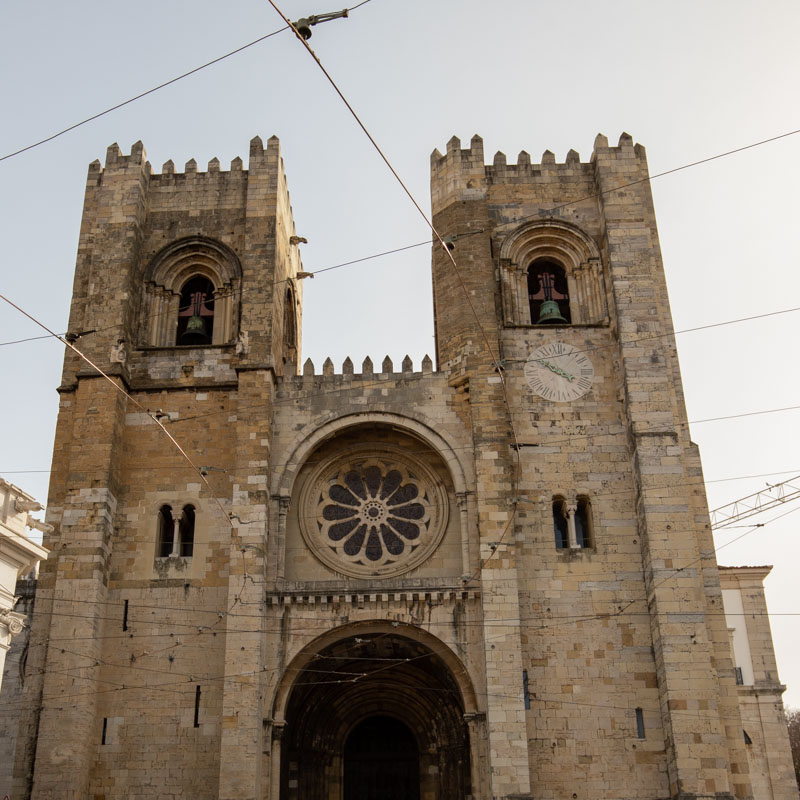
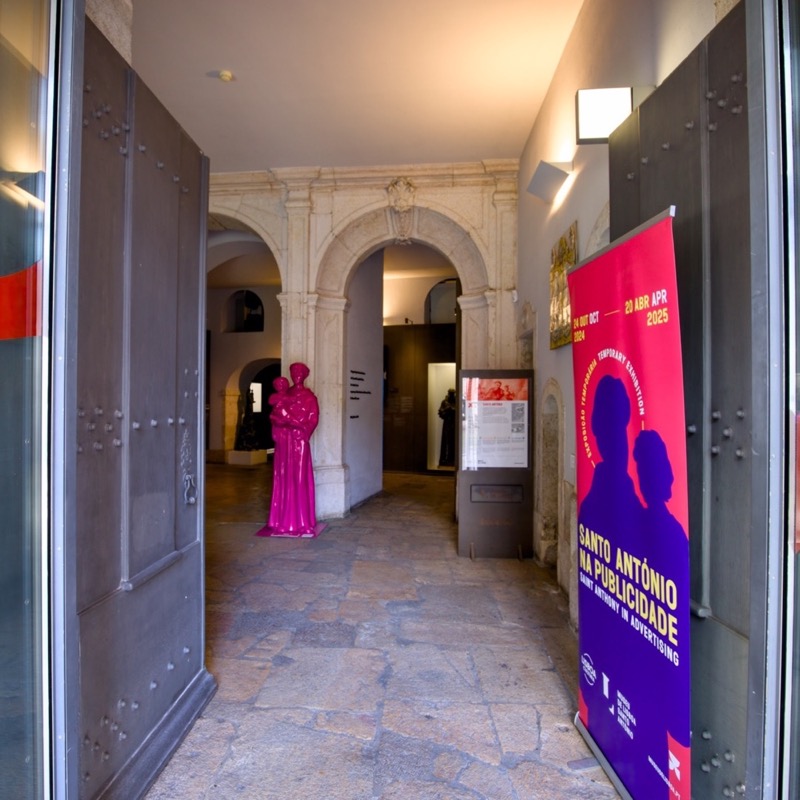
The Museu de Lisboa - Santo António stands in the historic centre, beside the church dedicated to the saint and close to the Cathedral. It is one of the five sites of the Museu de Lisboa and focuses on Saint Anthony, who was born in the city and lived here until the age of 20. The exhibition presents his relationship with Lisbon through iconography, devotion, popular traditions and the festivities that grew around him. Along the route, it becomes clear how the saint’s image was built over the centuries: the Franciscan preacher, the miracle-worker, the familiar presence in domestic devotions and in the celebrations of June. The museum includes a long-term exhibition area and a documentation centre. Small in scale, but dense in meaning, it brings together religious history, urban memory and popular culture around one of the most present figures in Lisbon’s imagination.
Why it matters
The Museu de Lisboa - Santo António, located near Lisbon’s Sé Cathedral, is dedicated to the life and legacy of Saint Anthony, one of the most venerated religious figures in Portugal and the Catholic world. This museum celebrates Saint Anthony of Lisbon (or of Padua), born in the city in 1195, who became known as a Franciscan friar, preacher, and advocate for the poor. He was canonised shortly after his death in 1232. Beyond his religious role, Saint Anthony holds a significant cultural presence in Lisbon, where he is regarded as the city's patron saint, especially celebrated during the lively June festivities. The museum is housed in a historic building, traditionally considered to be Saint Anthony’s birthplace. Founded in 1962, it is now part of the Lisbon Museum network, aiming not only to narrate Saint Anthony’s life story but also to contextualise his influence on Lisbon’s culture and Portuguese popular faith. Visitors to the museum can gain an understanding of Saint Anthony's impact on various aspects of life in Lisbon, from religious devotion to enduring local traditions.
Architecture and history
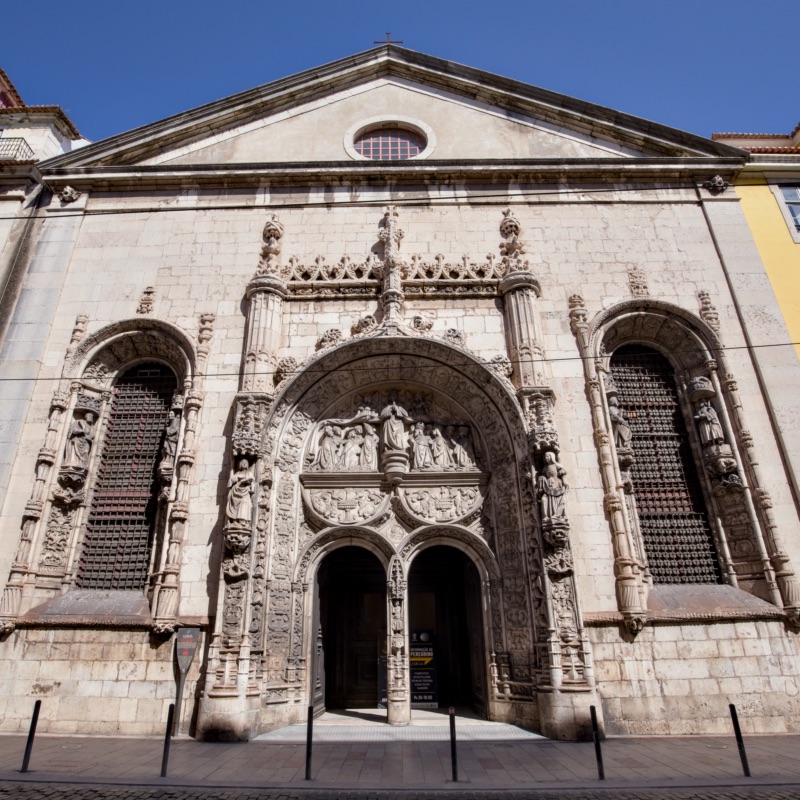
The Museu de Lisboa - Santo António’s building is modest but symbolically significant for the city. The museum is integrated into the Church of Saint Anthony, a medieval structure that underwent several transformations over the centuries, especially after the 1755 earthquake, which necessitated its reconstruction in a Baroque style. The church's facade is elegant, featuring carved stone details and decorative elements that reflect the simple devotion to Saint Anthony. Inside, the altar is a highlight, housing an image of the saint surrounded by ornamental details that embody the dedication to him. The museum space has been renovated to provide an interactive and welcoming experience, maintaining the simplicity that characterises the site. The museum rooms are small and intimate, showcasing a collection of sacred art, manuscripts, and votive objects dedicated to Saint Anthony. The architecture respects the historical and religious character of the site, creating a sense of intimacy that invites visitors to reflect on the saint’s life and his connection to Lisbon.
More context
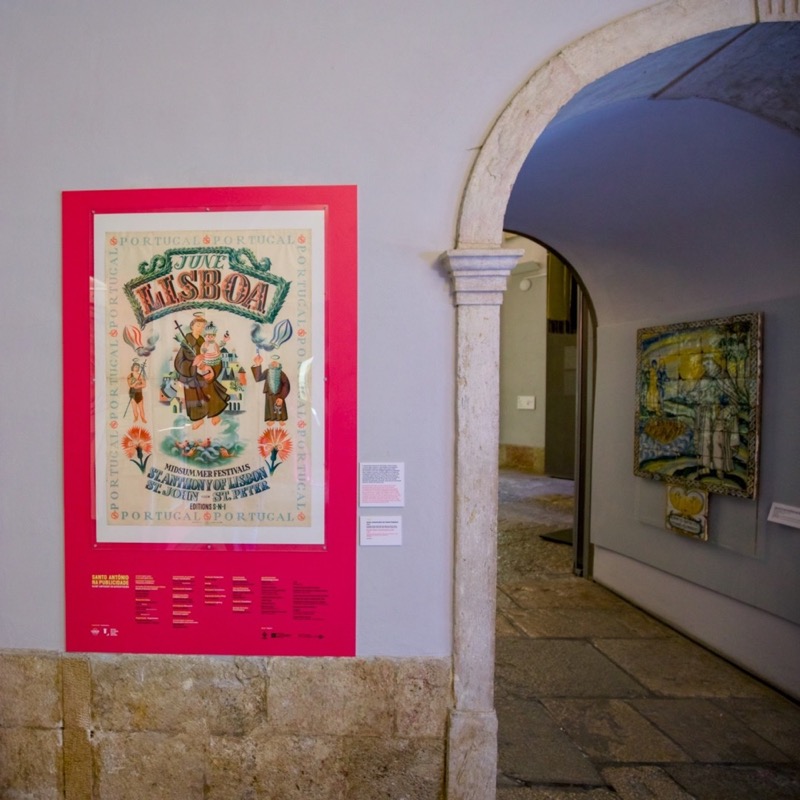
Visitors to the Museu de Lisboa - Santo António can explore several areas of interest. The first is the room dedicated to the life of Saint Anthony, displaying documents and images that recount his journey from his birth in Lisbon to his life in Padua, Italy. Noteworthy items include relics and personal objects that illustrate the saint’s simplicity and devotion. Another must-see section is the room portraying Lisbon’s traditions around Saint Anthony, especially the Lisbon Festivities held in his honour each June. In this space, visitors can learn about the popular "Night of Saint Anthony", featuring parades, traditional thrones, and wedding ceremonies, a custom deeply rooted in the city’s culture. Additionally, the museum offers a section dedicated to ex-votos and requests for blessings, where visitors can observe displays of popular devotion and see how Saint Anthony is invoked for protection and spiritual aid. The museum shop, located at the exit, sells religious items and souvenirs dedicated to the saint, such as small statues, medals, and books, allowing visitors to take a piece of the spiritual and cultural experience with them.
Gallery