Museu de Lisboa - Teatro Romano

Lisboa · Lisboa

Museu de Lisboa - Teatro Romano

Archaeological SiteXXICivil Architecture
Rua de São Mamede 3 A, 1100-532 Lisboa4.4 Rating · 1,08650 min

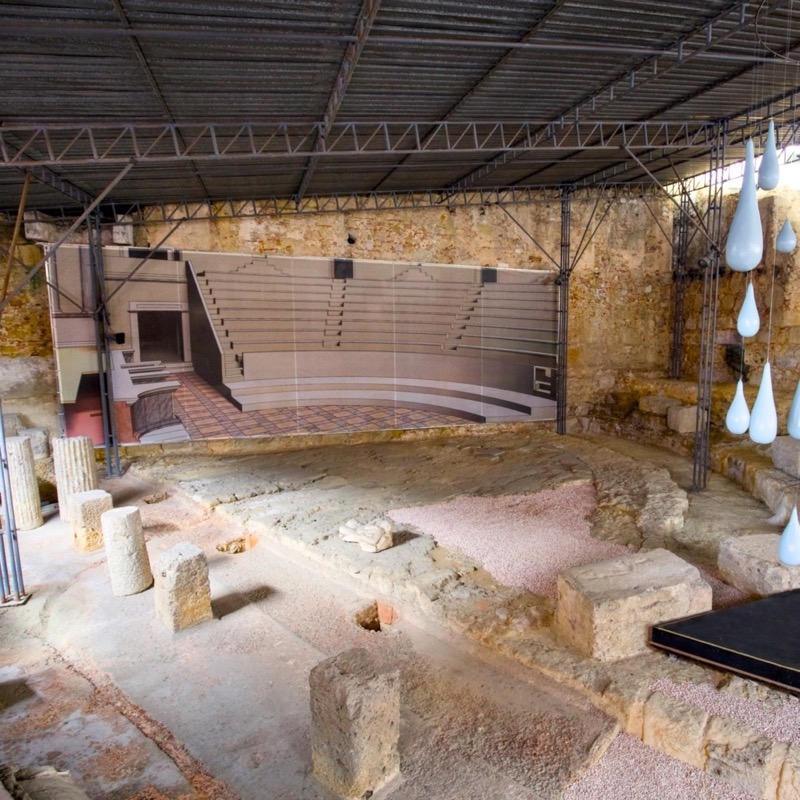
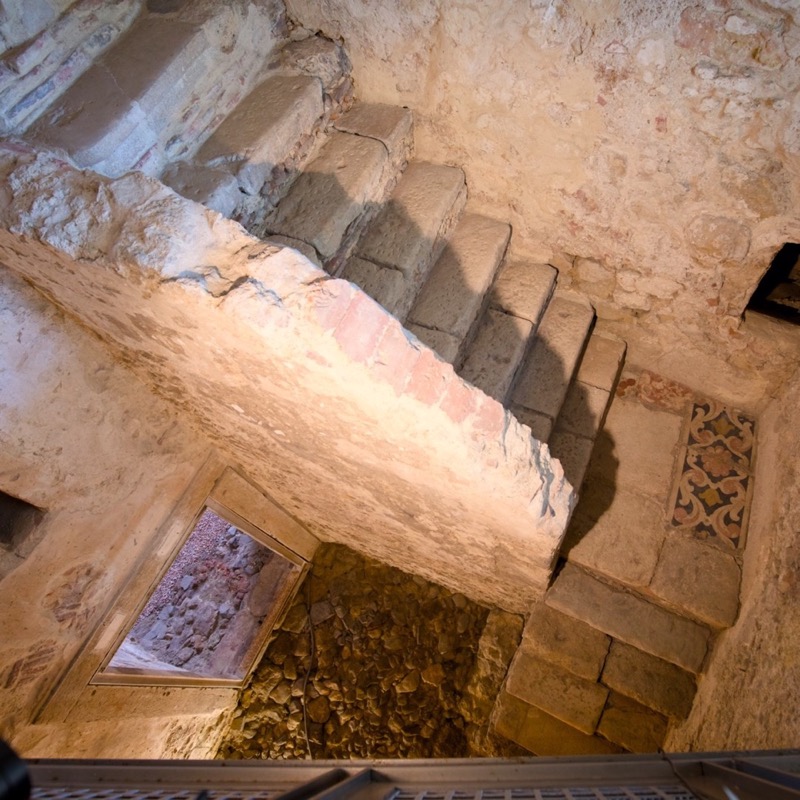
The Museu de Lisboa - Teatro Romano reveals, on the slope of São Jorge Castle, one of the great remains of ancient Felicitas Iulia Olisipo. The theatre was built in the time of Emperor Augustus and remodelled in AD 57, during Nero’s rule. It is estimated to have held around four thousand spectators, a sign of the public importance of performances in the Roman city. Abandoned in the 4th century, it remained buried until 1798, when the ruins emerged during the reconstruction of Lisbon after the 1755 Earthquake. Only in the second half of the 20th century did the monument begin to be studied again through systematic archaeological campaigns. The present route brings together an exhibition area, an archaeological field and the ruins of the theatre, where parts of the orchestra, seating, stage front and stage can still be recognised. Between excavated stone and the urban fabric, the museum reveals a Lisbon older than the city’s own medieval memory.

Why it matters

The Museu de Lisboa - Teatro Romano is a captivating site that unveils part of Lisbon’s Roman history, located in the heart of the city, near the Castle of São Jorge. This theatre dates back to the 1st century BC, a time when Lisbon, then known as Olisipo, was a thriving Roman city. Built during Emperor Augustus’s reign, the theatre was one of the city's main entertainment venues, with a capacity for around 5,000 spectators, and was dedicated to theatrical performances and religious celebrations. Over the centuries, the theatre went through various stages of abandonment and reconstruction. In the 4th century, after the Roman Empire's decline, the theatre was abandoned and partially destroyed due to cultural and religious shifts. Successive occupations and the expansion of Lisbon led to the ruins being forgotten until they were rediscovered in 1798 during reconstruction work. Efforts to recover the ruins, initiated in the 20th century, have allowed the Museu de Lisboa - Teatro Romano to display archaeological pieces and recount the history of this ancient monument and the Roman presence in Lisbon.

Architecture and history

The Roman Theatre of Lisbon is an impressive example of classical Roman architecture and engineering applied to entertainment venues. Built on a hillside, it uses the natural slope of the terrain to create a semi-circular seating area (the "cavea") that rises gradually, a common technique in Roman theatres to improve acoustics. The stage, or "proscenium," featured an ornate front with columns and statues, creating a monumental aesthetic. Today, the architectural remains include the "cavea" and parts of the backstage and stage areas. In the adjacent museum, various fragments of columns, decorative pieces, and other sculptures are on display, giving visitors a glimpse into the theatre's original grandeur. Although incomplete, the preserved structure reveals details about Roman construction methods and theatre layout of that era. The museum space has been designed to allow for contemplation of the ruins in their original location, with walkways and platforms enhancing the visitor experience and the integration of the museum with the archaeological site.

More context

At the Museu de Lisboa - Teatro Romano, visitors have the chance to explore the original ruins and visit the adjacent museum, where a rich collection of archaeological pieces recounts Lisbon's history during the Roman period. The ruins themselves are a must-see, especially the "cavea", where one can imagine the scene of performances and cultural life in Olisipo. The stage area is another highlight, allowing visitors to envision the space where ancient Roman actors performed. In the museum, visitors can view a range of artefacts, including mosaics, ceramics, and statues representing Roman deities. A highlight of the exhibition is the collection of decorative pieces that adorned the theatre, including fragments of columns and carved reliefs, which help to illustrate the original opulence of the structure. The museum also offers multimedia resources that virtually reconstruct the theatre, providing a detailed look at how it appeared in its prime. To complete the experience, a walk around the surrounding area is recommended, where other Roman remains, such as residential and water supply structures, can be found. The theatre's location on Lisbon's hills offers a panoramic view of the city and an understanding of the strategic and cultural importance Olisipo held within the Roman Empire.

Gallery

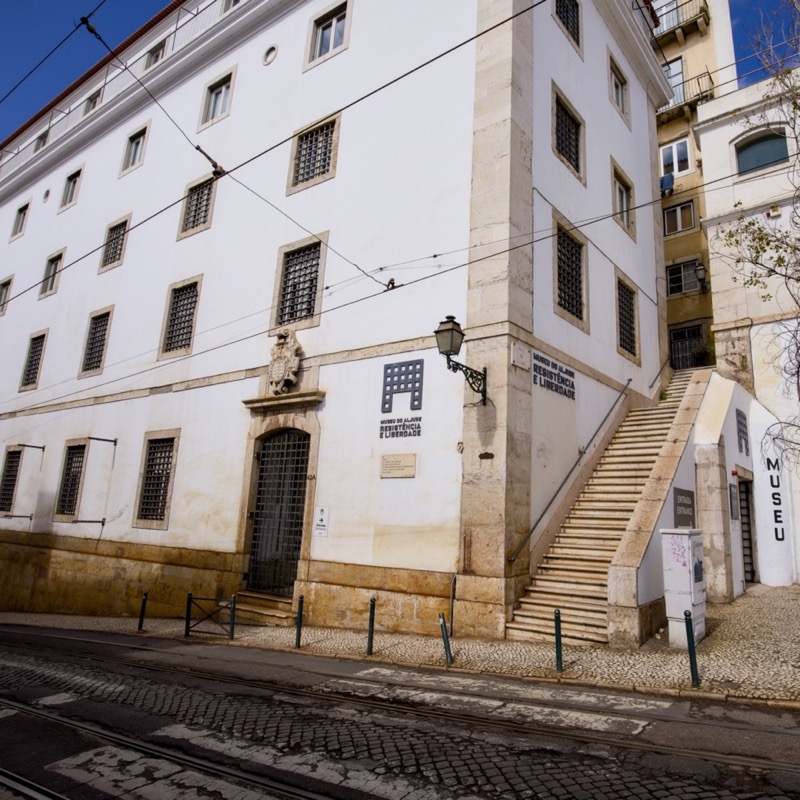
Museu de Lisboa - Teatro Romano 1
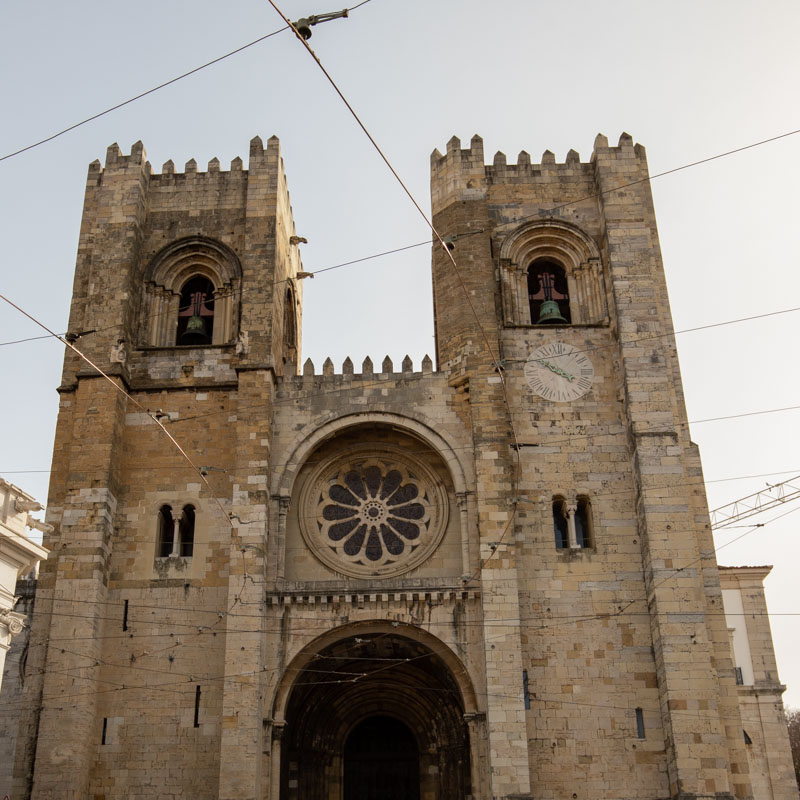
Museu de Lisboa - Teatro Romano 2
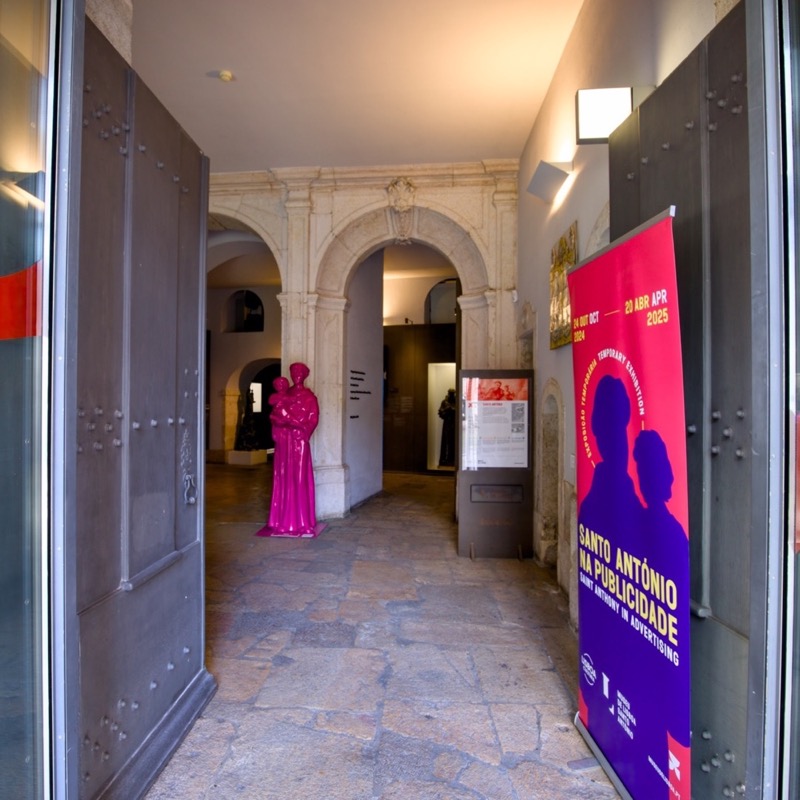
Museu de Lisboa - Teatro Romano 3
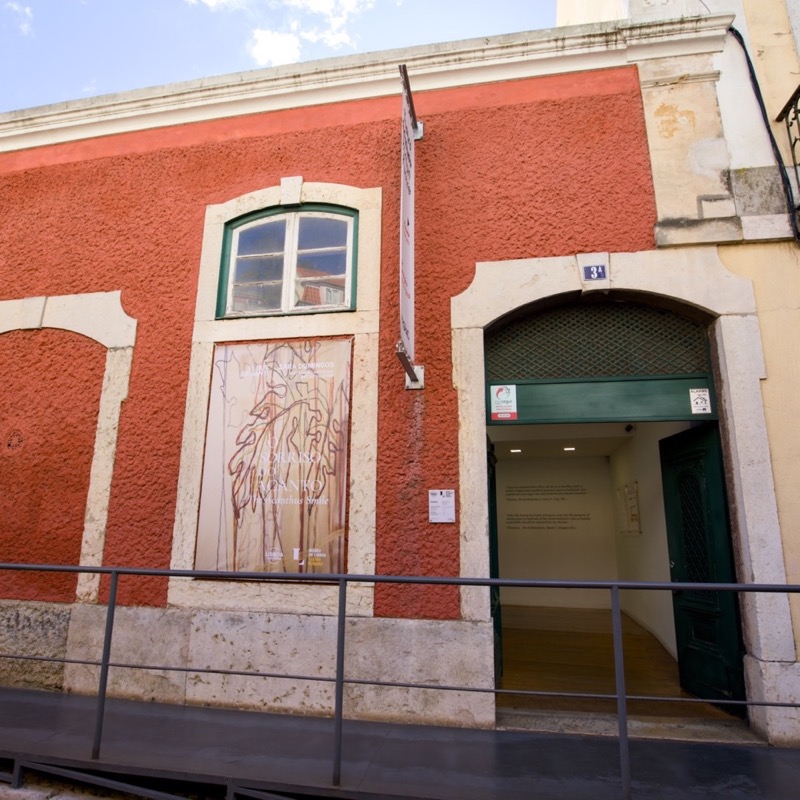
Museu de Lisboa - Teatro Romano 4
Museu de Lisboa - Teatro Romano 5

Nearby places

View all