Lisboa · Lisboa
Jardim do Palácio de São Bento
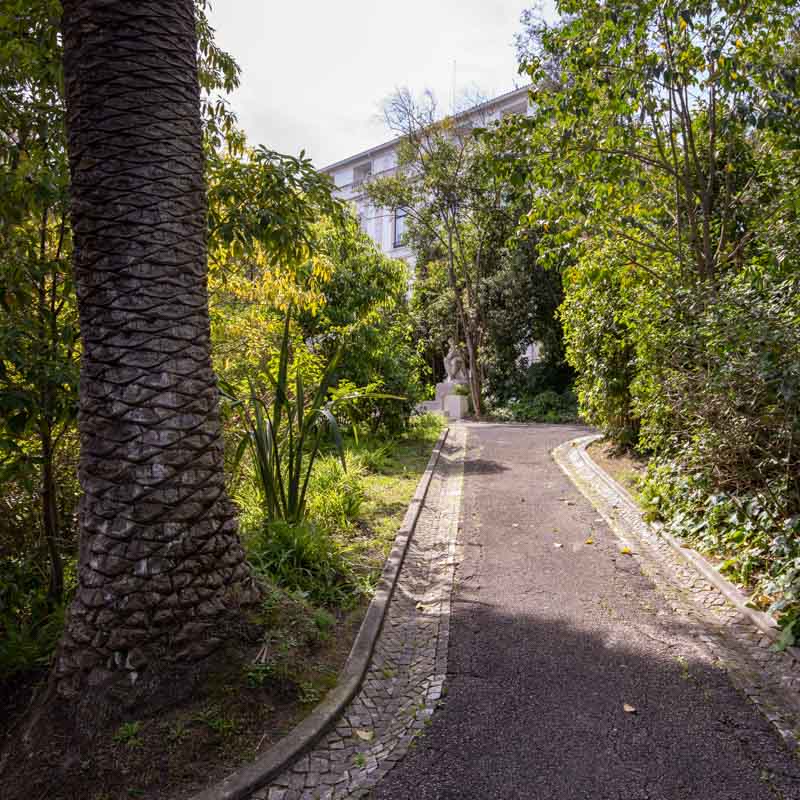
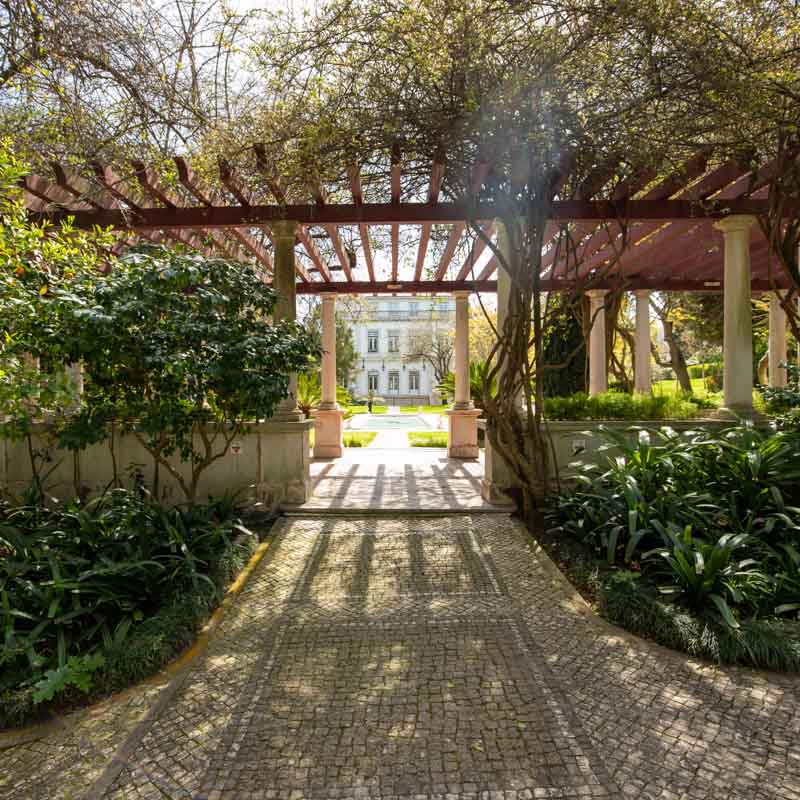
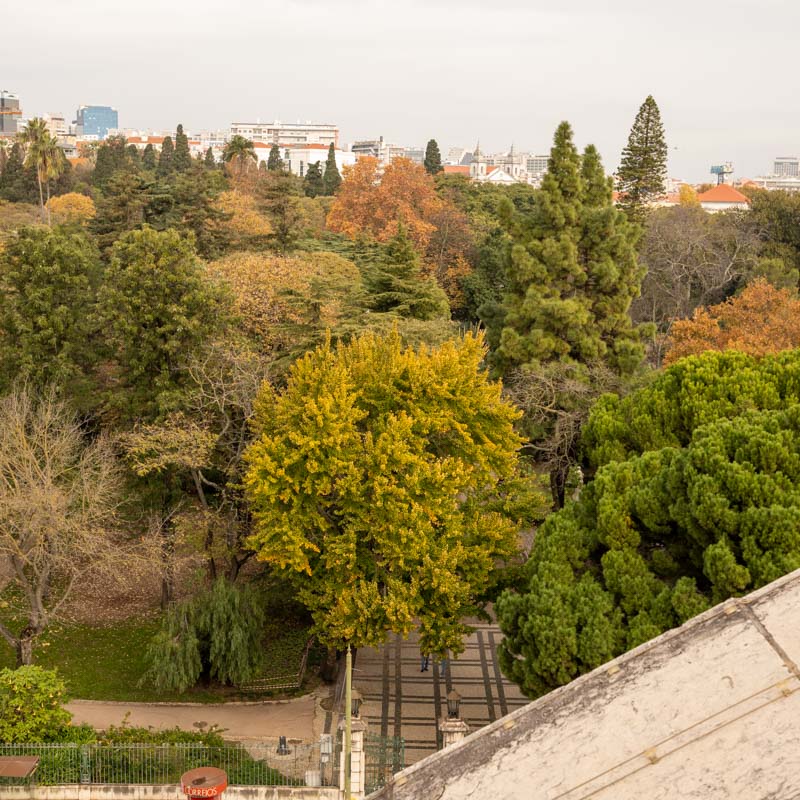
Behind the solemn façade of Parliament, the Garden of São Bento Palace reveals a more secluded and theatrical side of this place of power. Designed by Cristino da Silva, it is arranged with French-inspired symmetry, in flowerbeds and statues set across small terraces that overcome the steep slope of the ground. A long wall, opened by sixteen niches with fountains, separates it from the Prime Minister’s official residence; at the centre, a double staircase built in the 1940s rises to the upper garden, watched over by sphinxes bearing the Portuguese shields, sculpted by Leopoldo de Almeida. On either side, the allegories of Strength and Justice extend, outdoors, the symbolic language of the parliamentary building. More than a simple green space, this garden seems to turn the rhetoric of politics into stone, water and design, with a serene order that contrasts with the bustle of the city just beyond it.
Why it matters
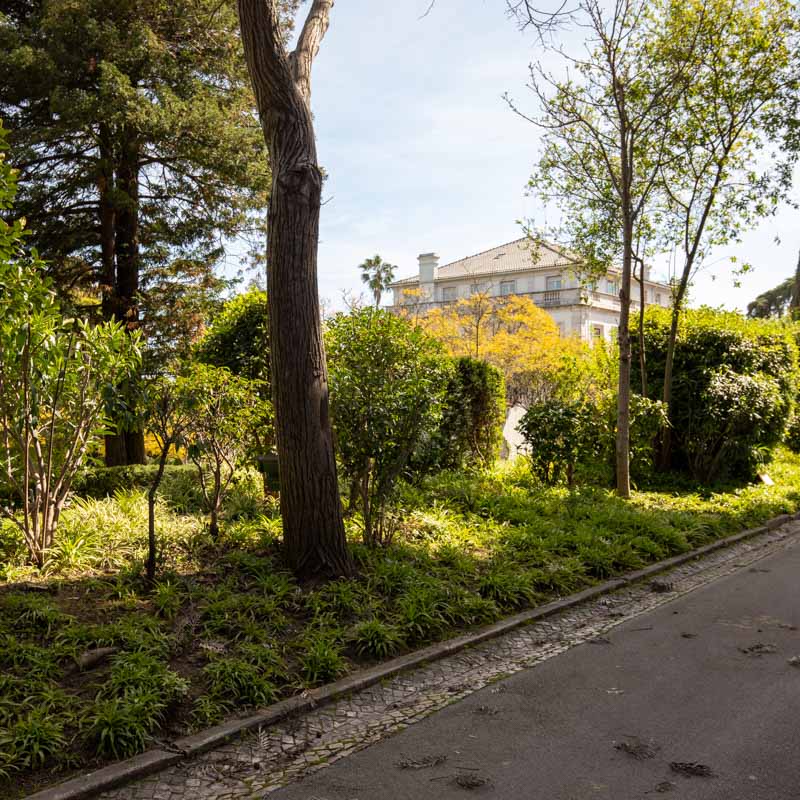
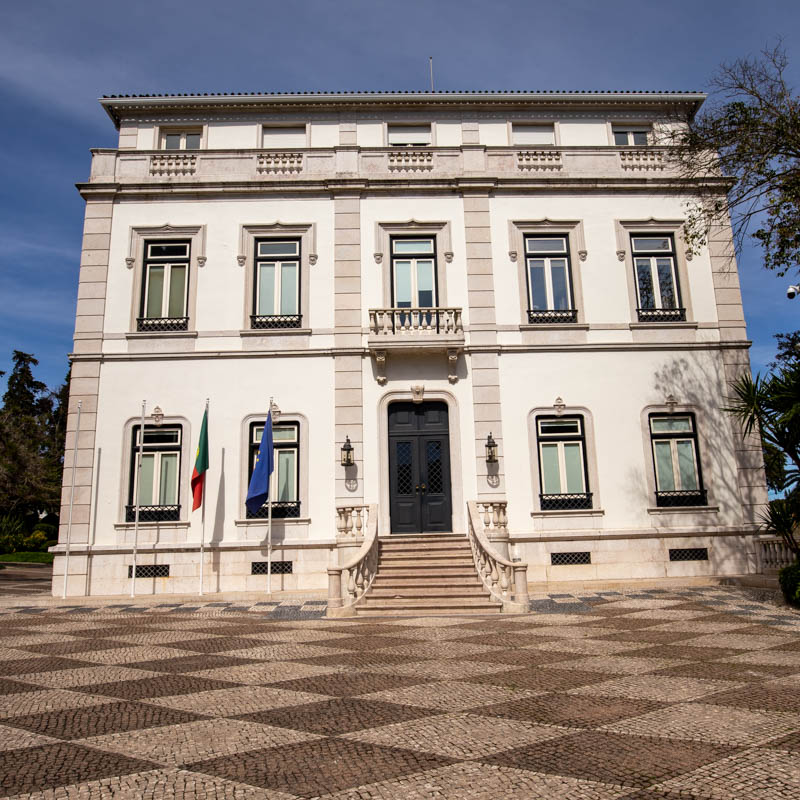
The Garden of the Palácio de São Bento lies behind the building that houses the Assembly of the Republic in Lisbon. Its history follows the transformation of São Bento: the complex began as the Monastery of São Bento da Saúde, whose construction started in 1598, and was adapted in the 19th century to receive the Cortes of the Kingdom. From 1834 onwards, the former religious space became part of Portuguese parliamentary life. The inner garden belongs to this long adaptation between convent, political palace and place of public representation. Its documented layout is mainly marked by the 20th century, when the rear area was designed by Cristino da Silva. The result is a formal garden, planned to organise the slope, frame the rear façade of the palace and create a visual link with the upper area beside the official residence of the prime minister.
Architecture and history
The slope behind the palace determines the garden’s form. Four short flights of steps create terraces and help overcome the incline, while the arrangement of the flowerbeds and statues follows a symmetry inspired by French garden design. A wall about 50 metres long, marked by 16 niches and fountains, separates the garden from the official residence of the prime minister. The double staircase, built in the 1940s, leads to the upper garden and organises the main axis of the space. At the top, two sphinxes by Leopoldo de Almeida display the Portuguese shields between their paws. On each side of the staircase stand the allegories of Strength and Justice, carved in lioz limestone. These figures extend the symbolic language of the palace, where the inscriptions LEX and JVS refer to law and right.
More context
The double staircase is the key to reading the garden. Notice how its side flights lead the eye towards the upper garden and how the sphinxes, half human and half feline, symbolically mark the passage. On the wall, the niches and fountains give rhythm to a long surface and help convey the scale of the space. In the side statues, Strength appears as an armed female figure, with helmet and sword; Justice is seated, holding a balance. These elements are not merely decorative: they turn into images values associated with law and the exercise of power. From the terraces, also look at the rear façade of the Palácio de São Bento. The relationship between architecture, sculpture and garden shows how a difficult slope was transformed into an ordered space, designed to be seen in sequence.
Gallery