Jardim Zoologico

Lisboa · Lisboa

Jardim Zoologico

ZooXIXLandscape Architecture
Praça Marechal Humberto Delgado, 1549-004 Lisboa4.5 Rating · 42,758180 min

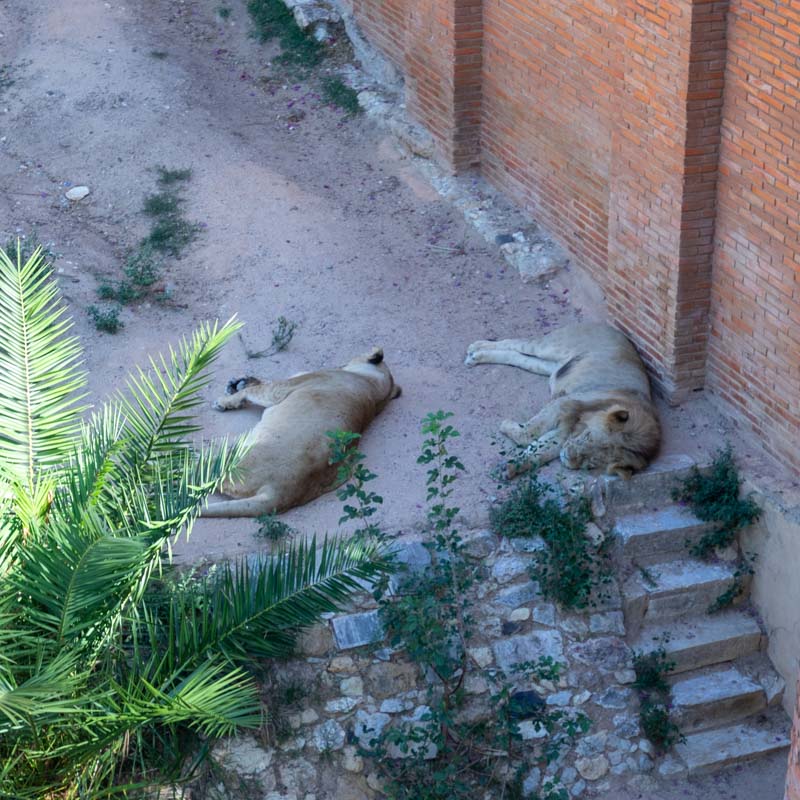
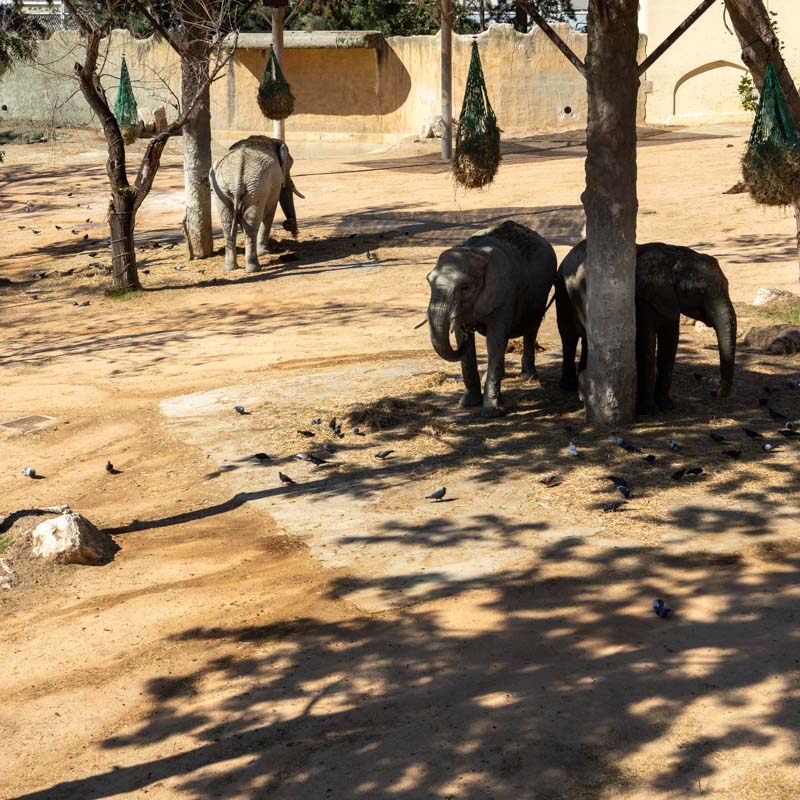
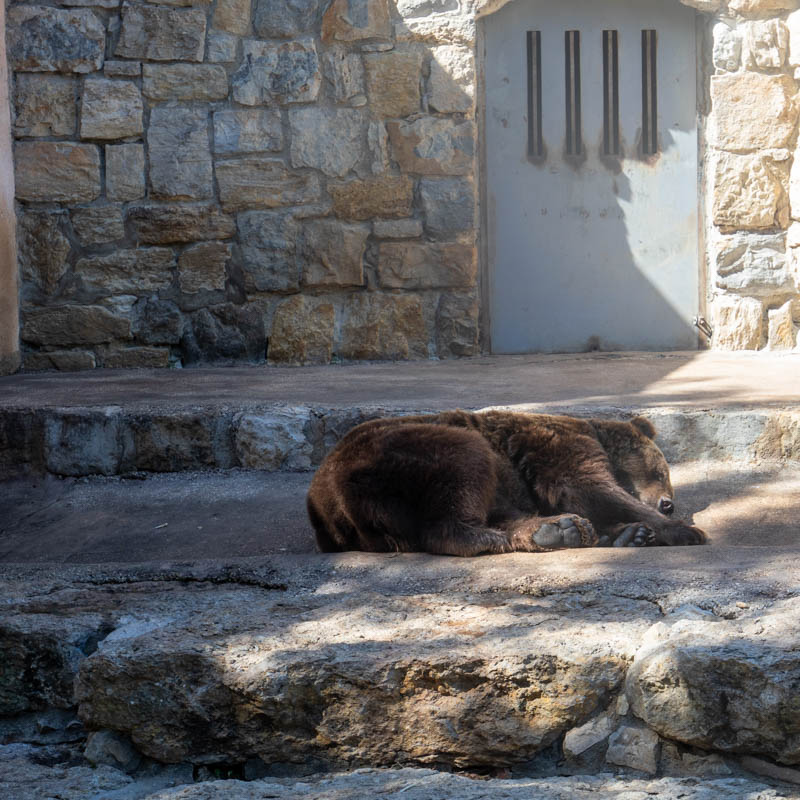
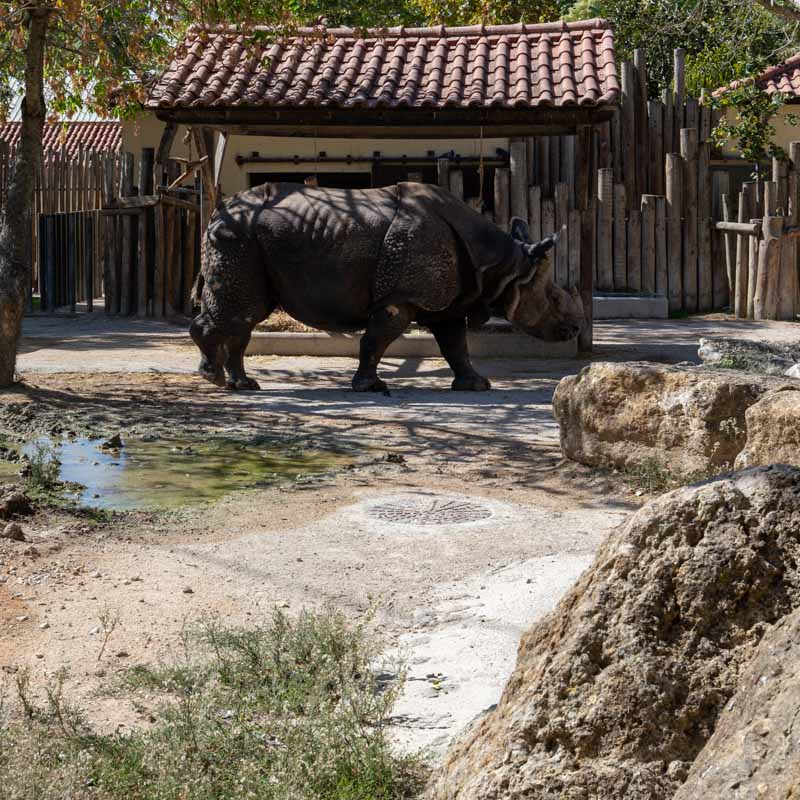
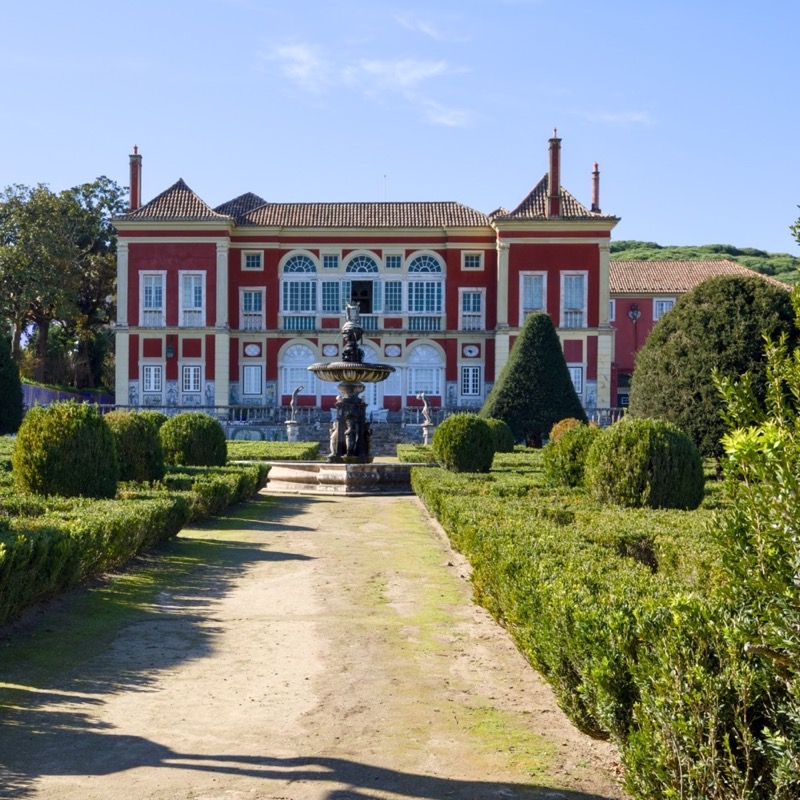
In Lisbon, the Jardim Zoológico is an institution with roots in the nineteenth century and a role that has changed over time. Opened in 1884, it was the first park with fauna and flora in the Iberian Peninsula. After occupying other locations, it settled permanently in 1905 at Quinta das Laranjeiras. Today it presents itself as a zoological and botanical park and as a centre for the conservation of vulnerable and threatened species. Its grounds are home to around 2,000 animals, belonging to approximately 300 species, including mammals, birds, reptiles and amphibians. A visit reveals more than a zoological collection: it shows a place where animal observation intersects with research, environmental education and care for habitats. Among trees, pathways and enclosures, the Jardim Zoológico preserves the memory of nineteenth-century Lisbon and follows contemporary concerns for biodiversity.

Why it matters

n Sete Rios, Lisbon Zoo is one of the city’s oldest institutions of leisure, science and environmental education. It opened on 28 May 1884 and was presented as the first park with fauna and flora in the Iberian Peninsula. Its history follows major changes in the way societies look at animals: from a zoological collection and acclimatisation space, it has come to define itself as a centre dedicated to biodiversity conservation, scientific research and environmental education. Today, the Zoo brings together around 2,000 animals of approximately 300 species, in the centre of Lisbon. Its stated mission goes beyond a recreational visit: to contribute to the conservation of vulnerable and endangered species, support conservation projects and bring different audiences closer to wildlife issues.

Architecture and history

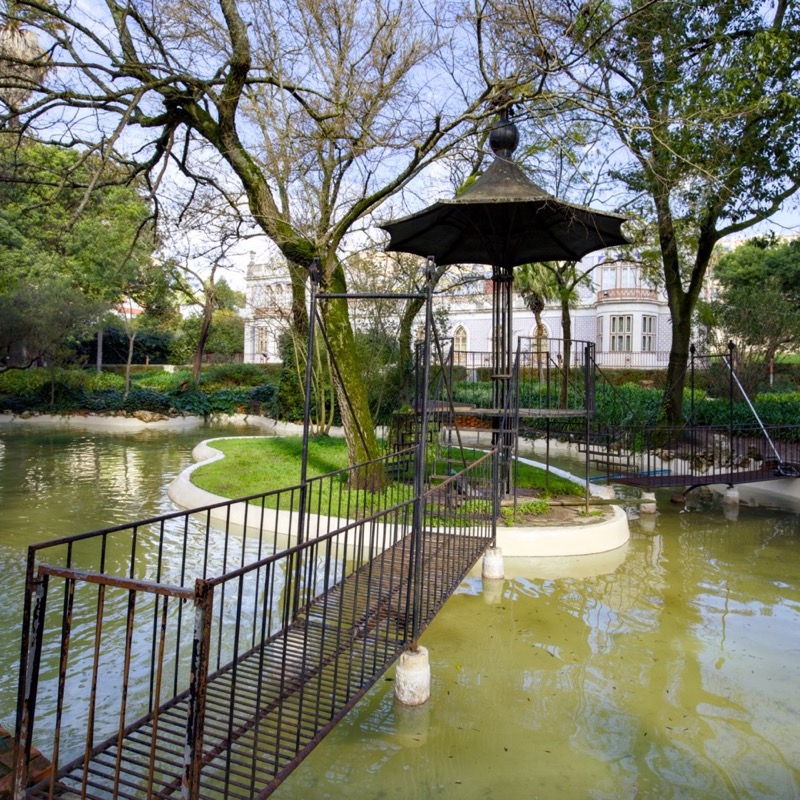
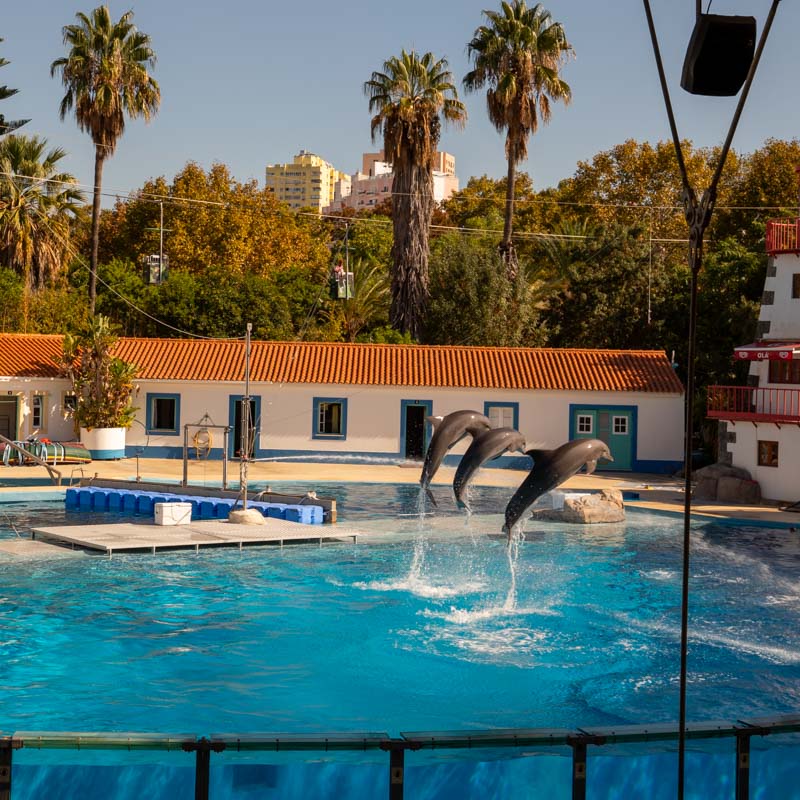
The park is organised as a sequence of habitats, gardens, routes and presentation spaces, rather than as a single building. This composition allows observation, rest and learning to alternate, with areas dedicated to mammals, birds, reptiles and amphibians. The official map highlights spaces such as Dolphin Bay, the Enchanted Forest, the Reptile House, the Cable Car, the Zoo Train, the Iberian Lynx Enclosure and the Temple of Primates. Plant life is an important part of the experience, because the Zoo also presents itself as a botanical park. The cable car introduces a different reading of the ensemble, allowing visitors to understand the scale of the site and its place within the city. This organisation by zones helps visitors see that the Zoo combines urban landscape, zoological collection, education and conservation.

More context

The Iberian Lynx Enclosure deserves attention because it connects the visit to an emblematic species of Iberian conservation. In the Reptile House, observing reptiles and amphibians helps visitors understand animals that are often less visible in tourist narratives, but essential to biodiversity. The Enchanted Forest and the bird presentation draw attention to flight, behaviour and species diversity. At Dolphin Bay, the reading should go beyond the show and look for the messages about marine biology and ocean protection. The educational programmes show how the park works with schools and audiences of different ages, turning the visit into an informal introduction to ecology. Conservation and research initiatives, including EAZA recognition in 2005, recall that the contemporary role of a zoo is also measured by what it does beyond its own limits.

Gallery

Jardim Zoologico 1
Jardim Zoologico 2
Jardim Zoologico 3
Jardim Zoologico 4
Jardim Zoologico 5

Nearby places

View all