Museu de História Natural e da Ciência da Universidade do Porto

Porto · Porto

Museu de História Natural e da Ciência da Universidade do Porto

MuseumXIXCivil Architecture
Campo dos Mártires da Pátria 81, 4050-368 Porto4.3 Rating · 61960 min

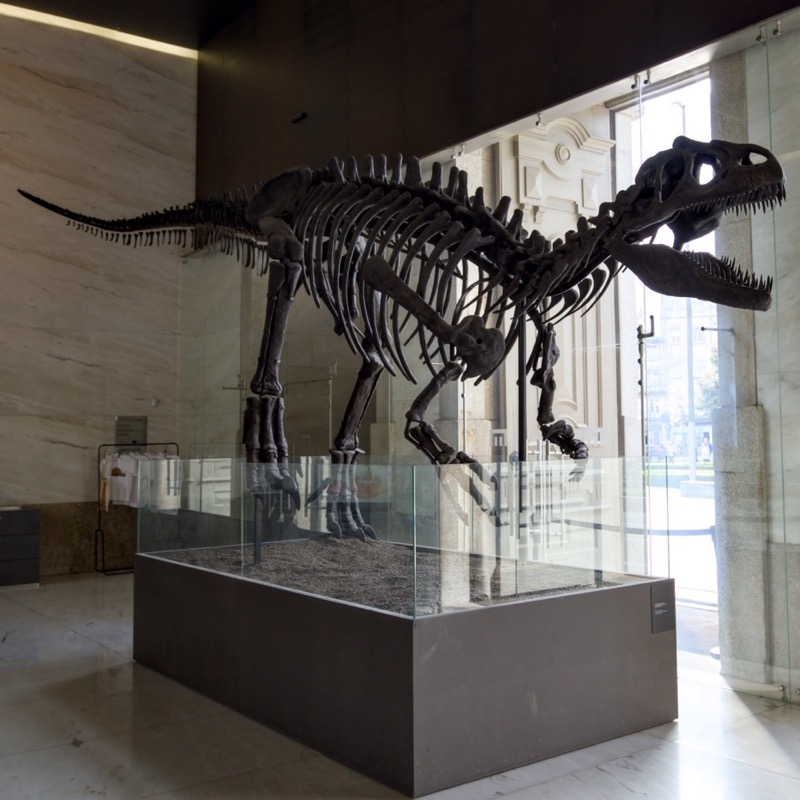
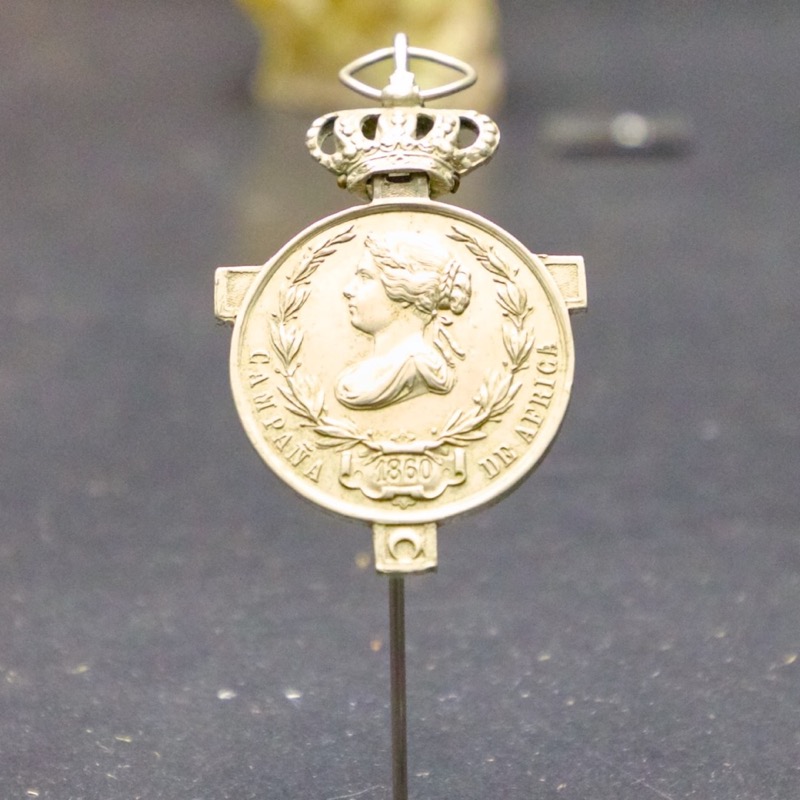
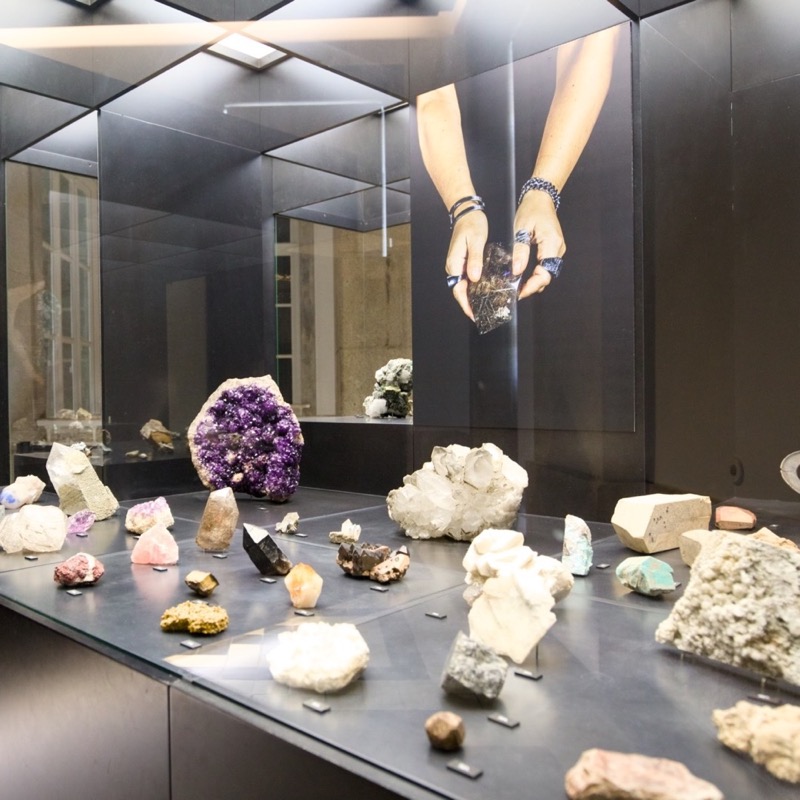
The Natural History and Science Museum of the University of Porto, brings together the University’s scientific memory and brings it closer to the public through a multipolar structure. Formally created at the end of 2015, it resulted from the merger of the Natural History Museum of the University of Porto with the Science Museum of the University of Porto / Faculty of Sciences Centre. Its Central Hub occupies the Historic Building of the Rectorate, next to the Jardim da Cordoaria, and houses collections of geology, palaeontology, zoology, archaeology and ethnography, scientific instruments, documentary and audiovisual archives, and the Herbarium of the University of Porto. The museum also includes the Biodiversity Gallery – Ciência Viva Centre and the Botanical Garden of Porto. Its collections comprise around 850,000 specimens, distributed across 17 collections, with material dating from the mid-19th century to the present day.

Why it matters

The Natural History and Science Museum of the University of Porto (MHNC-UP) is the University’s science museum, created at the end of 2015 through the merger of the former Natural History Museum and the Science Museum / Faculty of Sciences nucleus. Its roots, however, go back to the 19th century and to the collections assembled by the Polytechnic Academy and later by the Faculty of Sciences, based on the work of professors and researchers in zoology, geology, botany, archaeology, ethnography and chemistry. Over more than two centuries this scientific heritage was gathered, organised and used in teaching and research, forming the basis of today’s university museum. The new institution presents itself as both a museum and a Ciência Viva (Science Alive) Centre, with the mission of promoting the creation and dissemination of knowledge about the evolution and diversity of life and about the relationships between the natural and cultural worlds. It is organised according to a bipolar structure: a Core Pole housed in the Historic Rectory Building, next to the Cordoaria Garden, and a second pole comprising the Biodiversity Gallery – Ciência Viva Centre and the Porto Botanical Garden. The Biodiversity Gallery, inaugurated in 2017 in Casa Andresen, was the first Ciência Viva centre devoted exclusively to biodiversity and has received distinctions such as the National Museology Award from APOM. In 2021 the historic Ferreira da Silva Chemical Laboratory was reopened, an icon of experimental chemistry teaching in the 1930s–40s and now one of the central elements of the museum’s identity.

Architecture and history

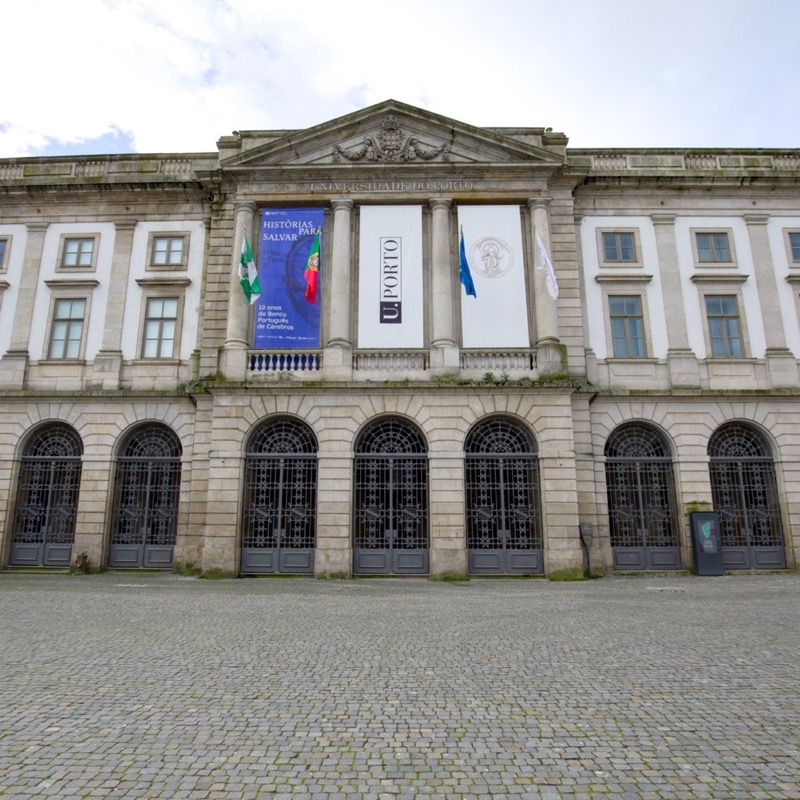
The MHNC-UP’s Core Pole occupies the Historic Rectory Building of the University of Porto, a large rectangular neoclassical structure designed from 1803 onwards to house the Royal Academy of Navy and Trade. The main facade, facing Gomes Teixeira Square and the Cordoaria Garden, is marked by a central body with a regular rhythm of windows and classical detailing, in dialogue with other 19th-century buildings in the area. Inside, the museum is distributed through former classrooms, laboratories and offices adapted into exhibition galleries that preserve original features such as wooden floors, tall openings and the monumental scale of the spaces. The inner courtyard, now the setting for initiatives such as "Nights in the Museum Courtyard", reinforces the perception of the Rectory as a coherent architectural ensemble articulated around a secular cloister. Among the most distinctive nuclei is the Ferreira da Silva Laboratory, reconstructed to match its appearance in the 1930s–40s: wooden benches, fume cupboards, reagent storage systems, display cases with glassware and period scientific instruments. This environment preserves the model of a chemistry laboratory designed for student-centred practical teaching and also evokes the institution’s pioneering role in fields such as forensic toxicology and the control of food fraud. In the museum’s other pole, architecture takes a different form. The Biodiversity Gallery occupies Casa Andresen, a 19th-century mansion within the Porto Botanical Garden. The romantic-style house is organised around a large atrium and a succession of interconnected rooms on several floors. The museography created for the Gallery makes use of this domestic structure: 49 exhibition modules and artistic installations occupy rooms and corridors, where scientific objects, literary texts, multimedia resources and immersive scenography intersect. The relationship with the surrounding garden, visible through windows and skylights, reinforces the constant dialogue between historic architecture, scientific collections and living nature.

More context

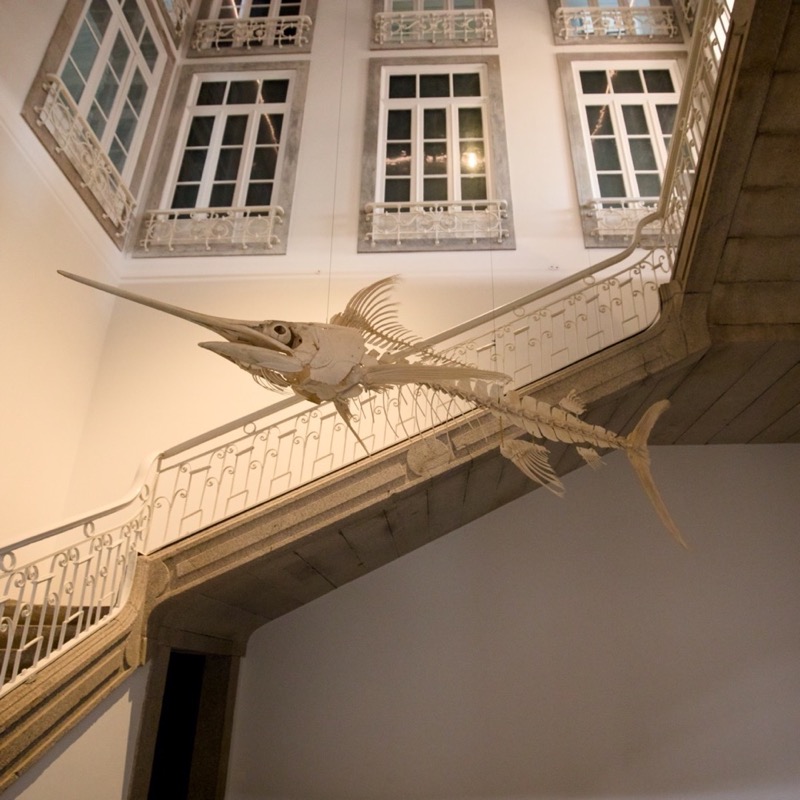
A visit to the MHNC-UP may start at the Core Pole, in the Historic Rectory Building next to the Cordoaria Garden. Here are housed the major collections of geology, palaeontology, zoology, botany, archaeology, ethnography and scientific instruments, which have been gradually reorganised and reopened to the public through long-term and temporary exhibitions. The inner courtyard and exhibition spaces regularly host series such as "Nights in the Museum Courtyard" and displays that showcase emblematic pieces from the collections, many of which are also accessible digitally through partnerships with international platforms. In the same building, the Ferreira da Silva Chemical Laboratory is one of the highlights of the visit. The reconstruction of the historic laboratory makes it possible to understand how chemistry was taught and researched in the early 20th century, particularly in toxicology, food analysis and public health control. Measuring instruments, laboratory equipment, labelled bottles and scientific publications offer an immersion in the daily life of science and in the technological changes that marked the last century. The museum’s second pole is located in Casa Andresen and the Porto Botanical Garden. The Biodiversity Gallery – Ciência Viva Centre offers a journey through biological and cultural diversity via 49 exhibition modules conceived under the idea of "total museology": each piece combines scientific object, design, art and narrative. Installations exploring evolution, adaptation and relationships between humans and other living beings dialogue with a large whale skeleton and collections of birds, insects and plants. Outside, the Botanical Garden extends the visit with walks among arboreta, glasshouses and living plant collections, consolidating the museum as an integrated system linking natural collections, landscape and city.

Gallery

Museu de História Natural e da Ciência da Universidade do Porto 1
Museu de História Natural e da Ciência da Universidade do Porto 2
Museu de História Natural e da Ciência da Universidade do Porto 3
Museu de História Natural e da Ciência da Universidade do Porto 4
Museu de História Natural e da Ciência da Universidade do Porto 5

Nearby places

View all