Lisboa · Lisboa
Oceanário de Lisboa
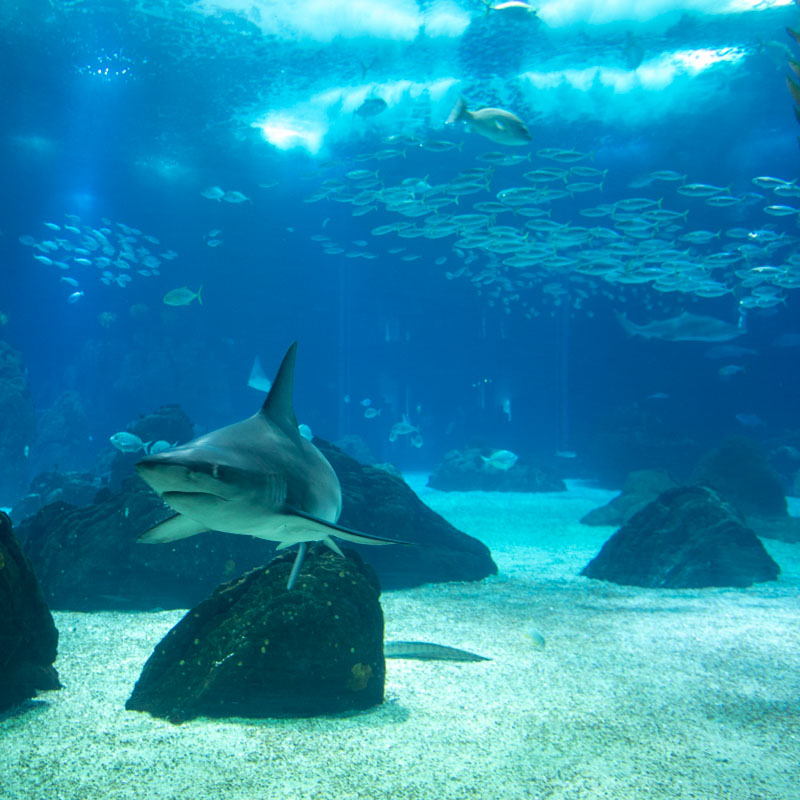
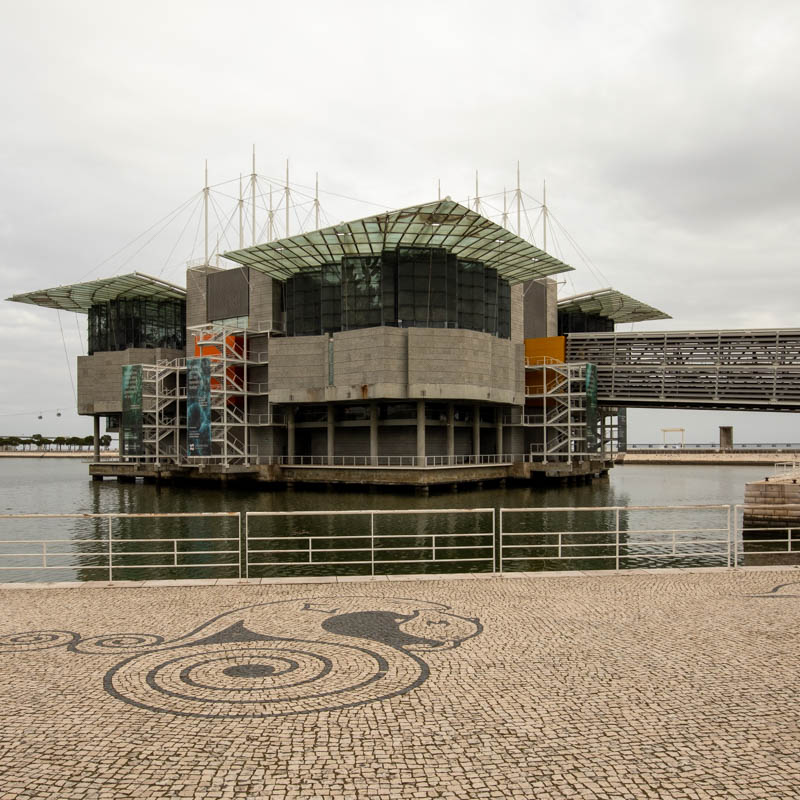
Over the Doca dos Olivais, the Lisbon Oceanarium looks like a motionless ship ready to depart, and that may be the best image for a place that lets you travel without leaving the city. Opened in 1998 as part of Expo ’98, it kept alive the idea of the oceans as a heritage for the future and became one of Lisbon’s most memorable experiences. The visit is shaped around a simple and powerful concept: one single ocean. At the centre, a vast aquarium with around five million litres of salt water brings together, through an illusion of perspective, four distinct marine habitats, allowing landscapes and species from different parts of the planet to coexist. It is worth pausing before the great windows and letting time slow down: between the half-light, the silent movement of the animals and the scale of the space, the Oceanarium becomes at once a spectacle, a place of knowledge and an invitation to care for the sea.
Why it matters
The Lisbon Oceanarium was created in the context of Expo 98, the world exposition held in eastern Lisbon under the theme “The Oceans, a Heritage for the Future”. The former Oceans Pavilion later became a permanent public aquarium in Parque das Nações, preserving the link between the urban renewal of that area and education about the sea. The building was installed on an artificial island in Doca dos Olivais, an area that had previously housed the Cabo Ruivo maritime airport and, later, industrial uses. Its declared mission is to promote knowledge of the ocean and raise awareness of the conservation of natural heritage. In 2011, the opening of the Sea Building completed the expansion of the complex and strengthened the space dedicated to temporary exhibitions. In this way, the Oceanarium tells a recent story of Lisbon: the transformation of an industrial riverfront into a place of culture, science and environmental awareness.
Architecture and history
The main volume stands out because it rests on an artificial island and is connected to land by a pedestrian bridge, making the arrival a brief approach over water. The architectural project was designed by a team from Cambridge Seven Associates, led by Peter Chermayeff. The heritage record describes the original building as two bodies: the Oceanarium, a cubic form, and an administrative area on land. Later, the Sea Building, by Pedro Campos Costa, added new functions without erasing the reading of the initial pavilion. Inside, the exhibition layout follows the architecture itself: the route develops on two levels, one terrestrial and one underwater, and converges on the large central aquarium. The glass façades were treated to filter sunlight at different intensities, allowing distinct environments to be created inside the building.
More context
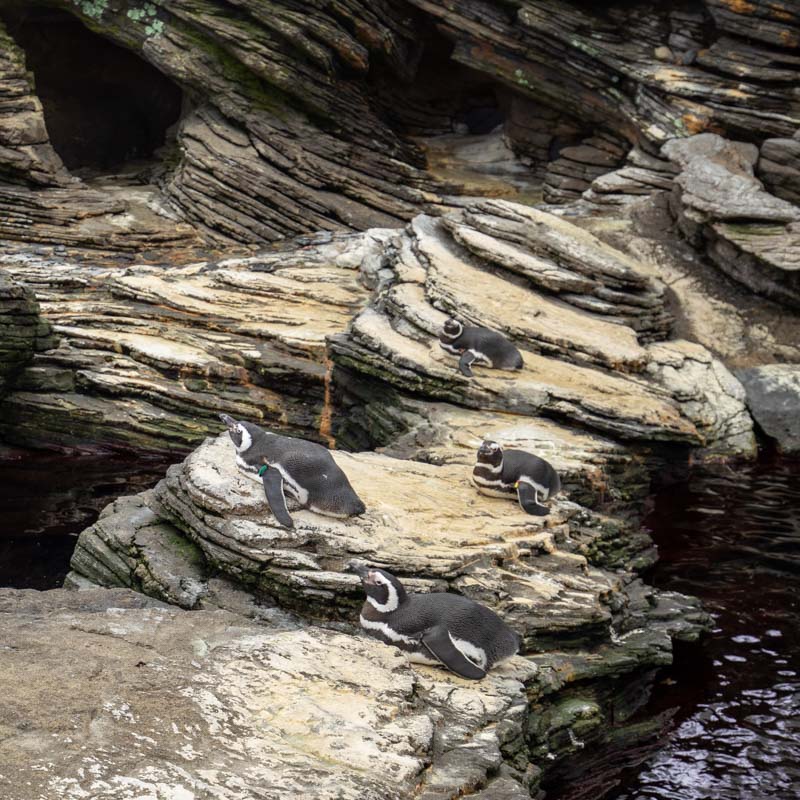
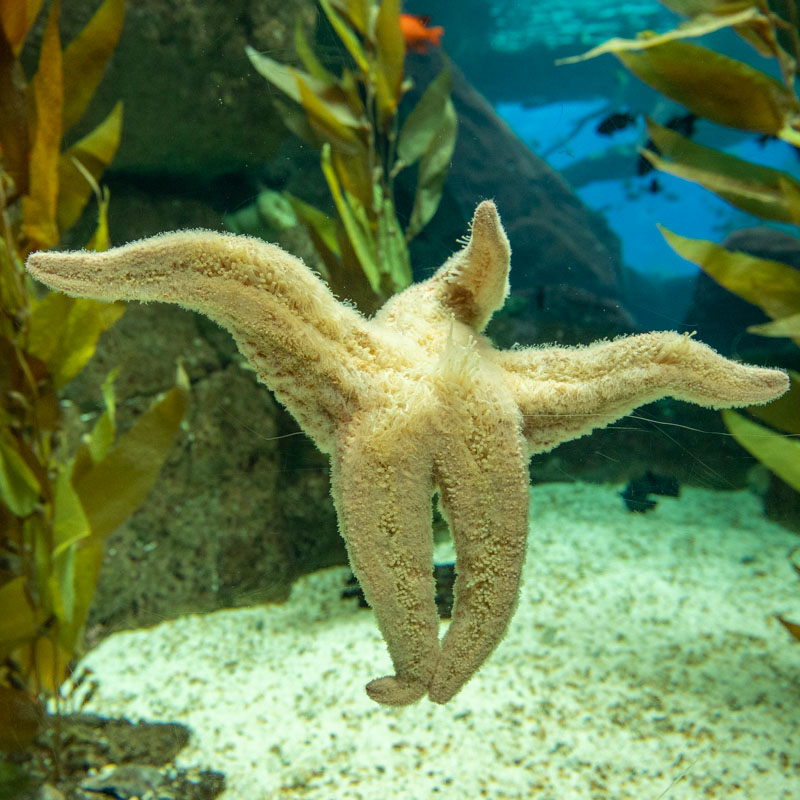
The central aquarium is the key to understanding the Oceanarium’s message. With around five million litres of salt water, it appears throughout the route through large windows and gives form to the idea of a single global ocean. Around it, four marine habitats bring together landscapes and species from different regions: the North Atlantic, the Tropical Indian Ocean, the coasts of the Antarctic Ocean and a giant kelp forest from the temperate zones of the Pacific. Acrylic windows technically separate these spaces from the central tank, but the scenography makes everything seem to belong to the same body of water. Also notice the alternation between terrestrial and underwater observation, which changes the relationship with animals such as sharks, rays, ocean sunfish, sea otters and puffins. In the atrium, the panel of 55,000 tiles connects the scientific experience with a very Lisbon visual language.
Gallery