Museu Nacional do Azulejo

Lisboa · Lisboa

Museu Nacional do Azulejo

MuseumXVIPalace Architecture
Rua Madre de Deus 4, 1900-312 Lisboa4.6 Rating · 17,21460 min

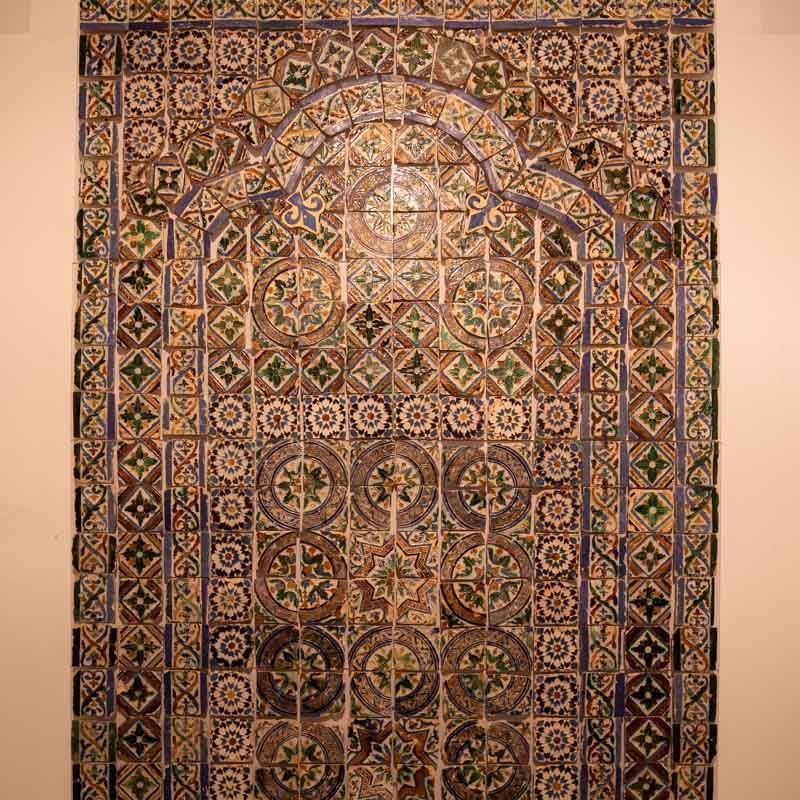
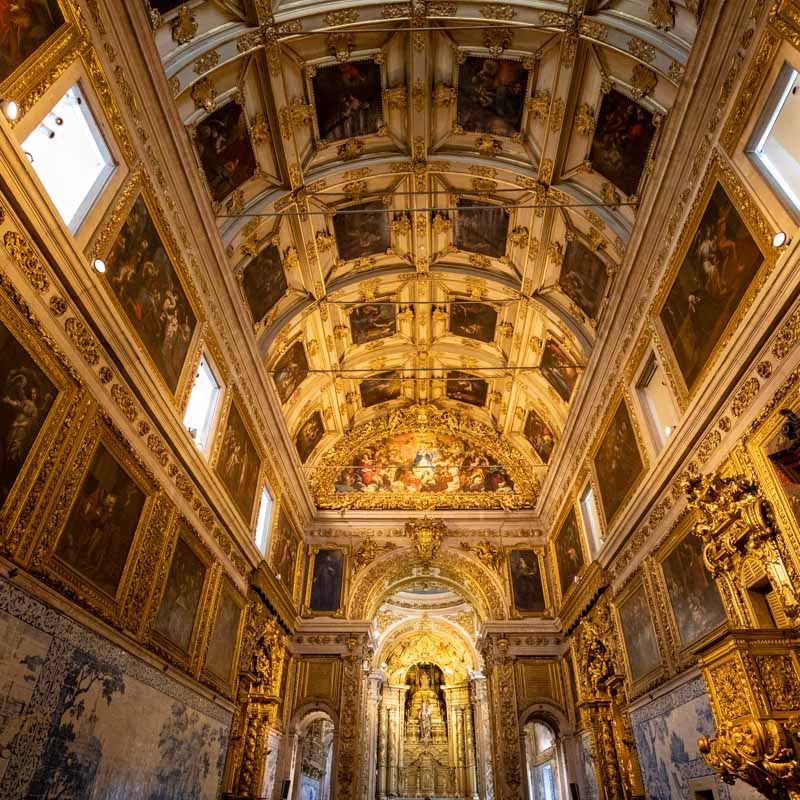
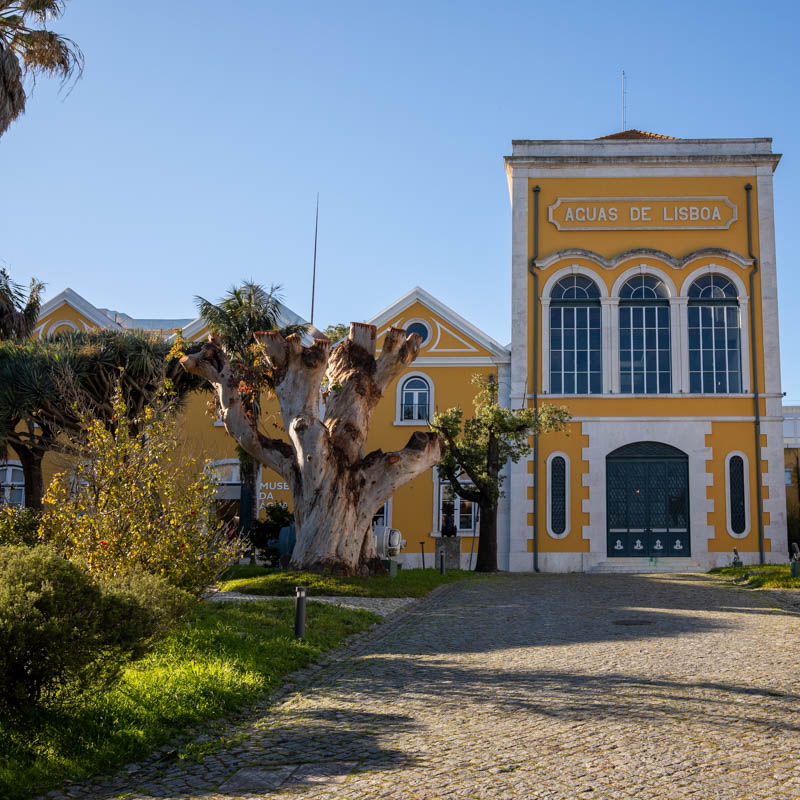
In the former Madre de Deus Convent, founded by Queen Leonor in 1509, the National Tile Museum shows how an apparently simple material became one of the most distinctive expressions of Portuguese culture. The route follows the history of the azulejo from the second half of the fifteenth century to the present day, helping visitors understand how this art decorated churches, palaces, houses and public spaces, while also preserving memory. Among the most striking spaces is the Church of Madre de Deus, where gilded woodcarving, painting and tiles create an interior of remarkable richness. There is also one work that holds the eye for a long time: the Grande Panorama de Lisboa, attributed to Gabriel del Barco, a monumental panel that shows the city before the 1755 earthquake. More than a museum visit, coming here feels like reading Lisbon and Portugal surface by surface, century by century.

Why it matters

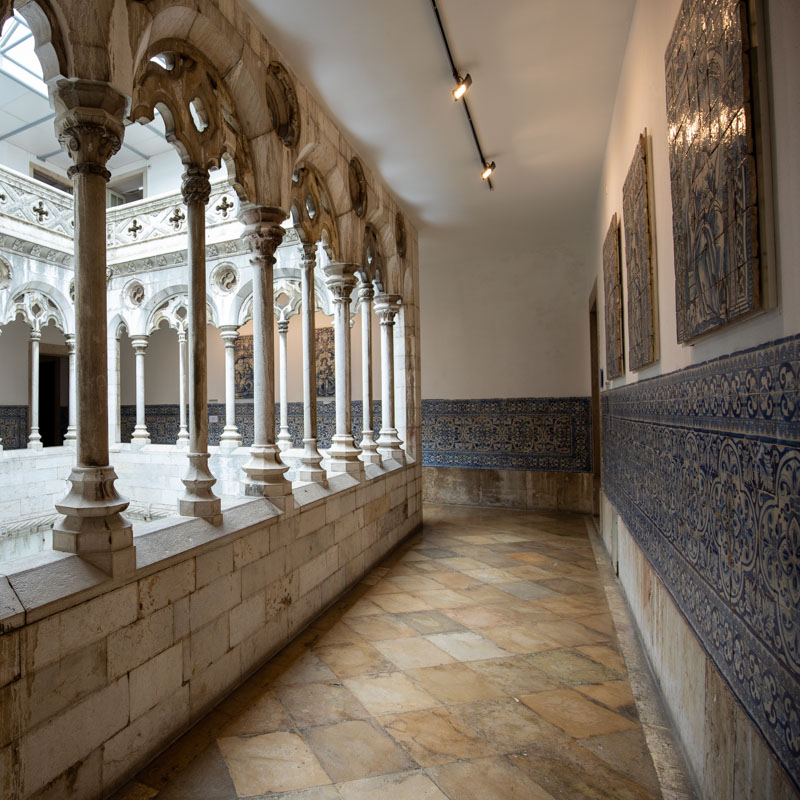
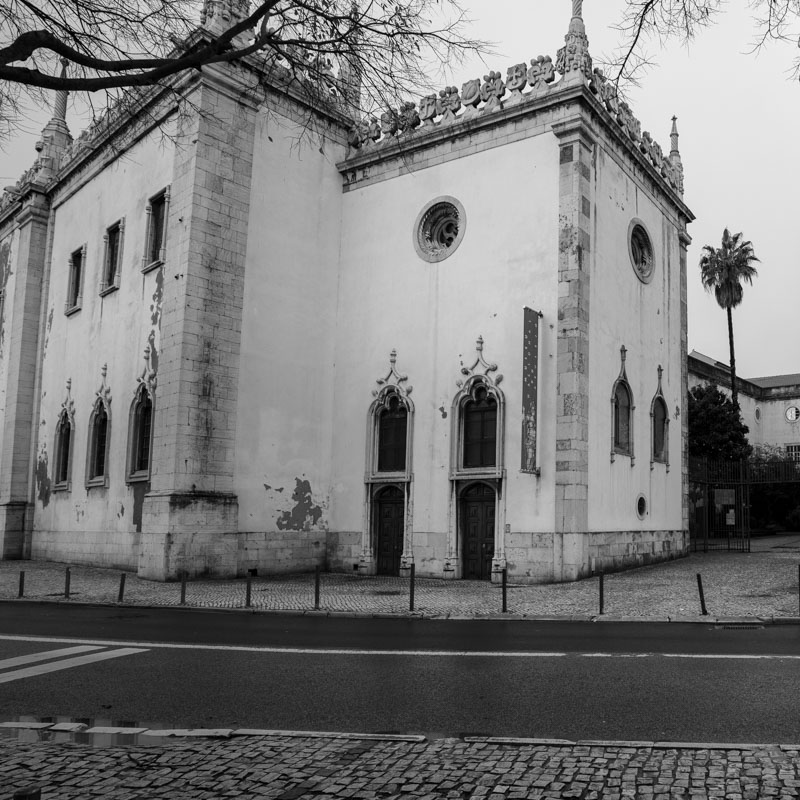
Founded in 1965 and raised to the status of National Tile Museum in 1980, the museum occupies part of the former Convent of Madre de Deus in Xabregas. The convent was founded in 1509 on the initiative of Queen Leonor, and the original church was completed before 1522. Over the centuries, the complex was enlarged and redecorated. Around 1550, King João III entrusted the reform of the convent to Diogo de Torralva, and the Mannerist cloister survives from that campaign. Between the late seventeenth century and the first half of the eighteenth century, the church received much of the Baroque decoration that can still be seen today. After the 1755 earthquake, parts of the temple were rebuilt. With the extinction of the religious orders, the movable heritage was dispersed, the church was closed to worship in 1868, and the former convent took on other uses. The first works for museum adaptation moved forward in 1957 and 1958, and the museum came to establish itself as the leading institution devoted to the history of the tile in Portugal.

Architecture and history

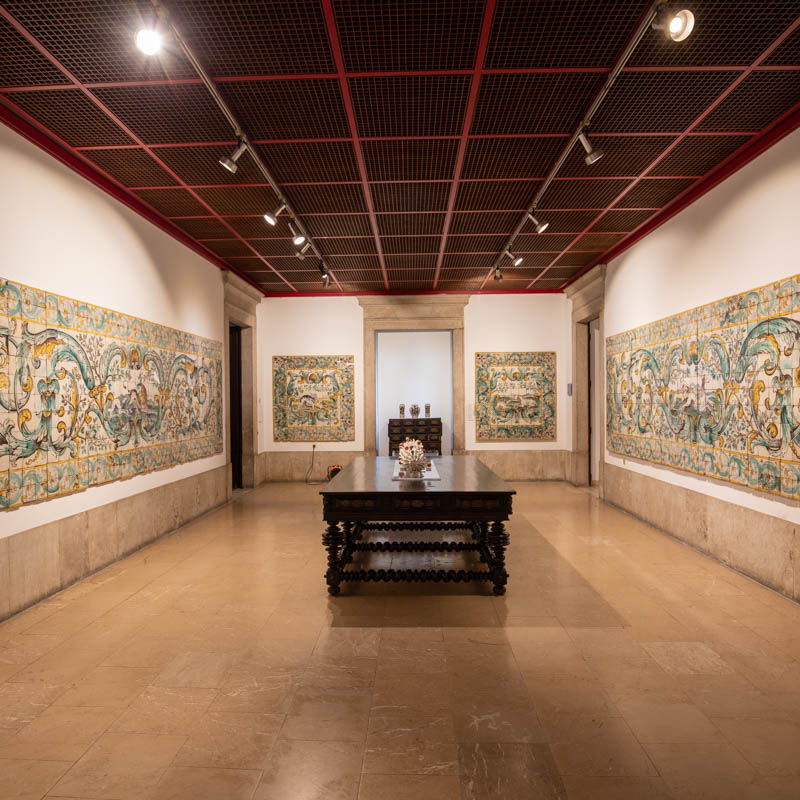
The distinctiveness of the National Tile Museum lies in the union between collection and historic building. The permanent route presents Portuguese tile production from the second half of the fifteenth century to the present day, beginning with a section that explains materials and manufacturing techniques and then following a chronological order. Yet the architecture itself is an essential part of the visit. From the former convent remain the sixteenth-century Mannerist cloister, the church, the sacristy, the high choir and the Chapel of Saint Anthony. In the church, the Manueline structure was transformed over time and now coexists with a very rich Baroque programme. Particularly notable are the painted coffered ceiling with scenes from the Life of the Virgin, executed between 1670 and 1690, the Dutch tile panels installed in 1686, the Joanine gilded woodcarving and the Rococo pulpit. The sacristy preserves a chest of drawers made of Brazilian wood with carved surrounds, while the Chapel of Saint Anthony gathers eighteenth-century decoration and paintings by André Gonçalves. The museum is therefore at once a collection, a convent building and a material summary of the history of the tile.

More context

The Great Panorama of Lisbon is one of the key works in the route. Attributed to Gabriel del Barco and dated to around 1700, it shows the city before the 1755 earthquake and makes it possible to recognise riverfronts, churches and hills that have disappeared or changed. Among the most important works are also the Altarpiece of Our Lady of Life, from 1580, a major landmark in Portuguese tile history, the Leopard Hunt panels, the Procession of Galatea with Silenus and Triumph of Amphitrite and Neptune, and Dance Lesson by Willem van der Kloet. In the building itself, the cloister deserves attention for the calm rhythm of its arcades and for the contrast with the exuberance of the interiors. The church calls for a careful look at the relationship between gilded carving, painting and tilework, while the high choir clearly shows the ceremonial scale of the former convent. The Chapel of Saint Anthony and the Nativity Scene of the Convent of Madre de Deus complete this Baroque nucleus with rare visual density.

Gallery

Museu Nacional do Azulejo 1
Museu Nacional do Azulejo 2
Museu Nacional do Azulejo 3
Museu Nacional do Azulejo 4
Museu Nacional do Azulejo 5

Nearby places

View all