
Lisboa areas

Lisboa

Mafra

3 places in Lisboa.

Map
GardenMuseumPalace
Palácio Nacional de Mafra4.6

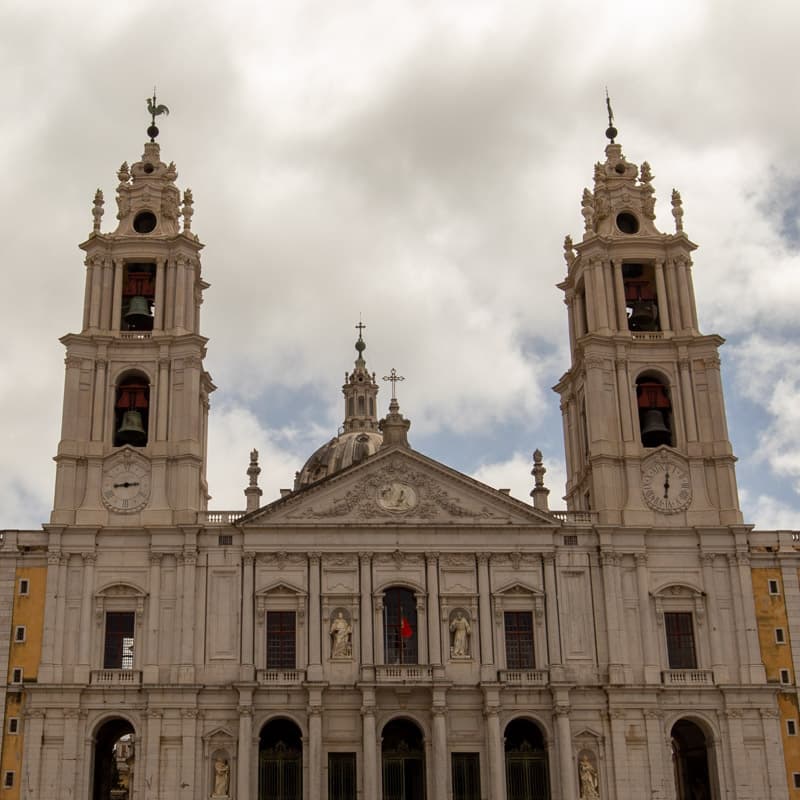
Palácio Nacional de Mafra

Palace • Mafra, Lisboa

Mafra National Palace brings together a royal residence, convent, basilica and library in a project begun by King João the Fifth. The foundation stone was laid in 1717, and the basilica was consecrated thirteen years later while other works continued. Sound also conveys the complex's scale: two carillons contain around 120 bells, and six organs were designed to play together in the basilica. The library holds around thirty thousand volumes, while sculpture and painting recall commissions to European workshops. Mafra connects architecture, music and study, revealing the specialist work needed to create and maintain a foundation with so many functions.
Aldeia Museu José Franco4.6

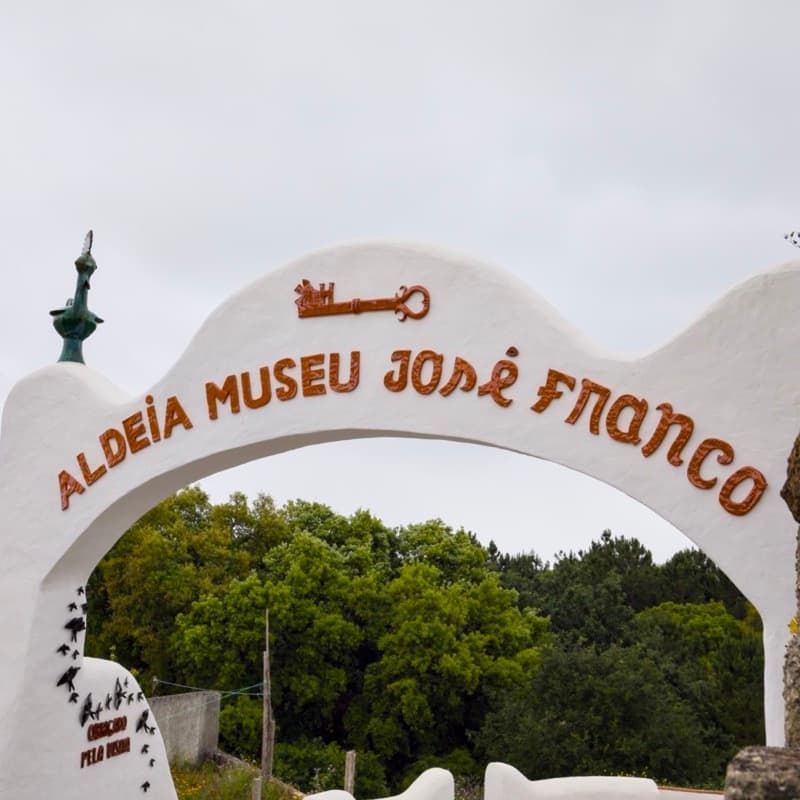
Aldeia Museu José Franco

Museum • Mafra, Lisboa

At the Aldeia Museu José Franco in Sobreiro, tools and working environments recall the trades of the Saloia region. The project began in the 1950s and was built by José and Helena Franco. He had learnt pottery as a child and restored his grandfather's workshop. She took part in painting, glazing, kiln work, sales and finishing. The museum follows the change from coloured pottery to terracotta figures, while the miniature village adds movement to scenes of everyday life. Among shoemakers, seamstresses and ceramics, the complex connects a family's history with the work and traditions of Mafra.

Jardim do Cerco4.6

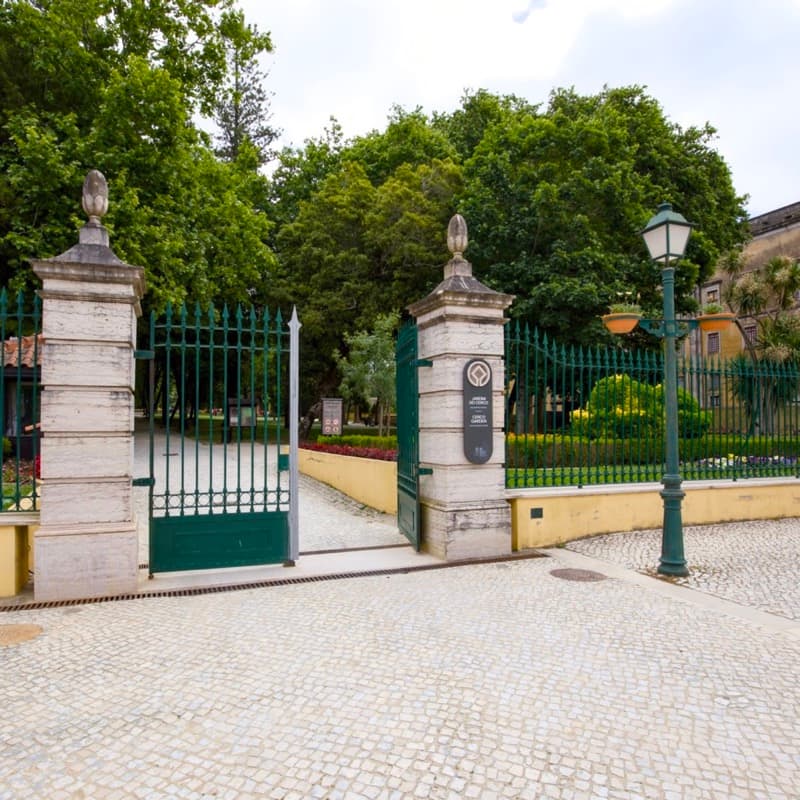
Jardim do Cerco

Garden • Mafra, Lisboa

Jardim do Cerco links Mafra's Palace-Convent with the landscape of the Tapada. Created as a convent enclosure on the orders of King João the Fifth, it retains broad paths, geometric beds, woodland and reflecting pools. A centuries-old water-lifting wheel recalls the system supplied by springs in the Tapada. A nineteenth-century renovation reshaped the garden. The Friars' Garden and the Aromatic Plants Garden draw attention to medicinal and culinary uses, while the ball-game area recalls recreation. Together, water, design and vegetation reveal the different ways this historic landscape was organised and enjoyed, from its practical work to its spaces for leisure.