LxDiscover
ExploreMapRoutesRegionsAbout
Get the app

Map · 135 / 203

Explore the map

Regions:
Arco Triunfal da Rua Augusta4.7

Arco Triunfal da Rua Augusta

Arch • Lisboa, Lisboa

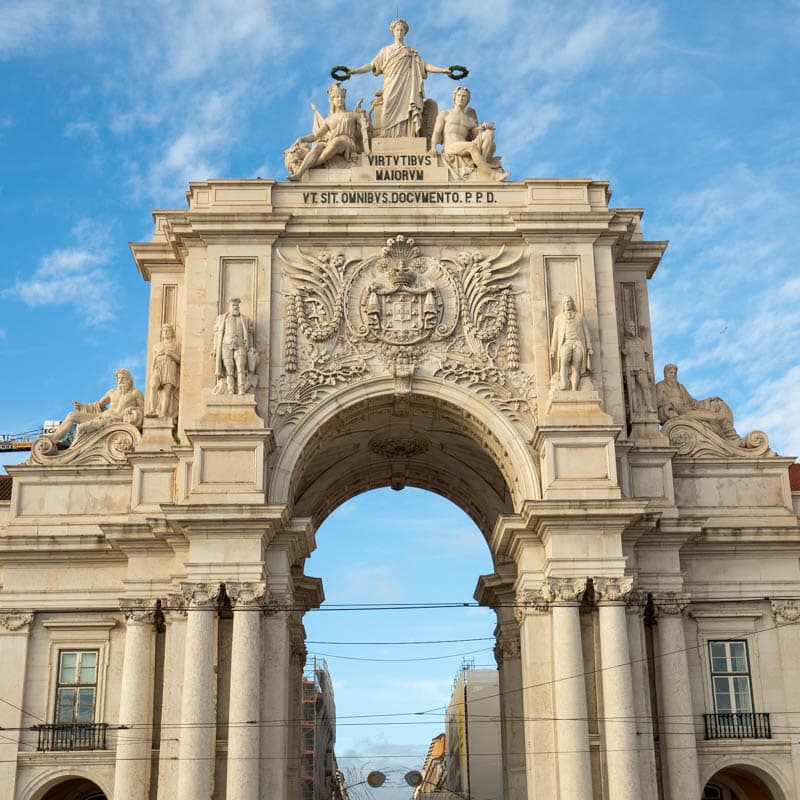
More than a monumental entrance, the Rua Augusta Triumphal Arch is the great symbolic gateway to the Lisbon that rose again after the 1755 earthquake. Conceived in the context of the Pombaline reconstruction, it took more than a century to reach its final form, and that delay says much about the city’s slow reinvention. At the top, Glory crowns Genius and Valour; below, figures such as Vasco da Gama, Viriato, Nuno Álvares Pereira and the Marquis of Pombal turn the monument into a statement of memory and power. It is also worth noticing the Latin inscription, dedicated to the virtues of the ancients, and the way the arch frames the Baixa, Praça do Comércio and the Tagus. Seen up close, it impresses with its scale and sculptural relief; seen from above, it offers one of the clearest readings of the Pombaline plan and of Lisbon’s deep bond with the river.
Praça de Touros do Campo Pequeno4.2

Praça de Touros do Campo Pequeno

Commercial Space • Lisboa, Lisboa

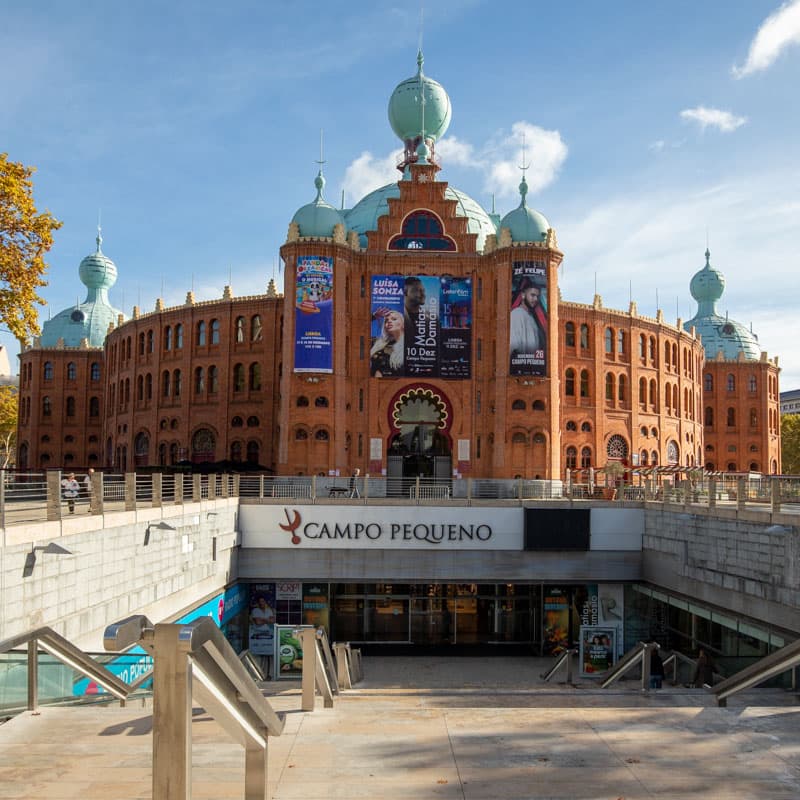
With its red-brick silhouette and neo-Moorish domes, Campo Pequeno seems to bring an unexpected imaginary world into Lisbon, yet its real strength lies in the way it gathers more than a century of urban life into one place. Opened in 1892 and designed by Dias da Silva, it was created as a bullring and soon became one of the city’s social stages, hosting a royal bullfight at the start of the twentieth century, rallies under the Estado Novo and, after the Carnation Revolution, major democratic gatherings. The renovation completed in 2006 preserved the building’s character and gave it a new life as a multi-purpose venue. It is worth noticing the arches, the exposed brick and the turrets, restored to their original turquoise blue. Today, between memory, tradition and reinvention, Campo Pequeno still shows how Lisbon changes without completely erasing its earlier traces.

Castelo de S. Jorge4.5

Castelo de S. Jorge

Castle • Lisboa, Lisboa

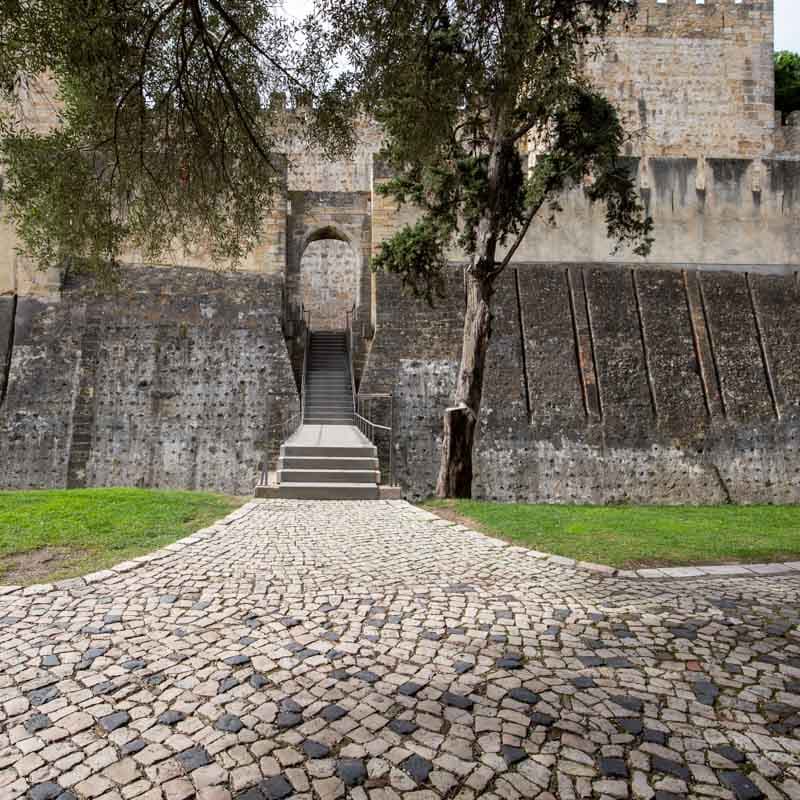
Rising from the highest point of old Lisbon, São Jorge Castle seems to gather almost the whole biography of the city into one place. The hill had been occupied since very early times, but the fortification we recognise today took shape in the Islamic period, as the last defensive stronghold of the citadel. After the conquest of 1147 by Afonso Henriques, the castle entered its brightest age: it became a royal palace, housed the court, the royal archive and major ceremonies, and from here the city’s rooftops, estuary and gateways could be watched over. When the royal residence moved down to the riverside, the complex lost its central role, was turned to military use and suffered after the 1755 earthquake, before being rediscovered in the great restoration campaigns of the twentieth century. Today, among walls, archaeological remains and the Camera Obscura in the Tower of Ulysses, it remains a rare place to understand Lisbon in layers, between stone, memory and horizon.

Mosteiro dos Jerónimos4.5

Mosteiro dos Jerónimos

Monastery • Lisboa, Lisboa

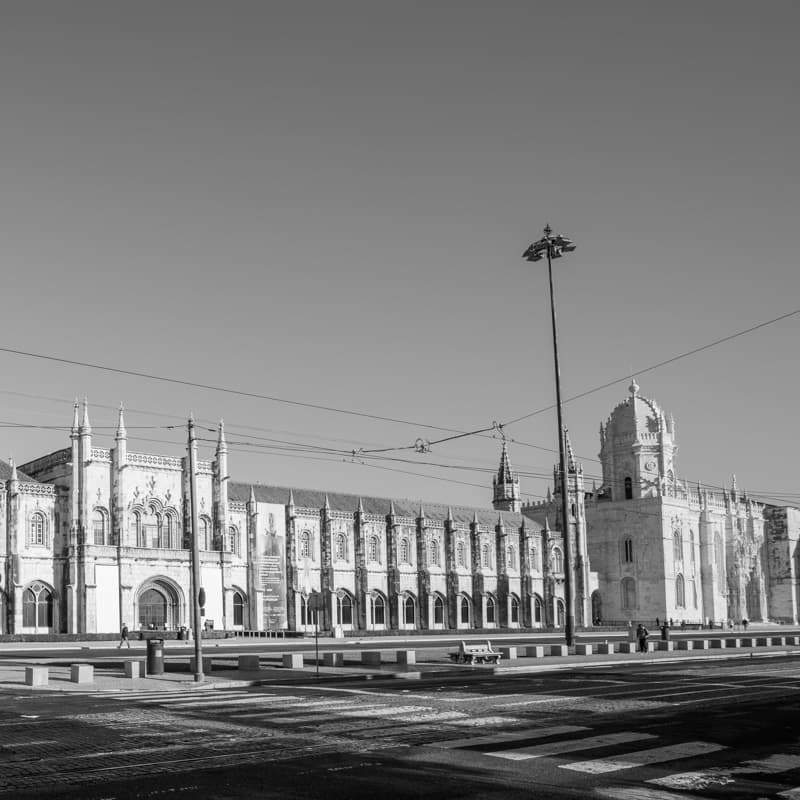
On the edge of the Tagus, Jerónimos Monastery seems to turn into stone the moment when Lisbon opened itself to the world. Commissioned by King Manuel the First at the end of the fifteenth century, beside Restelo, where ships and caravels set out, it was entrusted to the monks of Saint Jerome, who were meant to pray for the king and offer spiritual support to navigators. Work began in fifteen hundred and one and continued for about a century, leaving one of the finest examples of the Manueline style, exuberant yet precise, filled with royal, Christian and natural symbols. During a visit, it is worth slowing down in the sixteenth-century cloister and before the south portal, where the sculpture seems almost like lace in stone. In the church lie Vasco da Gama and Luís de Camões, a detail that deepens the monument’s bond with the country’s maritime and literary memory. Few places tell Portugal’s story with such clarity and beauty.

Palácio Nacional da Ajuda4.7

Palácio Nacional da Ajuda

Palace • Lisboa, Lisboa

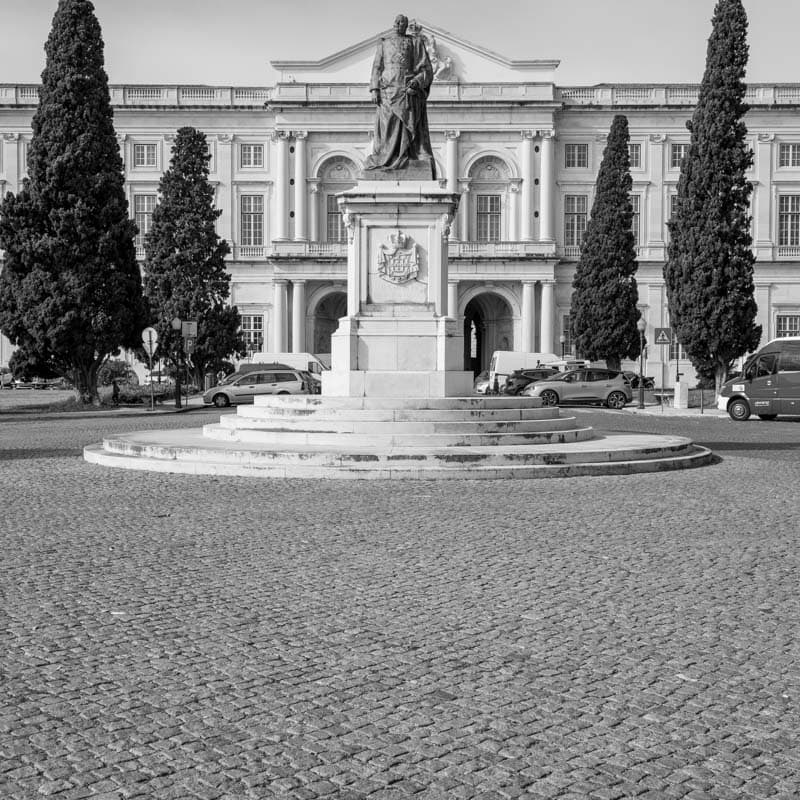
High on Ajuda hill, this neoclassical palace speaks less of completed triumph than of ambition, interruption and endurance. Conceived at the start of the nineteenth century to replace the wooden Real Barraca built after the earthquake, it was never fully finished, held back by the court’s departure to Brazil and by repeated financial difficulties. Even so, it became the royal family’s official residence from the reign of King Luís the First, and it was under Queen Maria Pia that it gained the domestic and ceremonial brilliance still felt in its interiors today. During a visit, it is worth lingering in the Throne Room, the state salons and the private apartments, because few places in Lisbon preserve so authentically the taste and protocol of nineteenth-century court life. Between its view over the Tagus, its splendour and its intimacy, Ajuda National Palace leaves the rare impression of a royal home suspended in time, made even more compelling by the fact that it was never entirely completed.

Planetário de Marinha3.8

Planetário de Marinha

Science Centre • Lisboa, Lisboa

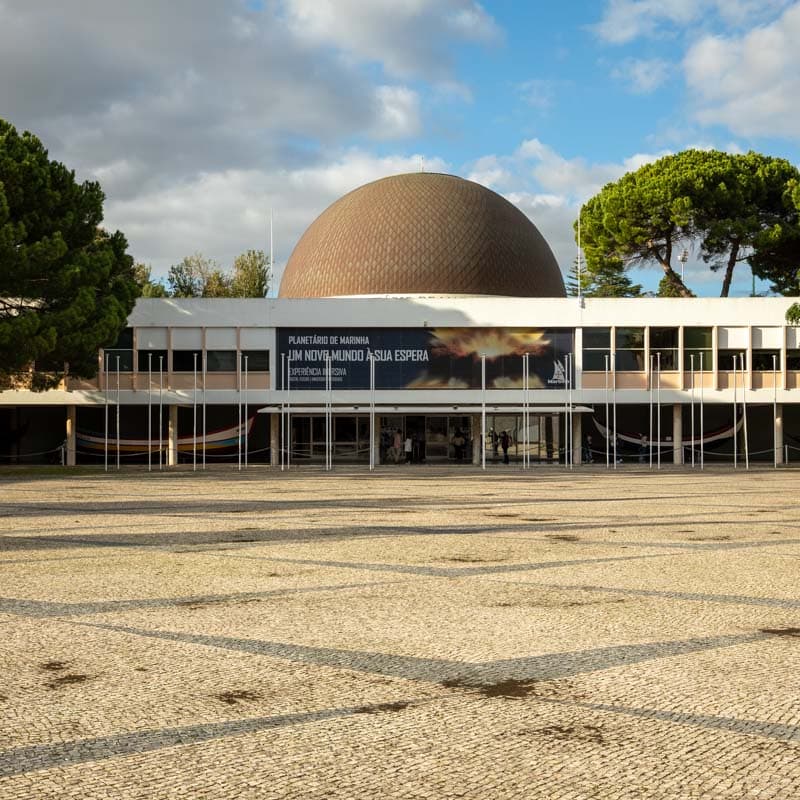
Beside the Jerónimos Monastery, the Navy Planetarium has the rare grace of places that still teach us to look up. Opened in 1965, from an idea by Commander Eugénio Conceição Silva and designed by the architect Frederico George, it was born from the meeting of scientific purpose, naval tradition and the support of the Calouste Gulbenkian Foundation. Its great dome turned it into a true theatre of the sky, where generations of visitors discovered constellations, nebulae and the old art of guiding a journey by the stars. The renovation at the start of the twenty-first century strengthened that immersive experience without erasing the building’s character. It is worth noticing the contrast between the sober exterior and the sense of scale inside the auditorium, where Lisbon seems to disappear for a while. In Belém, among monuments linked to the sea, this planetarium reminds us that navigation has always depended on reading the heavens.

Aquário Vasco da Gama4.6

Aquário Vasco da Gama

Aquarium • Oeiras, Lisboa

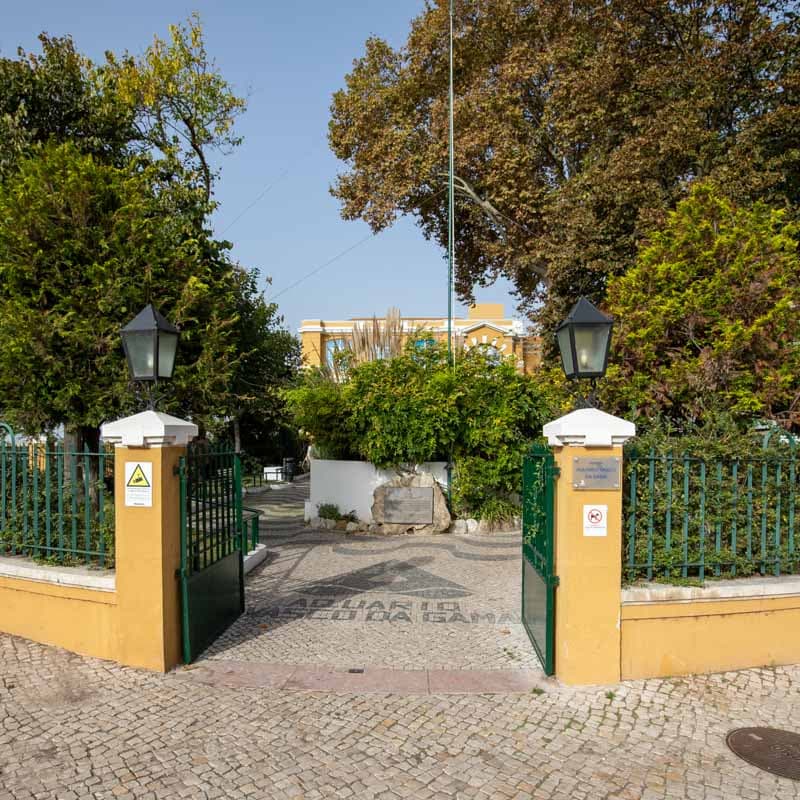
By the Tagus, in Dafundo, the Vasco da Gama Aquarium preserves something rare: the memory of a time when discovering the sea also meant learning how to observe it. Opened in 1898, during the celebrations of the fourth centenary of Vasco da Gama’s departure for India and under the patronage of King Carlos the First, it was one of the world’s earliest public aquariums and became a landmark in the popularisation of science in Portugal. The building retains the charm of a historic aquarium, yet what sets it apart most is its link to the oceanographer king: part of the Oceanographic Museum of King Carlos the First has been housed here since 1935. During a visit, it is worth noticing both the tanks and living species and the museum rooms, where science, curiosity and maritime tradition meet with natural ease. Today, now listed as a Monument of Public Interest, it still brings together wonder, memory and knowledge in a place of almost intimate scale.

Praça do Comércio e Cais das Colunas4.7

Praça do Comércio e Cais das Colunas

Square • Lisboa, Lisboa

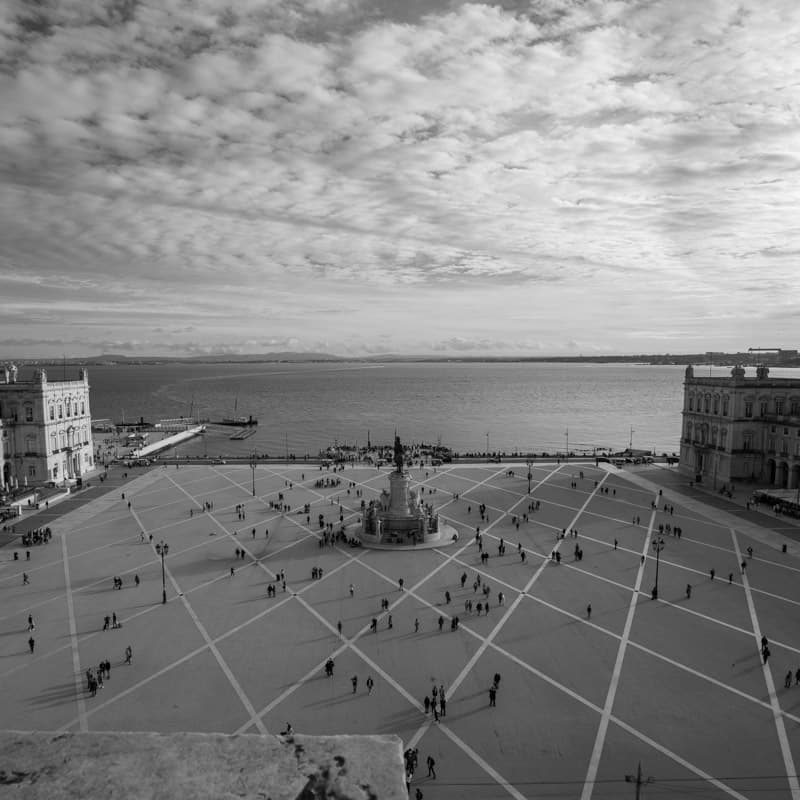
Few places explain Lisbon as clearly as Praça do Comércio and Cais das Colunas. Before the 1755 earthquake, the Ribeira Palace stood here; after the catastrophe, the Pombaline reconstruction turned the old Terreiro do Paço into a regular square open to the Tagus, expressing the capital’s new commercial and political role. The long arcades, the towers and the equestrian statue of King José the First give the whole ensemble the solemnity of a great urban stage, yet it is by the river that the place gains a different intensity. Cais das Colunas, conceived within this new bond between city and water, served as Lisbon’s ceremonial landing place for those arriving by river. Today, between the square’s luminous geometry, the broad horizon of the estuary and the steps that almost touch the Tagus, this ensemble still shows that Lisbon has always understood itself best when facing the river.

Centro Cultural de Belém4.6

Centro Cultural de Belém

Cultural Centre • Lisboa, Lisboa

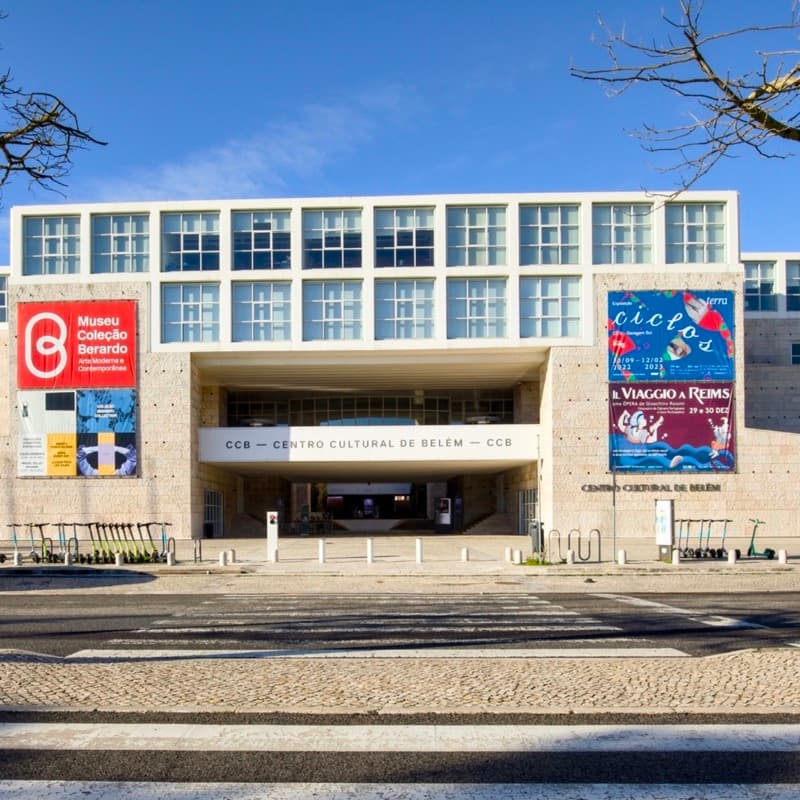
Among Belém’s great historic symbols, the Belém Cultural Centre marks the moment when Lisbon decided to inscribe its modernity too into the city’s monumental landscape. Its construction was decided in 1988, in the context of Portugal’s European presidency in 1992, and the project by Vittorio Gregotti and Manuel Salgado imagined a kind of open city, made of buildings, streets, squares and bridges, in dialogue with Praça do Império, the Jerónimos Monastery and the Tagus. During a visit, it is worth exploring the outdoor spaces as much as the auditoriums and exhibition rooms, because the CCB is not understood only from within: it also lives in the light, the voids and the relationship between pale stone and the river. Today, listed as a Monument of Public Interest, it remains one of the places where Lisbon shows, with remarkable ease, that contemporary architecture can also create memory.

Museu do Dinheiro4.6

Museu do Dinheiro

Museum • Lisboa, Lisboa

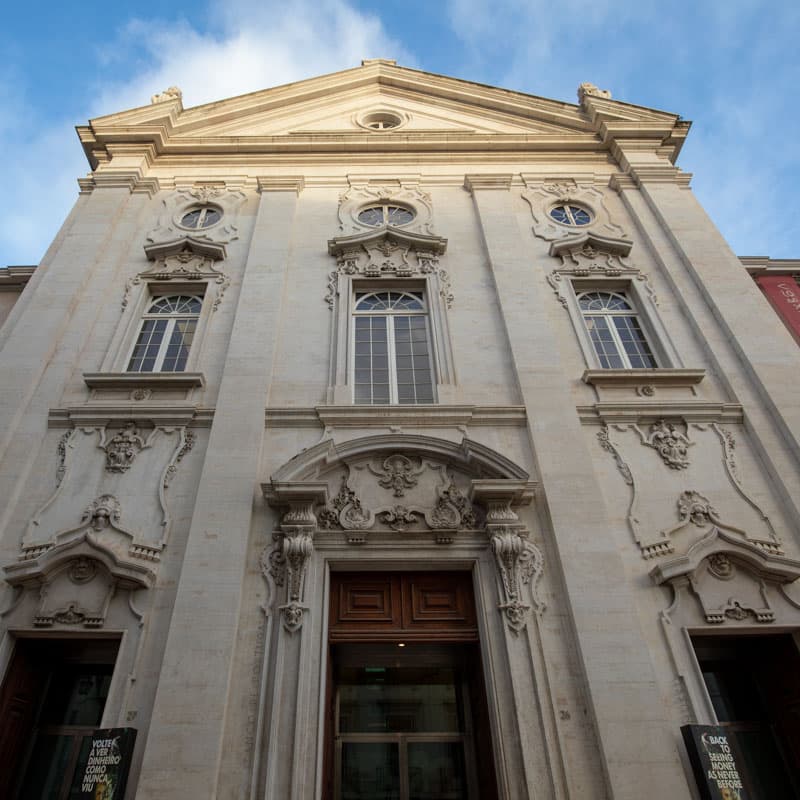
Set inside the former church of Saint Julian, the Money Museum is one of those places where Lisbon reveals itself in layers. Open to the public since 2016, it occupies a building restored as part of the rehabilitation of the Bank of Portugal’s headquarters, and that long biography gives depth to a museum devoted to money, its history and the ways people exchange value. Along the route, coins, banknotes, machines and multimedia displays show how money has shaped trade, power and everyday life, without losing sight of the human scale. Yet two details make the visit especially memorable: the Wall of King Dinis, preserved within the museum, and the gold bar that visitors can touch. Between medieval remains, the old nave of Saint Julian and contemporary museography, the place achieves something rare: it speaks about economics without coldness and shows that behind every coin there is always a story of city, power and imagination.

...Showing 1-10 of 135