Planetário de Marinha

Lisboa · Lisboa

Planetário de Marinha

Science CentreXXCivil Architecture
Praça do Império, 1400-206 Lisboa3.8 Rating · 46085 min

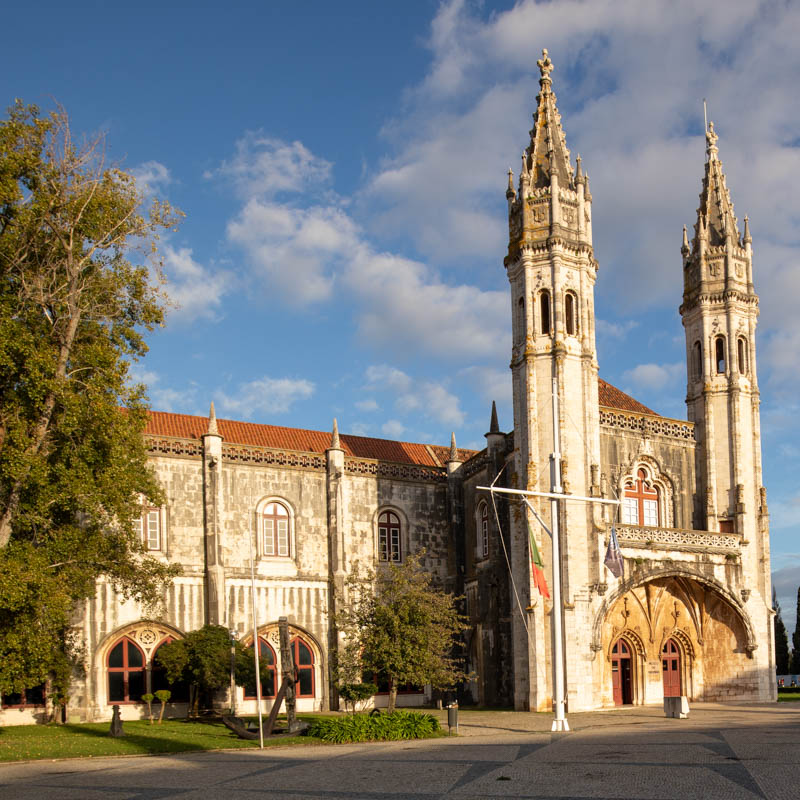
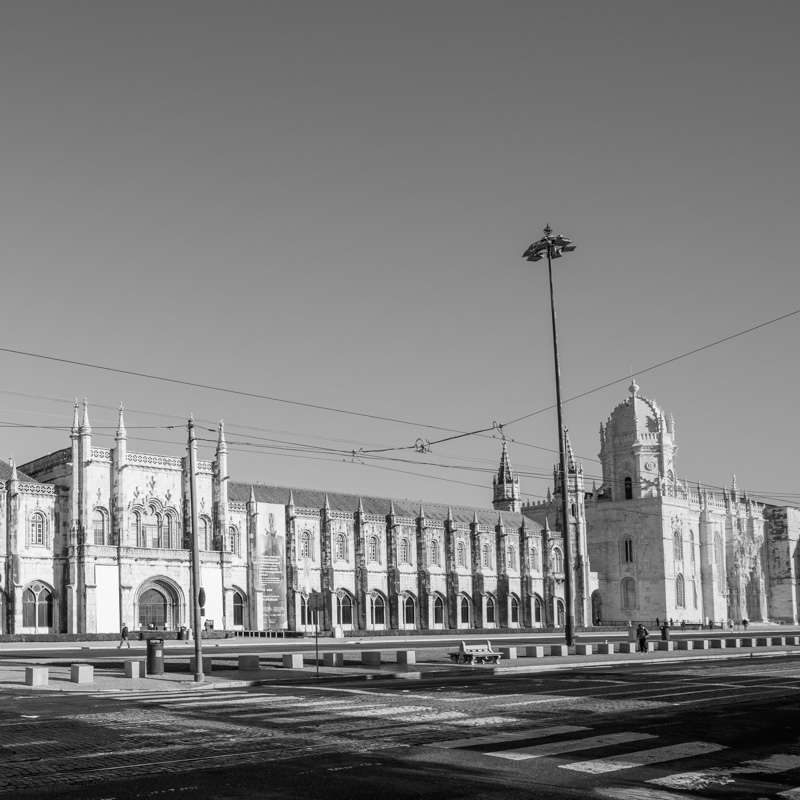
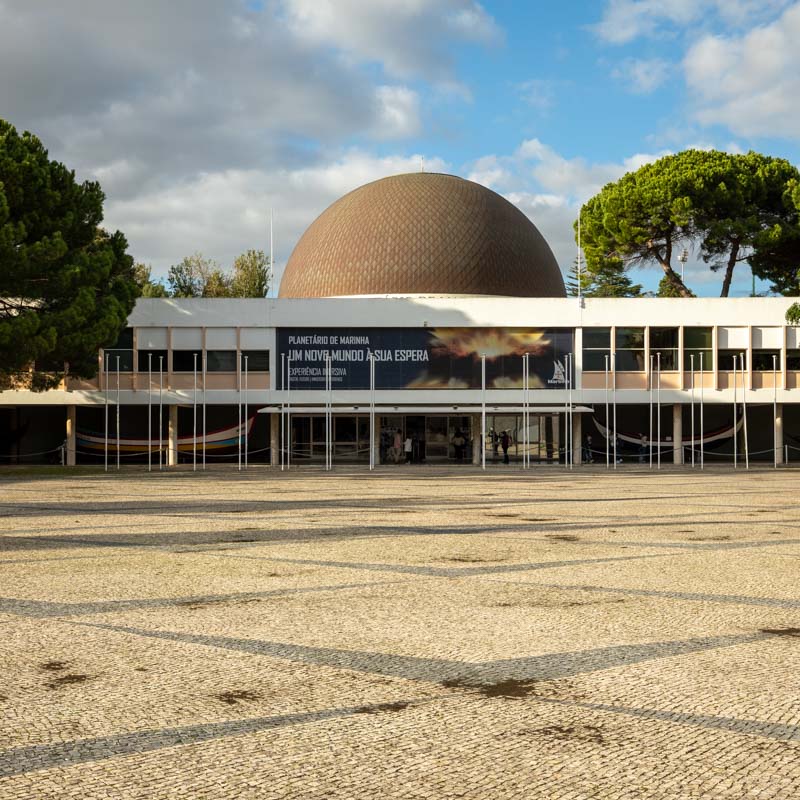
Beside the Jerónimos Monastery, the Navy Planetarium has the rare grace of places that still teach us to look up. Opened in 1965, from an idea by Commander Eugénio Conceição Silva and designed by the architect Frederico George, it was born from the meeting of scientific purpose, naval tradition and the support of the Calouste Gulbenkian Foundation. Its great dome turned it into a true theatre of the sky, where generations of visitors discovered constellations, nebulae and the old art of guiding a journey by the stars. The renovation at the start of the twenty-first century strengthened that immersive experience without erasing the building’s character. It is worth noticing the contrast between the sober exterior and the sense of scale inside the auditorium, where Lisbon seems to disappear for a while. In Belém, among monuments linked to the sea, this planetarium reminds us that navigation has always depended on reading the heavens.

Why it matters

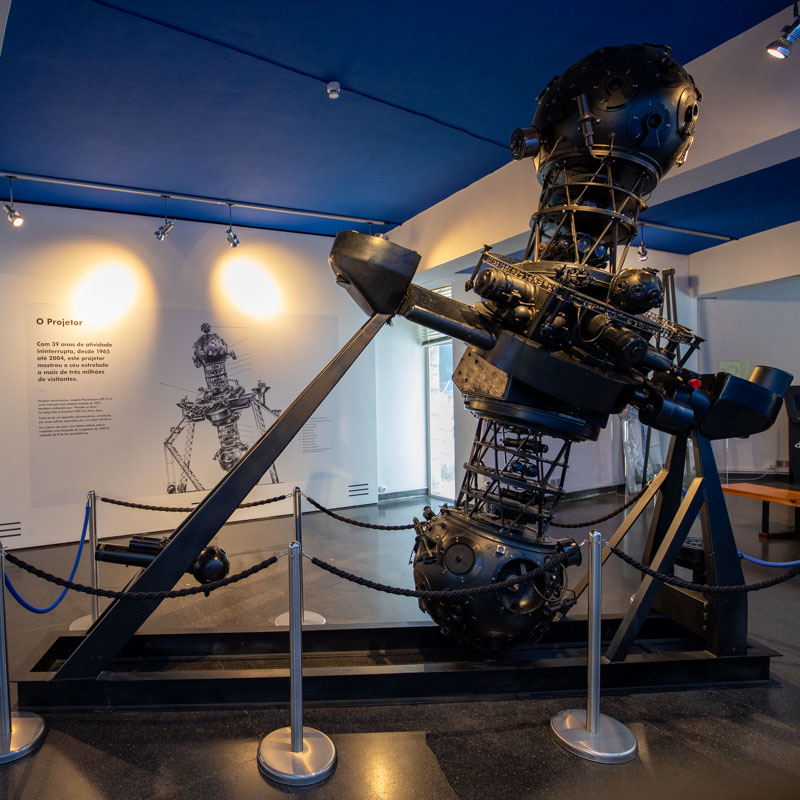
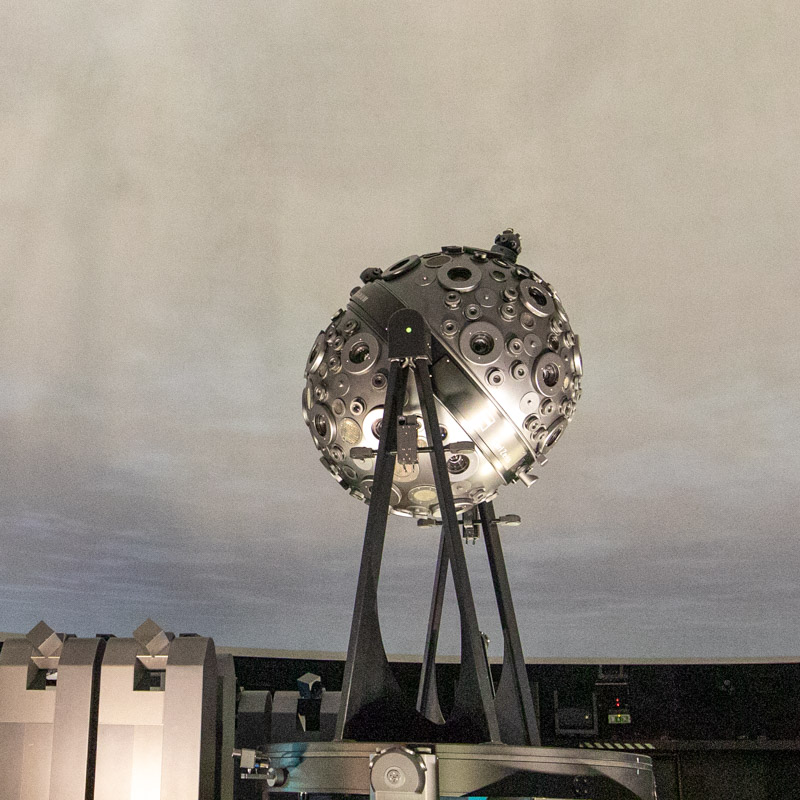
The Navy Planetarium stands in Belém, beside Jerónimos Monastery and the Navy Museum, and was conceived as a scientific and cultural institution devoted to the public communication of astronomy. The idea grew out of the enthusiasm of Commander Eugénio Conceição Silva, a naval officer and amateur astronomer who wanted Lisbon to have a planetarium comparable to those already found in other European capitals. The project took shape through a partnership between the Portuguese Navy and the Calouste Gulbenkian Foundation. Construction ran from September 1963 to July 1965, to a design by the architect Frederico George, and the building was inaugurated on 20 July 1965 as part of the Navy Museum. For decades, it established itself as one of Portugal’s main centres for astronomical outreach, with a particularly strong link to school audiences. Between 2004 and 2005 it underwent a major renovation, in partnership with Ciência Viva, and reopened with new projection systems and more advanced technical resources. In 2021, its official name changed from Calouste Gulbenkian Planetarium to Navy Planetarium.

Architecture and history

Architecturally, the building stands out for the clarity of its modern composition. Its most striking feature is the great reinforced-concrete hemispherical dome, set above a horizontal volume that shapes the built frontage facing Praça do Império. The relationship between the low mass of the main body and the rising dome gives the complex a very legible presence in the landscape of Belém. Frederico George’s design follows a restrained language close to the modern architecture of the later twentieth century, without unnecessary ornament. Inside, the dome houses the auditorium, designed for the immersive observation of the projected sky. Institutional sources describe it as one of the largest planetariums in Europe, with a dome of around 23 metres in diameter. Beyond the auditorium, the complex includes a gallery for thematic exhibitions, a specialist library with more than a thousand titles, and an astronomical observatory that has gone through phases of recovery. The building was designed not only to host shows, but to create a setting dedicated to scientific learning.

More context

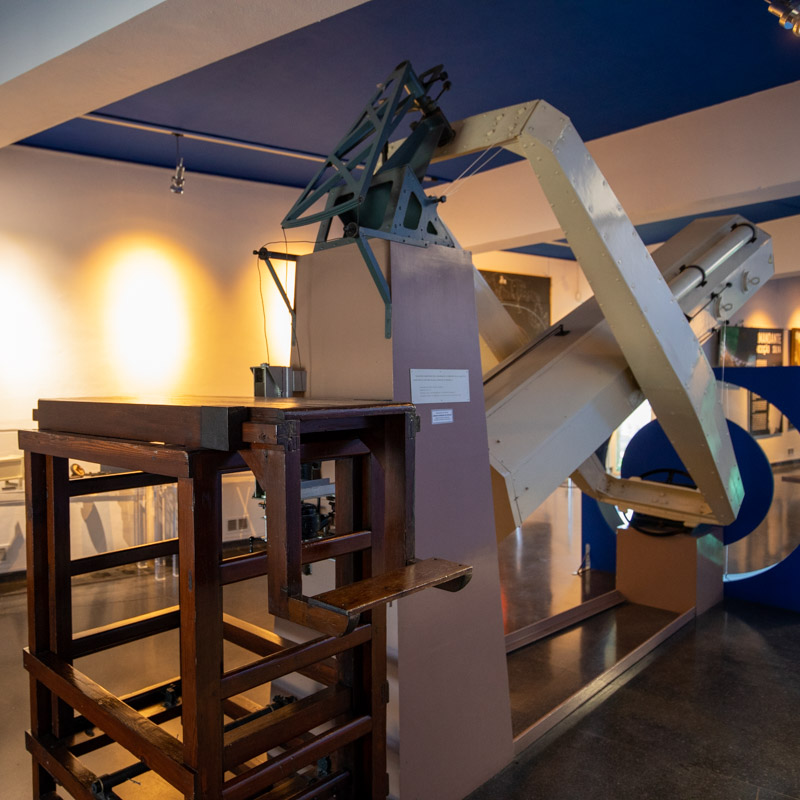
During a visit, the central point is naturally the auditorium beneath the great dome, because this is where the planetarium fulfils its main purpose. The experience allows visitors to observe a recreated starry sky, follow constellations and understand astronomical phenomena in an environment designed to be fully immersive. It is also worth noticing the interior architecture of the hall itself, shaped to serve projection and the reading of the heavens. Beyond the auditorium, the exhibition gallery extends the visit with content linked to astronomy and scientific culture. The specialist library adds another layer of interest, especially because it reflects the educational vocation that has marked the institution from the beginning. Outside, it is worth observing how the building sits between Jerónimos Monastery and the Navy Museum, forming a very distinctive element within Belém’s cultural landscape. More than a simple entertainment venue, the planetarium still carries the mark of a lasting educational ambition. That balance between architecture, science and public outreach is what makes the site especially relevant in Lisbon.

Gallery

Planetário de Marinha 1
Planetário de Marinha 2
Planetário de Marinha 3
Planetário de Marinha 4
Planetário de Marinha 5

Nearby places

View all