Museu de Marinha

Lisboa · Lisboa

Museu de Marinha

MuseumXVIReligious Architecture
Praça do Império, 1400-206 Lisboa4.5 Rating · 13,59290 min

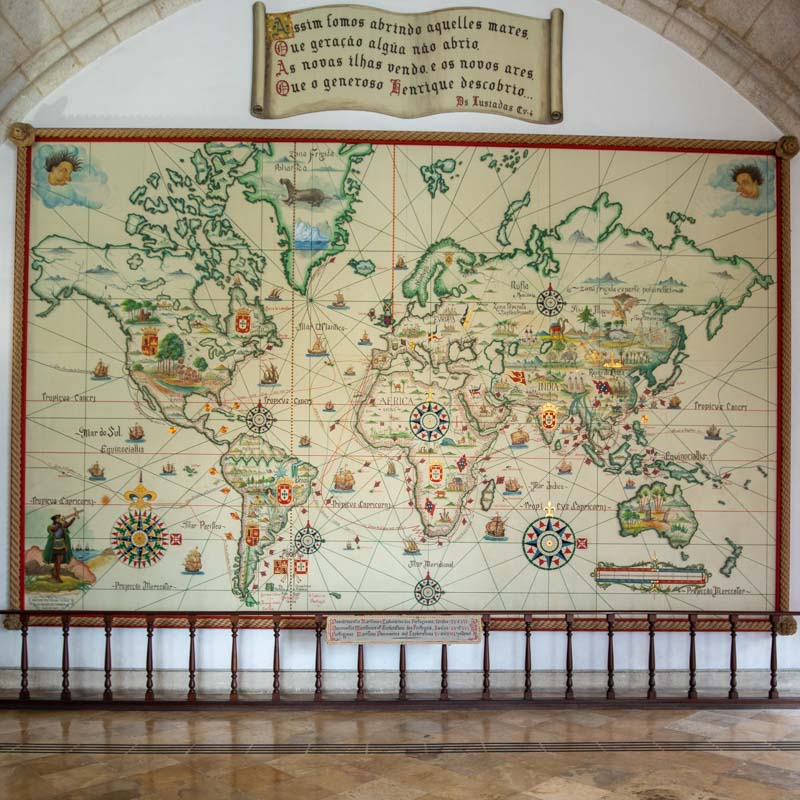
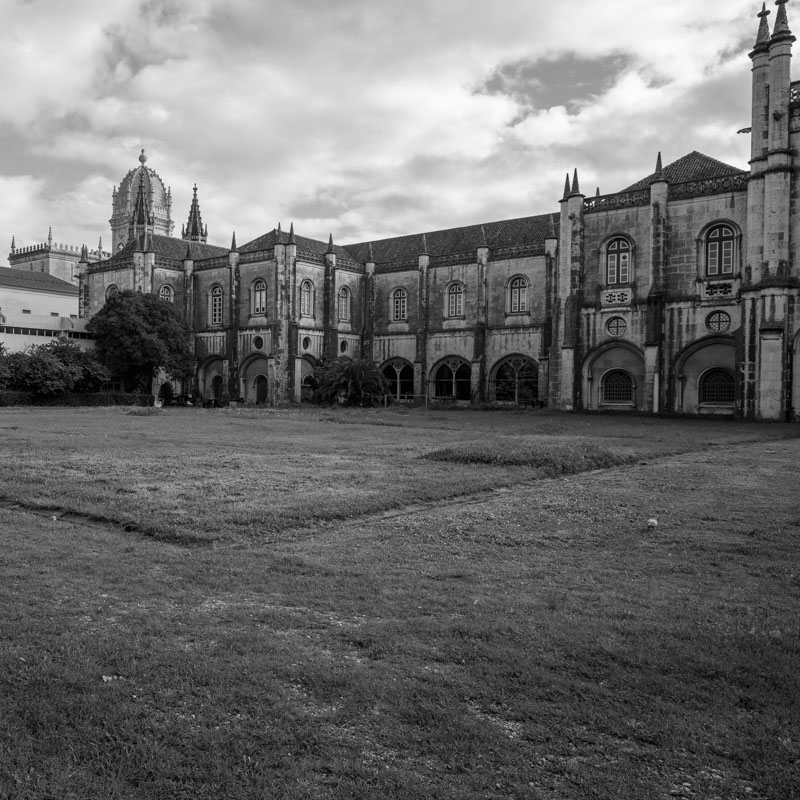
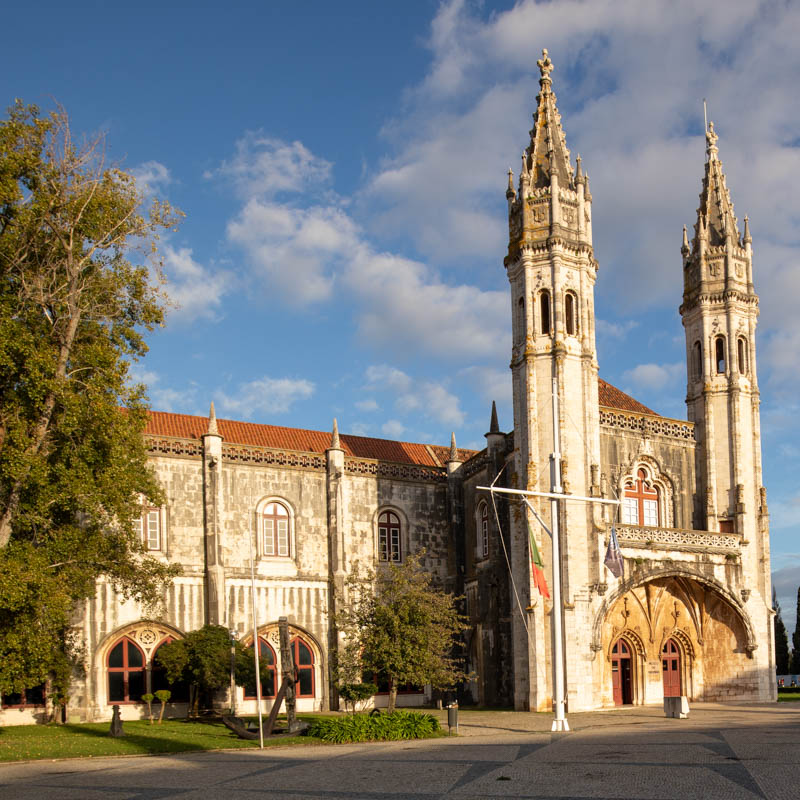
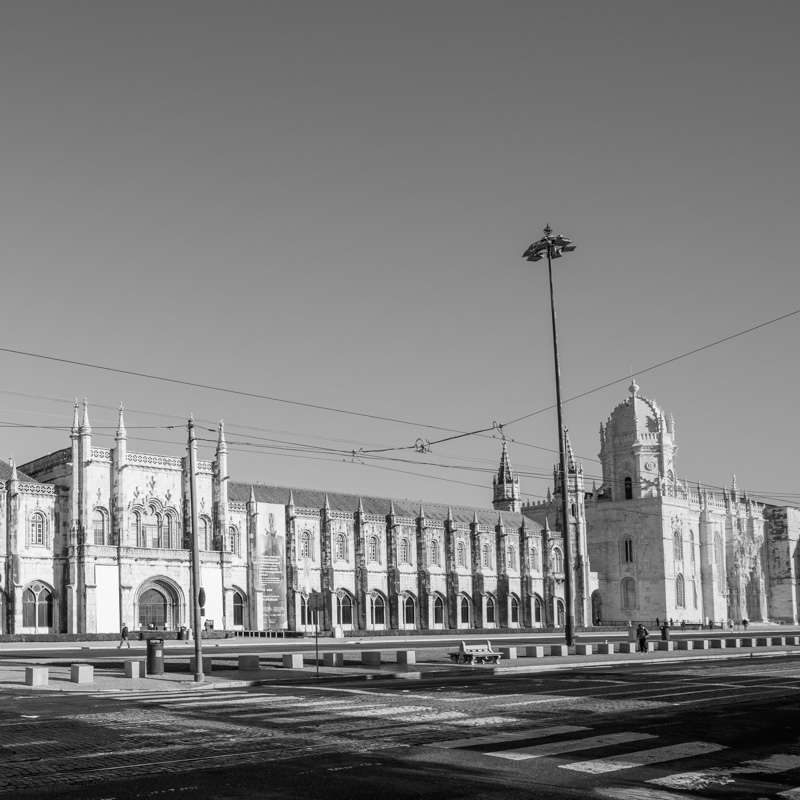
The Maritime Museum, housed since 1962 in the wings of Jerónimos Monastery, does more than display vessels: it tells the long intimacy between Portugal and the sea. Created on the initiative of King Luís in 1863, it began with a didactic purpose, yet today the visit feels like a journey through time. Among models, charts, instruments and paintings, visitors sense how the ocean was a route for trade, science, war and imagination. The most striking moment awaits in the Barge Pavilion, built to house full-size boats. There, the Royal Brig stands out for its gilded carving, mythological figures and the Venetian mirrors in its stern cabin, but also for its story: in 1808 it carried the royal family to the squadron that sailed to Brazil and, already in the twentieth century, it returned to the water for the official visit of Queen Elizabeth the Second. Few places show so clearly how the sea helped shape Portuguese power and memory.

Why it matters

The Museu de Marinha, in Belém, was created by decree on 22 July 1863 at the initiative of King Luís, a monarch with naval training and a strong interest in maritime culture. In its first phase, the museum was linked to the Naval School and had an essentially educational purpose. The original core of the collection brought together ship models from the Palácio da Ajuda, previously donated by Queen Maria II to the Royal Academy of Midshipmen, as well as objects no longer used in teaching. In 1916, a fire in the Sala do Risco destroyed an important part of the holdings, yet the museum remained active. The donation of Henrique Maufroy de Seixas’s collection in 1948 gave the project new momentum and led to a temporary installation in the Palácio do Conde de Farrobo, in Laranjeiras. The decisive move came in 1962, when the museum was transferred to the Jerónimos complex, where it established itself as a major national maritime museum, devoted not only to the navy, but also to merchant, fishing and recreational seafaring.

Architecture and history

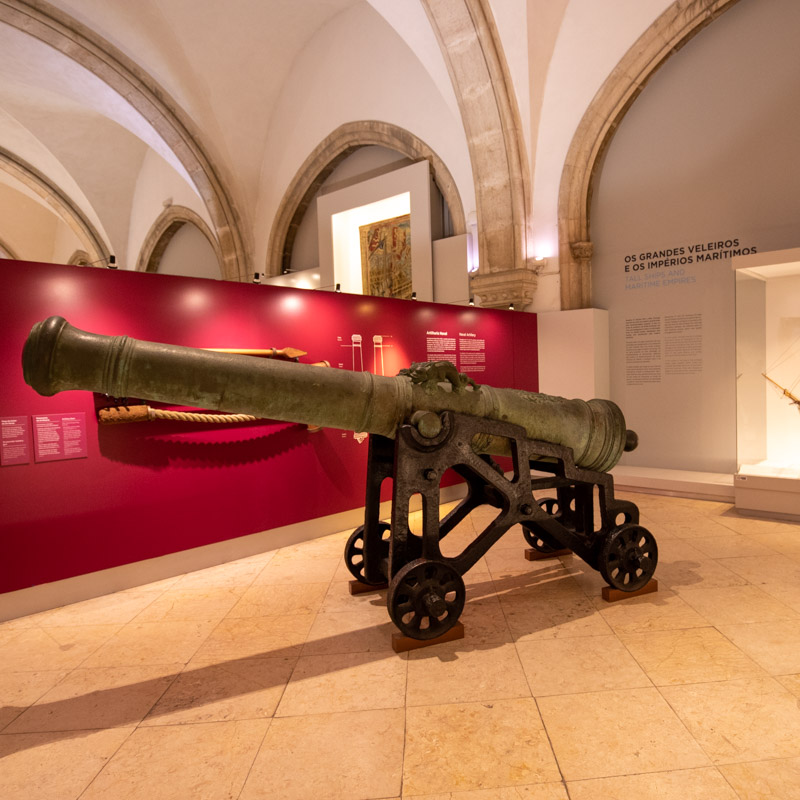
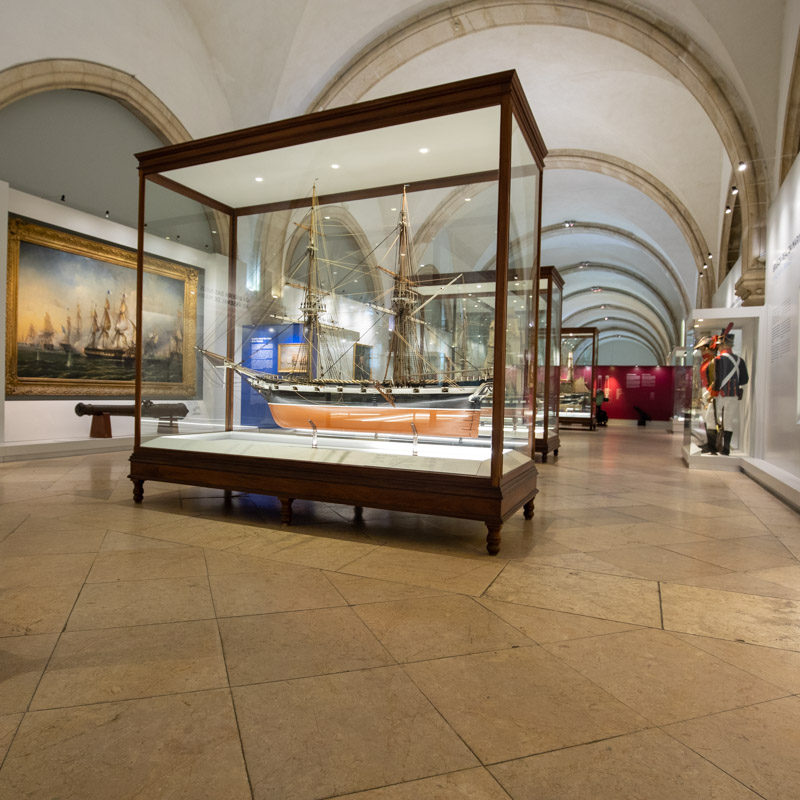
One of the museum’s most striking features is the way it combines the monumentality of the Jerónimos Monastery with exhibition spaces created specifically to house large vessels. The permanent display is spread through the north and west wings of the complex and through a separate building, the Galeotas Pavilion. This pavilion was built expressly to keep the collection of royal boats and remains one of the museum’s most impressive spaces. As a whole, the route brings together naval models, scientific instruments, cartography, painting, sculpture, trophies, historical figures and objects linked to life on board. The collection, formed over more than two centuries, allows visitors to follow Portuguese shipbuilding, the Age of Discoveries, the merchant marine, fishing, naval aviation and the technological evolution of ships. The exhibition design works with very different scales, from small astrolabes and models to large craft and historic seaplanes. That contrast gives rhythm to the visit and reinforces the material dimension of Portugal’s maritime history.

More context

During a visit, three areas deserve special attention. In the monastery wings, it is worth looking closely at the ship models from the centuries of the Discoveries, the nautical instruments and the objects that help explain how people sailed and lived on board. The section devoted to the merchant marine and the navy also shows the transition from sailing ships to mixed-propulsion vessels and then to more modern units. In the Galeotas Pavilion, the eye is immediately drawn to the royal craft, especially the richly decorated galeotas and the Royal Brig of 1780. Nearby, traditional boats from several Portuguese regions widen the visit to include fishing and river traffic. Another essential highlight is the Santa Cruz seaplane, linked to the first aerial crossing of the South Atlantic completed in 1922 by Gago Coutinho and Sacadura Cabral. It is also worth noticing the royal yacht Sirius and the other naval aircraft, because they show how the museum connects the symbolic memory of the sea with its technical and human dimension.

Routes

Explore this place in a cultural route
View all Routes

Gallery

Museu de Marinha 1
Museu de Marinha 2
Museu de Marinha 3
Museu de Marinha 4
Museu de Marinha 5

Nearby places

View all