Museu do Dinheiro

Lisboa · Lisboa

Museu do Dinheiro

MuseumXIXReligious Architecture
Largo de São Julião, 1100-150 Lisboa4.6 Rating · 4,64370 min

Set inside the former church of Saint Julian, the Money Museum is one of those places where Lisbon reveals itself in layers. Open to the public since 2016, it occupies a building restored as part of the rehabilitation of the Bank of Portugal’s headquarters, and that long biography gives depth to a museum devoted to money, its history and the ways people exchange value. Along the route, coins, banknotes, machines and multimedia displays show how money has shaped trade, power and everyday life, without losing sight of the human scale. Yet two details make the visit especially memorable: the Wall of King Dinis, preserved within the museum, and the gold bar that visitors can touch. Between medieval remains, the old nave of Saint Julian and contemporary museography, the place achieves something rare: it speaks about economics without coldness and shows that behind every coin there is always a story of city, power and imagination.

Why it matters

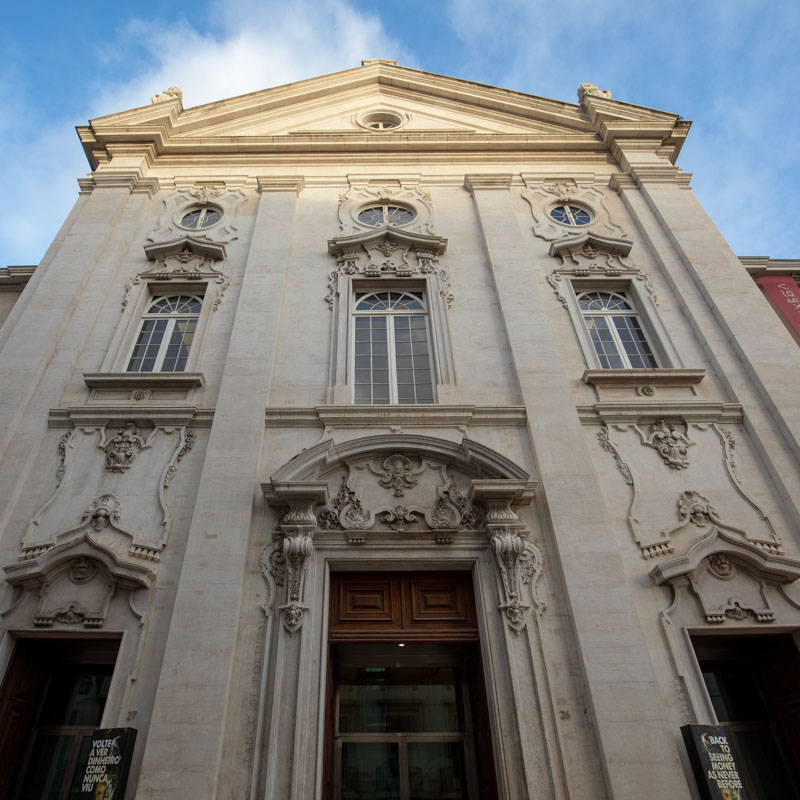
The Money Museum occupies the former Church of São Julião, in the heart of Lisbon’s Baixa, and brings together in one place the history of money and the urban history of the city. The church has medieval origins, but the present building results from the reconstruction that followed the 1755 earthquake, after the temple was moved to the site of the former Patriarchal church of King João V. Reconstruction was completed in 1802. In 1816, a fire destroyed the interior furnishings and led to new works that continued until 1854. In the twentieth century, the Bank of Portugal decided to acquire the church and its annexes. The purchase was formalised in 1933, the year in which the space was deconsecrated. For decades, the former church served technical functions, vaults and archives for the Bank. The decisive change came in 2007, when the whole headquarters block was restored and the museum was planned for the site. The rehabilitation process ran from 2007 to 2012, the King Dinis Wall Interpretation Centre opened in 2014, and the Money Museum opened to the public in 2016.

Architecture and history

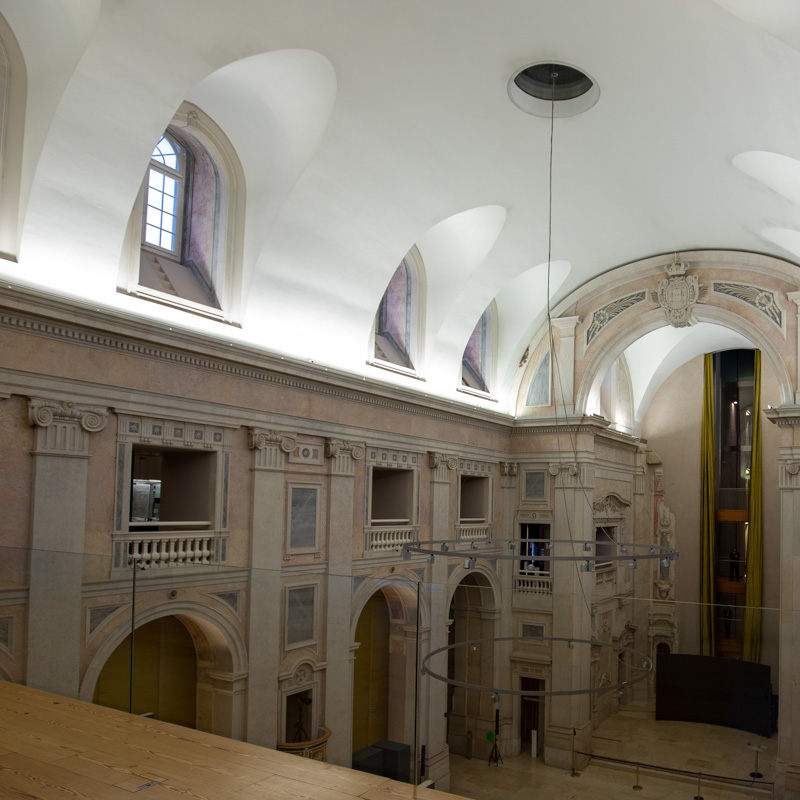
Architecturally, the museum stands out because it is housed in a former Pombaline church and still preserves its essential spatial character. The former Church of São Julião has a simple longitudinal plan, a single nave with side chapels and a chancel, an arrangement typical of Lisbon’s rebuilding after the earthquake. The major rehabilitation promoted by the Bank of Portugal recovered important historic elements, including the original high altar, the stonework, Pombaline balusters and traces of painted decoration, while also introducing discreet contemporary solutions for the museum route. The result does not erase the building’s religious memory, but turns it into a broad and legible structure in which the scale of the nave still shapes the visit. The architectural intervention, designed by Gonçalo Byrne and João Pedro Falcão de Campos, also enhanced the crypt and underground areas, where the known section of King Dinis’ Wall was uncovered. It is this coexistence between a rebuilt church, heritage restoration and contemporary museography that makes the building especially distinctive within Lisbon’s museum landscape.

More context

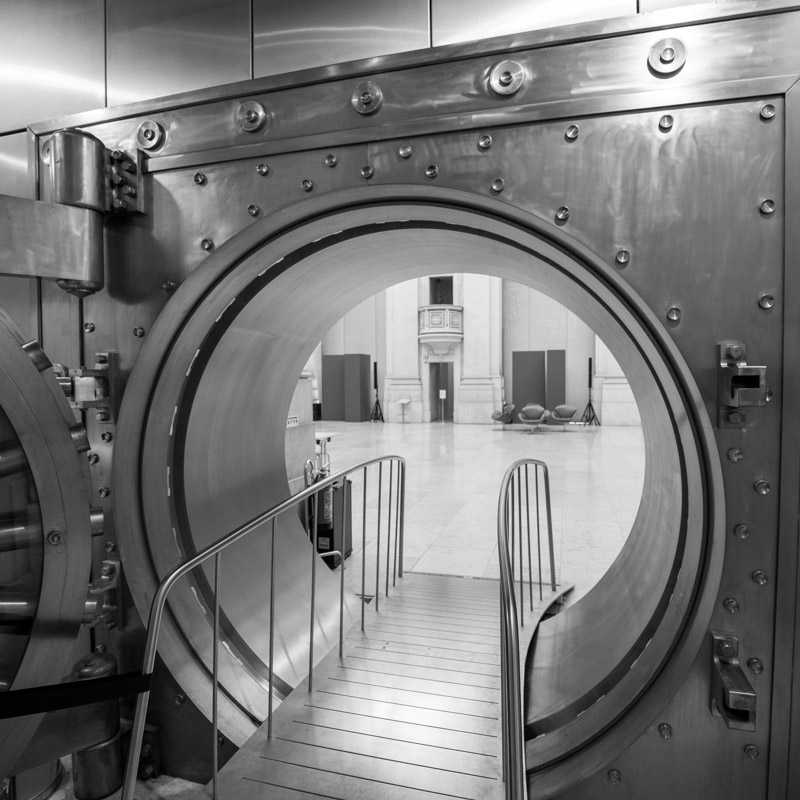
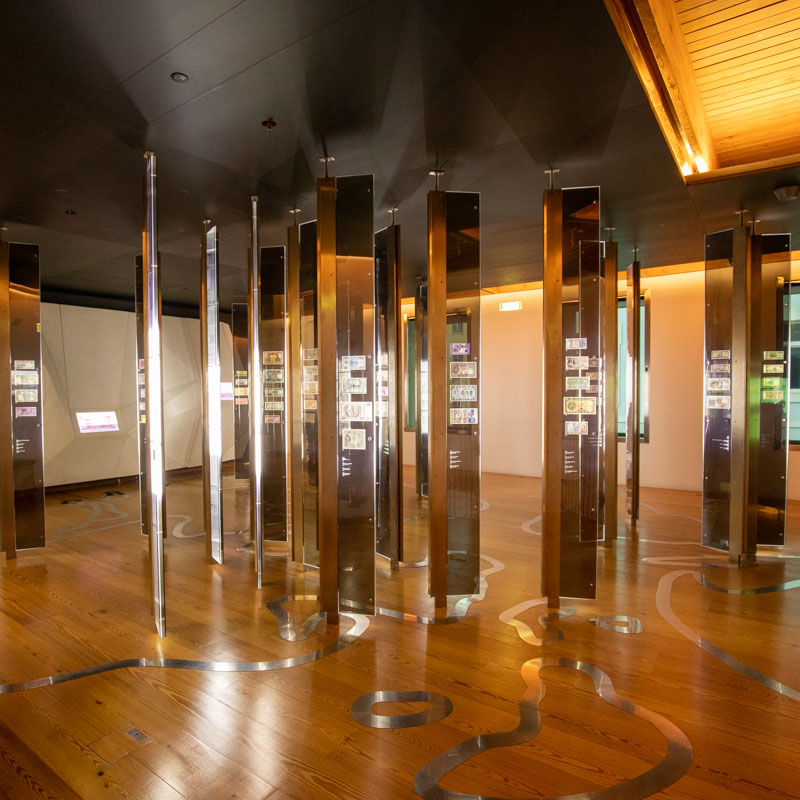
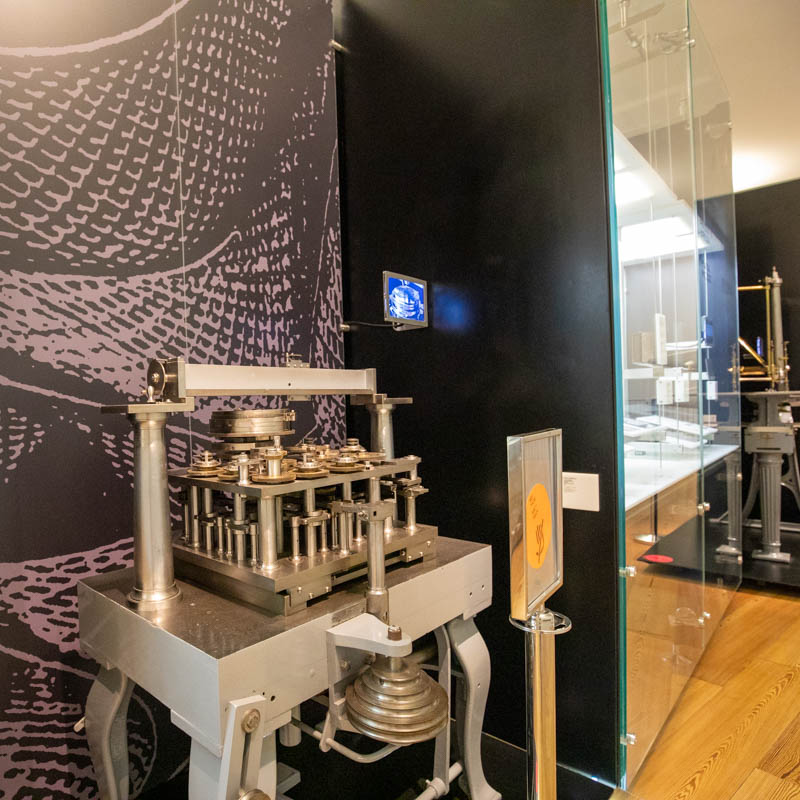
During a visit, it is worth beginning in the former nave, because that is where the scale of the building and the museum’s careful occupation of the space become clearest. Among the most striking parts of the route is the gold bar that visitors can touch, framed by the old door of the gold vault, one of the most memorable moments in the museum. Attention should also be given to the rooms devoted to forms of money and to the origins of coinage, to the section that follows the history of money and banking in Portugal, and to the area on the production of notes and coins, where the interactive dimension is especially strong. The route also invites visitors to mint and print money virtually and to look more closely at the materials and images associated with banknotes. Then descend to the crypt to visit the King Dinis Wall Interpretation Centre. There, the visit gains historical depth, because the museum no longer speaks only about money, but also reveals more than a thousand years of Lisbon’s history.

Gallery

Museu do Dinheiro 1
Museu do Dinheiro 2
Museu do Dinheiro 3
Museu do Dinheiro 4
Museu do Dinheiro 5

Nearby places

View all