Lisboa · Lisboa
MUDE - Museu do Design
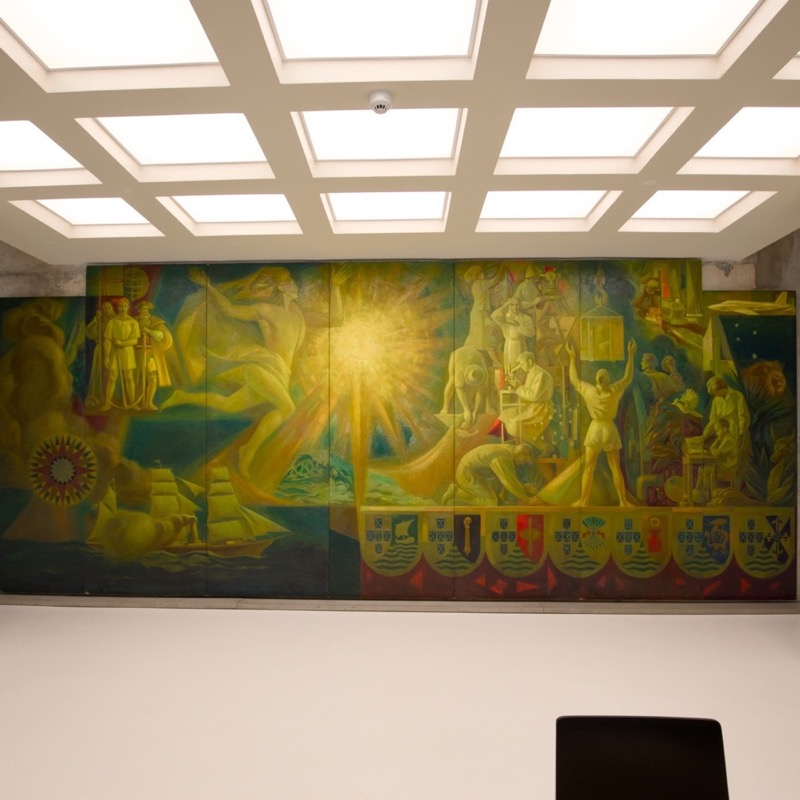
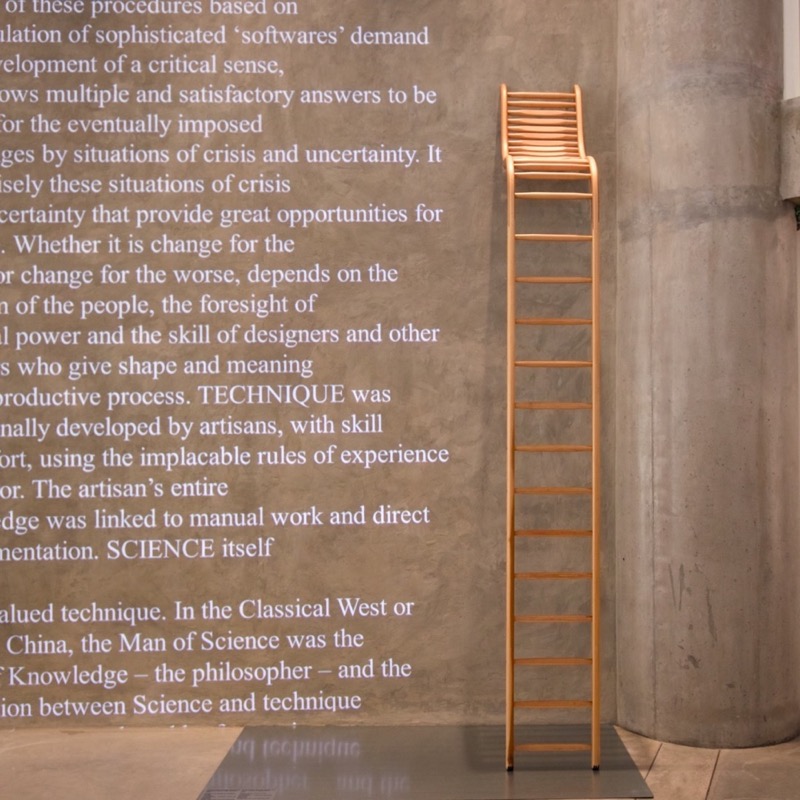
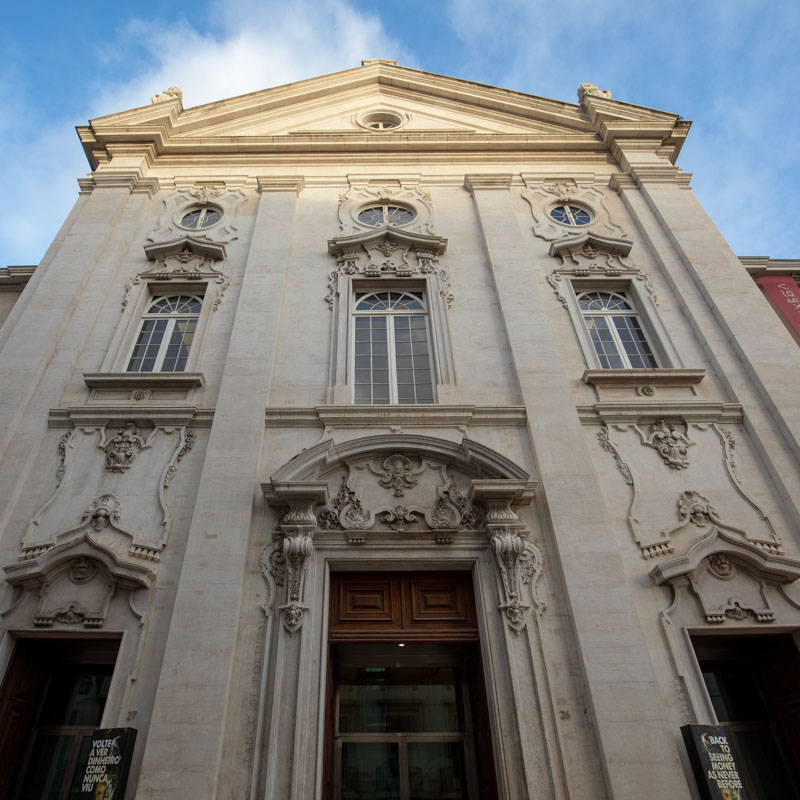
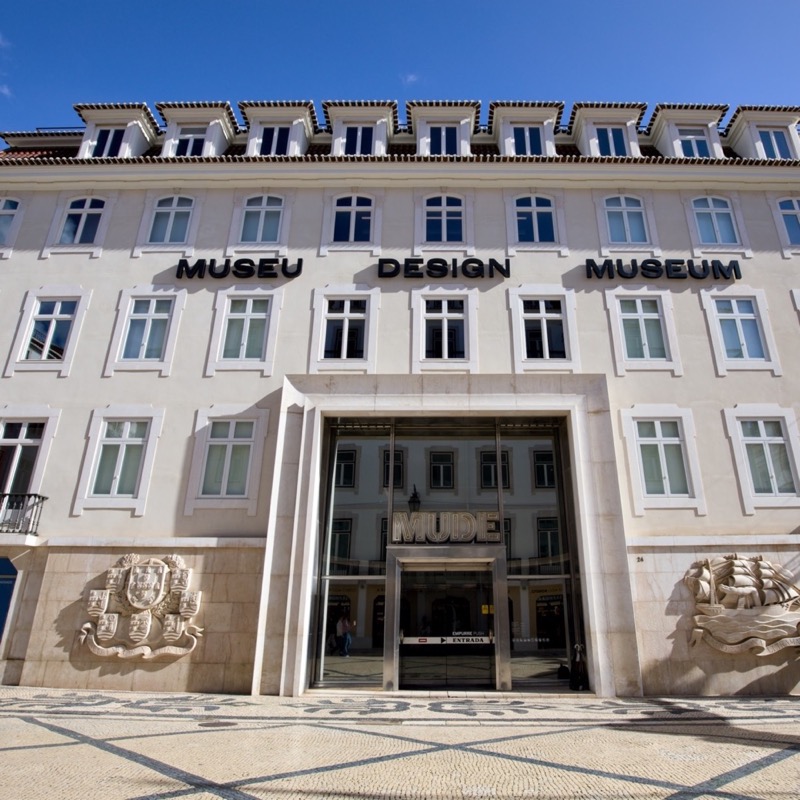
MUDE — Design Museum, in Lisbon, occupies a building that preserves the memory of the former headquarters of Banco Nacional Ultramarino. Today, that financial past coexists with a museum dedicated to the many expressions of design. The building itself is treated as a living archive: its movable and integrated heritage forms part of the collection, and its architectural evolution is understood as material to be read. The collection brings together documentary and museum inventory entries organised into areas such as graphic design, fashion, contemporary jewellery, product, editorial and stage design. The long-term exhibition “What are things for? Pieces from the MUDE Collection 1900-2020” proposes looking at design not only as form, but as process, use, communication and consumption. Between the display depot, specialised library and exhibition spaces, MUDE shows how objects also tell the history of ideas.
Why it matters
MUDE – Museu do Design (Design Museum) is Portugal’s main museum devoted to design, located on Rua Augusta in the heart of the Pombaline Baixa. It grew out of Lisbon City Council’s acquisition of the design and fashion collection assembled by architect and collector Francisco Capelo in the early 2000s, which prompted the creation of a municipal museum specifically dedicated to this field. MUDE opened to the public in 2009, occupying the former headquarters of Banco Nacional Ultramarino, a large Pombaline block rebuilt after the 1755 earthquake and converted into a bank in the early 20th century. From then on, the museum quickly became a reference point for product, fashion, graphic and jewellery design, with a collection focused mainly on the 20th century and the early 21st century, combining iconic international pieces with a representative corpus of Portuguese designers. In 2016 the building closed for comprehensive structural and museographical refurbishment. During this period the "MUDE Fora de Portas" (MUDE Outside the Walls) programme ensured continuity through temporary exhibitions held in other venues around the city. In July 2024 the fully renovated building reopened with the show "The Building on Exhibition" and, from autumn 2024, started hosting a new long-term exhibition on the history and role of design, regularly complemented by temporary shows dedicated to specific creators and themes.
Architecture and history
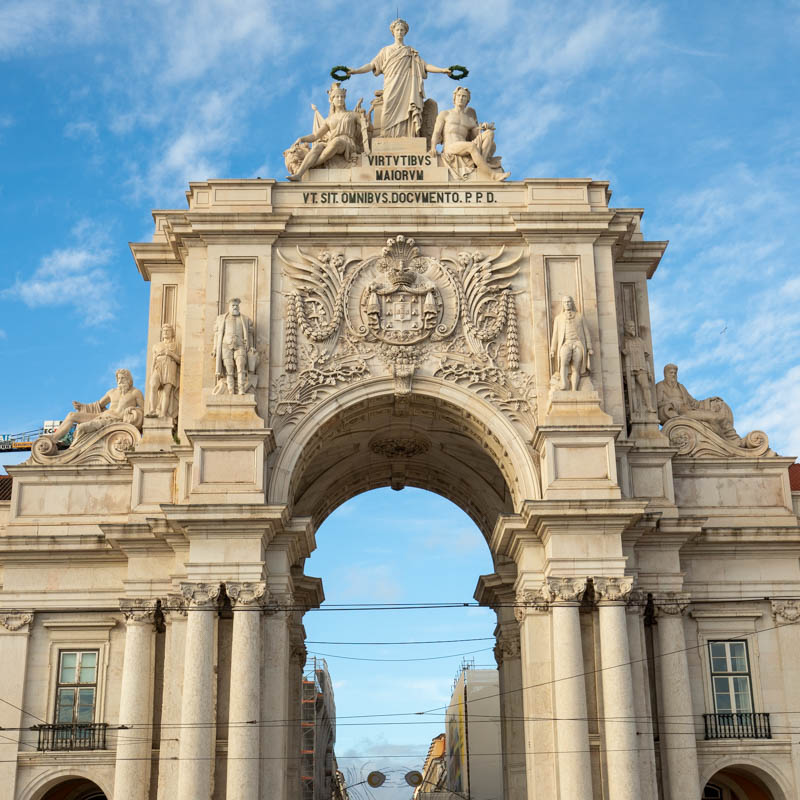
MUDE occupies a large Pombaline block with eight floors and around 14,000 m² of gross area, placing it among the largest design museums in Europe. On the outside, the building preserves the language of the Baixa rebuilt after 1755: regular facades in stone and rendered masonry, a grid of aligned openings, a ground floor originally designed for shops and upper floors for housing, later adapted to banking functions. The ensemble is marked by its facades onto Rua Augusta and neighbouring streets, often used as a backdrop for large images related to design and fashion. In the 20th century, its conversion into a bank headquarters brought major interior changes, creating large open halls, galleries and strongrooms. In the early 21st century, an unfinished renovation project left the interior in a state of "modern ruin", with exposed concrete slabs and structural elements, a condition that the architects responsible for the museum adopted as a starting point. The recent intervention sought to reconcile this raw, industrial image with new technical infrastructure, vertical circulation, and climate-control and safety conditions required of a contemporary museum. The exhibition areas are spread across several floors with wide, flexible layouts organised through platforms, suspended panels, textiles and movable partitions that allow for different narratives. On the ground floor, an entrance hall links Rua Augusta to the inner core of the block and incorporates the shop and bookshop. The upper floors house the long-term and temporary exhibitions, visitable storerooms, educational areas and auditoria. At the top, a recessed storey and the rooftop accommodate event spaces and a terrace overlooking the Rua Augusta Arch, Terreiro do Paço and São Jorge Castle.
More context
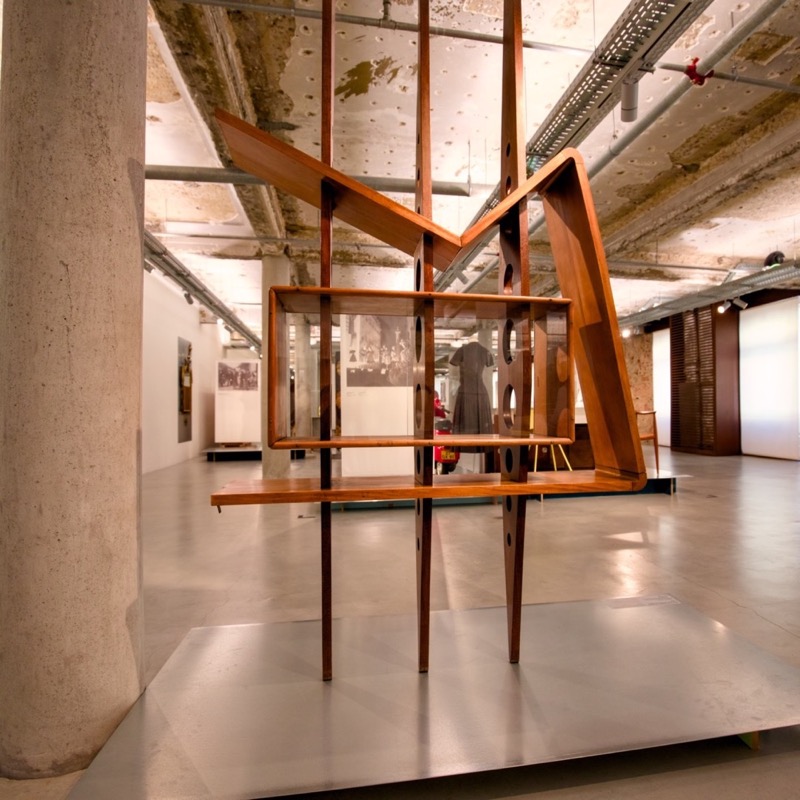
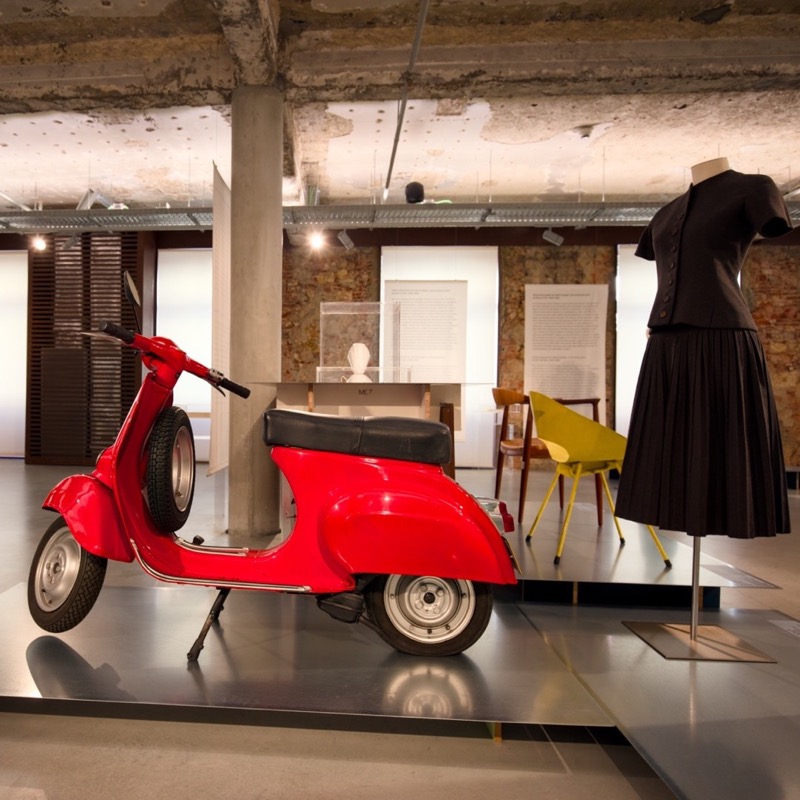
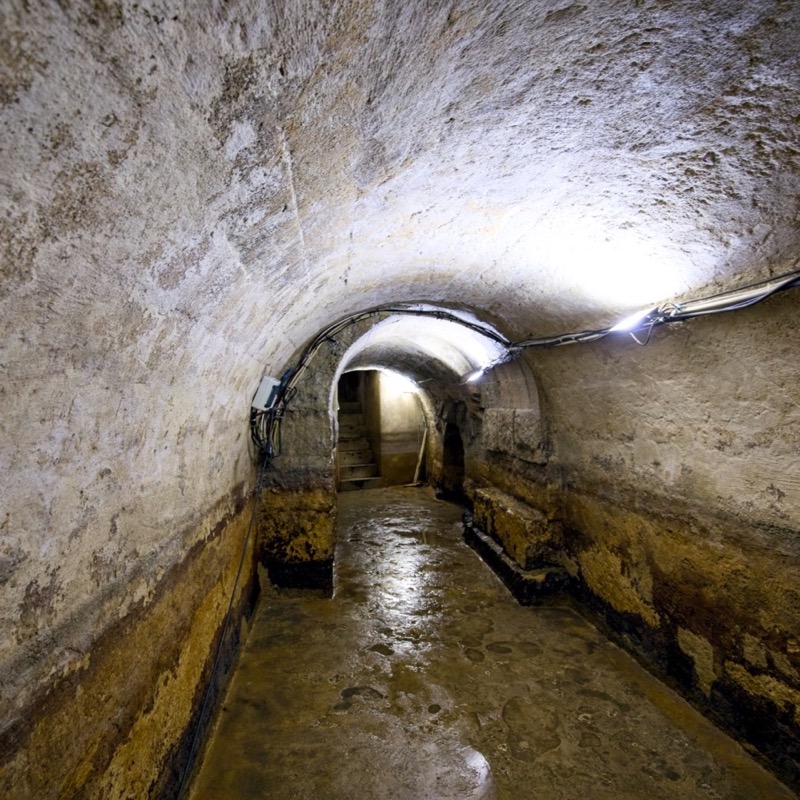
A visit can begin on the ground floor, where the main lobby presents introductory information on the history of the building and the museum in dialogue with the surrounding Pombaline Baixa. This level also provides access to the section devoted to the building itself, explaining its evolution from Pombaline block to bank headquarters and, finally, to design museum, using historical plans, models, photographs and exposed construction elements. On the intermediate floors, visitors will find the main exhibition on the history of design, organised into thematic sections that revolve around a central question: "what are things for?". Moving through successive areas, they discover furniture, lighting, domestic appliances, electronic equipment and everyday objects that illustrate the evolution of design from the mid-20th century to the present, with particular emphasis on the dialogue between international creation and Portuguese design. Display cases and platforms also highlight jewellery pieces, experimental projects and objects that address sustainability, technology and social impact. An important part of the route is dedicated to fashion design, tracing the evolution of silhouettes, materials and techniques through creations by Portuguese and international designers, complemented by accessories, footwear and graphic documentation. Nearby, temporary exhibition spaces host monographic or thematic shows, such as tributes to major creators or projects that bring together design, cinema, music and the performing arts. The visit may end in the bookshop and documentation centre, with specialist publications and access to databases on the collection, or on the rooftop, where the view over the Baixa helps relate the museum to the surrounding Pombaline urban fabric.
Gallery