Badoca Safari Park

Vila Nova de Santo André · Setúbal

Badoca Safari Park

Garden/ParkXXILandscape Architecture
170, 7501-909 Vila Nova de Santo André4.4 Rating · 9,536240 min

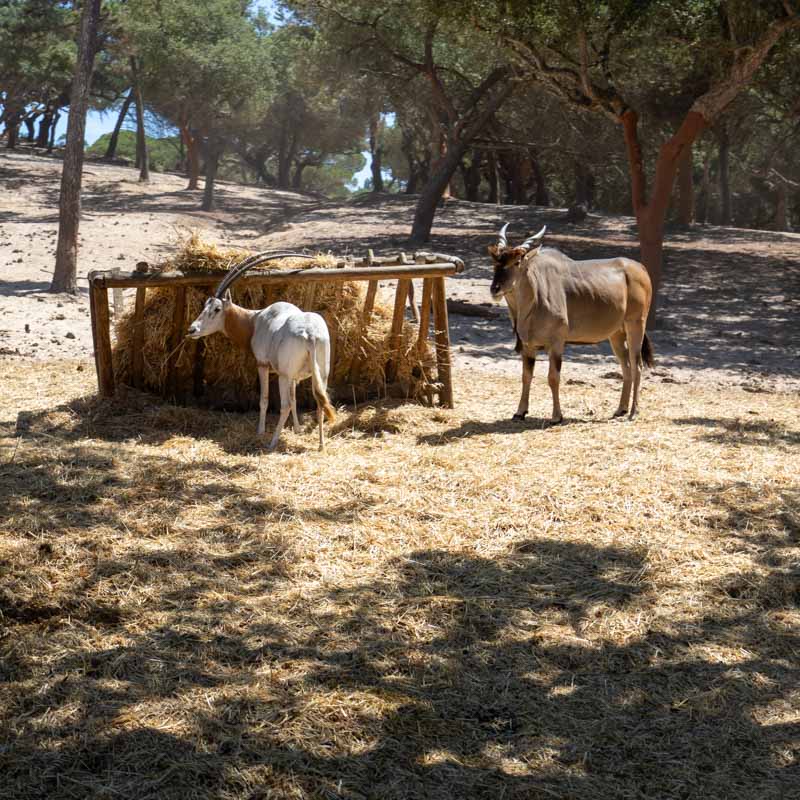
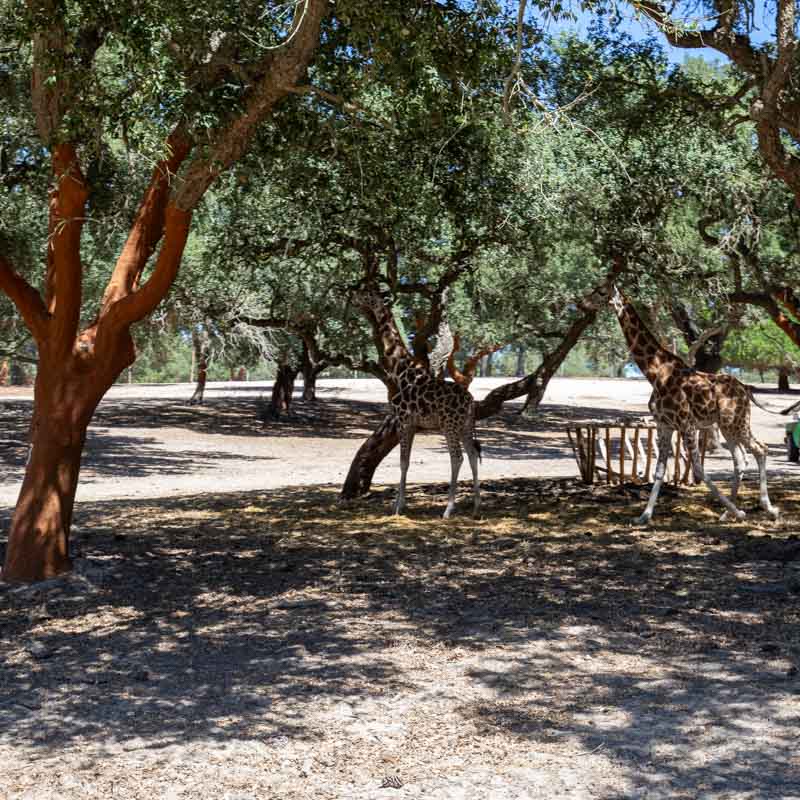
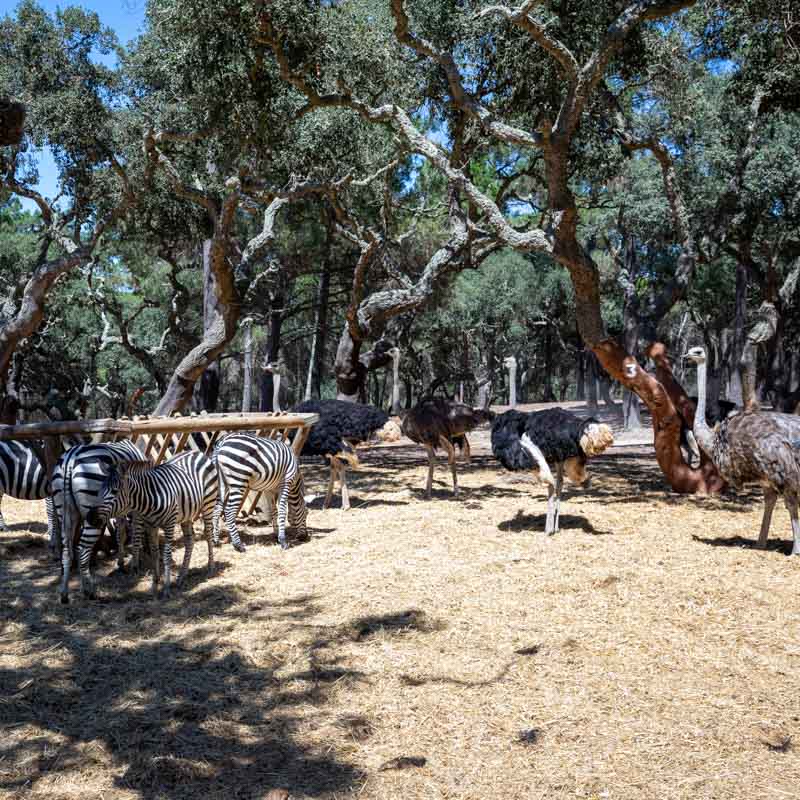
On the Alentejo coast, between the plain and the sea, Badoca Safari Park creates an unexpected meeting with the savannah. Across 90 hectares, around 600 animals from more than 80 species live here, and the safari is the heart of the visit: along the route, zebras, giraffes, buffalo, oryx and wildebeest appear in a setting designed to bring visitors closer to wildlife. But the park is not only about the thrill of spotting animals. Conservation and environmental education lie at the centre of its project, through educational programmes, preservation partnerships and work focused on threatened species. That side is especially clear on Madagascar Island, where Badoca keeps lemurs and takes part in the European Association for the Study and Conservation of Lemurs; it is also the only zoological park in Portugal with red-bellied lemurs. Between the excitement of the safari and this steady work, the place gains depth and meaning.

Why it matters

Badoca Safari Park is located at Herdade da Badoca, in Vila Nova de Santo André, in the municipality of Santiago do Cacém, in the district of Setúbal. It opened to the public on 14 May 1999, in a context in which its managers presented the park as an outdoor leisure alternative and a way to reconnect with nature. Today it is a theme park of around 90 hectares, located in the Alentejo, between the plain and the sea. Its tourist relevance is not linked to ancient heritage, but to the way it combines animal observation, environmental education and outdoor activities. Current park sources indicate around 600 animals and more than 80 species. Its educational dimension is also expressed in school programmes, designed to promote knowledge, environmental awareness, species conservation and the preservation of biodiversity.

Architecture and history

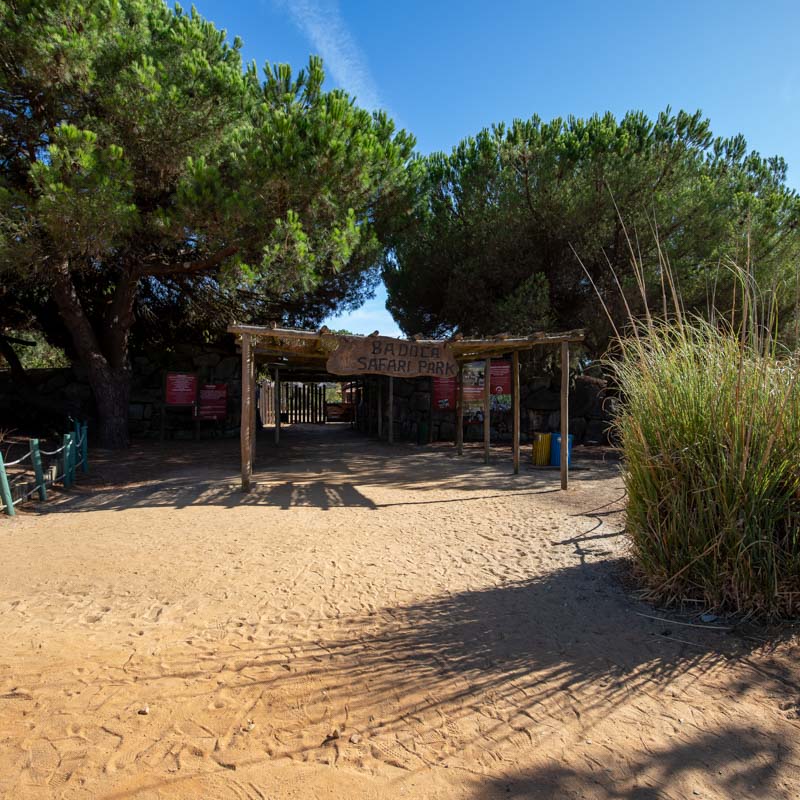
The park’s 90 hectares are organised as a landscape of routes, zoological areas and support spaces, rather than as a closed architectural ensemble. Visitors find safari zones, a walking route, presentations, spaces with birds of prey, reptiles, primates, lemurs, exotic birds and tropical-inspired areas. The main activity is the Badoca Safari, carried out in a tractor with trailers, crossing a broad landscape where species such as giraffes, zebras, elands, wildebeest, ostriches and buffalo can be observed. The park’s design alternates open spaces, wooded areas and observation points, allowing different visiting rhythms. The walking route adds another scale: it brings visitors closer to the small farm, themed forests, meerkats, kangaroos, warthogs and rest areas integrated into the landscape.

More context

The Badoca Safari helps explain the park’s central proposal: seeing animals in broad areas while learning about species, habits and conservation. In the birds of prey presentations, notice the explanation about eagles and falcons and the free flights, which show hunting and movement adaptations. Madagascar Island focuses attention on lemurs, including the ring-tailed lemur and the red-bellied lemur, both associated with habitats in Madagascar. Primates Island allows visitors to observe mandrills and sacred baboons, bringing the visit closer to themes of animal behaviour. The conservation area deserves its own reading: the park states that it participates in captive breeding programmes with threatened species living there, including giraffes, oryxes, red-bellied lemurs, white-tailed wildebeest and Congo buffalo.

Gallery

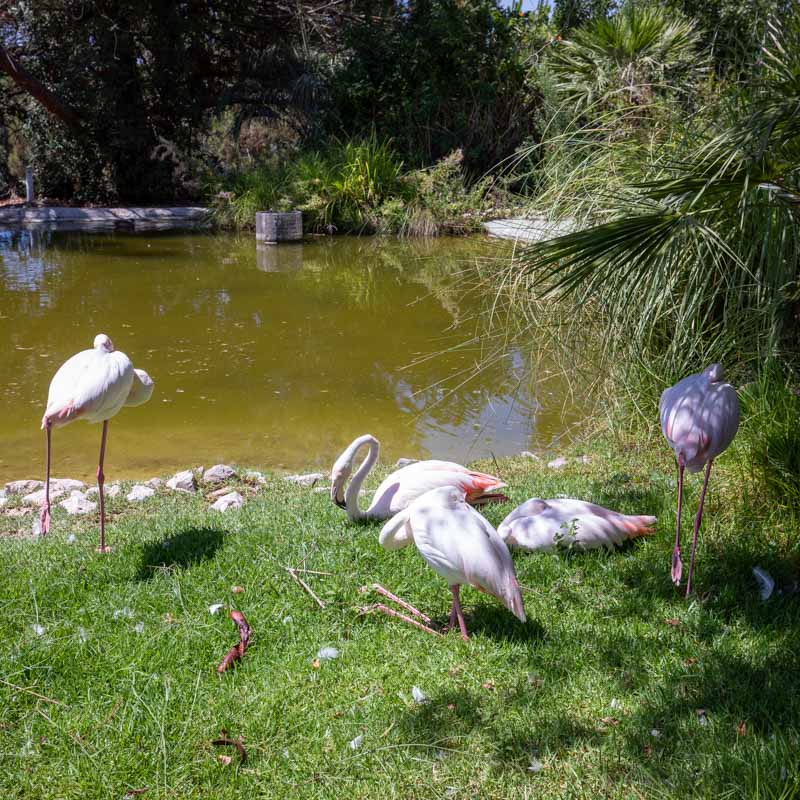
Badoca Safari Park 1
Badoca Safari Park 2
Badoca Safari Park 3
Badoca Safari Park 4
Badoca Safari Park 5

Nearby places

View all