Setúbal · Setúbal
Galeria Municipal do Banco de Portugal
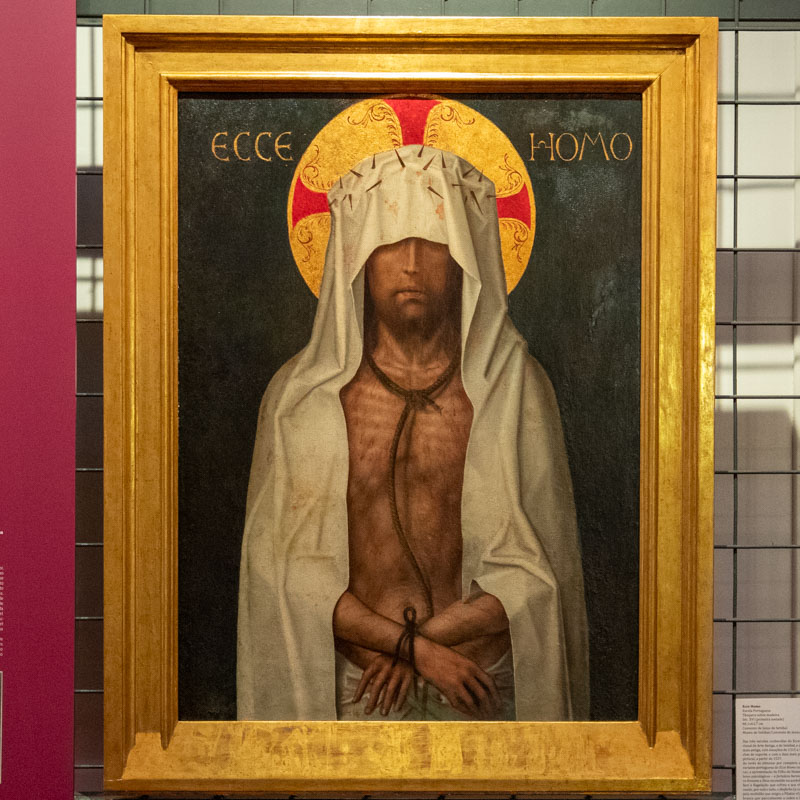
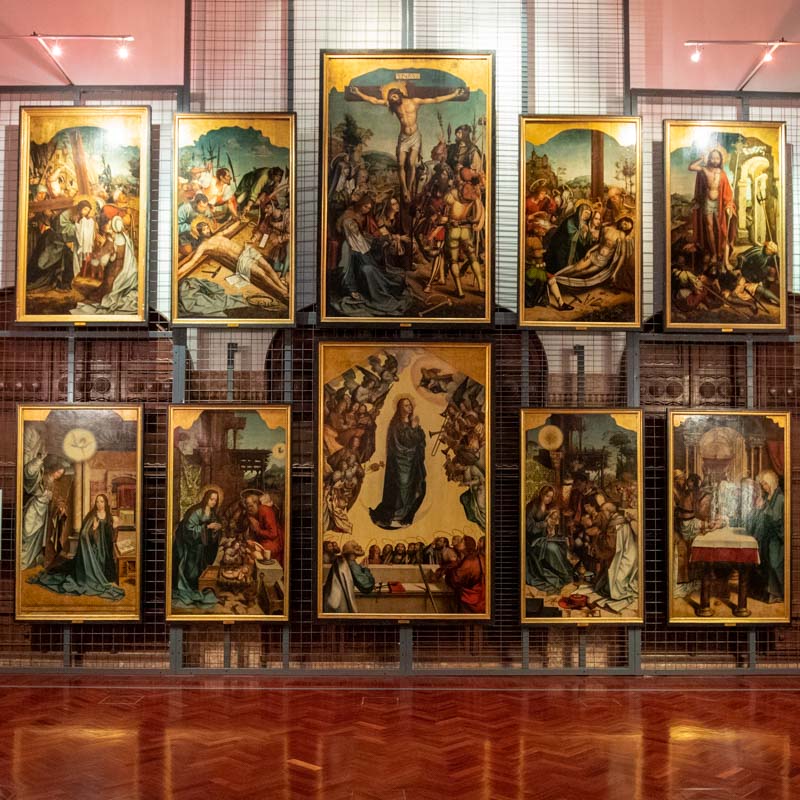
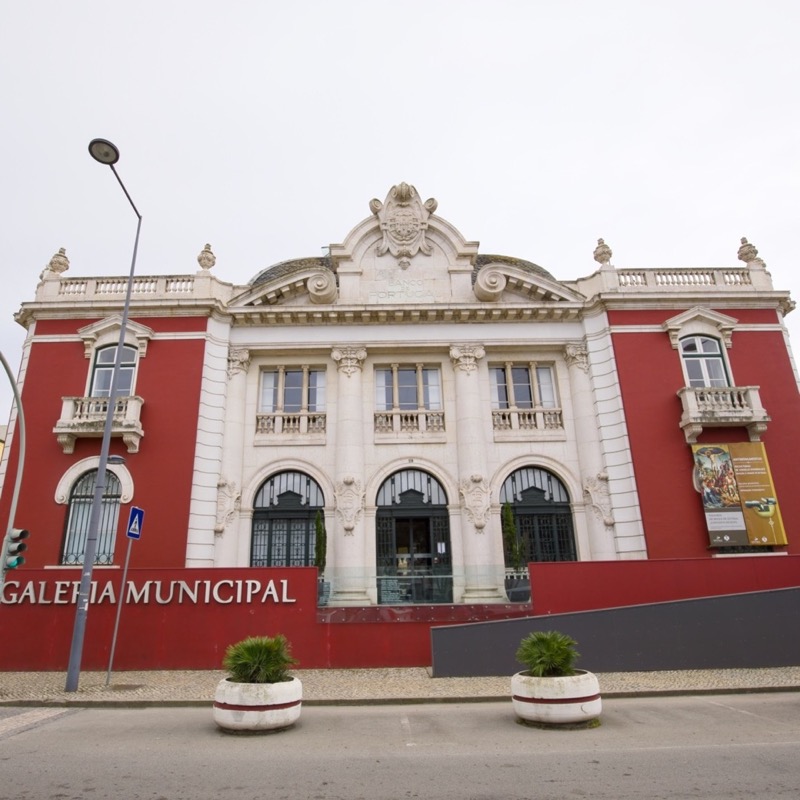
On Avenida Luísa Todi, the Banco de Portugal Municipal Gallery shows just how well Setúbal has reused its urban memory. Designed by Arnaldo Adães Bermudes in the early decades of the twentieth century, the building served for a long time as the local branch of the Bank of Portugal and still retains the solemn air of a former banking house. The two stone columns at the entrance, the eclectic composition and the revivalist echoes, with discreet Art Nouveau touches, give it a sober yet distinctive presence. In 2013, the property began a new life as a municipal gallery and started hosting exhibitions from the Museum of Setúbal. Among them was the celebrated altarpiece from the Convent of Jesus, one of the great works of sixteenth-century Portuguese painting. It is worth studying the building closely before you even step inside: few transformations tell the story of a city so well, turning a place once meant to guard wealth into one that preserves and shares heritage.
Why it matters
The Banco de Portugal Municipal Gallery occupies a former bank branch on Avenida Luísa Todi, one of Setúbal’s most prominent streets. Banco de Portugal began operating in the city in 1917, but its own building only began to be constructed in 1923 and was completed in 1928, at a time when Setúbal was consolidating its administrative and economic role. The branch closed in 1994. After several changes of use, the building passed into municipal hands and opened to the public as a gallery on 15 September 2013, the Day of Bocage and of the City. The first exhibition brought together part of the collection of the Setúbal Museum/Convent of Jesus while works were taking place at that convent. This place therefore tells two stories: that of a 20th-century financial presence and that of the adaptation of a prestigious building into a cultural space.
Architecture and history
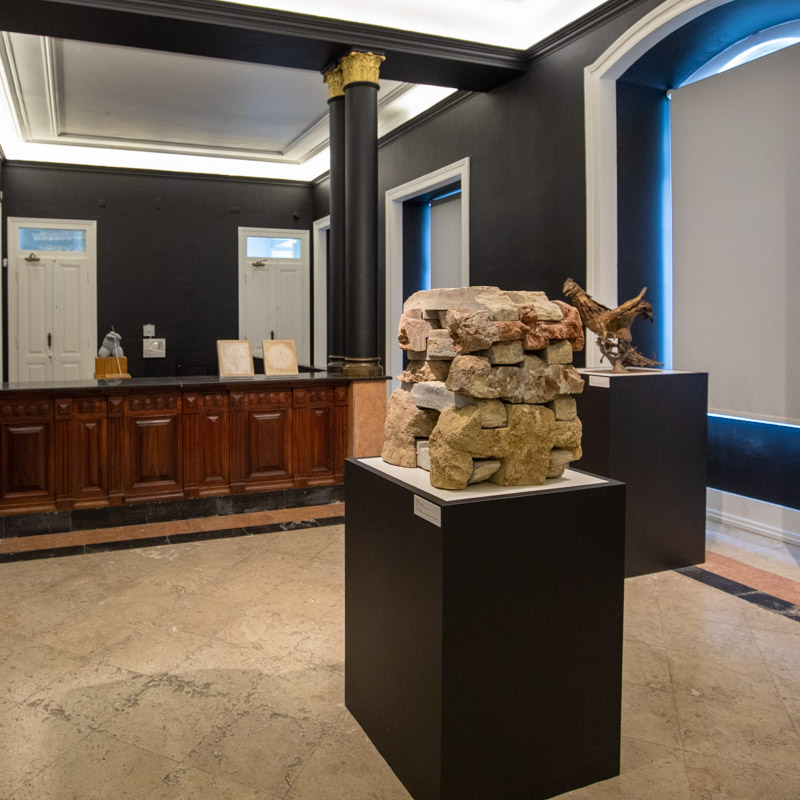
The main façade, facing Avenida Luísa Todi, shows the decorative taste of the early 20th century. The project is attributed to the architect Arnaldo Adães Bermudes and follows a revivalist and eclectic language, with classical references and ornamental details. The main block has two floors and is organised into three sections, marked by openings of different forms, balconies with stone balustrades and attached columns. At the top, the pediment with volutes, decorated urns and the shield of the Republic gives the building a solemn presence, suited to its former banking function. Inside, the heritage record highlights the original atrium, openings topped by curved pediments, wooden cupboards designed for the building and ceiling decorations with floral motifs. The adaptation into a gallery changed some points, but did not erase the reading of the former bank.
More context
The two stone columns marking the entrance help explain the building’s representative intention: before it was a gallery, it was meant to convey security, order and public importance. Notice the contrast between the red wall sections and the pale stonework, because this composition gives rhythm to the façade and makes the building easy to recognise on the avenue. The central arched openings, small balustrades and upper pediment deserve slow observation, as they concentrate many of the decorative signs of the ensemble. Inside, when accessible, the atrium preserves the memory of banking circulation and guides the passage into the exhibition rooms. The exhibition history of the space is also important: in 2013, the gallery presented the 14 panels of the high-altarpiece from the Church of the Convent of Jesus, dated to 1517/19–1530 and attributed to the workshop of Jorge Afonso.
Gallery