Sesimbra · Setúbal
Museu Marítimo de Sesimbra
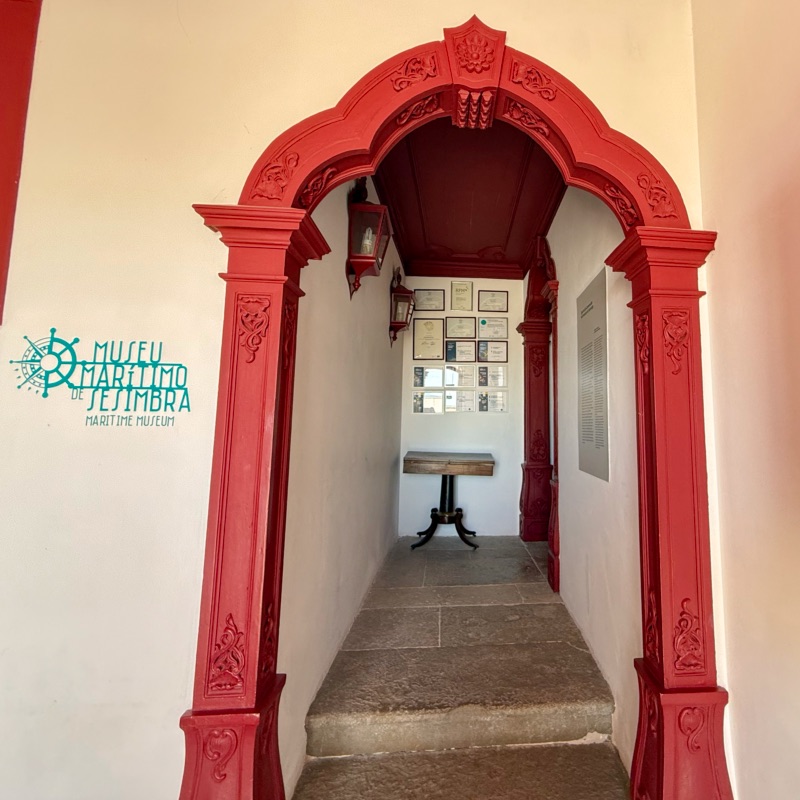
The Maritime Museum of Sesimbra, housed in the Fortress of Santiago, presents the town’s long relationship with the sea and fishing. Opened to the public in 2016, it forms part of the Municipal Museum of Sesimbra and organises its route through several spaces within the fortress. The exhibition brings together material heritage and memories collected with the fishing community, giving voice to the knowledge of seafarers. Among the oldest objects are an anchor stock around five thousand years old, and hooks and net weights dated between 2500 and 200 BC. The route addresses fishermen’s journeys, routes, fishing grounds, fishing techniques, boatbuilding, maritime devotions, the Professor Luiz Saldanha Marine Park and the relationship of King Carlos with Sesimbra. With models, films, documents and interactive technology, the museum turns local history into a narrative of work, identity and continuity.
Why it matters
The Maritime Museum of Sesimbra grew out of a long process of collecting and valuing local maritime memory. According to municipal documentation, the origins of the collection date back to 1981, when the Municipal Council began gathering objects, documents and oral testimonies in response to the community’s wish to create a true “House of Memories”. That work evolved into a museum devoted to Sesimbra’s coastal identity, rooted in both tangible and intangible heritage. The museum opened to the public on 31 May 2016, Fisherman’s Day, inside the Fortress of Santiago, reinforcing the symbolic bond between the museum, the town and the sea. The exhibition route shows that Sesimbra’s relationship with fishing and navigation goes back at least five thousand years, with particular emphasis on hooks and net weights dated between 2500 and 2000 BC, as well as an anchor stock linked to Roman navigation. More than a place that stores objects, the museum presents itself as a bridge between generations, combining research, safeguarding and public dissemination. Its recognition has gone beyond the local scale: in 2019 it joined NEMO, it was nominated for the European Museum of the Year Award, and it received APOM distinctions in 2020, 2021 and 2024.
Architecture and history
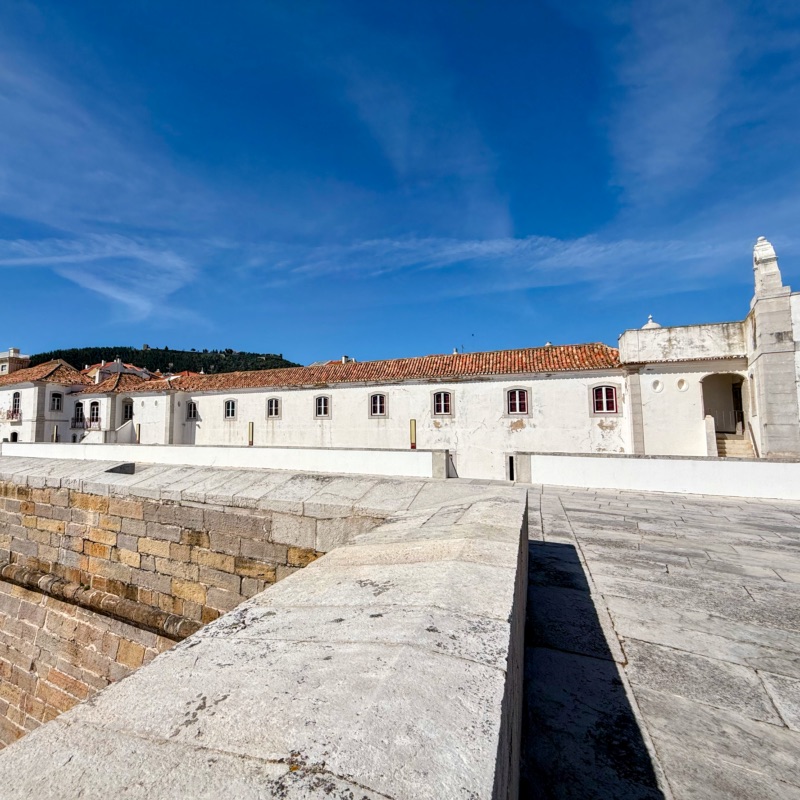
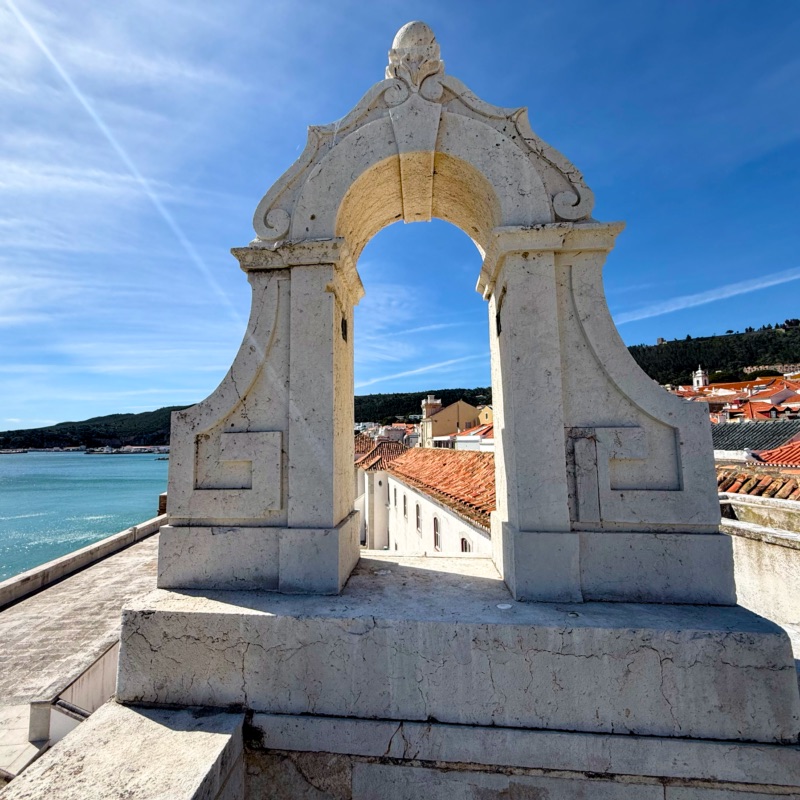
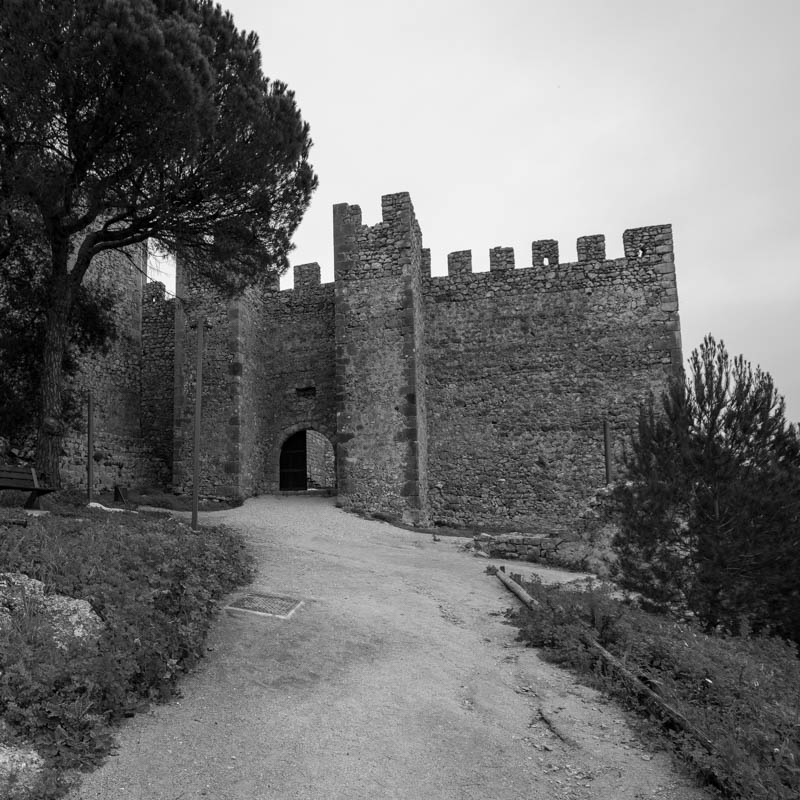
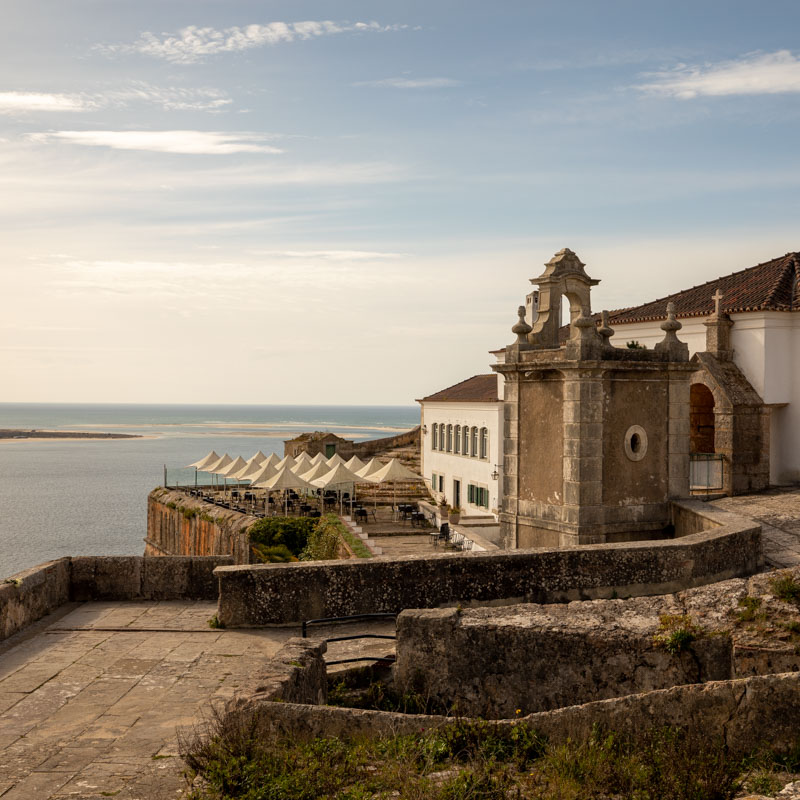
From an architectural point of view, the museum stands out because it occupies different areas of the Fortress of Santiago, a fortification built between 1642 and 1649 under the direction of João de Cosmander, within a broader effort to strengthen coastal defence after the Portuguese Restoration. The fortress itself is an essential part of the experience: historical documentation highlights the contrast between the seaward front, with a more military expression, and the landward side, with a more civil character, an unusual solution for its time. Inside, spaces such as the Governor’s Quarters and its private oratory have been preserved, while the modern refurbishment sought to maintain the original outline of the complex. Municipal interventions cleaned the stonework, restored the railings, replaced deteriorated renders with compatible materials, and revealed older stone structures as well as masonry vaulted ceilings. The adaptation into a museum was designed to preserve the building’s austerity while accommodating contemporary museography, including a 3D film, an interactive table, audiovisual modules, an interactive aquarium, photographs, models and a full-scale aiola under construction. The result brings together historic military architecture and a current exhibition language within a single route.
More context
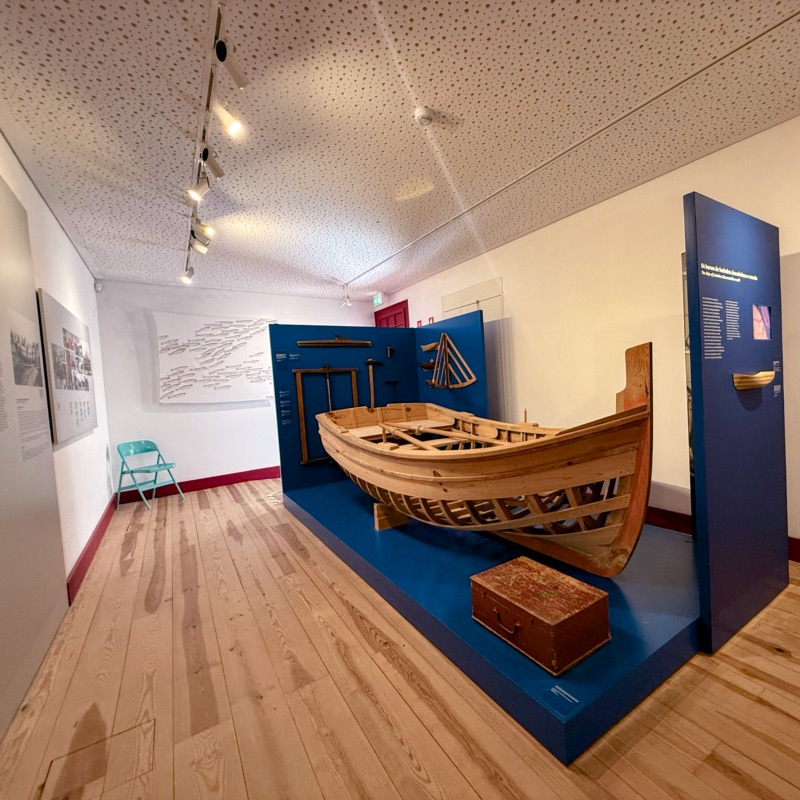
Several sections stand out during the visit because they help explain Sesimbra through its relationship with the sea. The Sala da Viagem allows visitors to follow, on an interactive table, fishermen’s routes, nearby and distant fishing grounds, days at sea, the fishing methods used and the species caught; the same section also includes some of the earliest navigation instruments used by the community. The Desde o Princípio module uses 3D technology to present the formation of the territory, the presence of dinosaurs, the town in Roman times, the battle of 1602 and other key episodes in local history. In Memória e Devoção, ex-votos and other offerings help explain maritime devotions such as Senhor Jesus das Chagas, Nossa Senhora do Cabo and Nossa Senhora da Boa Viagem. Other important spaces include Mar Antigo, which gathers the oldest artefacts; the section on the Professor Luiz Saldanha Marine Park, with an interactive aquarium; the exhibition on King Carlos in the Governor’s House; the Sala da Comunidade, with donations linked to sport fishing, seaweed gathering, carpentry and the canning industry; and Sala da Arte, devoted to Sesimbra’s fishing techniques and to the construction of a life-size aiola.
Gallery